
Revenue Does Not Show the Load on the Team
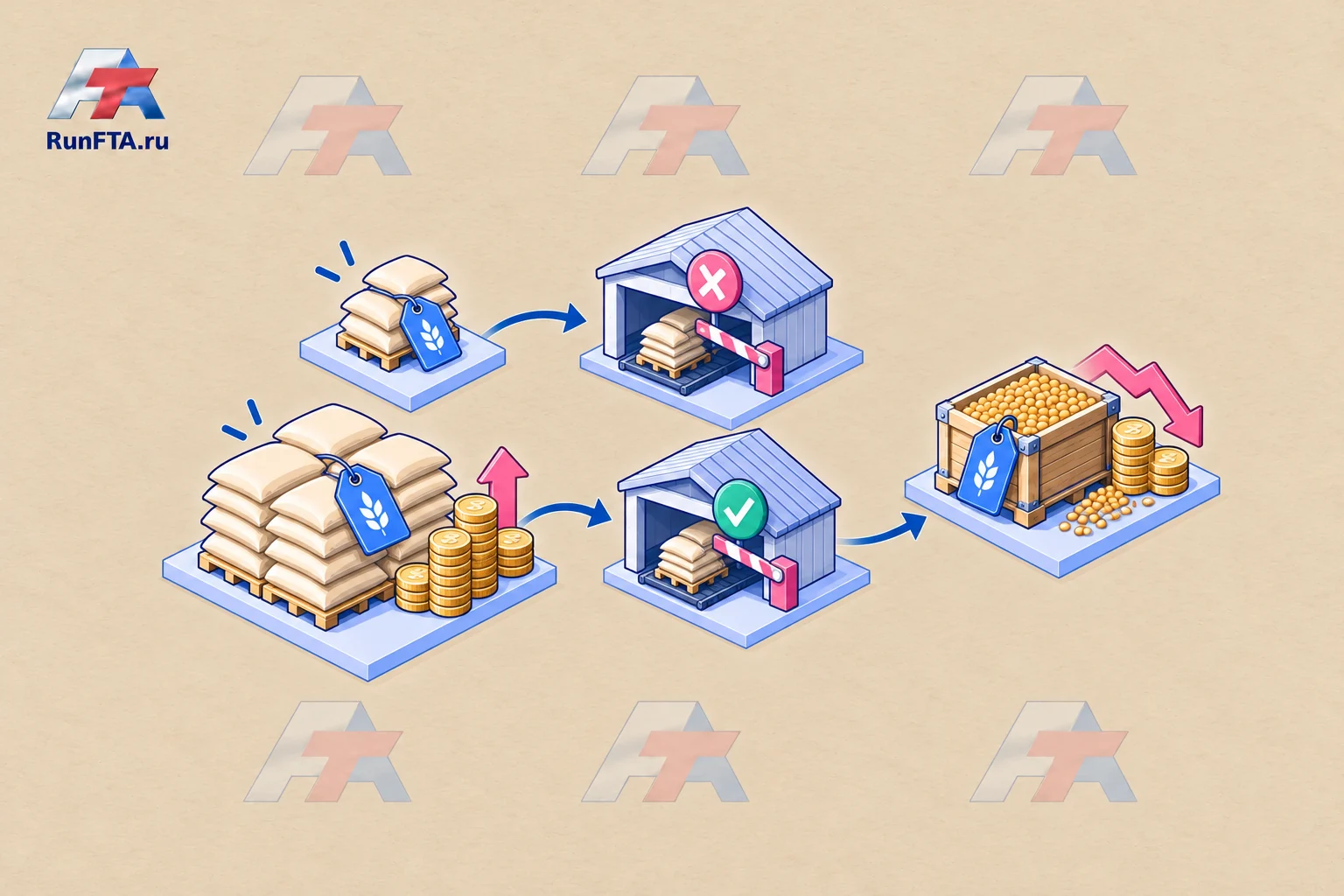
Two buyers purchase the same volume of agricultural products.
The first one works according to an agreed schedule.
The second one needs additional reports, small parts of the supply, and multiple document changes.
The sales amount is similar, but the team’s work differs.
Calculating the cost to serve a customer helps to discuss cooperation terms.
It should not turn into blaming the client or punishing the manager.
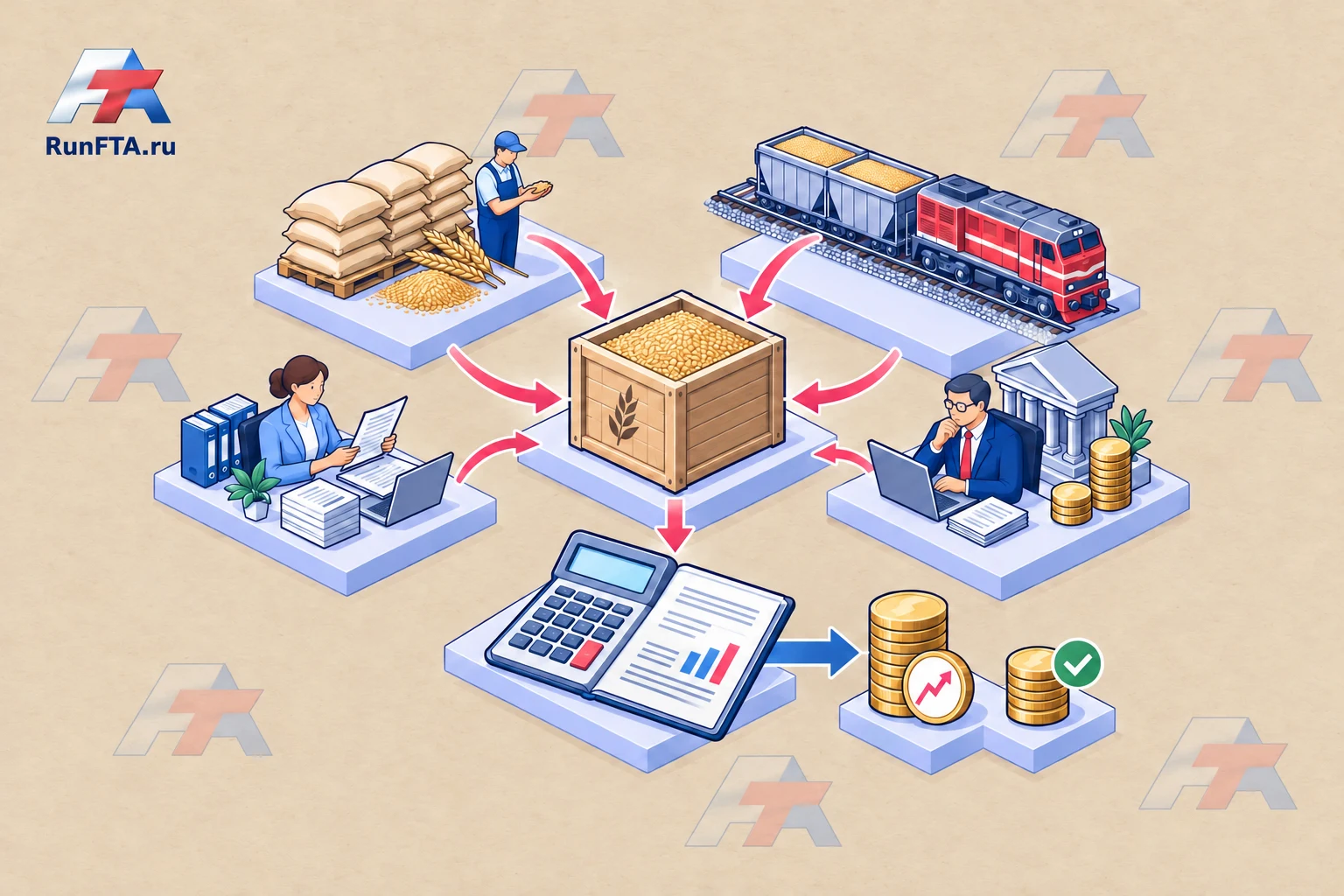
First, you need a verifiable expense base and a clear rule about which costs are already included in the deal result calculation.
Discuss customer cost-to-serve for your business
I can help structure customer cost-to-serve, gather the required information and evidence, and agree responsibilities and next steps.
We can also discuss similar difficulties and related foreign trade tasks.
We agree the scope and any specialist involvement before work starts.
Choose a Calculation Unit
You can calculate by order, buyer for a period, or a separate channel.
Do not compare one client’s monthly costs with another’s annual revenue.
For the first calculation, take the same period and comparable operations.
| Cost | How to Avoid Double Counting |
|---|---|
| Additional team hours | Check whether they are already included in the accepted calculation |
| Translation and special reports | Assign only the work actually ordered |
| Additional processing of parts | Specify the specific operation and expense document |
| General department expenses | Indicate the chosen distribution method separately |
Time spent and monetary expense are different data.
The hourly rate for management calculation must have an agreed basis, not be taken from an average figure in an article.

Calculate One Transparent Example
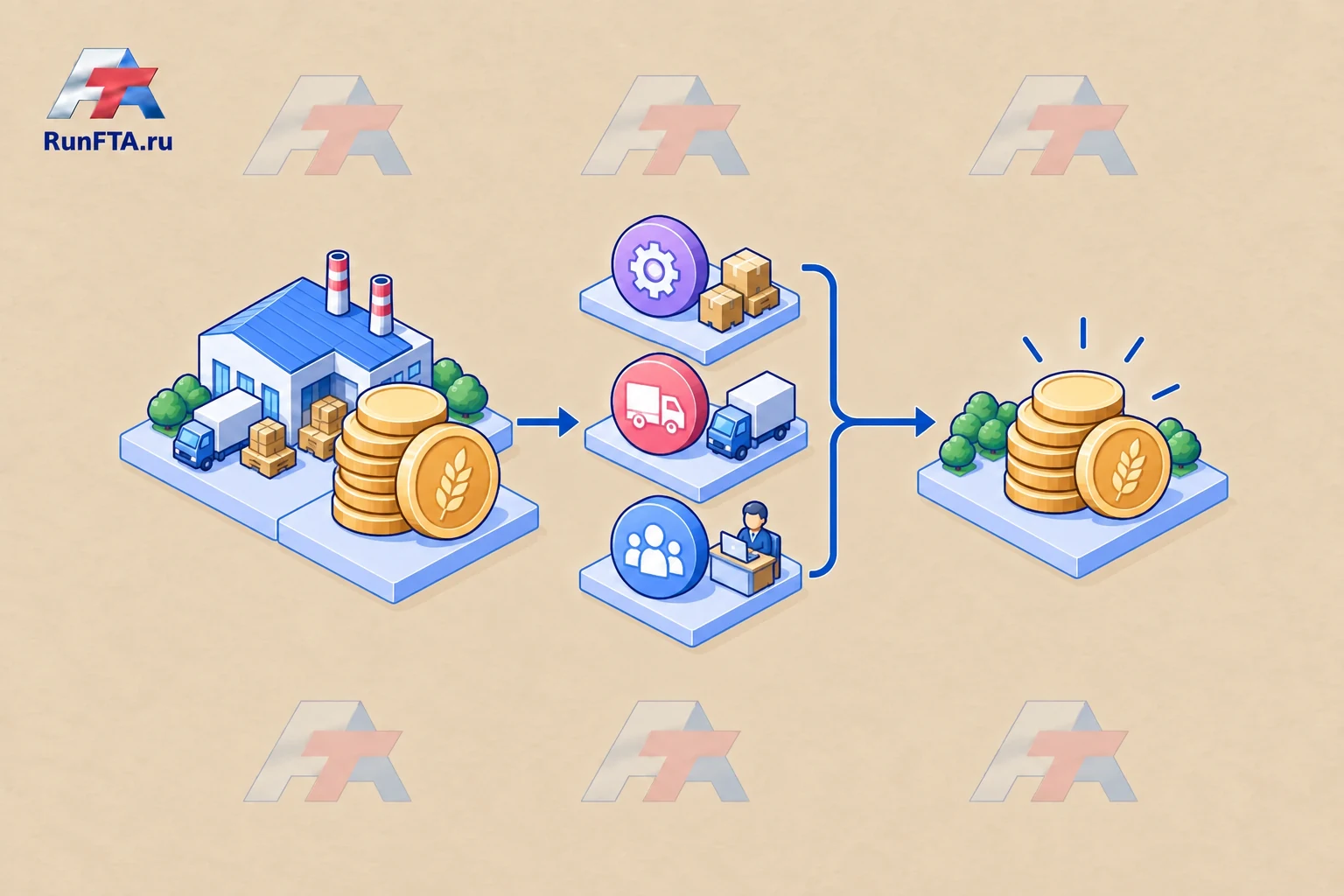
Hypothetical example: the order’s contribution after already accounted for commodity and transportation costs is 180,000 ₽ (Russian RUB).
Additional work not yet included in this figure: 20 hours at an internal calculation rate of 1,200 ₽ and a separate translation service costing 6,000 ₽.
Additional costs equal 20 × 1,200 + 6,000 = 30,000 ₽.
After these, 150,000 ₽ remains.
This is a management indicator within the specified boundaries, not accounting net profit or a market tariff.
If salaries have already been fully accounted for above, you cannot subtract the same hours again.
Look for the Cause of Additional Operations
Separate the buyer’s requests from the team’s own errors.
A repeated translation due to an incorrect version of the specification cannot automatically be considered an expensive feature of the client.
For each significant expense, record the event, cause, and possibility to change the process.
BDC suggests considering the actual price and cost to serve a customer when analyzing buyers.
Our calculation adapts this management idea to foreign trade, without copying others’ rates or conclusions about the profitability of specific companies.
Discuss Terms Instead of a Sudden Refusal
Possible solutions include an agreed report format, earlier specification fixation, a separate price for additional services, or a different batch size.
Compare what will change for the buyer and the team, and confirm the new terms before applying them.
Data can be collected via time tracking by batches.
Start with one client and verify the calculation with a financial officer: they should explain the decision, not create the appearance of precision.
Internal management guidance; examples are hypothetical.
Overseas sources do not establish Russian legal requirements.
Check authority, contract terms, restrictions and mandatory procedures for the specific transaction.
Reviewed 26 October 2026.