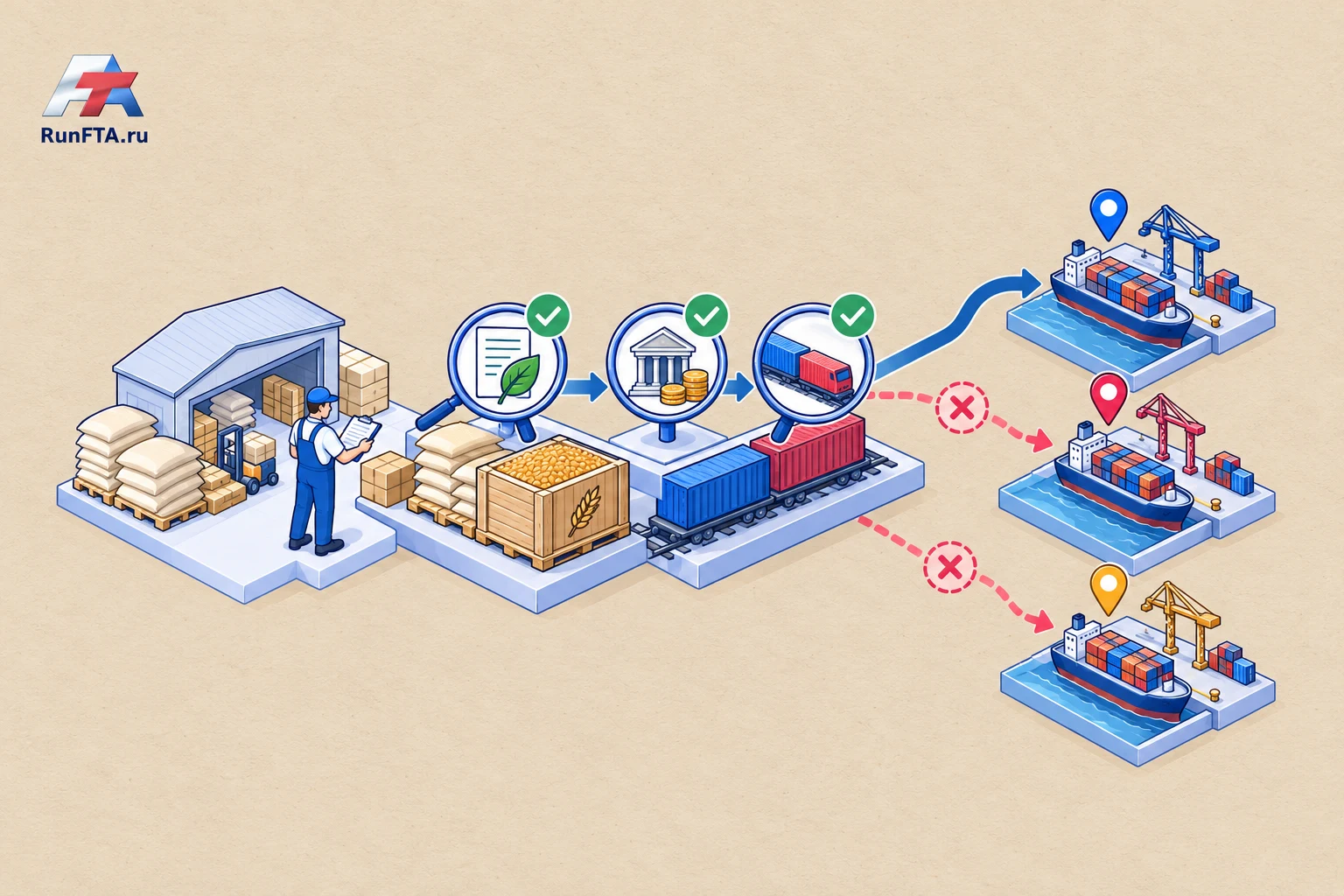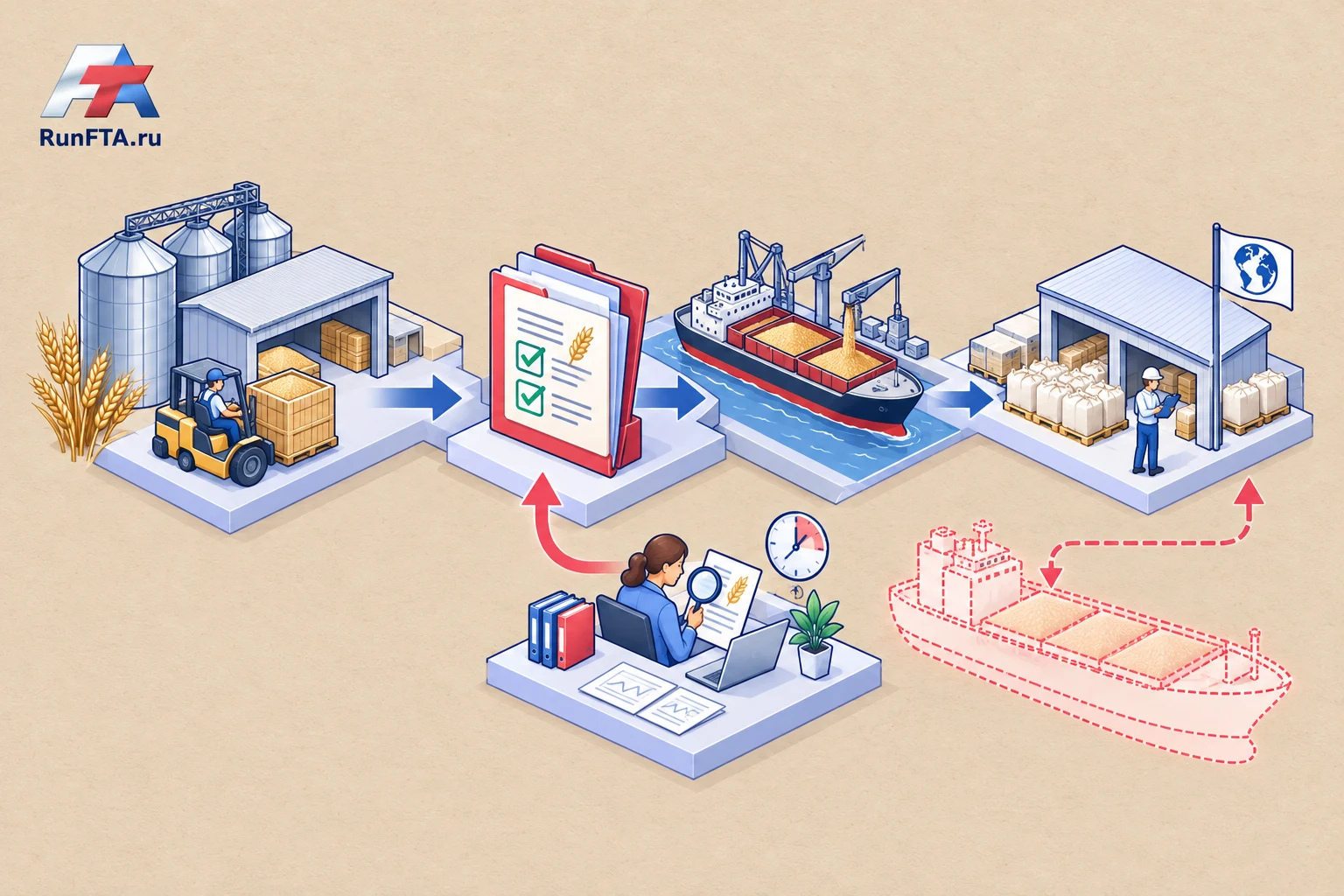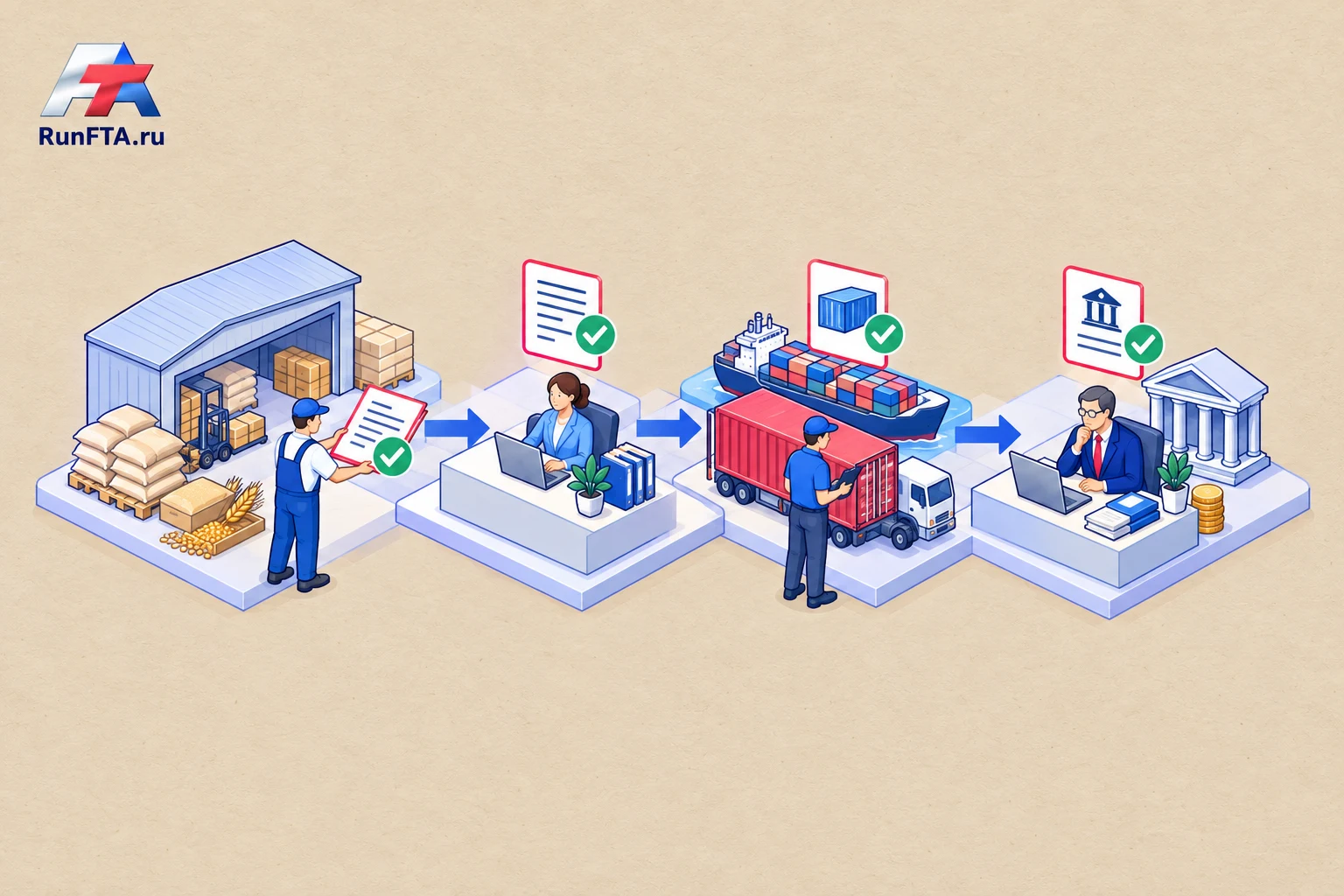

Define the shipment before comparing prices
The same selling price per tonne can produce different results. One buyer arranges the main transport and pays before dispatch. Another expects the seller to finance the goods, pay freight and wait until acceptance. Comparing purchase and selling prices alone misses these differences.
Define the product, quantity, route, pricing currency, payment schedule and delivery point. ICC explains how Incoterms allocate responsibilities, costs and risk. Payment timing still needs its own agreement. The model below is a management proposal, not a statutory accounting form.
Let’s discuss shipment costs and financial results
I can help review your situation, identify documentation and coordination tasks, and agree participants and next steps. We can also discuss related trade issues and similar difficulties across your company’s shipments. Tell me where the process is getting stuck so we can agree a specific task and scope of support.
Discuss your taskAvoid counting the same cost twice
Include costs borne by your business under this transaction. Request a breakdown of an all-inclusive forwarding quote before adding terminal handling again. Each line needs a currency, price source, validity date and person responsible for confirmation.
| Cost group | Check before quoting |
|---|---|
| Purchase and preparation | Quantity, preparation losses, packaging and supplier payment terms |
| Transport and handling | Included legs, transshipment, terminals and surcharges |
| Documents and inspection | Testing, inspection, processing and specialist services |
| Payment and funding | Bank fees, currency conversion and funding duration |
| Disruption | A separate scenario for delay, reapproval or disputed acceptance |
Keep taxes, duties and recoverable amounts in separate lines agreed with your accountant. An expected refund is not cash already available. Shipment profitability and cash availability answer different questions.
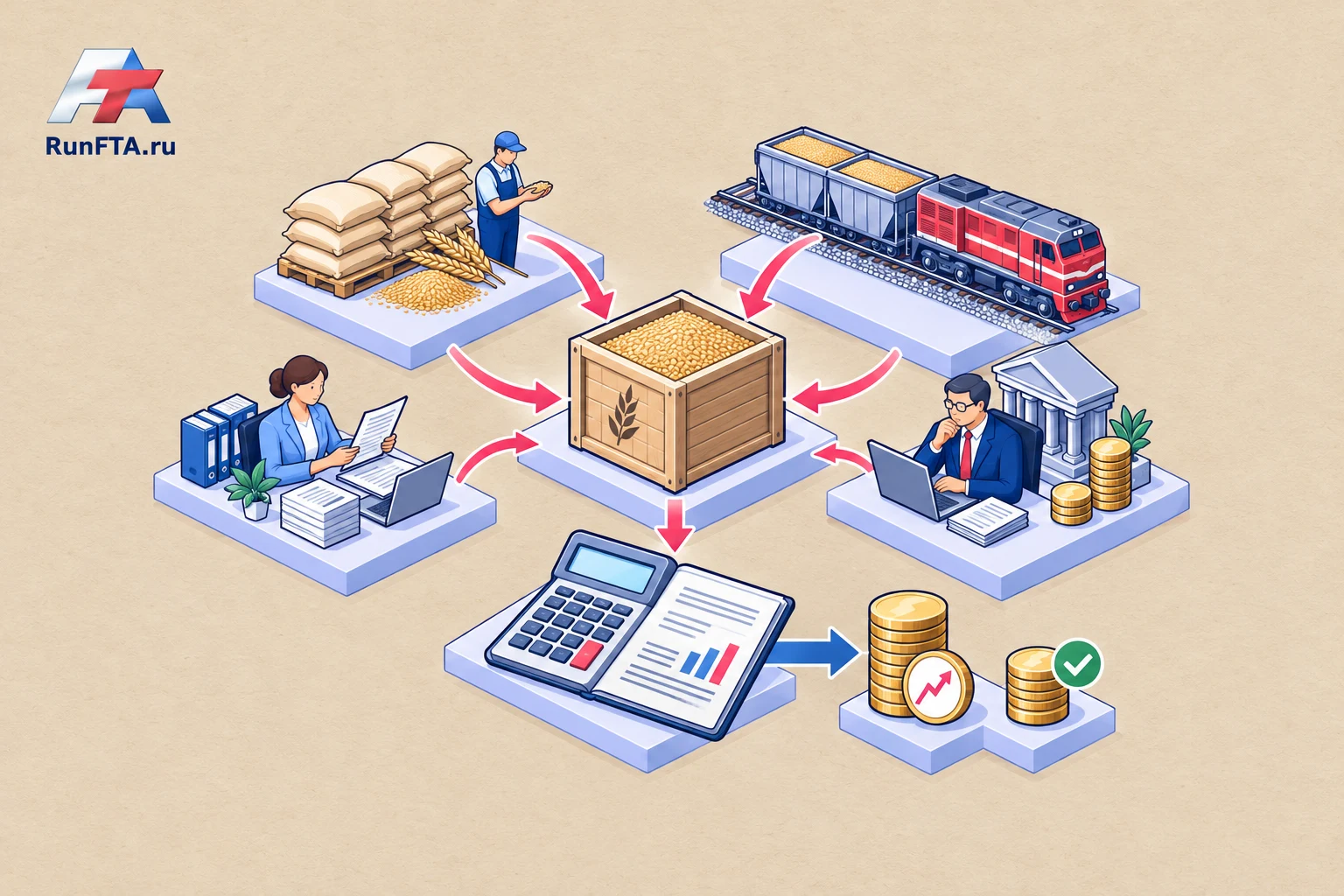
Worked example: how the buffer disappears
Assume revenue expressed in one calculation currency is RUB 12 million. Purchase costs are RUB 9 million, preparation and transport RUB 1.4 million, other direct costs RUB 0.3 million and funding RUB 0.2 million. The shipment contributes RUB 1.1 million before company overhead and profit tax: 12 − 9 − 1.4 − 0.3 − 0.2. Its contribution-to-revenue ratio is about 9.17%.
If delay adds RUB 0.25 million and currency conversion reduces revenue by RUB 0.3 million, the contribution falls to RUB 0.55 million. Divide by the revised revenue of RUB 11.7 million: about 4.70%. These figures illustrate arithmetic; they are not market quotations or expected returns.
Decide when the quote must be recalculated
Before approaching the buyer, management defines the acceptable result and available funding. Record triggers for recalculation: an expired freight quote, a different route, deferred payment, changed quantity or quality. Sending a quotation should not silently authorise absorbing every subsequent cost.
Retain the baseline and a separate delay scenario. Overwriting every value destroys the distinction between an estimation error and a later change in circumstances. Build the cash timeline alongside the costing model using the working-capital guide.

Close the shipment with a variance review
After settlement, compare actual and planned costs using the same lines. Examine the three largest deviations: when they became visible, which confirmation was missing and what the next quote should do differently. Link this review to the shipment register rather than keeping an isolated spreadsheet.
Run FTA can coordinate shipment documents and participants within an agreed scope. Management and the relevant specialists retain responsibility for financial and tax decisions.
Management guidance for exporters. Numerical examples are illustrative; requirements and terms must be checked for the specific product and transaction. Sources checked on 24 October 2026.