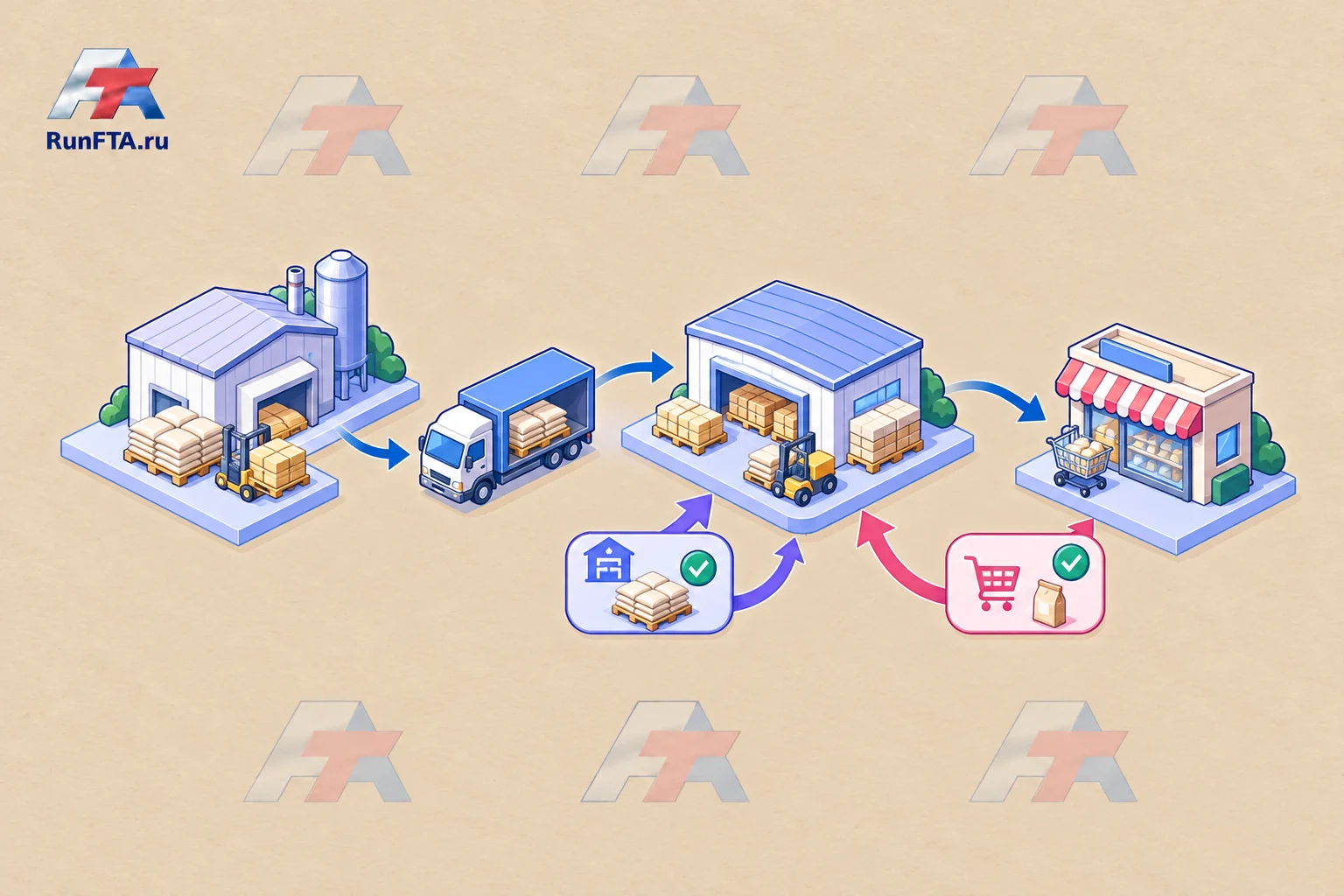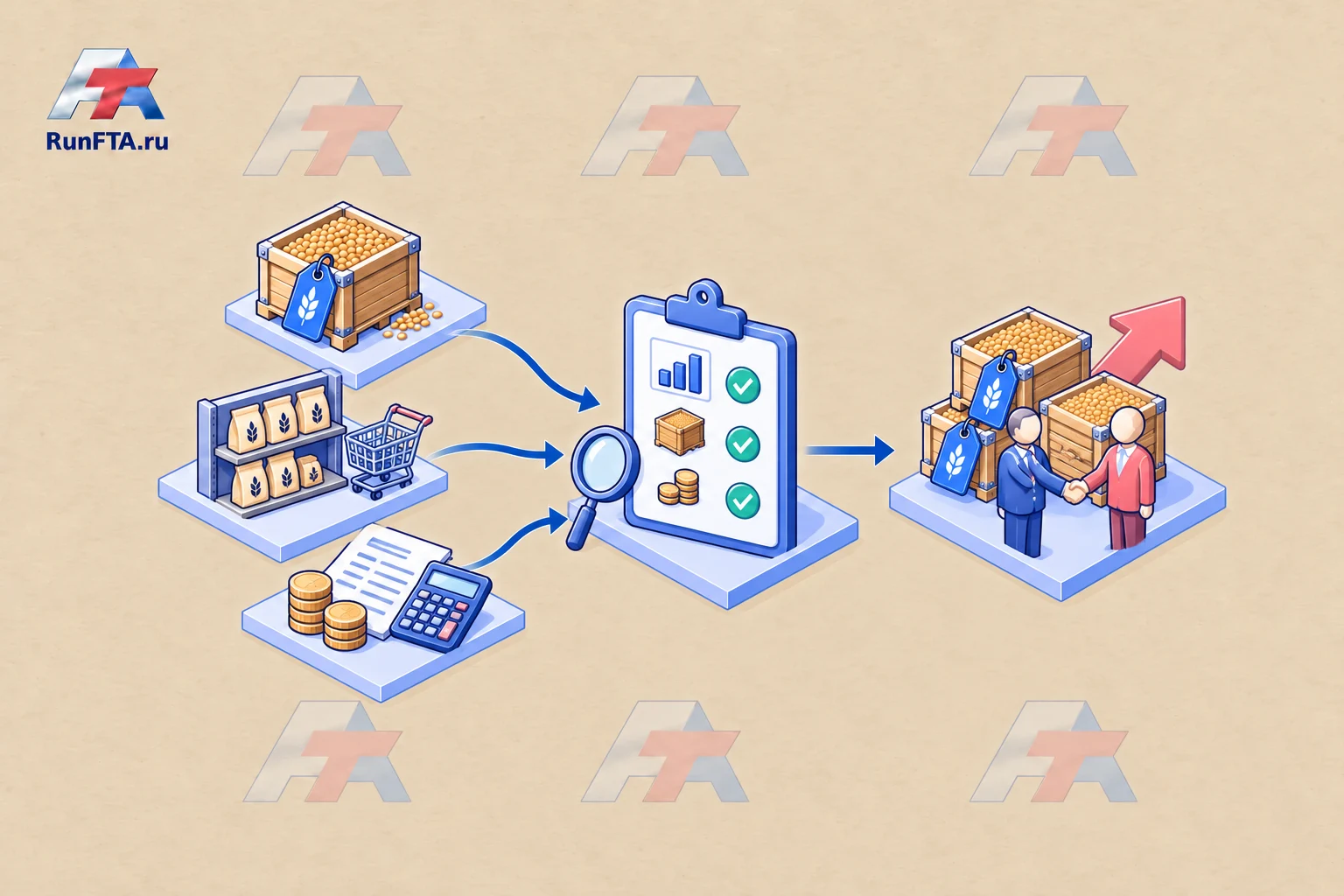

The pallet must be suitable for both sites
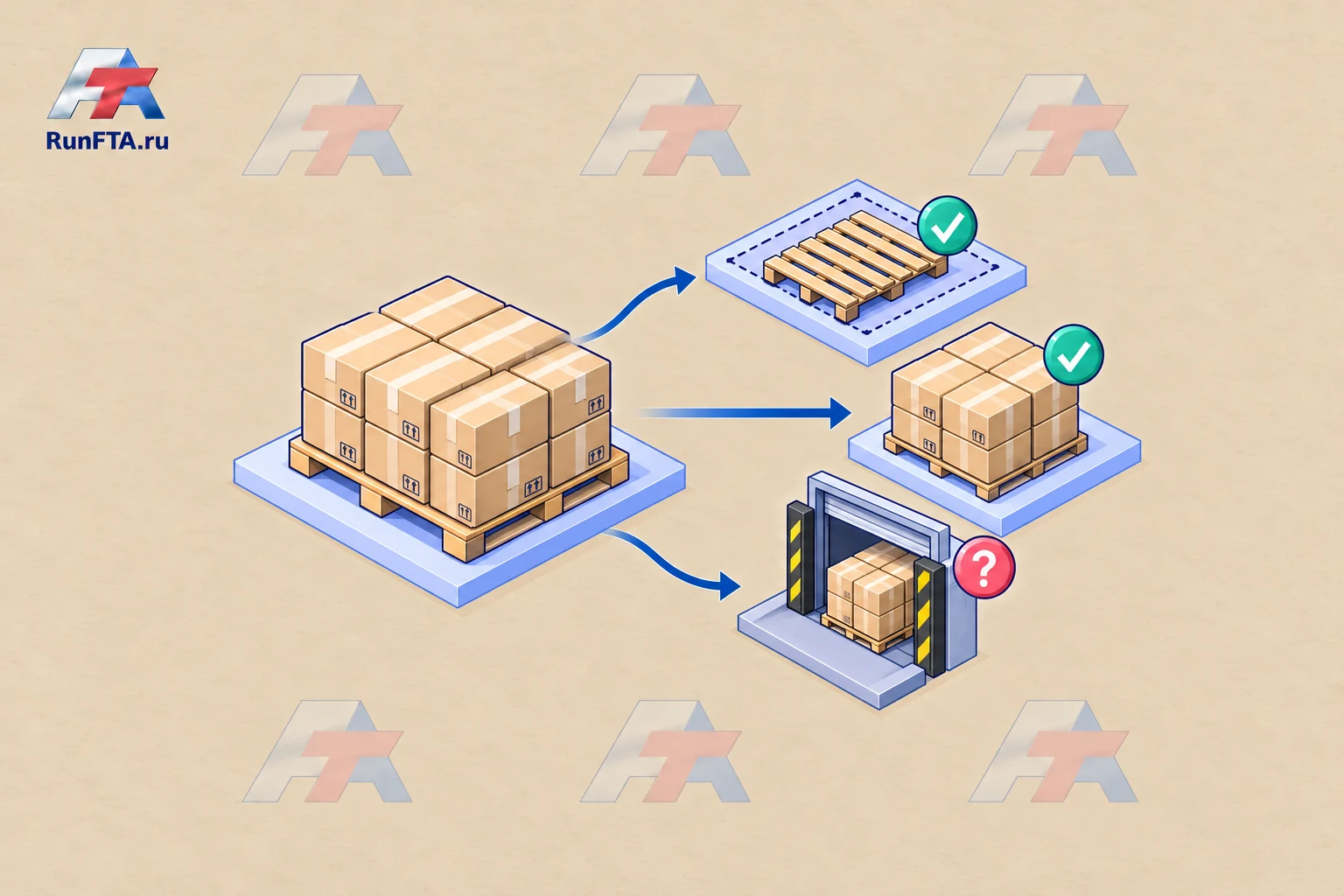
The shipper has assembled boxes on a pallet that is convenient for them to move.
However, the buyer may have different equipment, racks, and receiving rules.
The phrase ‘standard pallet’ does not describe this compatibility.
Before picking, agree on the entire cargo unit: the base, boxes or bags, protruding parts, protection, and handling method.
This article helps distribute questions among participants; stability calculations, fastening, and permissible loads are performed by competent specialists.
Let’s discuss palletization alignment in your company
I’ll help you sort out palletization alignment, collect initial data and confirmations, identify participants, and define next steps.
We’ll also discuss similar challenges and related foreign trade tasks in your company.
The scope of support will be agreed upon before work begins.
Provide the recipient with the actual configuration
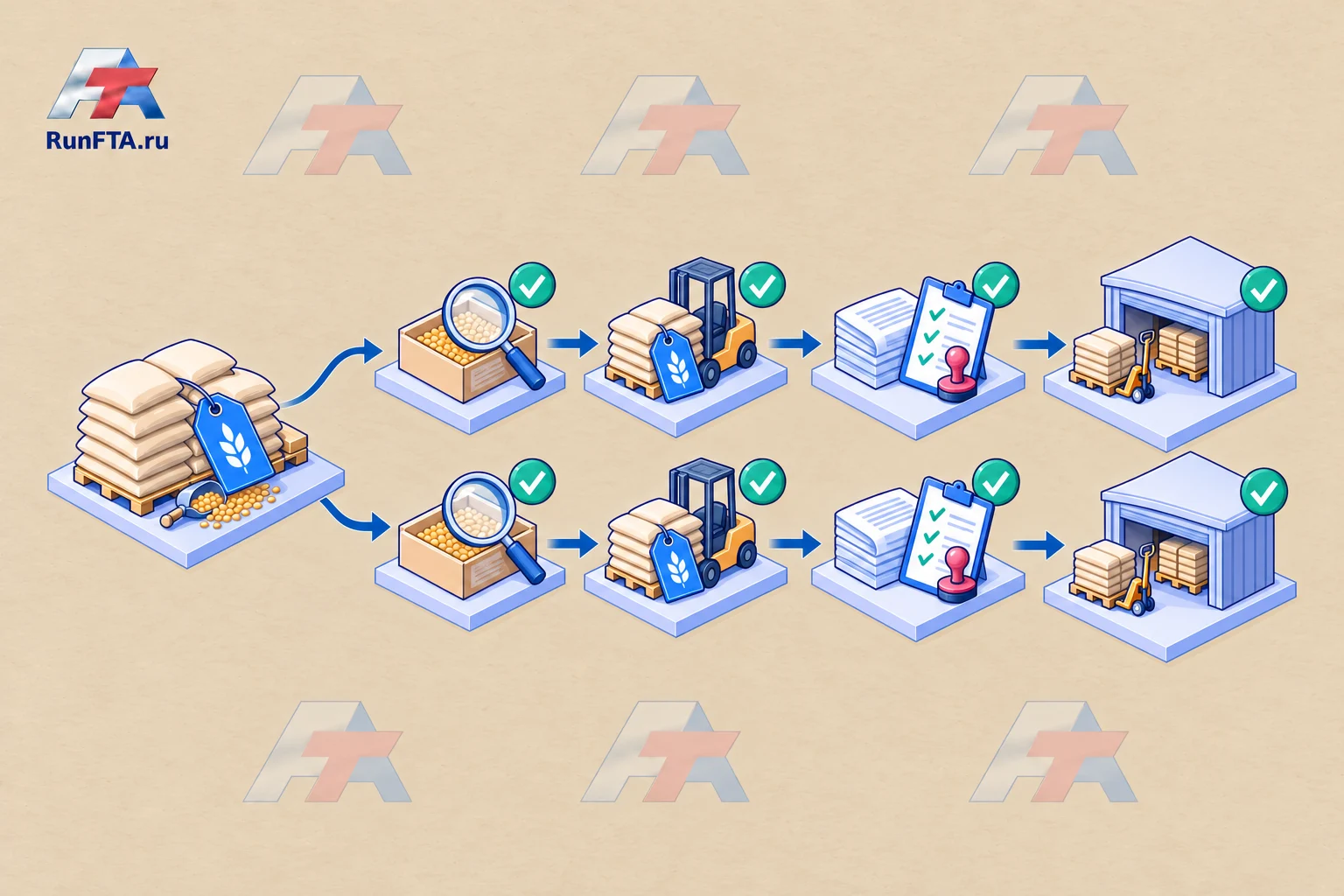
Specify the dimensions and weight of the cargo unit with packaging, the number of units on the base, and significant handling restrictions.
Provide a diagram or photos of the proposed assembly.
The recipient confirms not a single image but the ability to receive this exact configuration.
The operator checks suitability for loading and transportation.
Requirements for the material of wooden parts, if any, are considered separately.
The phytosanitary mark does not confirm stack stability, and size approval does not confirm food safety.
Verification before batch assembly
A training table does not set engineering standards.
| Object | What to confirm |
|---|---|
| Base | Material and suitability for handling |
| Contents | Actual quantity and weight |
| Dimensions | Size of the entire assembled unit |
| Receiving | Equipment and warehouse restrictions |
| Route | Transshipments and operator requirements |
If the number of boxes in a layer or the base changes, save the new version of the diagram.
The old agreement does not automatically apply to it.
Test the cargo unit
A training example: after adding protective elements, the overall dimension increased.
The recipient’s warehouse returns the configuration for clarification before preparing the entire batch.
This lets the team check compatibility before assembling the full batch; any savings require a separate calculation.
If damage occurs en route, document the condition and events.
Do not declare the cause based on a single photo of torn film.
A technical report, contractual liability, and product decisions require separate confirmations.
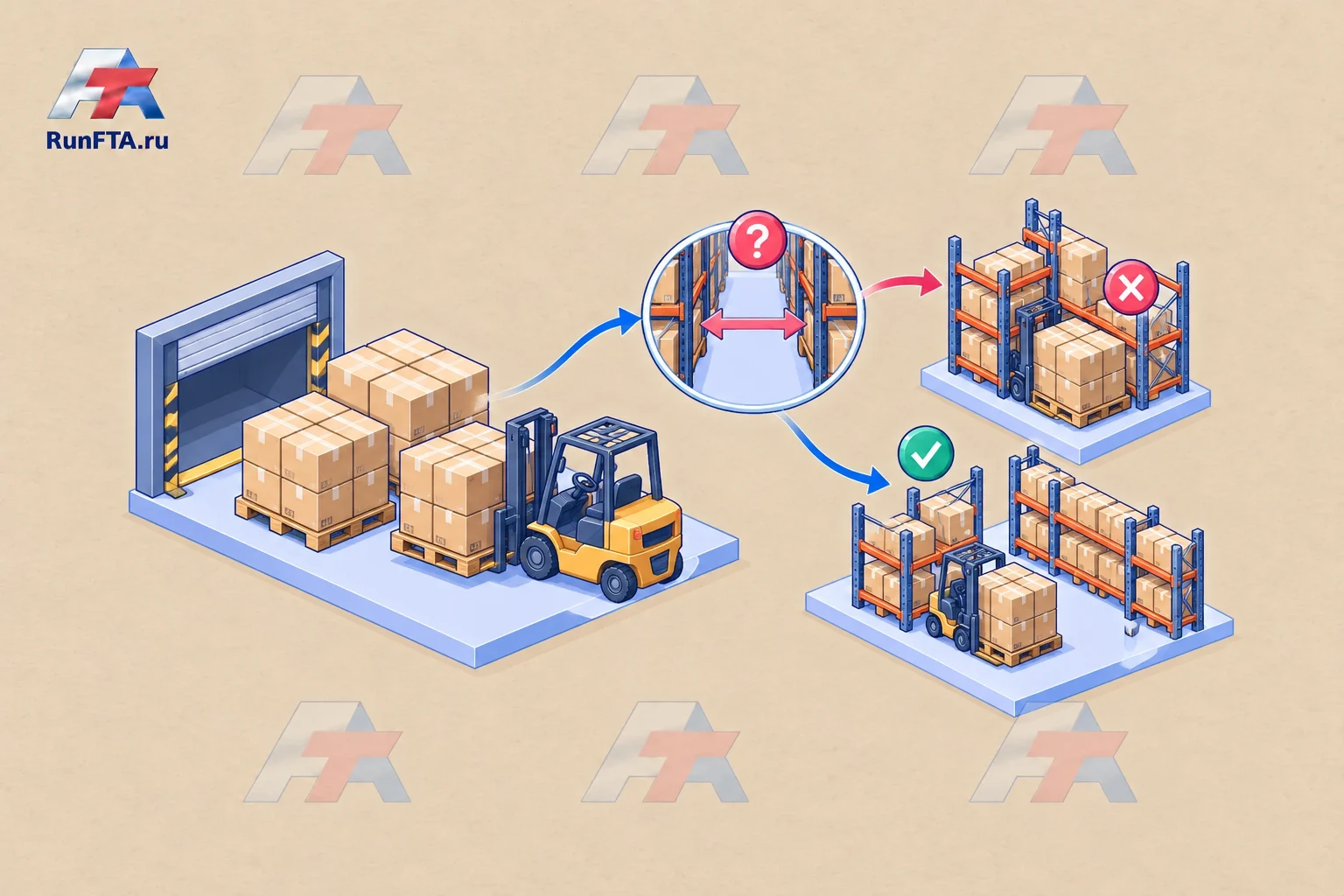
Approve the version and change control
Assign a diagram owner and a storage location for confirmations from the shipper, operator, and recipient.
Before serial assembly, verify that the warehouse uses the same version that was agreed upon.
For wooden components, use ISPM 15 applicability check.
To ensure overall readiness, link packaging to the shipment authorization within the company.
The result is a agreed cargo unit, not just a purchased pallet.
A practical management guide.
Examples are illustrative.
Check requirements and contractual terms for the specific product, country and shipment.
Internal forms do not replace official procedures.
Sources checked on 25 October 2026.