
A sales channel promise does not yet test the model
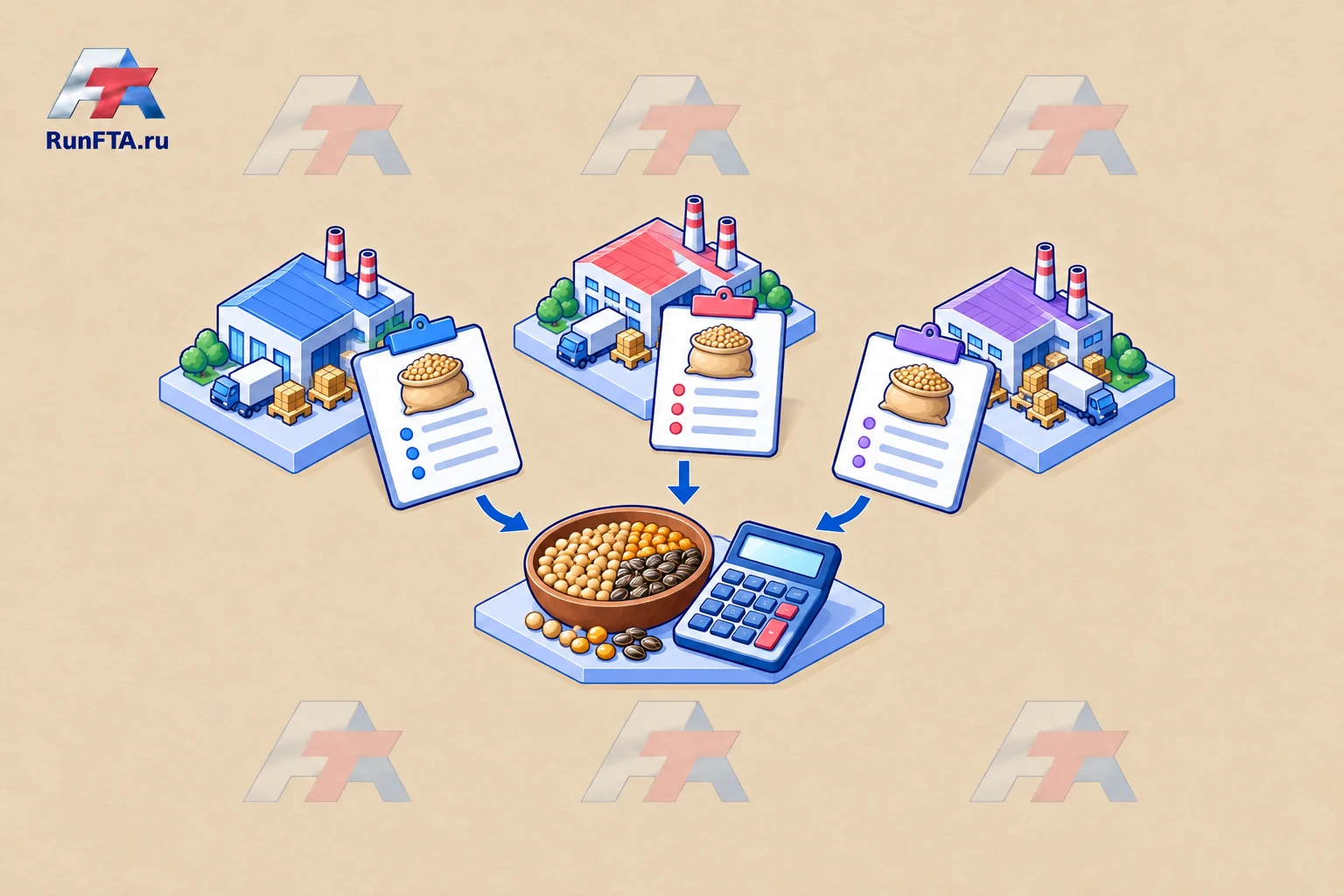
The distributor says they can sell a large volume of agro-products.
But to decide on expansion, you need data: who is buying, how the goods are received and stored, what costs are incurred, and what happens to the remainder.
The trial stage allows you to test specific assumptions with a limited supply and agreed actions.
Its conditions and the possibility of termination are formalised with legal review.
The article does not promise sales and does not replace the verification of the counterparty itself.
Let’s discuss testing the distributor model in your company
I’ll help you analyse the distributor model testing, collect initial data and evidence, identify participants and next steps.
We’ll also discuss similar challenges and related foreign trade tasks in your company.
The scope of support will be agreed before starting the work.
Determine what exactly the trial stage is testing
Select the product, territory, or channel, prospective customers, and the parties’ responsibilities.
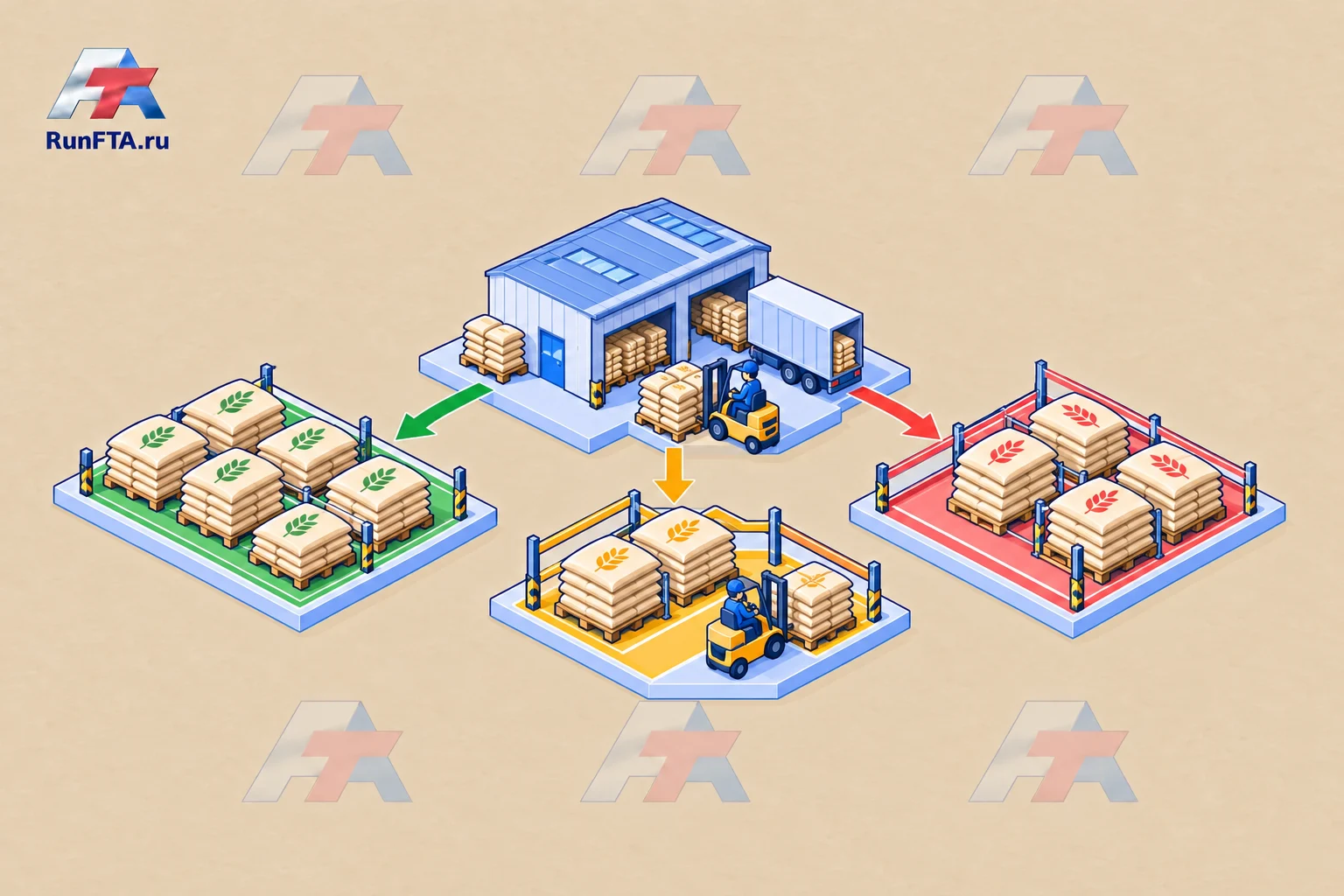
Separately, clarify warehouse capabilities, procedures for handling remainders, promotion, and feedback transmission.
Do not refer to shipment to the distributor as proof of sale to the end customer.
The Canadian export guide suggests evaluating intermediaries and considering a limited trial period.
Here, the management idea of testing is used, not a Canadian contract or a promise of government service availability.
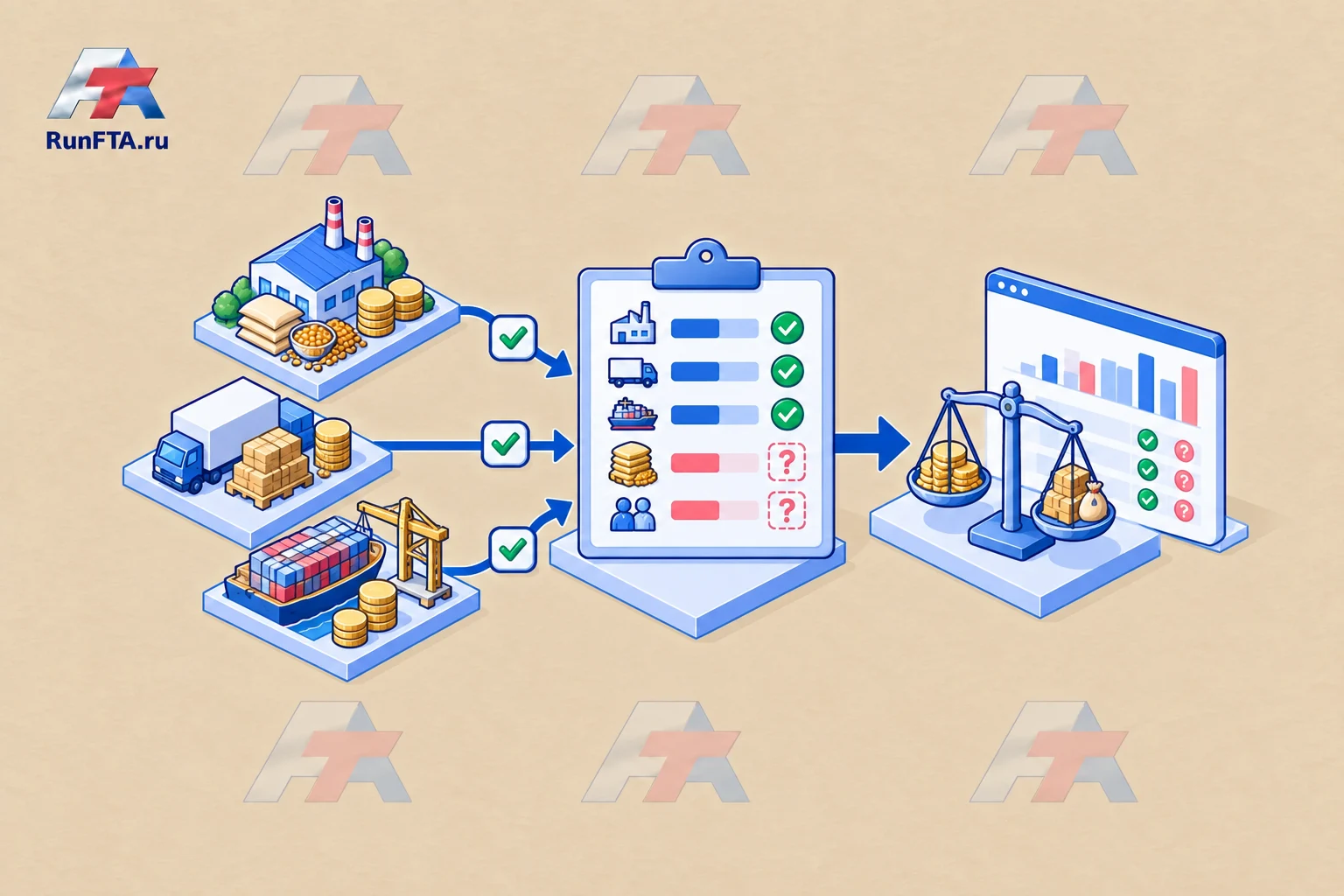
Model testing plan
The table is a training example for negotiations.
| Hypothesis | What to observe |
|---|---|
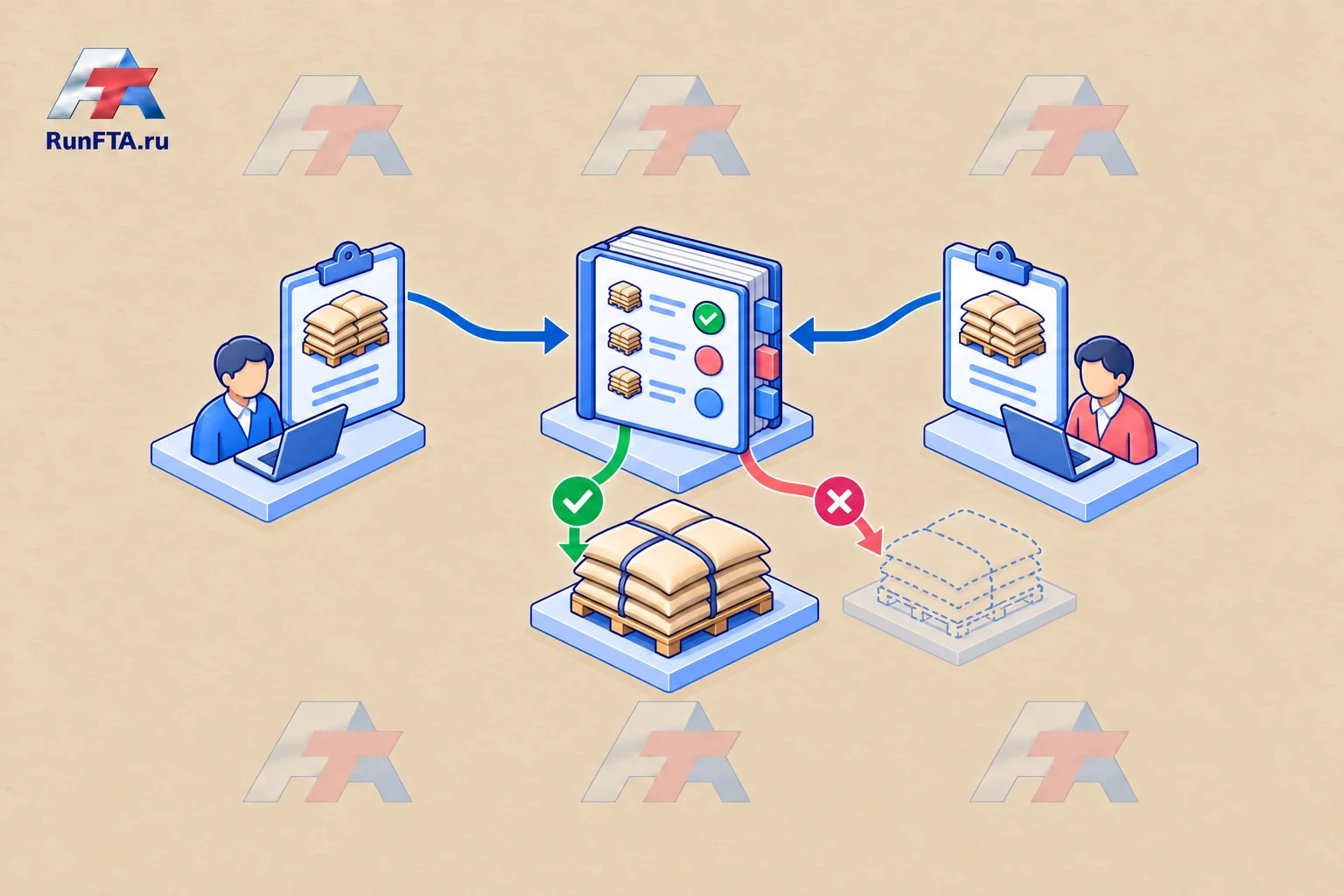
| There is a suitable channel | Confirmed inquiries and feedback |
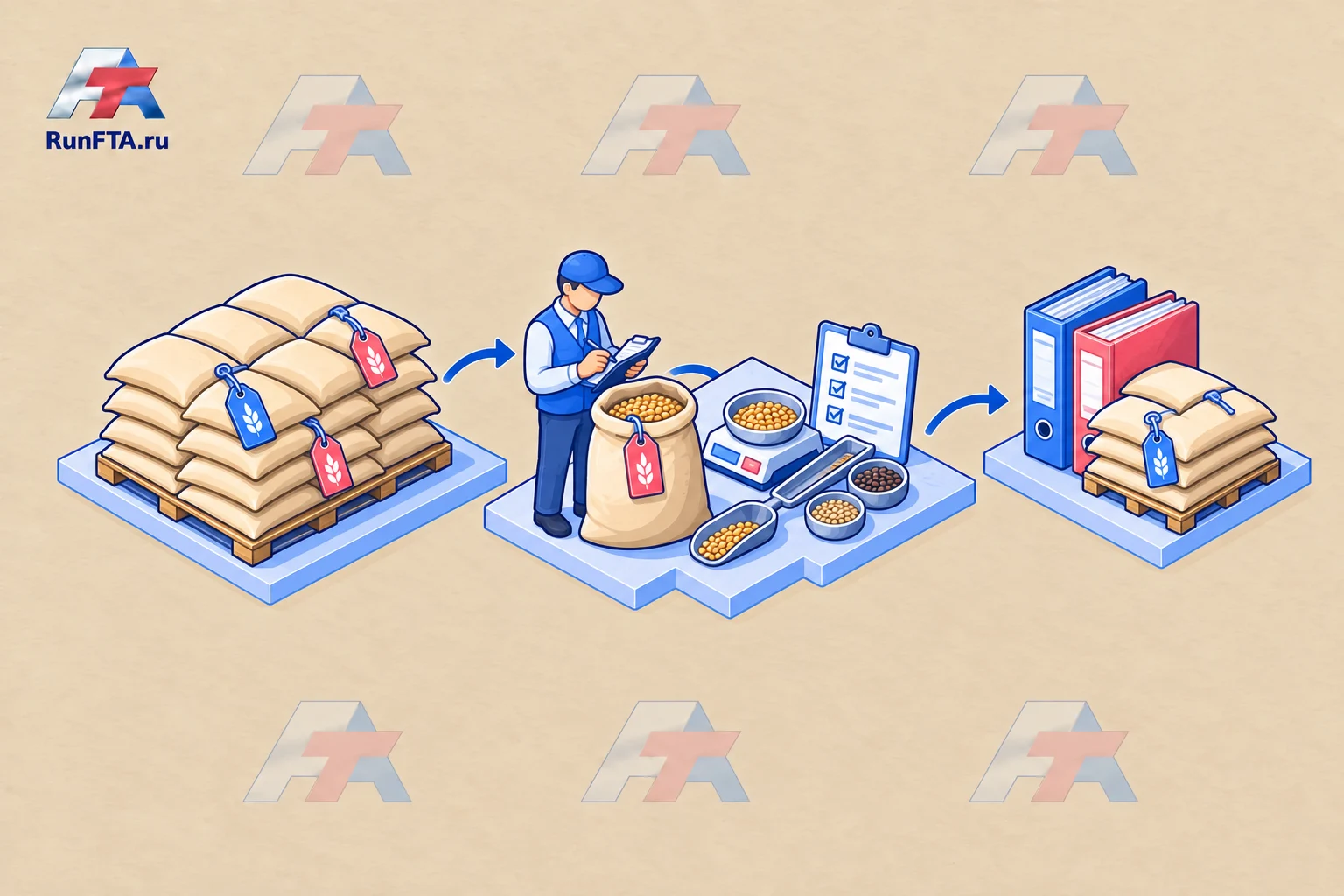
| The product is accepted | Result of agreed acceptance |
| The economics work | Actual costs and payment terms |
| The remainder is manageable | Inventory movement and status |
| Participants fulfil tasks | Confirmation of agreed actions |
Do not set a universal deadline or volume.
The limitation is chosen based on the product, season, and cost of testing, while legal consequences are agreed separately.
Compare shipment, sales, and payment
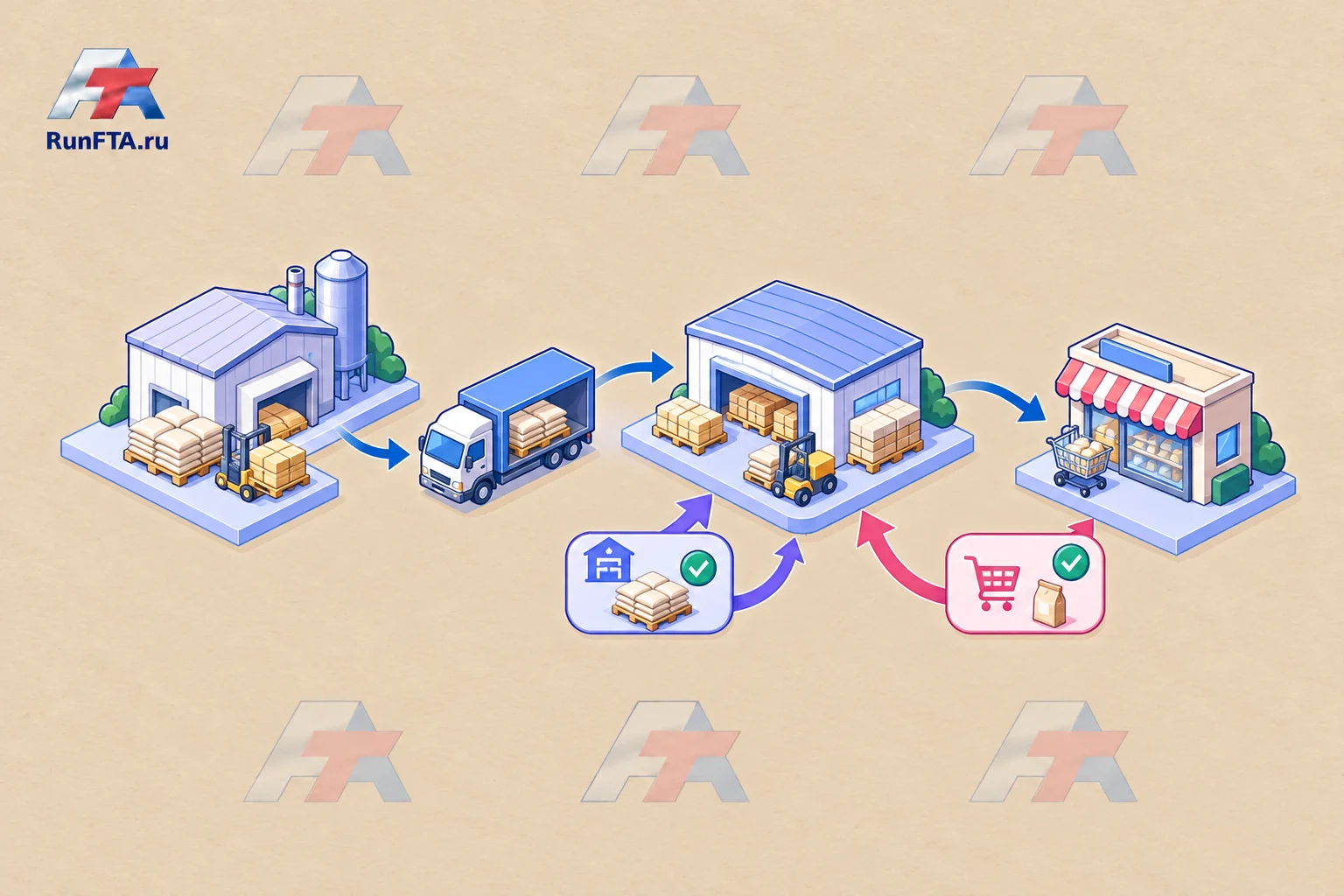
Illustrative scenario: the distributor received the entire trial batch, but some goods remain in the warehouse.
You cannot present the shipment volume as proven stable demand.
Find out what has been sold, who has access to this information, and what conditions for its transfer have been agreed.
If there is no data, record the limitation instead of projecting growth.
Do not expand obligations based on a single successful contact or a general promise of exclusivity.
Exclusive rights and competition restrictions require separate verification.
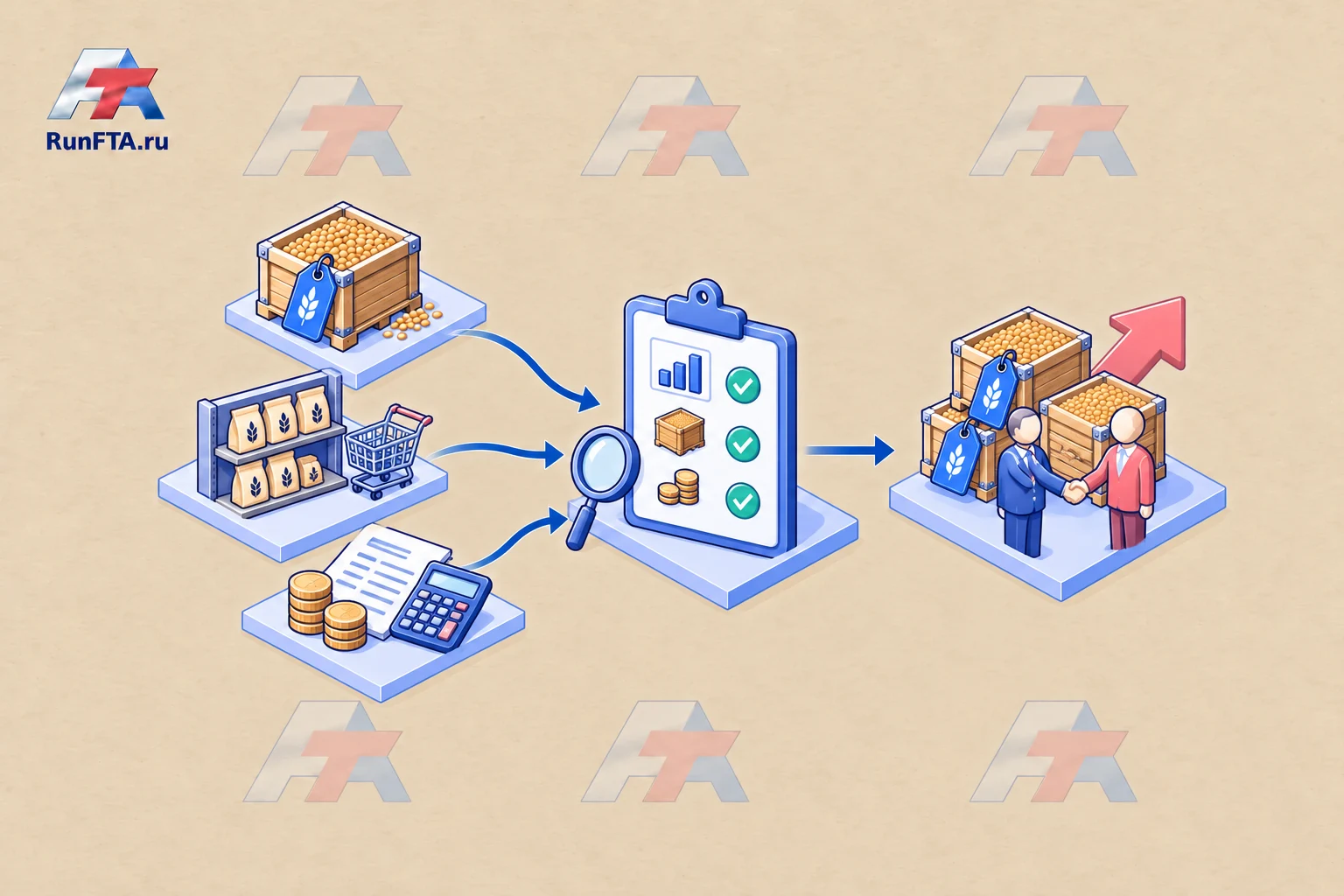
Make a decision based on the test results
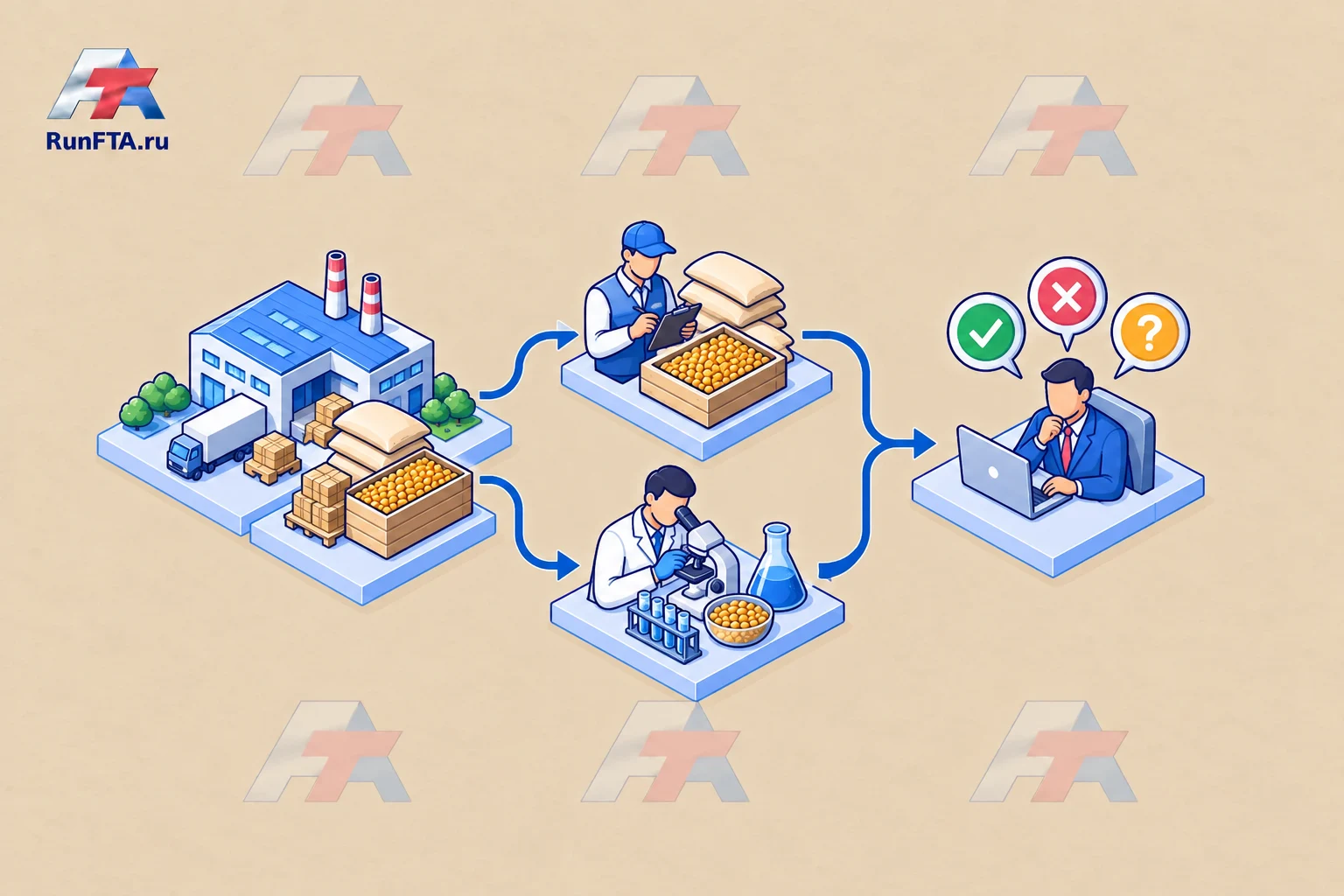
At the end of the stage, compare initial hypotheses with confirmations and open questions.
Possible decisions: refine the model, conduct additional testing, expand the volume, or terminate the cooperation under applicable terms.
None is chosen automatically.
For the representative role, use the boundaries of a sales agent’s work.
The distributor model requires separate attention to inventory and channel economics; it cannot be assessed by the number of meetings alone.
A practical management guide.
Examples are illustrative.
Check requirements and contractual terms for the specific product, country and shipment.
Internal forms do not replace official procedures.
Sources checked on 25 October 2026.