
An Alternative Rate Does Not Mean a Ready Route
The main transportation option has become unavailable.
There is an offer from another operator in the archive, but it relates to the previous volume, packaging, and date.
It cannot be called a ready backup until the conditions for a specific shipment are verified.
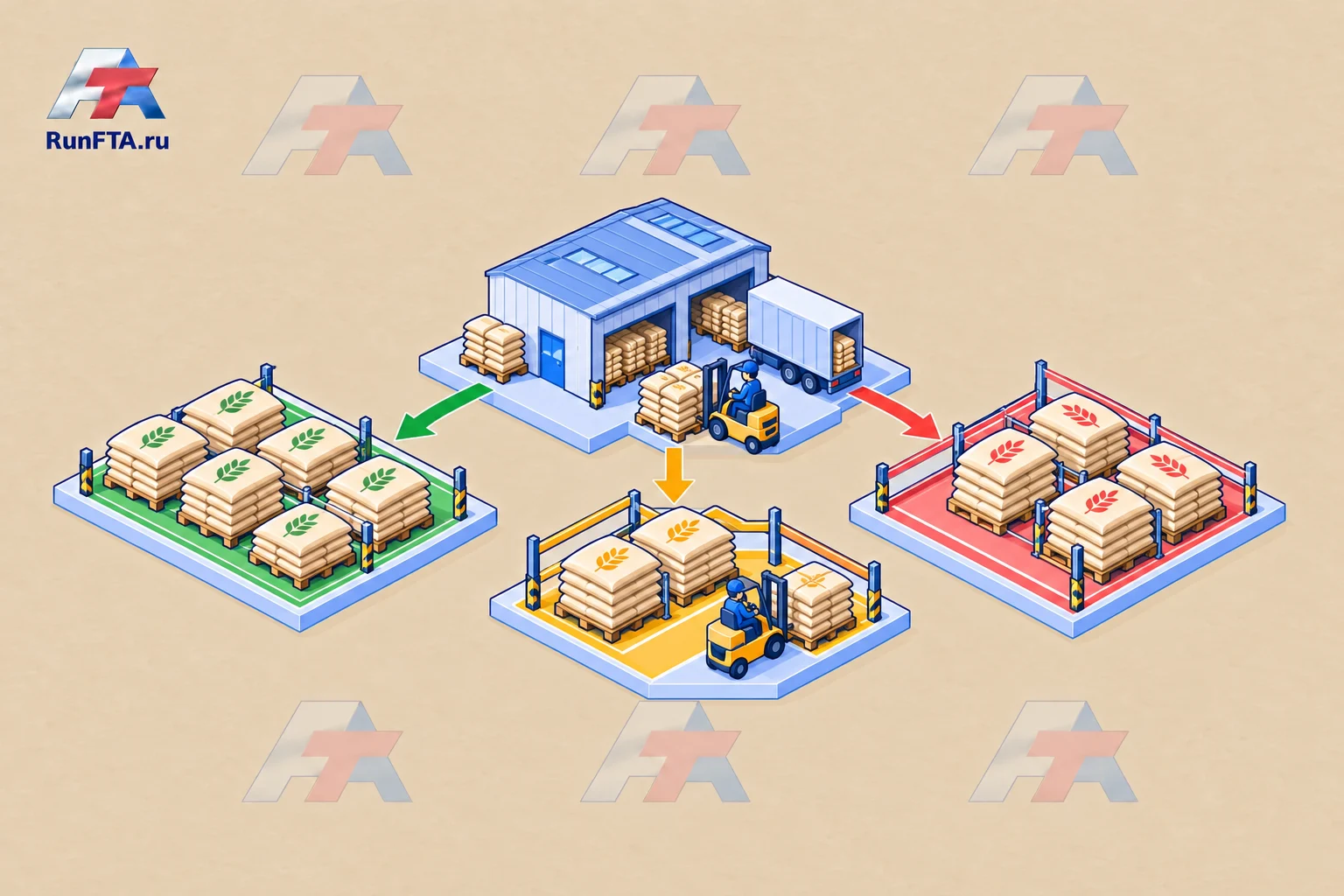
The backup plan should demonstrate confirmed capabilities and open questions, not just a nice line on the map.
It does not guarantee capacity, the opening of a route, or the acceptance of goods.
Let’s discuss the readiness of the backup route in your company
I’ll help you assess the readiness of the backup route, collect initial data and confirmations, identify participants and next steps.
We’ll also discuss similar challenges and related foreign trade tasks in your company.
The scope of support will be agreed upon before starting the work.
Verify the Same Restrictions as for the Main Option
The operator confirms the acceptance of a specific product, equipment, and operations along the route.
Relevant participants verify the applicable requirements of the countries and points of transit.
The recipient confirms the location and method of acceptance.
Compare the scope of quoted costs, transshipment, validity periods of rates, documents, and payment schedule.
Do not treat offers to different end points as equivalent.
Mark a preliminary deadline as preliminary and unconfirmed availability as an open question.
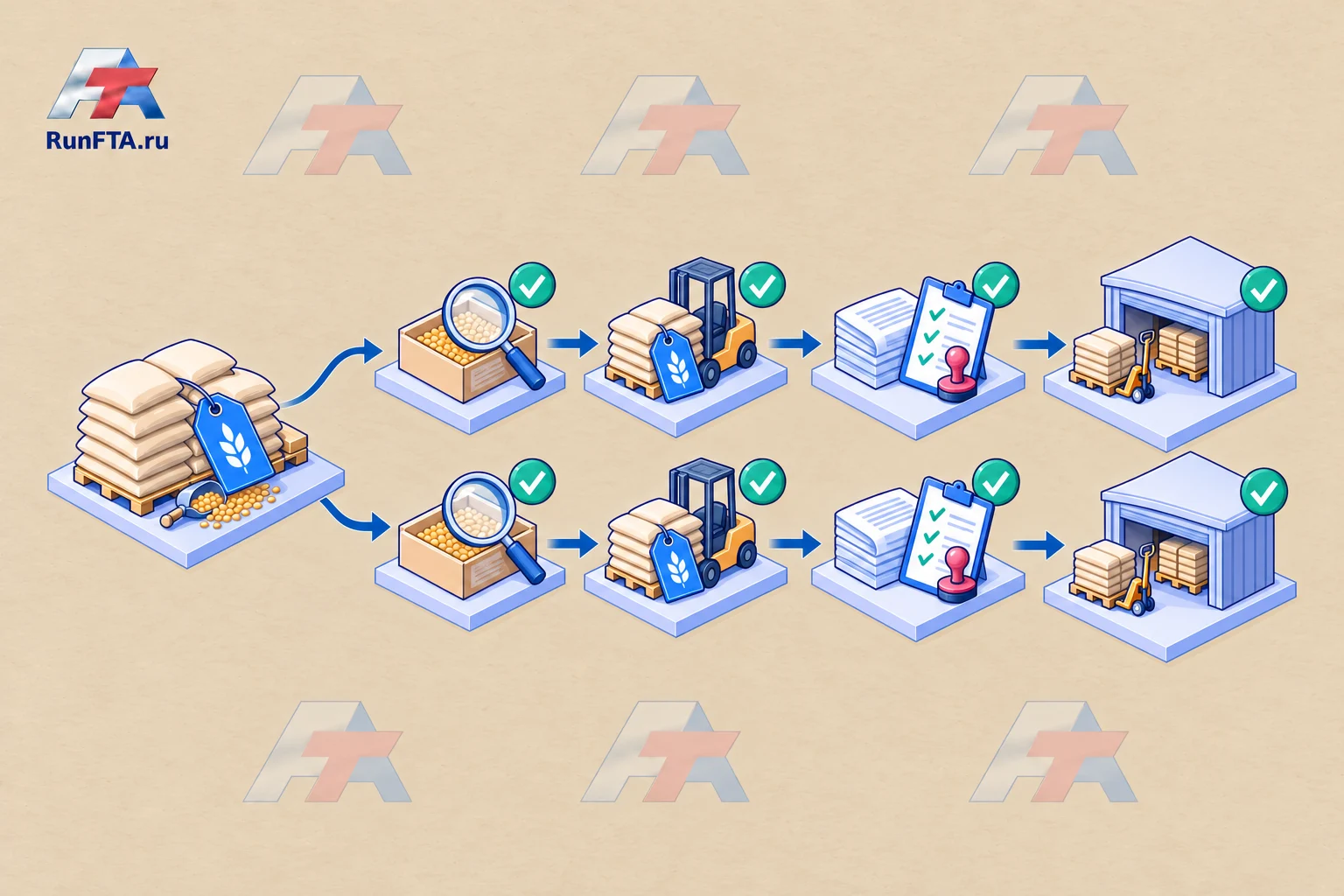
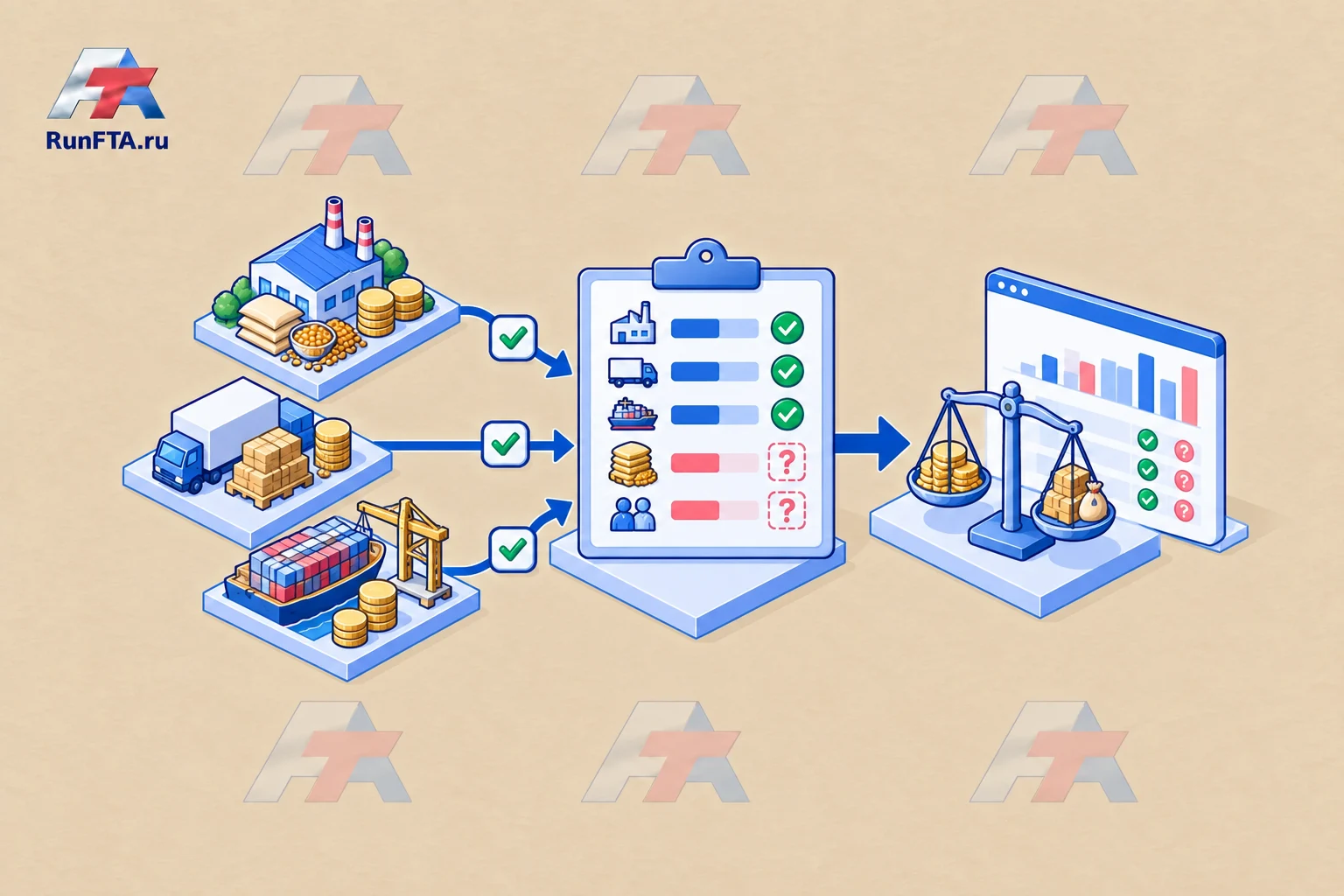
Backup Option Readiness Card
A training form does not confirm actual booking.
| Block | What Needs to Be Verified |
|---|---|
| Product | Acceptability of the specific product |
| Equipment | Suitability and availability |
| Crossings and Operations | Confirmed movement procedure |
| Documents | Changes compared to the main option |
| Recipient | Acceptance in the new configuration |
| Economics | Same cost scope and monetary dates |
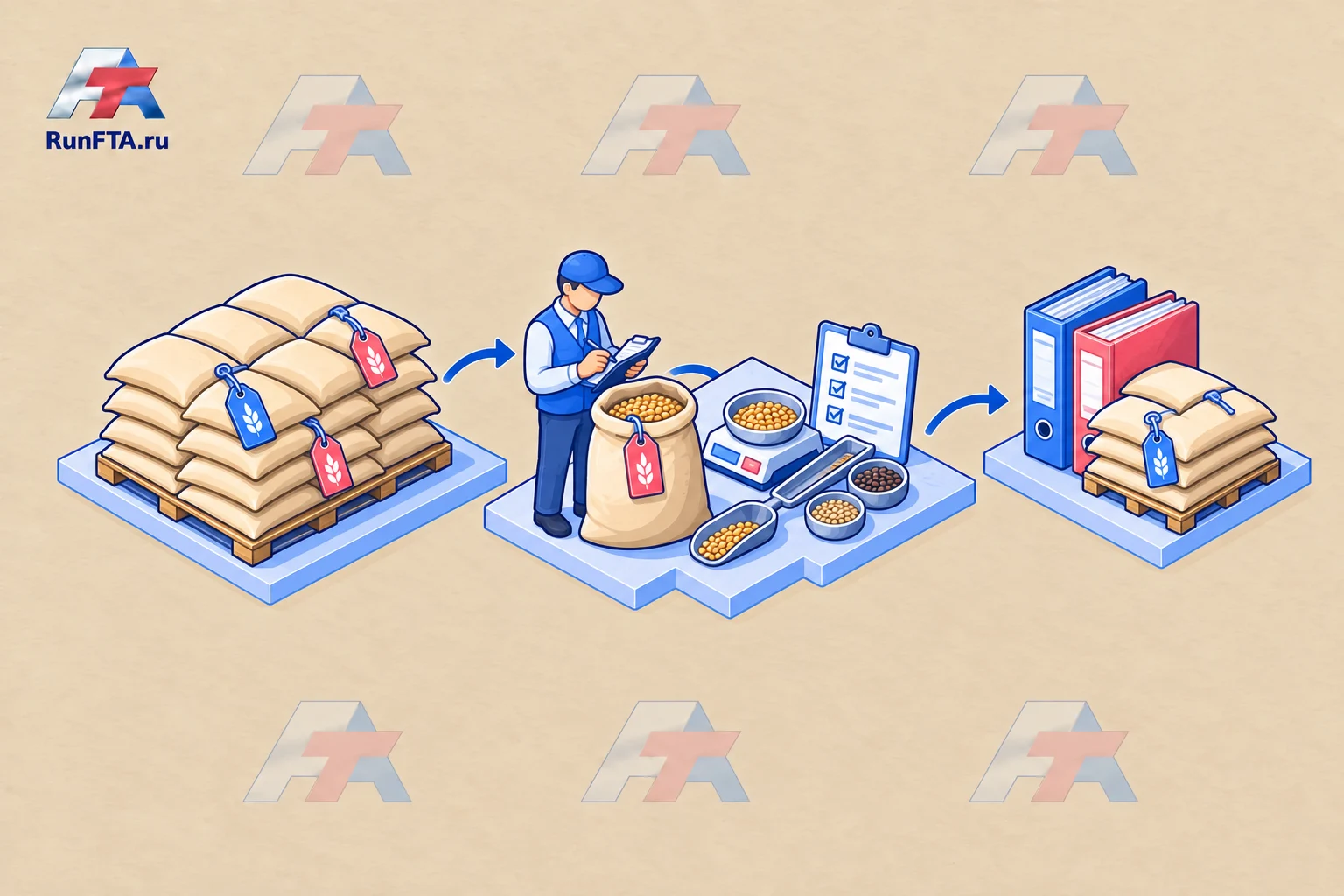
For each row, indicate the source, date, and owner.
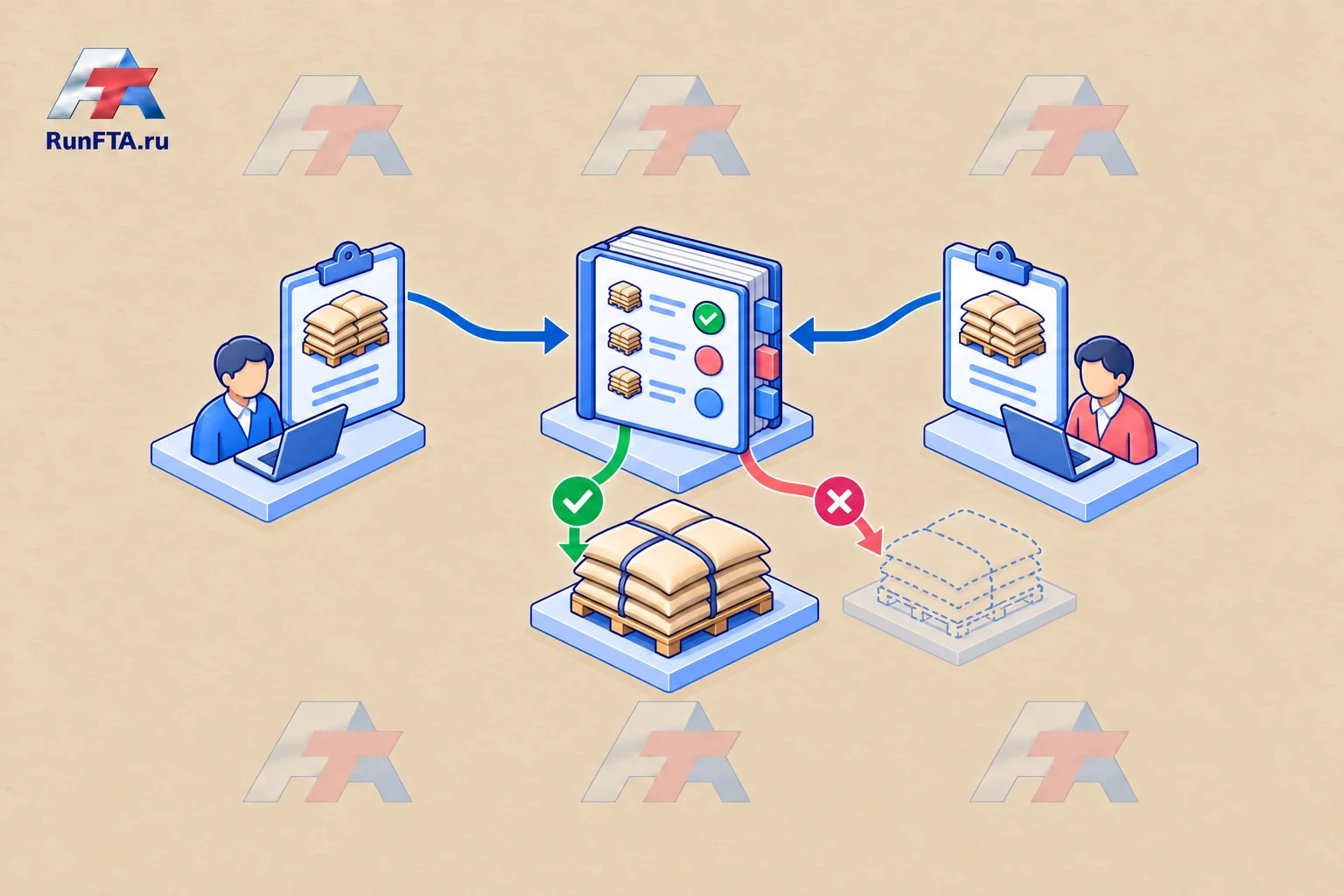
The old offer is stored as history, not as a valid confirmation.
Set Transition Conditions and Authorities
Determine who reports a failure, which signs trigger a re-check, and who approves the change.
Do not change the booking automatically just because an internal date has arrived.
First, compare confirmations and the implications for already accepted obligations.
Illustrative example: the backup operator has confirmed the transportation, but the buyer has not yet agreed on another unloading site.
This issue remains open and must be visible to the manager until resolved.
The presence of a rate does not close the entire chain.
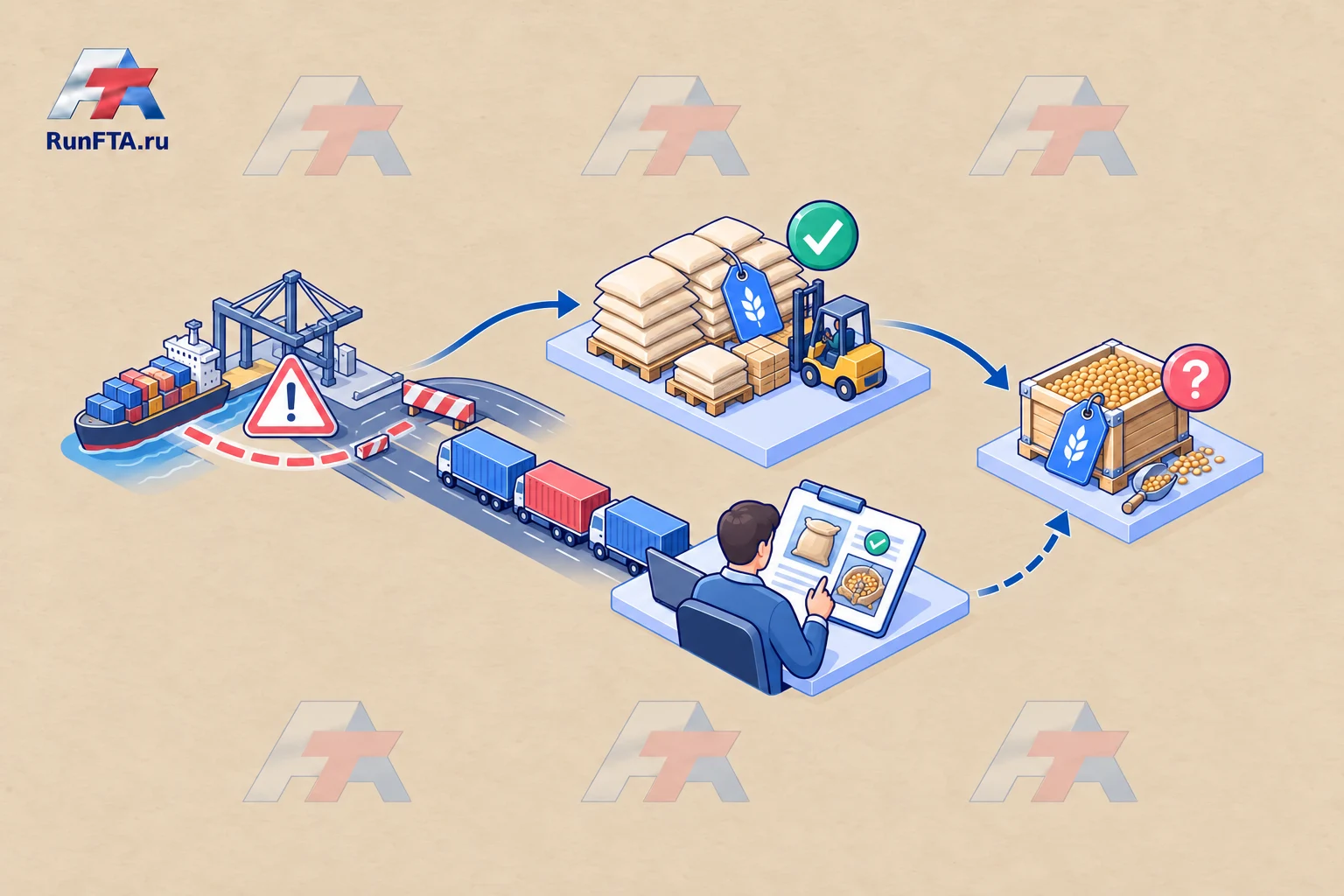
Verify the Backup Before the Season and When Changes Occur
Periodically request updates on key conditions, especially when changing the product, packaging, volume, or recipient.
The company chooses the frequency based on its situation; there is no universal validity period for the backup.
Link the costs and possible consequences of the transfer to the booking calendar.
The result is a clear degree of readiness of the alternative and a resolution procedure, not a promise of uninterrupted transportation under any circumstances.
A practical management guide.
Examples are illustrative.
Check requirements and contractual terms for the specific product, country and shipment.
Internal forms do not replace official procedures.
Sources checked on 25 October 2026.