
The Largest Revenue-Generating Client Is Not Always the Main Risk
One buyer accounts for a large share of turnover.
But the company’s dependence may be even higher in terms of open payments or goods purchased for them.
A single revenue chart does not show these differences.
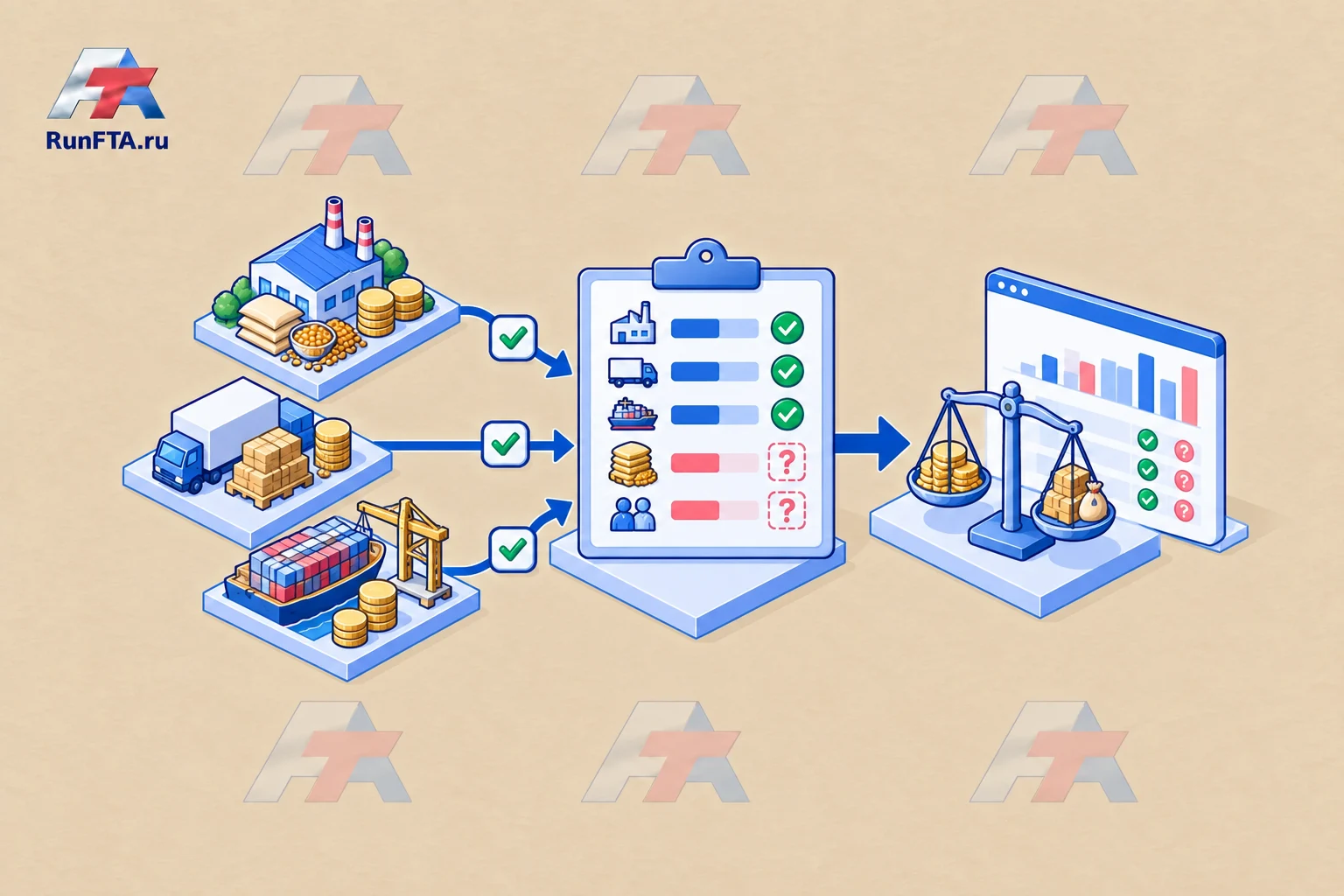
It is useful for a manager to compare several metrics by buyer: revenue, the selected contribution metric, accounts receivable, and already accepted obligations.
This is an internal concentration assessment, not a credit rating or proof of a client’s unreliability.
Let’s discuss buyer dependence in your company
I’ll help you analyze buyer dependence, collect initial data and evidence, identify stakeholders, and determine next steps.
We’ll also discuss similar challenges and related foreign trade tasks in your company.
The scope of support will be agreed upon before work begins.
Agree on a Uniform Period and Definition of Metrics
Select a period and a uniform calculation rule for all buyers.
Annual revenue and today’s outstanding debt are different snapshots—they need to be labeled.
Do not mix paid sales with future order forecasts.
Show related companies separately if such a connection is confirmed and relevant to the decision.
Multiple contracts from the same group may not provide independent demand sources.
Do not combine buyers based on assumptions: the basis for the connection should be retained alongside the data.
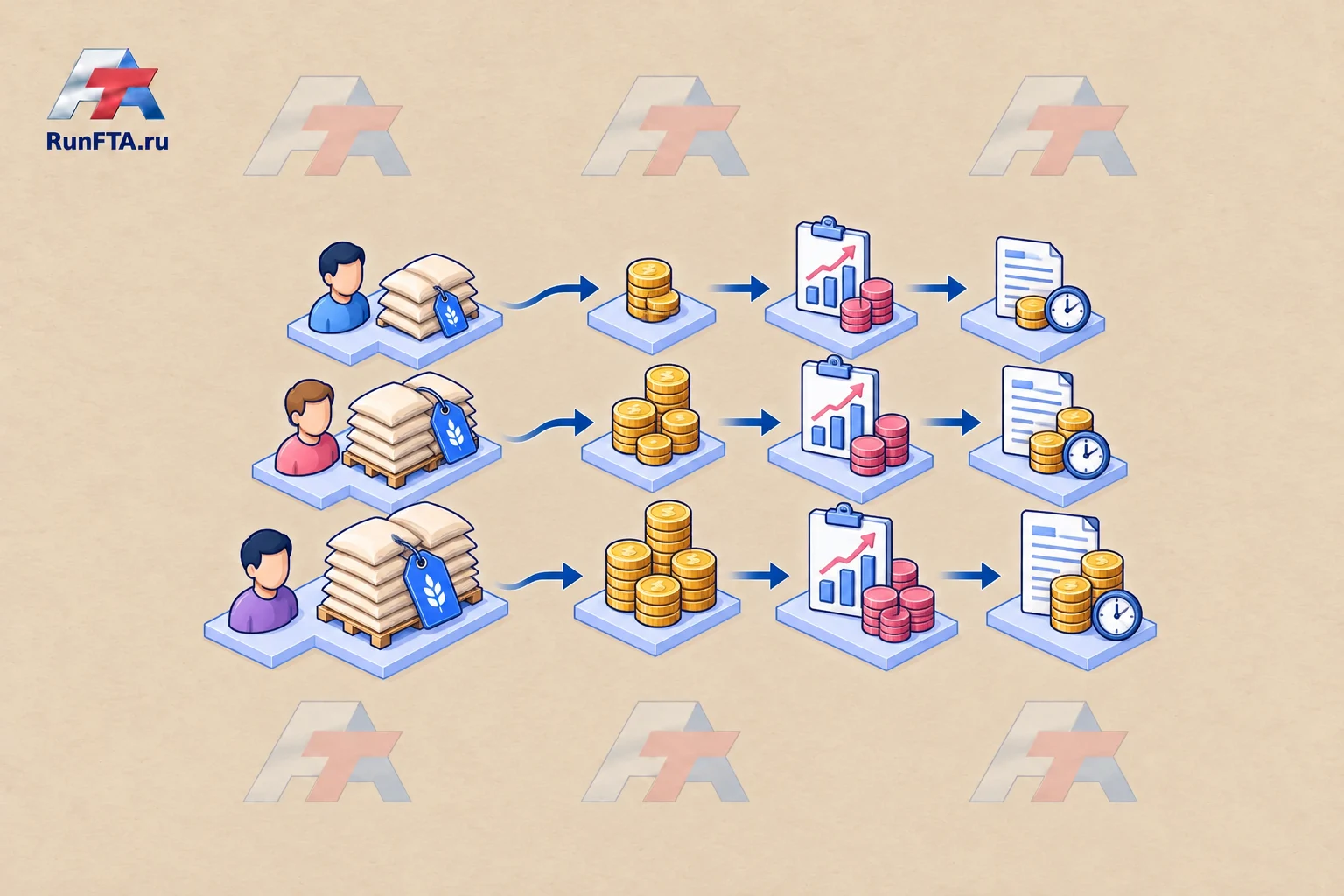
Educational Comparison of Three Shares
All values are hypothetical and in a single currency.
Contribution is the management metric selected by the company, not net profit.
| Buyer | Revenue | Contribution | Open Debt |
|---|---|---|---|
| A | 100 | 10 | 40 |
| B | 60 | 20 | 10 |
| C | 40 | 10 | 0 |
| Total | 200 | 40 | 50 |
A’s share: 50% of revenue, 25% of contribution, and 80% of open debt.
These shares answer different questions.
The table cannot be used to derive the probability of non-payment or a universally acceptable concentration level.
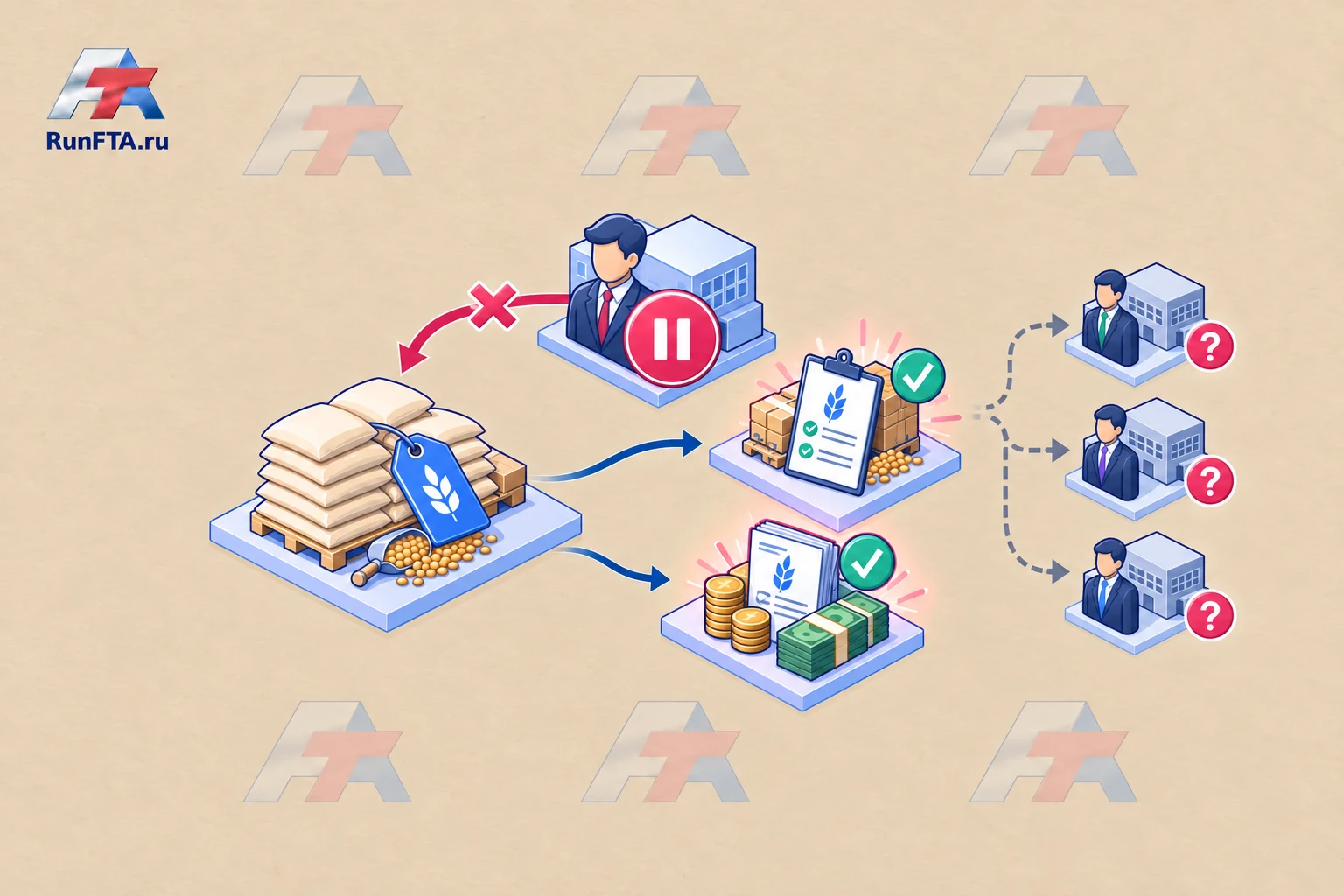
Test the Scenario of New Orders Stopping
Review what procurement, capacity, and expenses are already tied to the largest buyer.
Separately consider the absence of new orders and delays in payment for previous ones—the consequences differ.
Do not assume an alternative client is a ready replacement just because you know them.
Action options should be discussed with financial and commercial stakeholders: new obligation terms, sales distribution, and development of other channels.
There is no universal safe percentage; the decision depends on the product, contracts, and the company’s resources.
Review Dependence Before New Commitments
Submit a summary for review before a major procurement or extension of deferred payment.
Note changes in shares and their cause: growth in actual sales, decline in other clients, or accumulation of unpaid balances.
Link payment data to the accounts receivable aging register.
The goal is to see the structure of dependence and discuss manageable actions without labeling a major buyer as problematic without evidence.
A practical management guide.
Examples are illustrative.
Check requirements and contractual terms for the specific product, country and shipment.
Internal forms do not replace official procedures.
Sources checked on 25 October 2026.