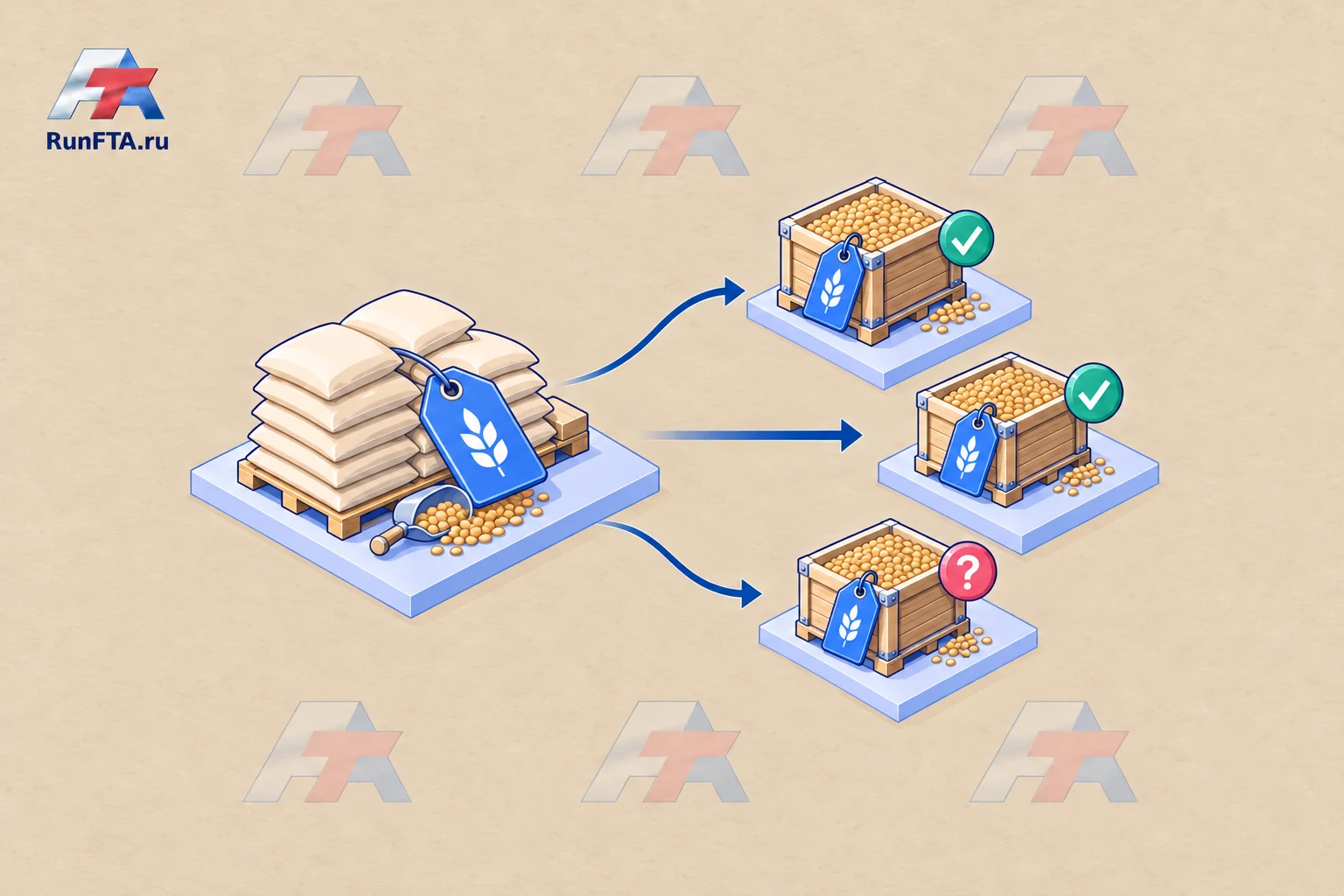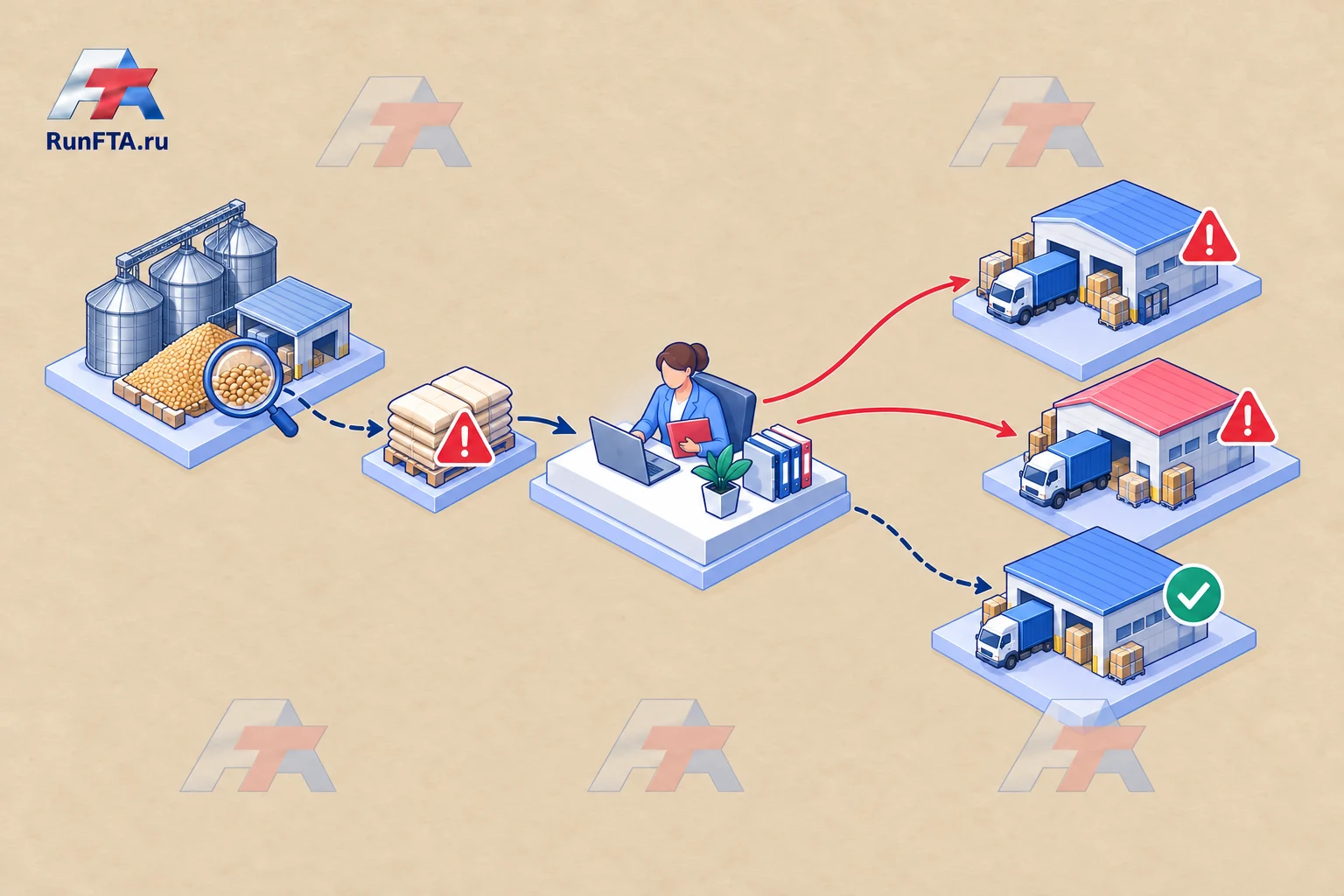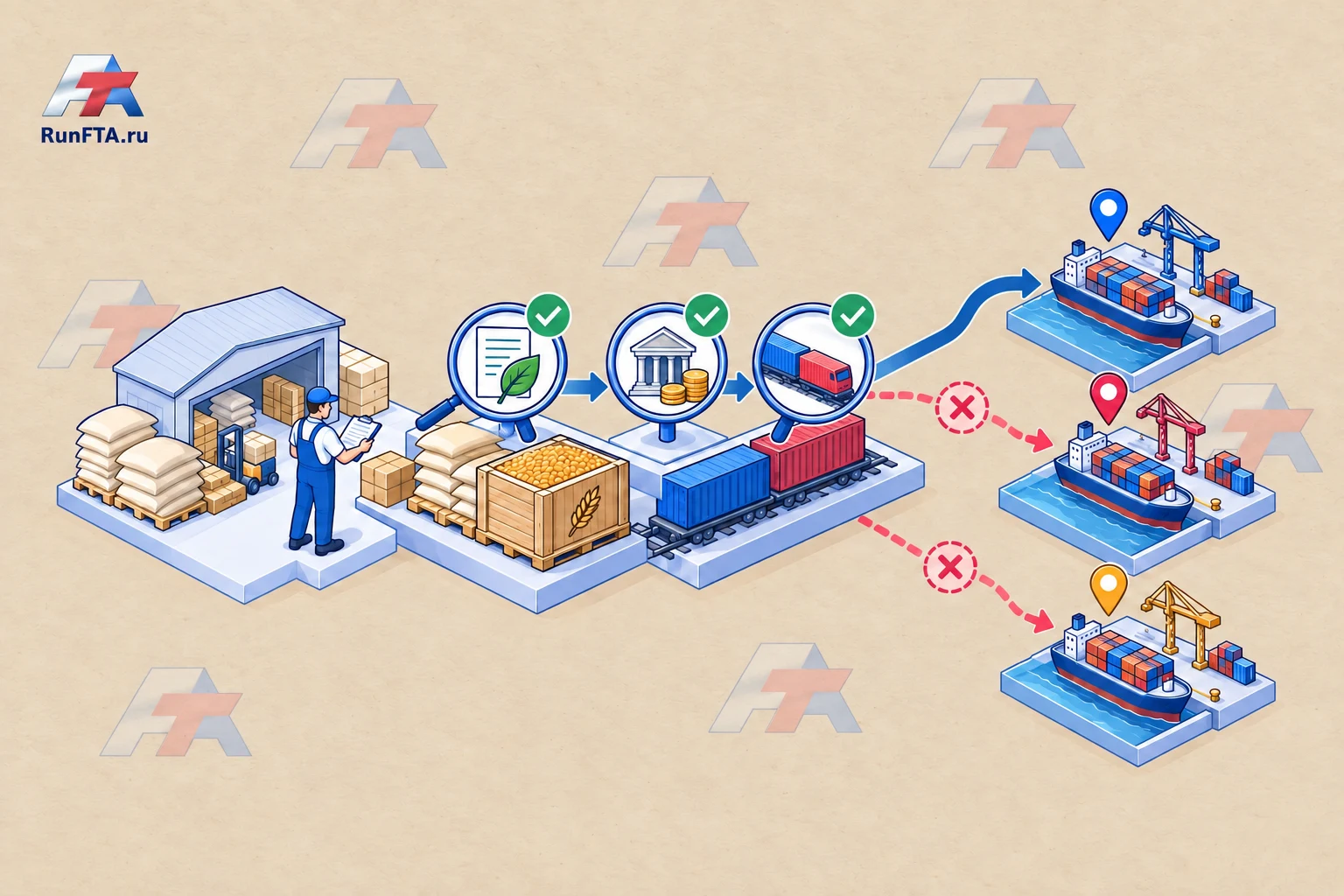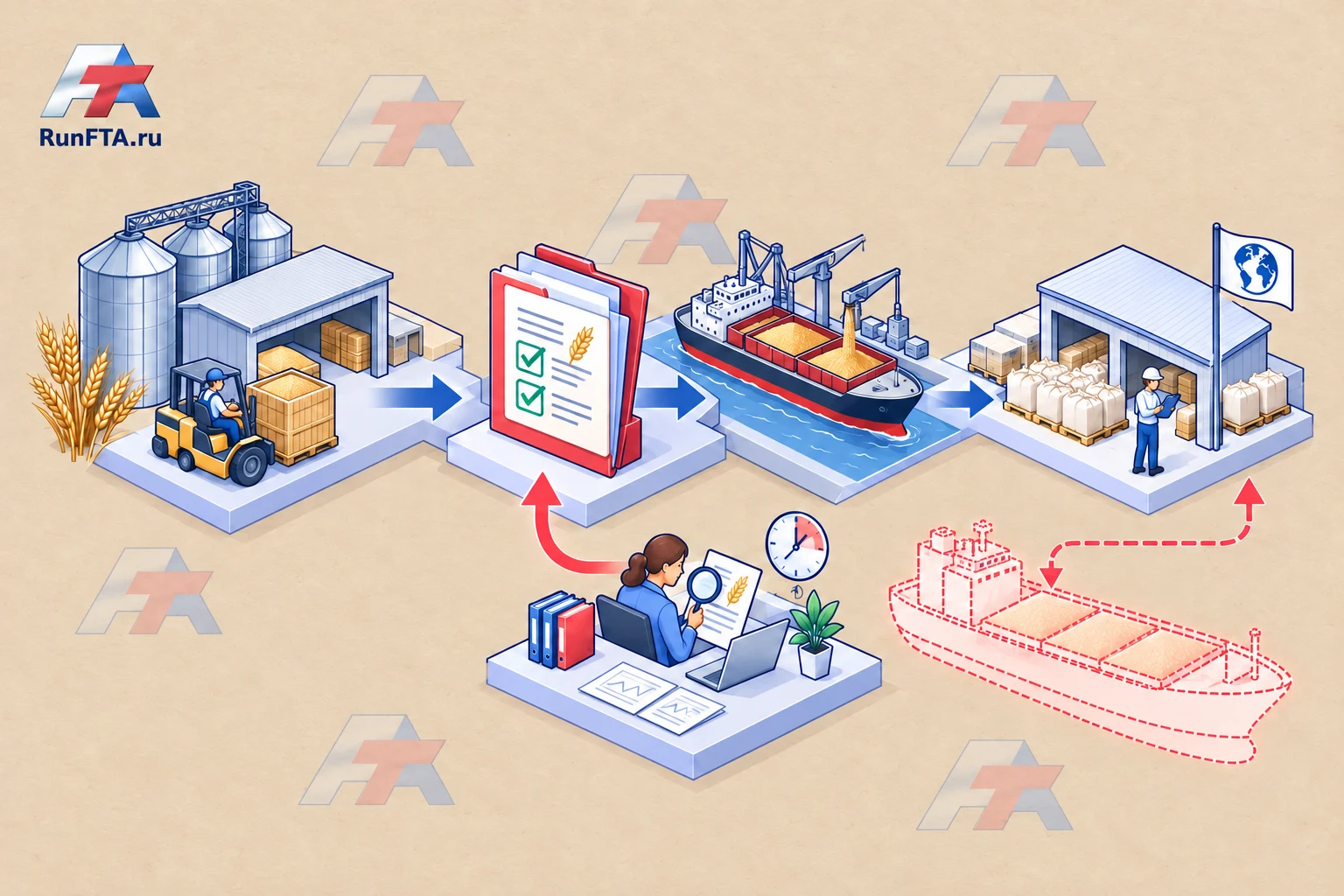

The invoice date is not always the start of the delay
The export of data on issued invoices shows the amount but does not explain when the obligation to pay arose, what has already been received, and what part is being disputed.
For an export transaction, these differences change the immediate action of the team.
The debt register should be based on the actual contract terms and confirmed events.
It helps coordinate with finance and the buyer but does not replace accounting or the legal assessment of the claim.
Let’s discuss the control of terms and settlements in your company
I will help you analyse your situation: the total debt amount hides various reasons and subsequent actions regarding customers.
We will discuss the solution to this and related foreign trade tasks in your company, the distribution of responsibilities, and immediate actions.
The scope of support will be agreed upon before starting the work.
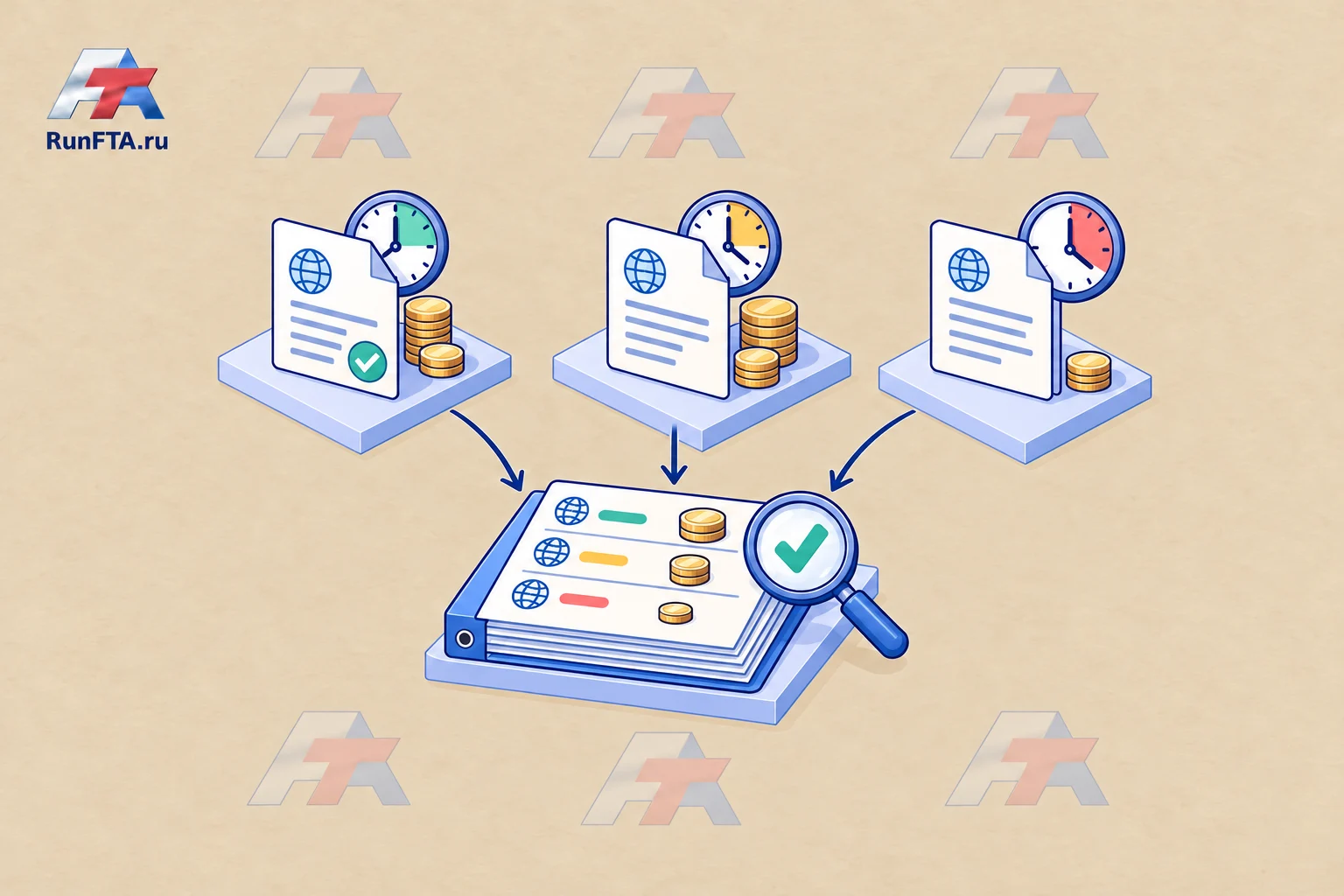
Break down the obligation into verifiable parts
For each amount, specify the basis, currency, deadline, or event on which it depends, and confirmation of the occurrence of that event.
Record the payment received, its allocation, and the balance separately.
Do not add different currencies without an explicit conversion rule.
Separate the statuses: the deadline has not arrived, payment is expected based on the fulfilled condition, there is a dispute, confirmation of the transfer has been received, the money has been credited.
A bank message and crediting to the account are not the same mark.
If the payment date is not clearly defined, first clarify the condition rather than assigning a delay based on the invoice date.
Register for a discussion with the manager
The training template does not set a credit term or collection procedure.
| Field | What to confirm | Owner |
|---|---|---|
| Basis | Contract, delivery, document | Coordinator |
| Term | Date or condition and its occurrence | Finance and relevant specialist |
| Receipt | Amount, currency, date of crediting | Finance |
| Dispute | Subject and confirmations | Designated participant |
| Next step | Action, responsible party, control | Process manager |
Illustrative scenario: the buyer has paid part of the amount and is disputing the other.
The register reflects both parts separately.
The wording ‘the client is not paying’ loses the information necessary for the solution.
Do not mix bank delays and disputes over goods
For a bank-related issue, you need information about the transfer and interaction with the bank.
For a quality dispute, you need contract terms and product confirmations.
If there is no agreed deadline, review the contractual condition.
One reminder template does not solve all three situations.
Do not promise to receive funds by a chosen date without a basis.
Foreign financial products from the Trade Finance Guide serve as examples of tools, not as confirmation of their availability to a Russian company.

Check risk changes, not just the total balance
Include new delays, changed promises, disputed amounts, and actions without an owner in the regular review.
Keep the history of agreements alongside the basis of the debt.
Linking documents and payments will be facilitated by a deal card in CRM.
The useful outcome of the review is an agreed next action for each significant amount, not just a debt ageing chart.
A practical management guide.
All examples are illustrative.
Check applicable requirements and terms for the specific product, country and contract.
Sources checked on 24 October 2026.