

Provide Employees with a Clear Decision Process
The carrier requests approval for an additional cost, but the employee is unsure whether they can approve it themselves.
The owner receives a ‘urgent payment required’ message without seeing the rationale or alternatives.
Before the next supply, agree on internal procedures: which decisions the employee can make independently, which must be escalated to the manager, and who can substitute the approver.
This is a management setup for your company, not a universal foreign trade norm.
A monetary threshold is only useful when paired with a clear description of authority.
Requesting an invoice, approving a service, amending a contract, and making a payment are distinct actions.
Need a clear cost approval process?
I’ll help gather participants, standard requests, and decision-transfer points to the manager.
Your company will approve the authority and limits.
Additional Cost Record Card
For each request, record the supply, contractor, service, period, amount, currency, basis for the charge, source, and response deadline.
Also indicate the status: assessment, issued invoice, disputed amount, or confirmed obligation.
The manager needs three options: approve the proposed action, select an alternative, or delay the decision.
For each option, describe the known implications for the goods, timelines, and other obligations.
Avoid substituting invoice verification with the phrase ‘or everything will stop.’
Ask the contractor for a specific event and time after which the situation changes.
If no response is received, document the gap.

Conditional Thresholds and Protection Against Fragmentation
Hypothetical example: a company allows an employee to approve certain additional services up to 100 hypothetical units per supply.
Two related requests of 70 units each total 140 units, so internal rules require a higher approval level.
The 100-unit threshold is not a recommendation or market standard.
Define how related requests are aggregated, who tracks already approved decisions, and in which currency the threshold is calculated.
Otherwise, multiple small approvals may conceal the total cost.
Some matters require separate approval regardless of amount—for example, changing the payment recipient or contract terms.
The company must approve such exceptions with its financial and legal teams.
Set a Decision Deadline and Substitute
In the request, specify the deadline for a response and the basis for that timeline.
If the manager is unavailable, the employee follows a pre-defined escalation path rather than improvising authority.
Do not treat silence as consent.
Document who received the question, what the contractor reported, and what action was actually taken.
After approval, preserve the version of the amount and terms.
If the contractor modifies the proposal, verify whether the prior approval covers the new value.
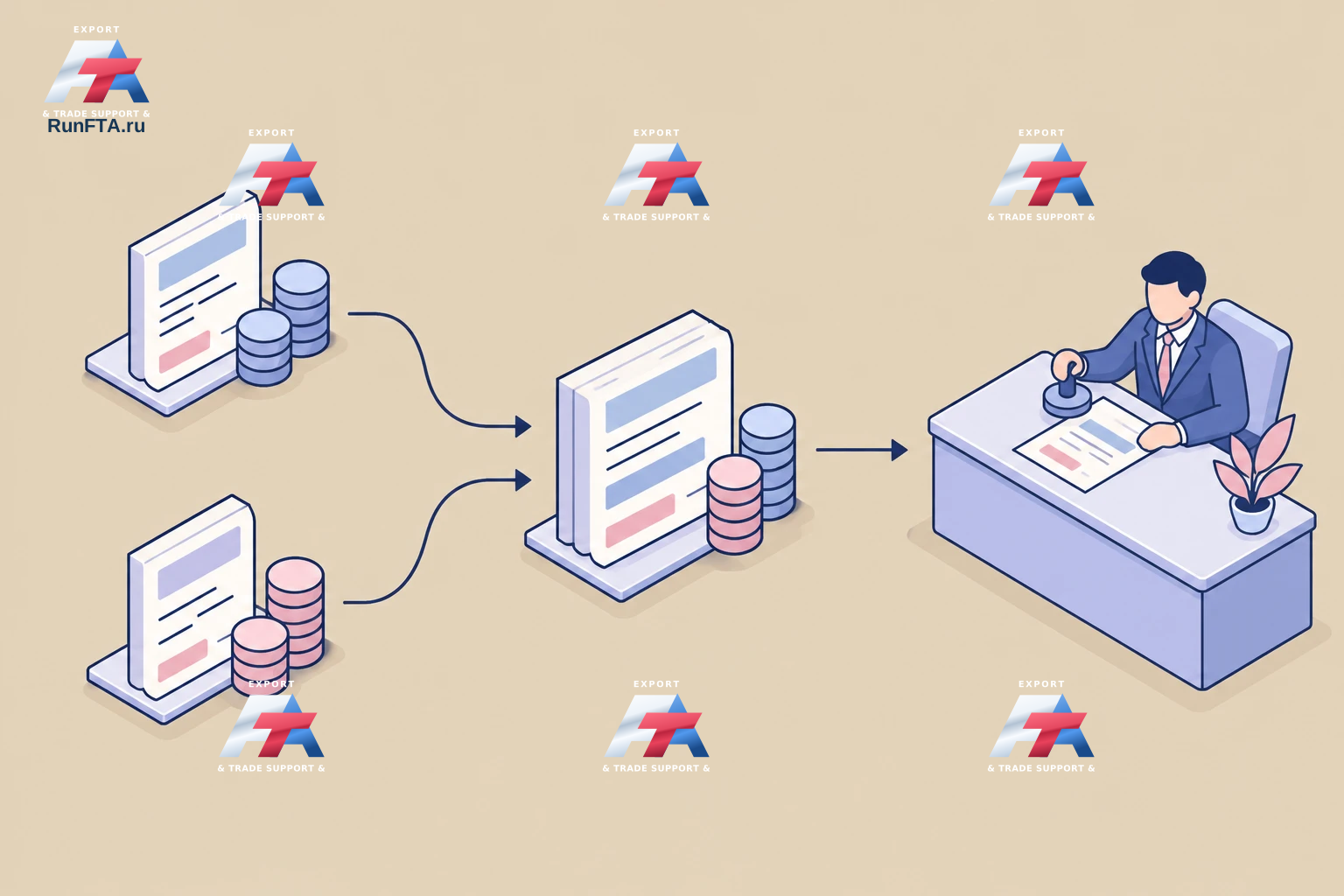
Verify the Outcome Against the Original Request
When closing the supply, compare the approved service with the final invoice and proof of execution.
Record the reasons for deviations and decisions for the next supply.
For detailed cost verification, use forwarder invoice reconciliation.
The goal here is to map the decision route before the cost arises or is confirmed.
Need a clear cost approval process for the foreign trade team?
I’ll help gather participants, standard requests, and decision-transfer points to the manager.
Your company will approve the authority and limits.
Suggested management workflow.
Examples are hypothetical.
Authority, contractual terms and mandatory procedures must be checked for the specific transaction; overseas guidance does not establish Russian legal requirements.
Reviewed 27 October 2026.