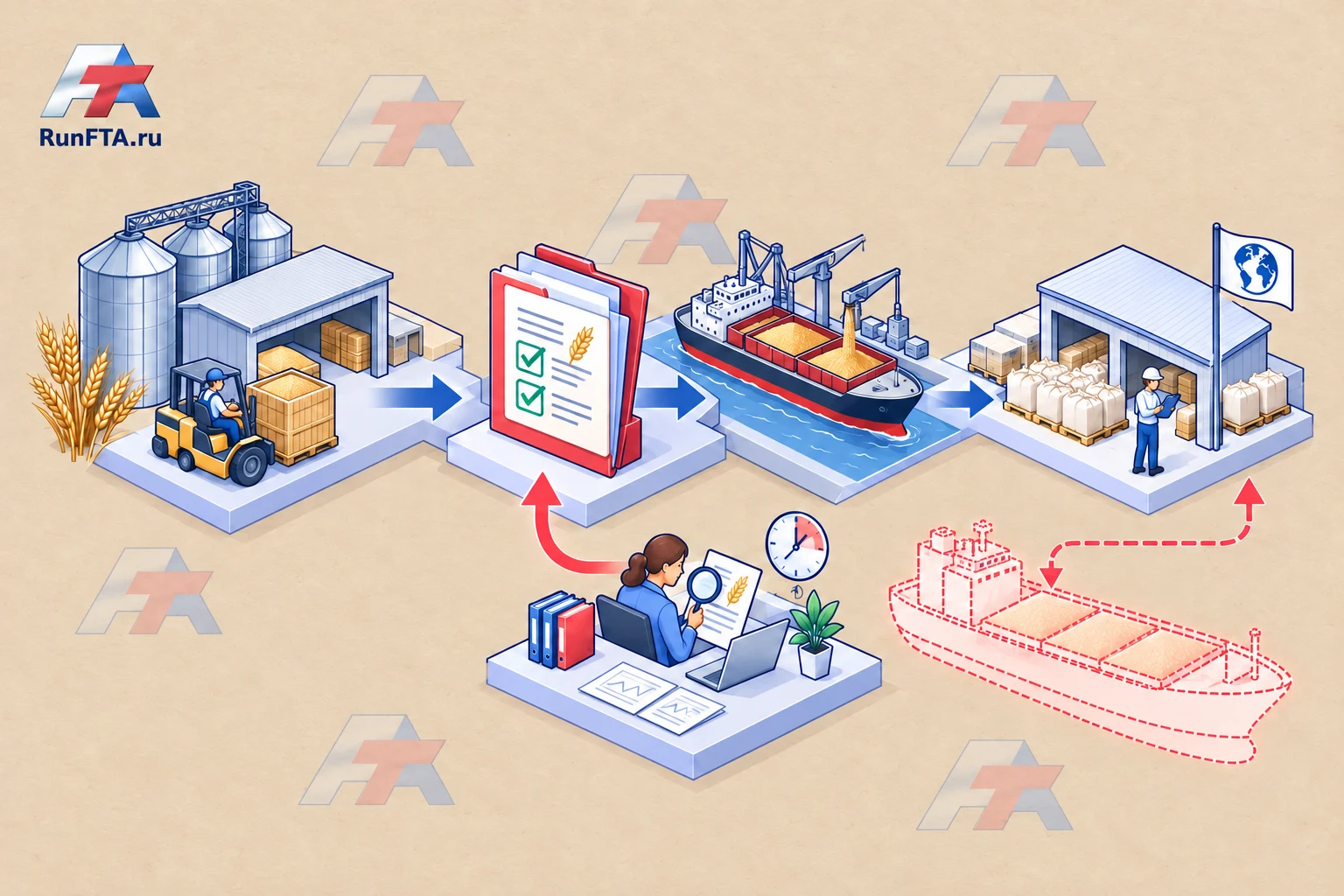

The Shipment Is Complete, but the Cause of the Failure Has Not Yet Been Established
The goods have been delivered, the correspondence has been closed, and the team only remembers that the documents took a long time to prepare.
If the next order starts with the same source and distribution of responsibilities, discussing the past did not change the process.
A short review is needed for one verifiable change.
It separates the observed event from the assumption about the cause and helps to assign an action that can be verified on the next comparable shipment.
Let’s discuss the foreign trade team’s work in your company
I’ll help you analyze your situation: after a shipment, people discuss who is to blame, but they do not change the process or verify the result of the correction.
We’ll discuss solutions to this and related foreign trade tasks in your company, the distribution of responsibilities, and next steps.
We’ll agree on the scope of support before starting work.
Restore the Chain Using Confirmations
Gather the plan, actual events, current versions of documents, and messages that explain the decisions.
Select a significant deviation and describe the consequence.
Then formulate a hypothesis about the cause and indicate what you do not yet know.
Do not start with naming the person to blame.
A file error may be related to an incomplete source, a change in conditions, or a lack of version control.
Each version requires confirmation.
ISO principles on improvement and data-driven decisions are useful as a guide; this review does not prove process certification.
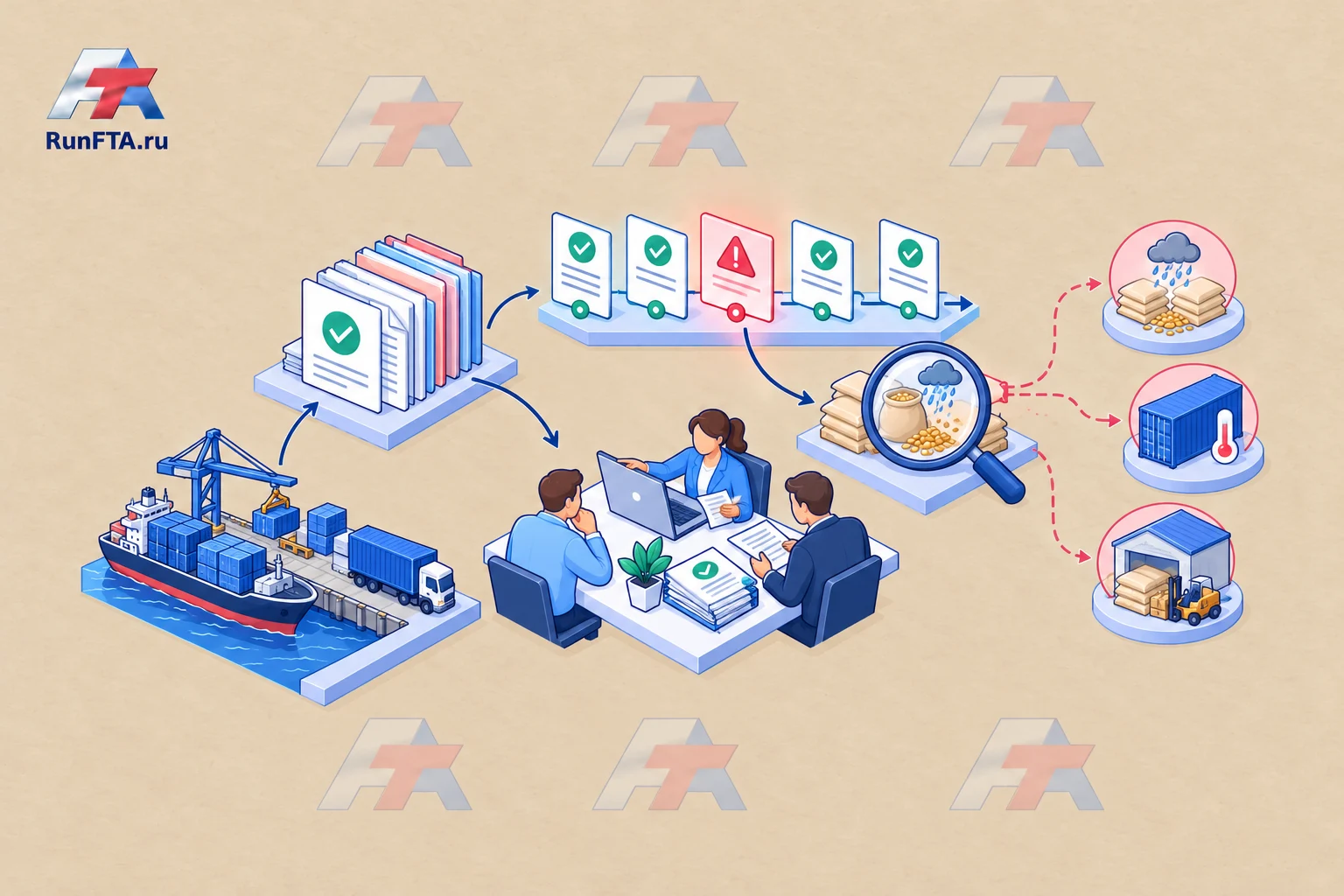
Card of One Change
All entries are for training purposes.
| Element | Training Entry | What to Verify |
|---|---|---|
| Event | A cancelled edition was sent | File and transmission message |
| Consequence | Re-verification was required | Actual actions |
| Hypothesis | There was no single link to the current file | Version history and access |
| Change | Introduce a register of current editions | Owner and update procedure |
| Verification | The next comparable batch | Recipients used the correct version |
If there is insufficient evidence, first assign the collection of evidence.
Do not turn an assumption into an approved cause just to close the card.
Evaluate the Change Along with Side Effects
New controls may reduce errors but create a queue for one reviewer.
Therefore, on the next batch, look at both the original problem and the additional workload.
Do not attribute the success of one shipment solely to the new rule: the product, participants, or complexity may have changed.
Compare the circumstances and maintain the limitations of the conclusion.
If the problem recurs, refine the hypothesis instead of automatically increasing reporting.
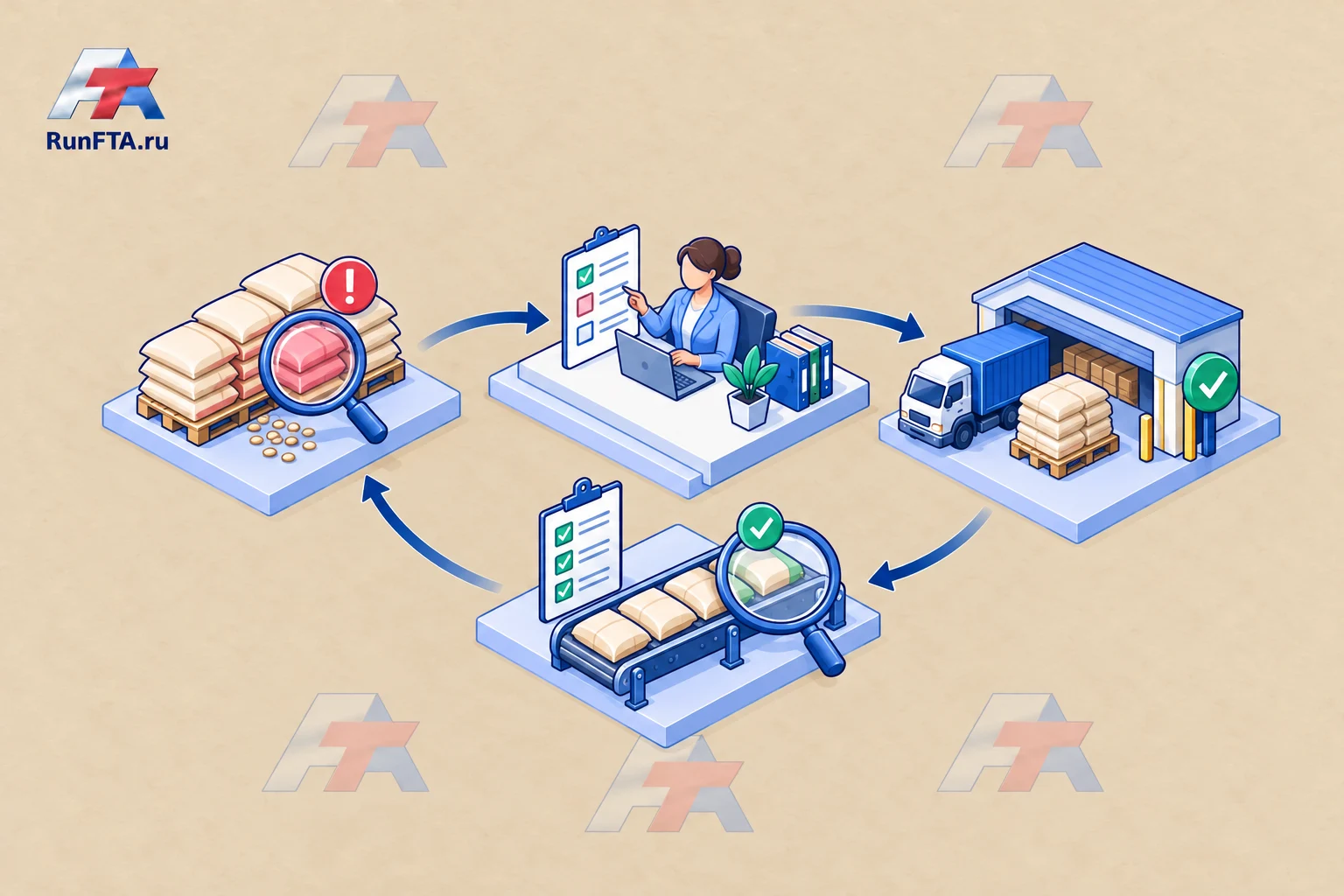
Close the Review Only After Verification
Each change must have an owner, the next step, and a verification condition.
If the next comparable shipment has not yet taken place, the status remains ‘implemented, effect not verified’.
The history can be linked to the export deal card.
A useful outcome is a confirmed improvement or a refined cause, not a meeting minutes without further action.
A practical management guide.
All examples are illustrative.
Check applicable requirements and terms for the specific product, country and contract.
Sources checked on 24 October 2026.