
One Term Does Not Describe the Entire Transaction
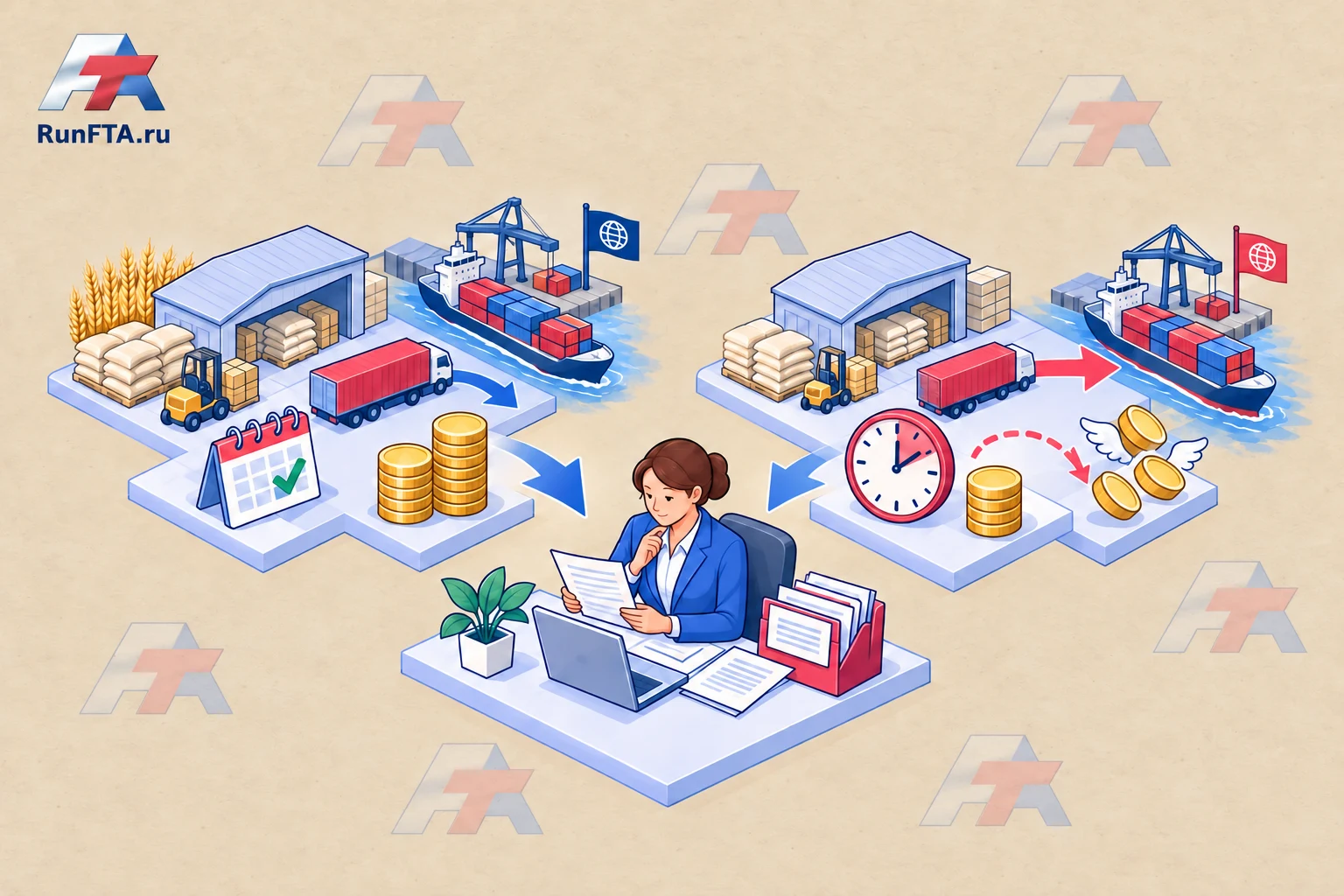
The contract specifies an Incoterms basis, but participants have different understandings of when to pay, who accepts the quality, and when ownership transfers.
The term does not replace a full sales contract.
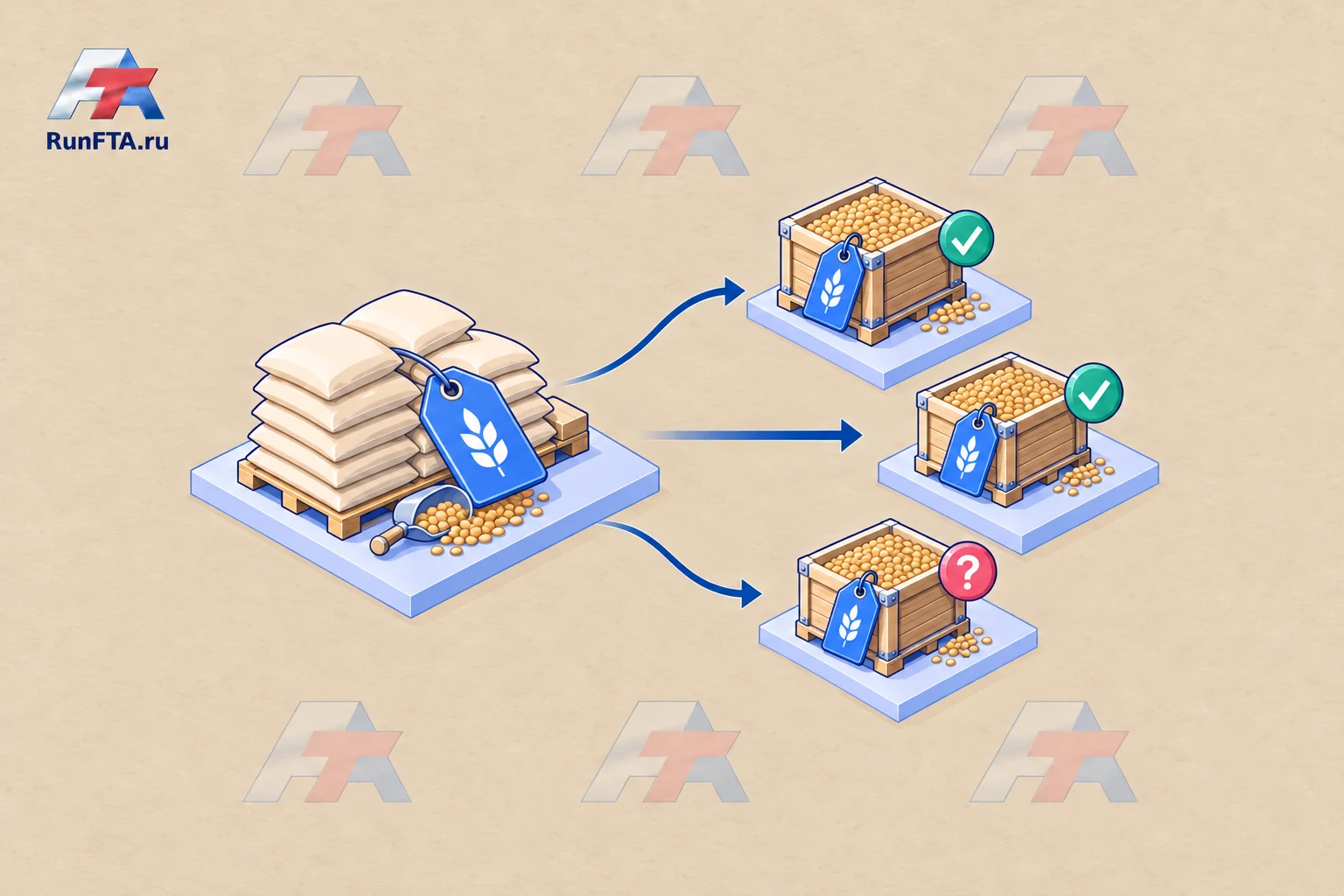
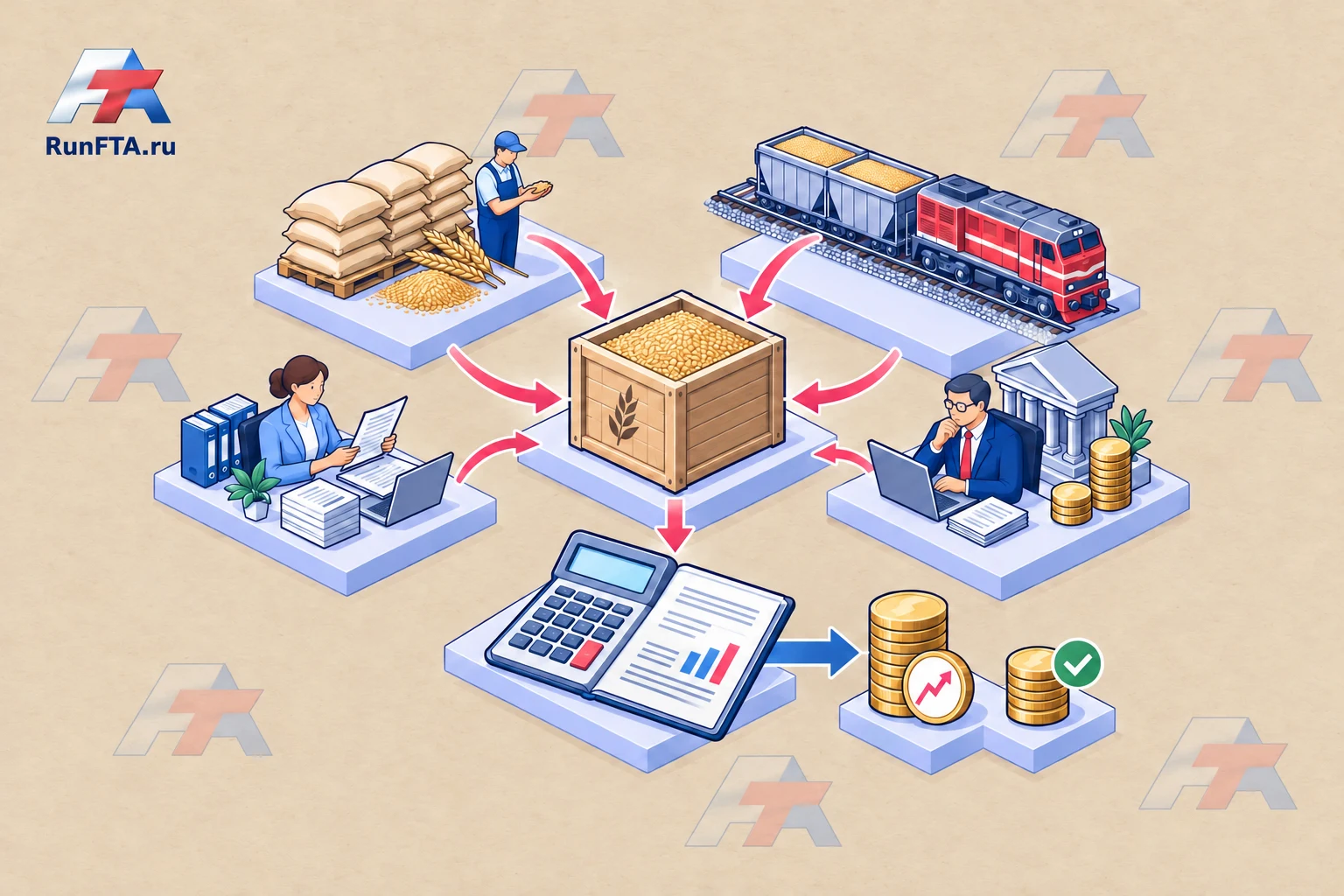
For an agro-exporter, it is useful to maintain several separate lines: supply and risk distribution, settlements, ownership, product inspection, and documents.
The coincidence of these events is possible, but it cannot be assumed without reading the agreed conditions.
Let’s discuss the control of conditions and calculations in your company
I’ll help you analyze your situation: the team mixes risk transfer, ownership, payment, and the fact of unloading.
We’ll discuss solving this and related foreign trade tasks in your company, the distribution of responsibilities, and next steps.
The scope of support will be agreed upon before starting work.
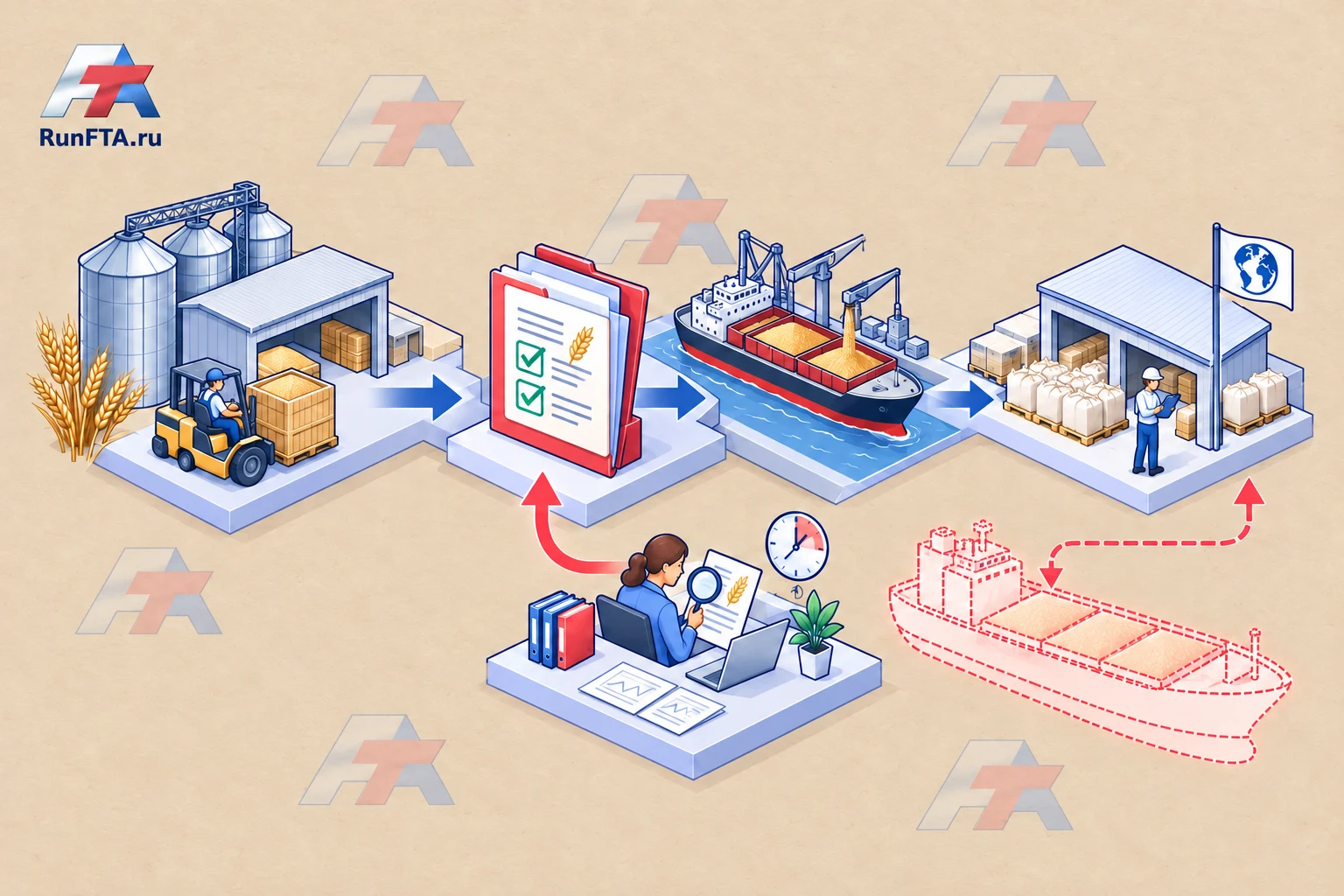
Break Down Four Separate Events
Start by precisely specifying the chosen rule, agreed location or point, and the Incoterms revision.
A specialized expert checks the meaning of this combination for the route.
Then, separately list the payment terms, ownership transfer, and quality inspection conditions.
For each event, find the contract wording and proof of execution.
If the parties link payment to a document, clarify which one and who provides it.
If a condition is missing or contradicts another clause, raise the issue for agreement before execution.
Do not fill the gap with a logistician’s or accountant’s habit.
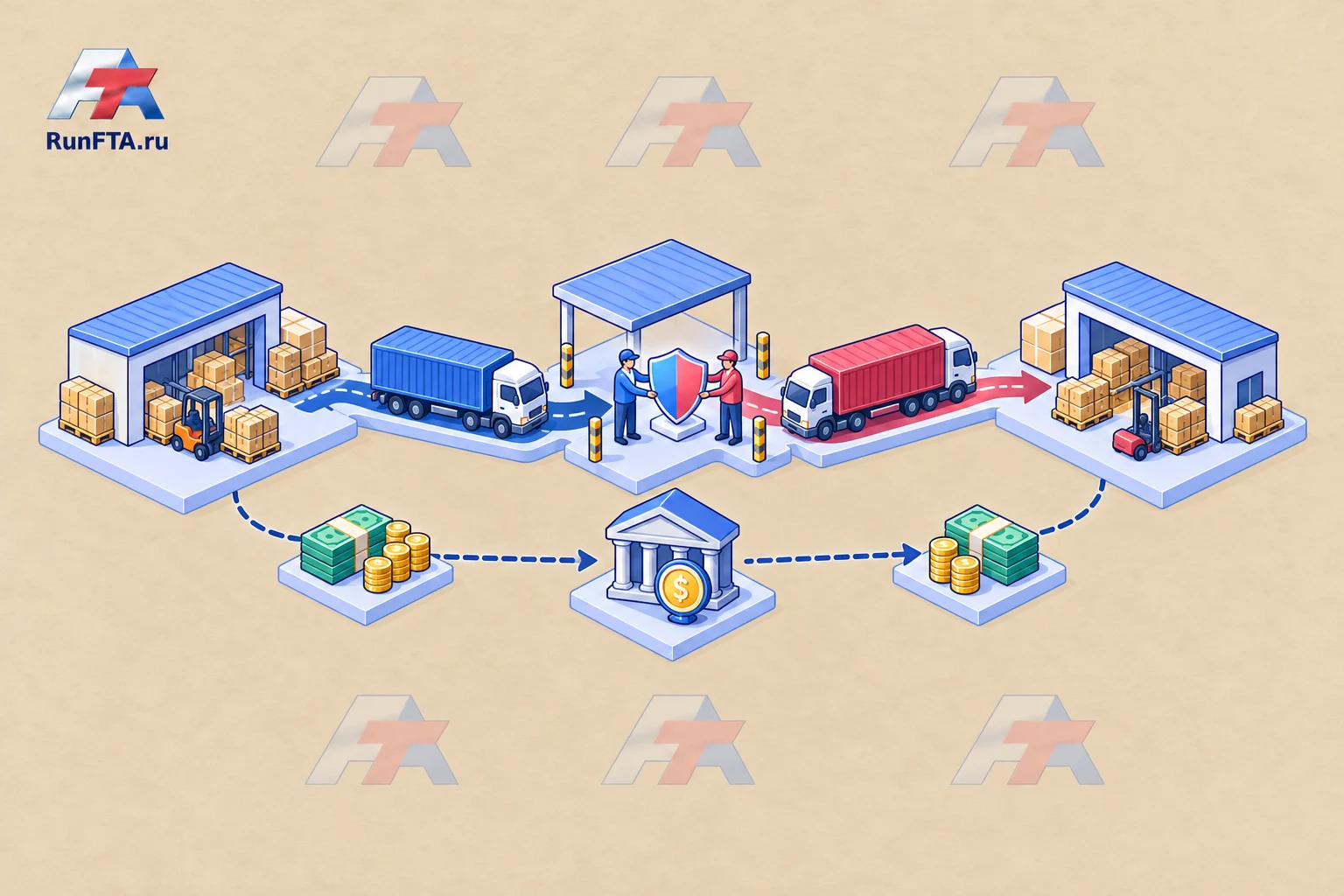
Contract Events Matrix
The training template does not establish risk distribution under a specific rule.
| Event | Where to Find the Condition | What Confirmation to Agree |
|---|---|---|
| Supply and Risk | Chosen rule, point, and revision | Evidence of the corresponding event |
| Payment | Payment section of the contract | Basis, amount, and payment confirmation |
| Ownership | Separate contract condition | Contract-stipulated basis |
| Quality Inspection | Specification and acceptance procedure | Agreed document and participant |
Illustrative scenario: documents are transferred to the buyer, but payment has not yet been received.
The mere fact of file transfer does not allow concluding simultaneously about risk, ownership, and delay.
Each line needs its own contract clause and confirmed event.
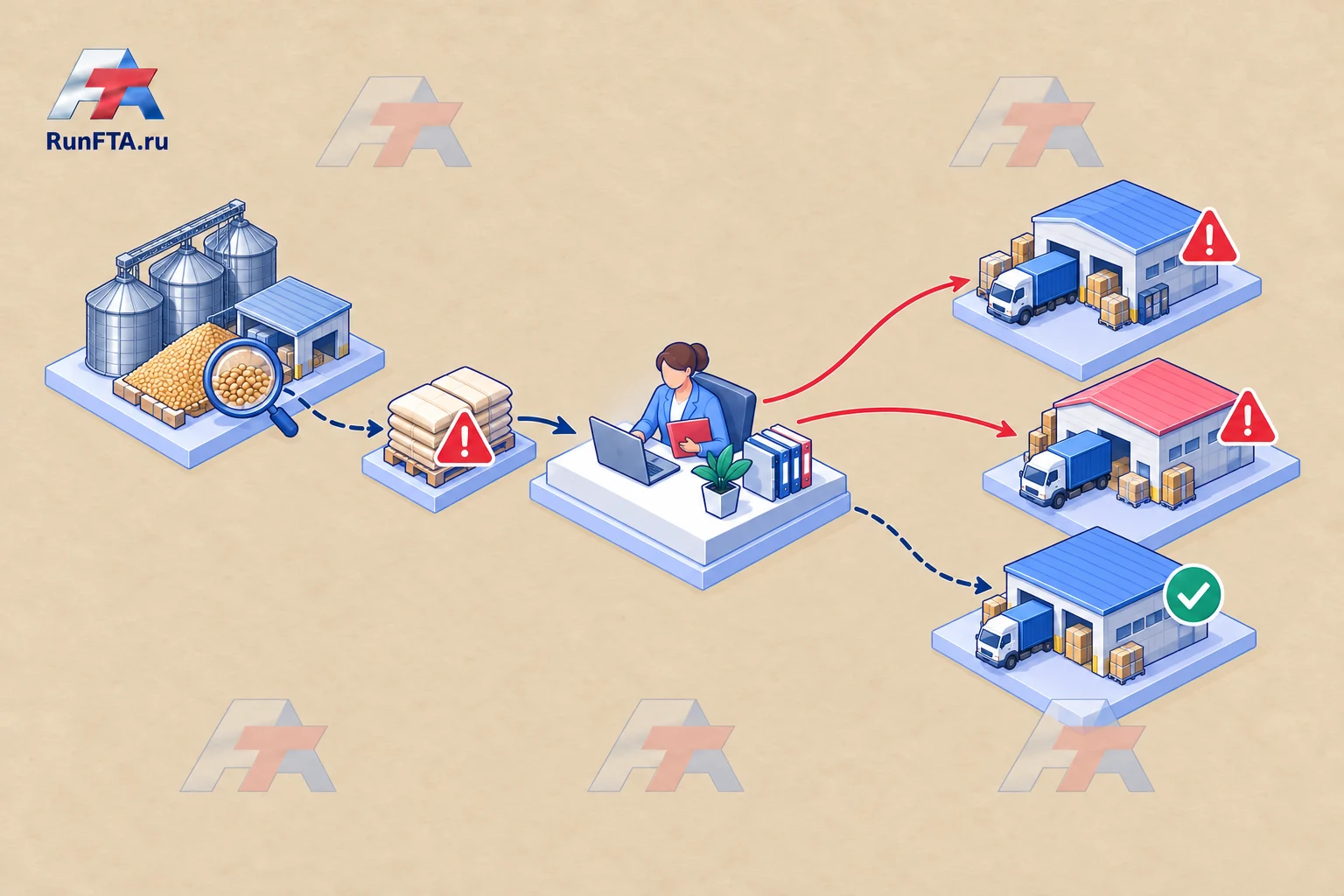
Do Not Entrust One Document to Cover All Issues
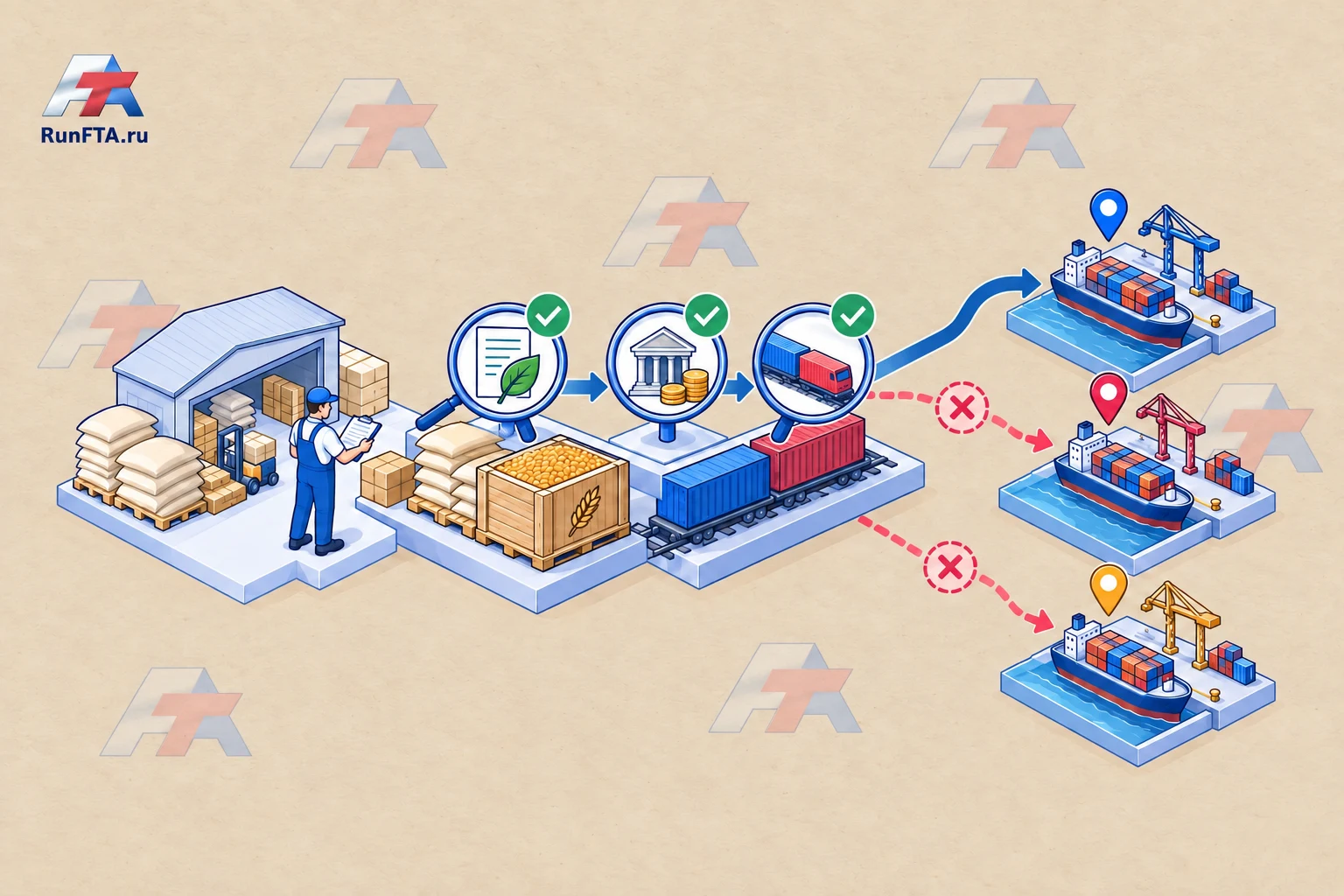
A transport document, warehouse act, and bank confirmation reflect different actions.
Do not consider any of them as universal proof of full transaction execution.
If the route or agreed point changes, assess the impact on the contract and documents together with relevant participants.
Correcting the route in the work table does not change the contract terms by itself.
Refer a dispute about the legal meaning of a condition to a specialist, preserving facts and correspondence.
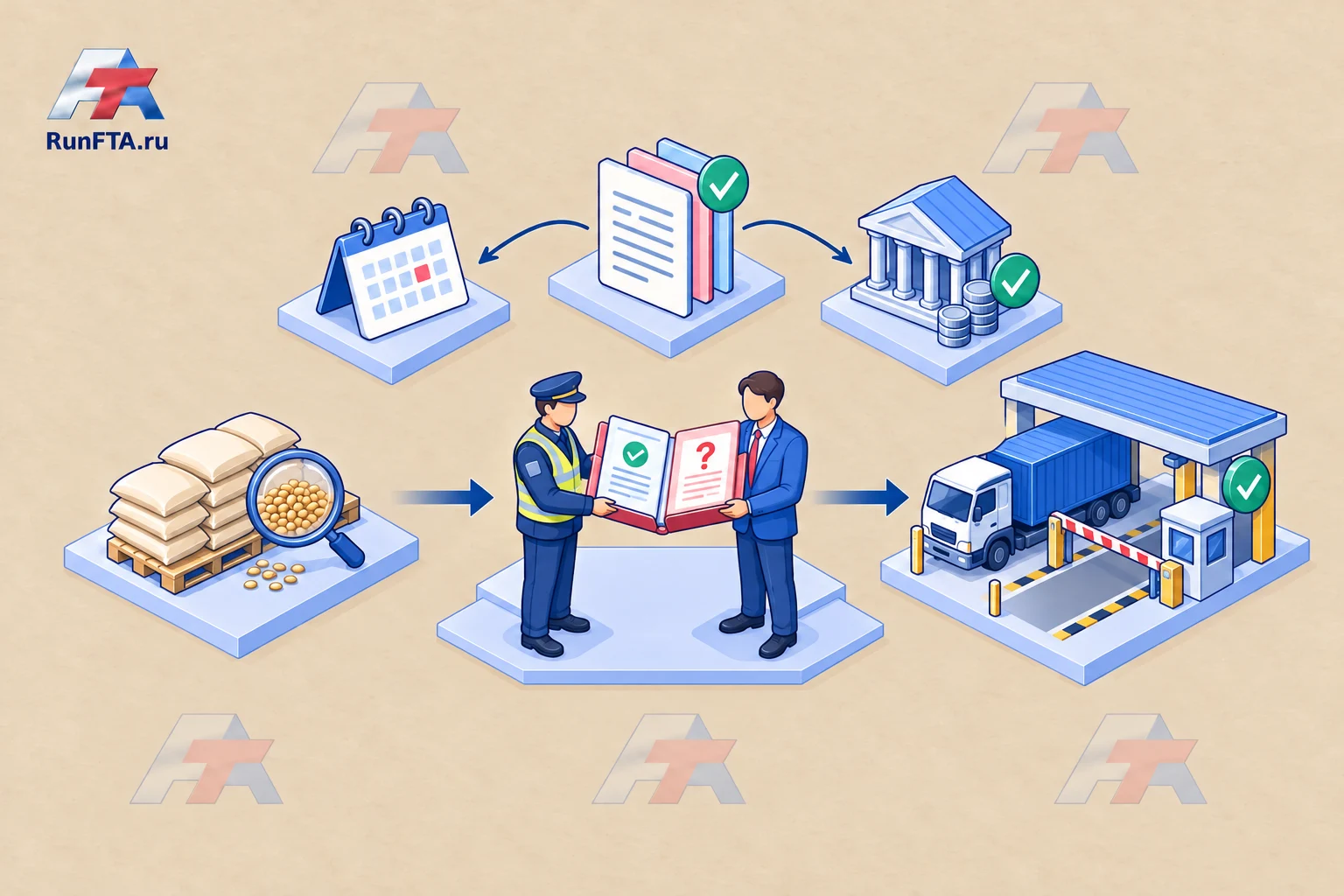
Verify Understanding Before Shipment
Ask sales, logistics, and finance teams to independently name the event they control and the document that confirms it.
Different answers will show which clause needs clarification.
Link the matrix with the decision on readiness for shipment.
The manager will see open contractual issues before sending the goods.
This scheme helps coordination but does not replace the interpretation of a specific Incoterms rule or legal contract review.
A practical management guide.
All examples are illustrative.
Check applicable requirements and terms for the specific product, country and contract.
Sources checked on 24 October 2026.