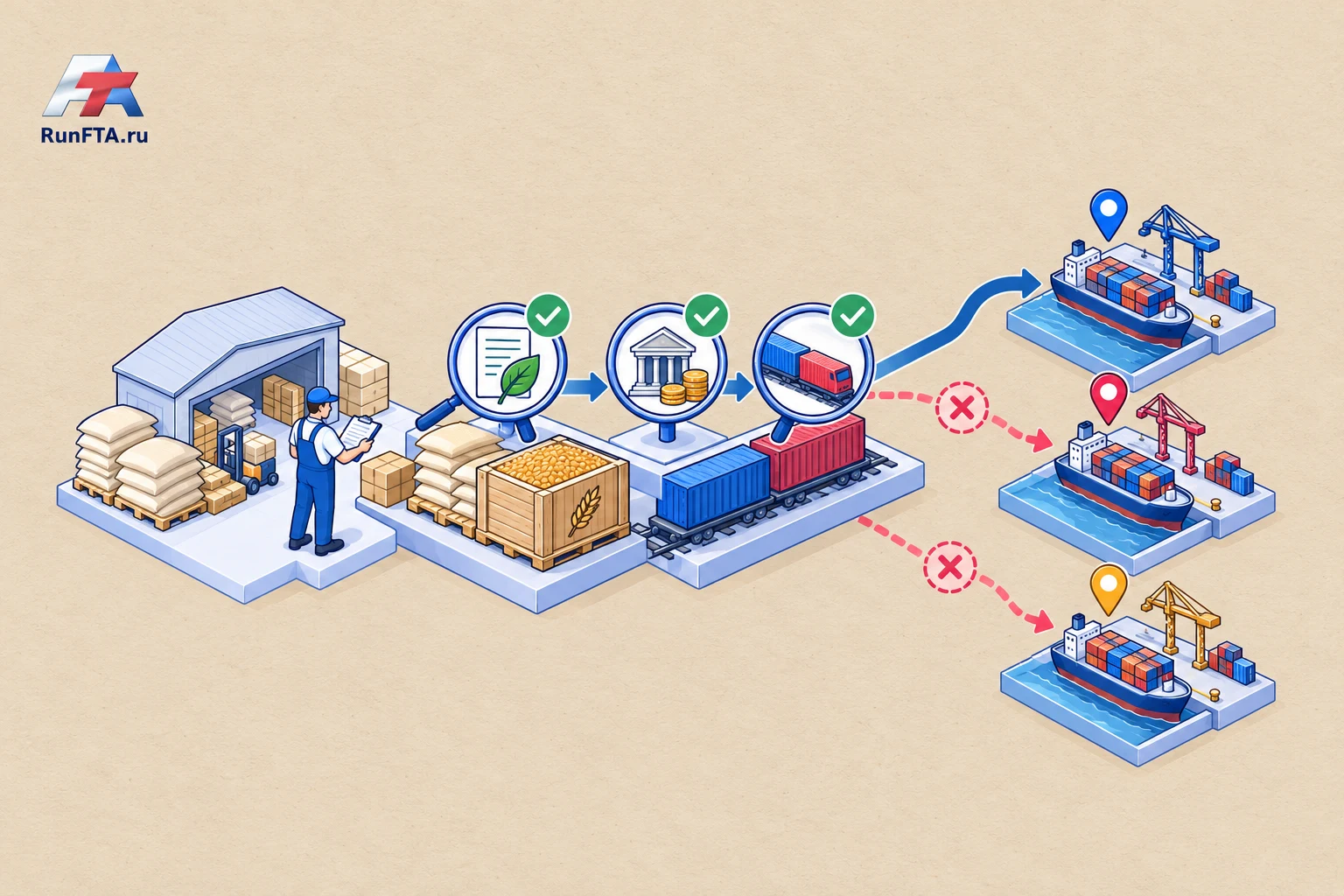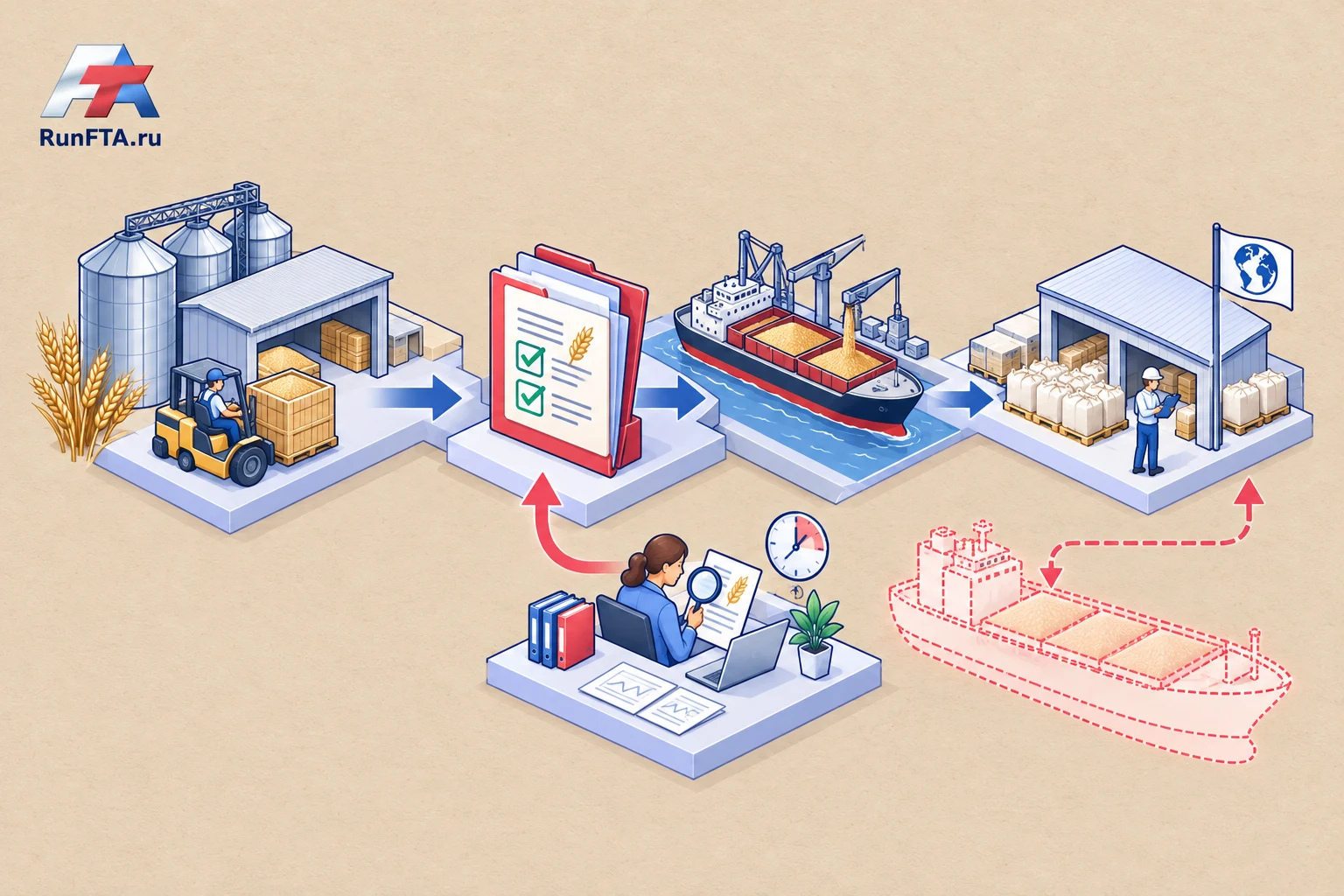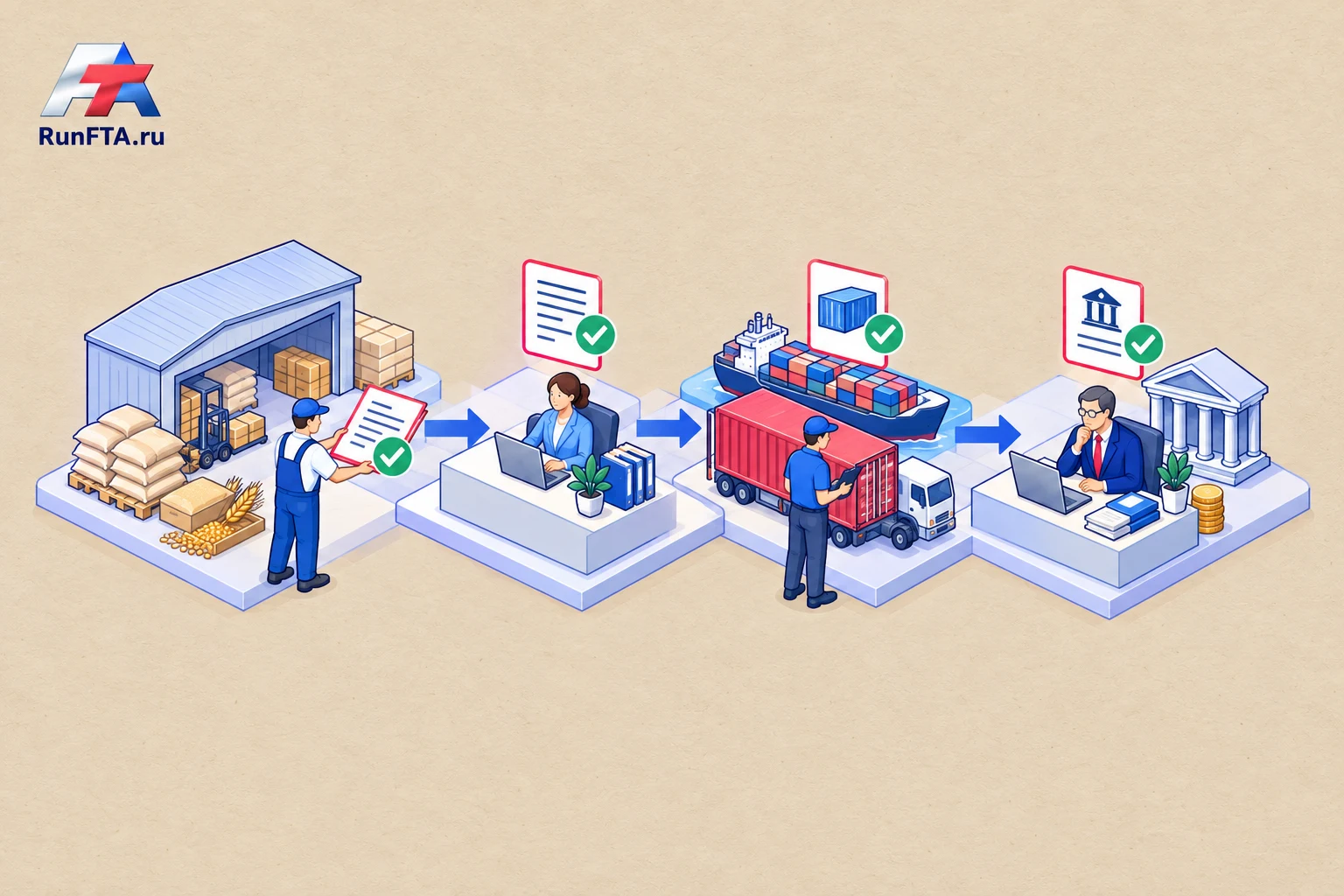

Dispatch needs evidence before momentum takes over
The goods are loaded and transport is waiting, but the specification is still being discussed. The team starts treating dispatch as inevitable. A release procedure belongs earlier: it should show which conditions are satisfied, who confirmed them and what still prevents departure.
This is an internal management decision, not a substitute for customs release, phytosanitary or veterinary controls. Mandatory procedures depend on product and destination. The purpose here is to coordinate confirmed dependencies.
Let’s discuss shipment readiness checks
I can help review your situation, identify documentation and coordination tasks, and agree participants and next steps. We can also discuss related trade issues and similar difficulties across your company’s shipments. Tell me where the process is getting stuck so we can agree a specific task and scope of support.
Discuss your taskFive areas of readiness
| Area | Question before dispatch |
|---|---|
| Goods | Is the lot identified and its agreed readiness confirmed? |
| Contract and documents | Is everyone using the same current version? |
| Buyer | Are recipient, address and receiving readiness confirmed? |
| Route | Is the transport plan executable and supported by providers? |
| Payments | Are the payment conditions required for this stage satisfied? |
Retain the supporting record, confirmer and date, not merely a tick. “Logistics said it was fine” does not help when the route changes or another employee takes over.
Distinguish not applicable from not checked
A document may not be required for a particular shipment. Record who established this and on what basis. A blank field should not simultaneously mean unnecessary, forgotten and pending.
ISO quality-management material supports a process approach and clear responsibility. This release card is our practical proposal, not an ISO-prescribed form. A spreadsheet or existing CRM is sufficient if decisions remain traceable.
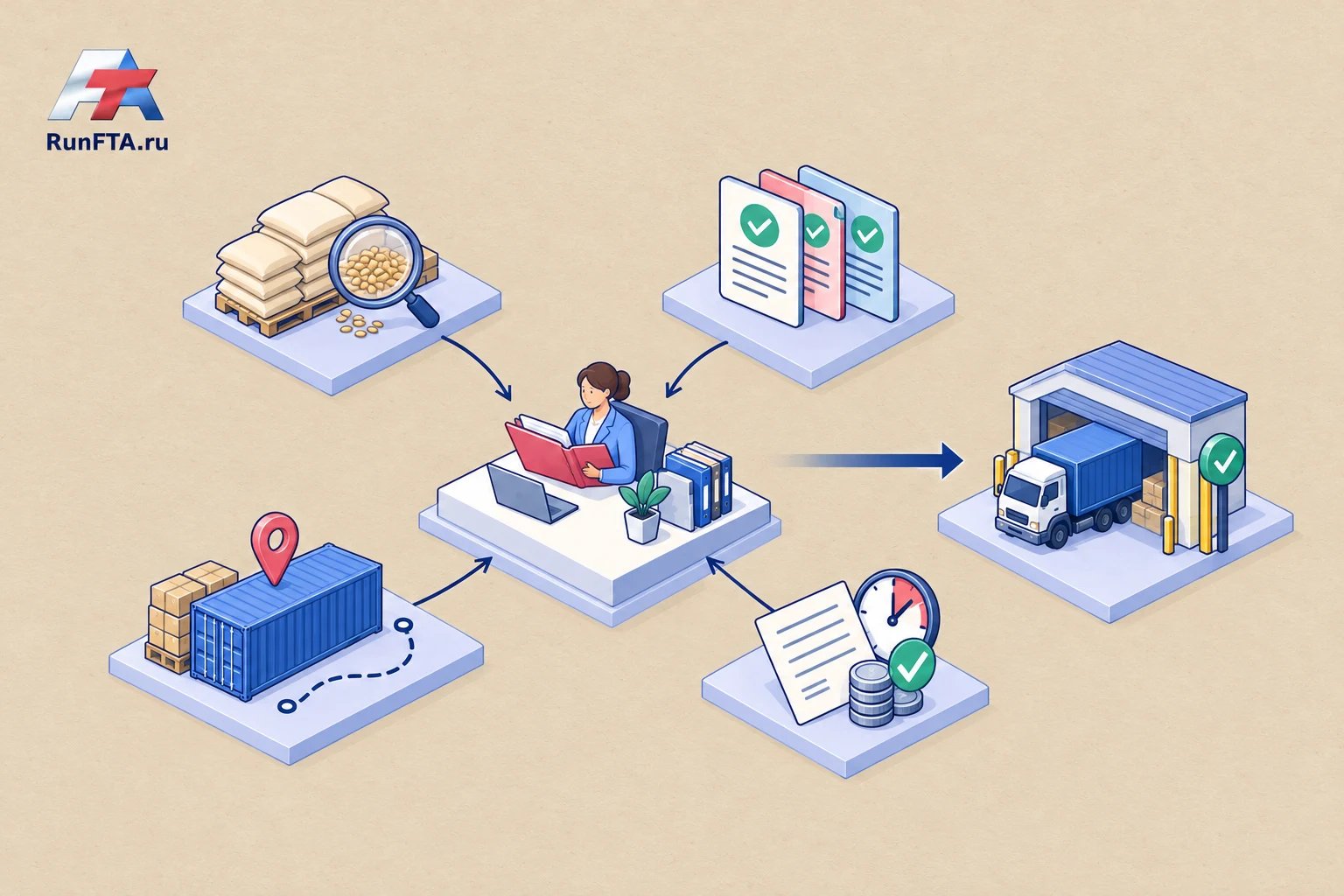
Decide who can approve an exception
Suppose a carrier changes the terminal, increasing cost but leaving the deadline unchanged. Logistics confirms the new route, finance recalculates the result, the document owner checks address details, and an authorised manager approves the change. The release decision then receives a new version.
Internal approval cannot waive a statutory or authority requirement. Do not build a procedure allowing a director to authorise the absence of a mandatory document. The obstacle needs a lawful resolution, not a different status label.
Recheck after material changes
Define changes that invalidate previous confirmation: recipient, goods, quantity, route, payer, date or a material document revision. A corrected typo does not require a complete restart, but materiality criteria should be understood beforehand.
Keep the previous decision, reason for review and new confirmation. This supports investigation through evidence instead of memory. The team responsibility guide explains ownership, while the shipment register sets out the records.

Start with one upcoming shipment
Try the card on a real planned consignment. Remove fields that do not support decisions and add only missing evidence that matters. After completion, compare the record with actual problems: what did it expose early and what did it miss?
Success is a clear decision supported by evidence, not the largest number of completed fields. Run FTA can coordinate the process, while specialist participants retain responsibility for their own work.
Management guidance for exporters. Numerical examples are illustrative; requirements and terms must be checked for the specific product and transaction. Sources checked on 24 October 2026.