Shipment Number Does Not Indicate the Shipment’s Origin
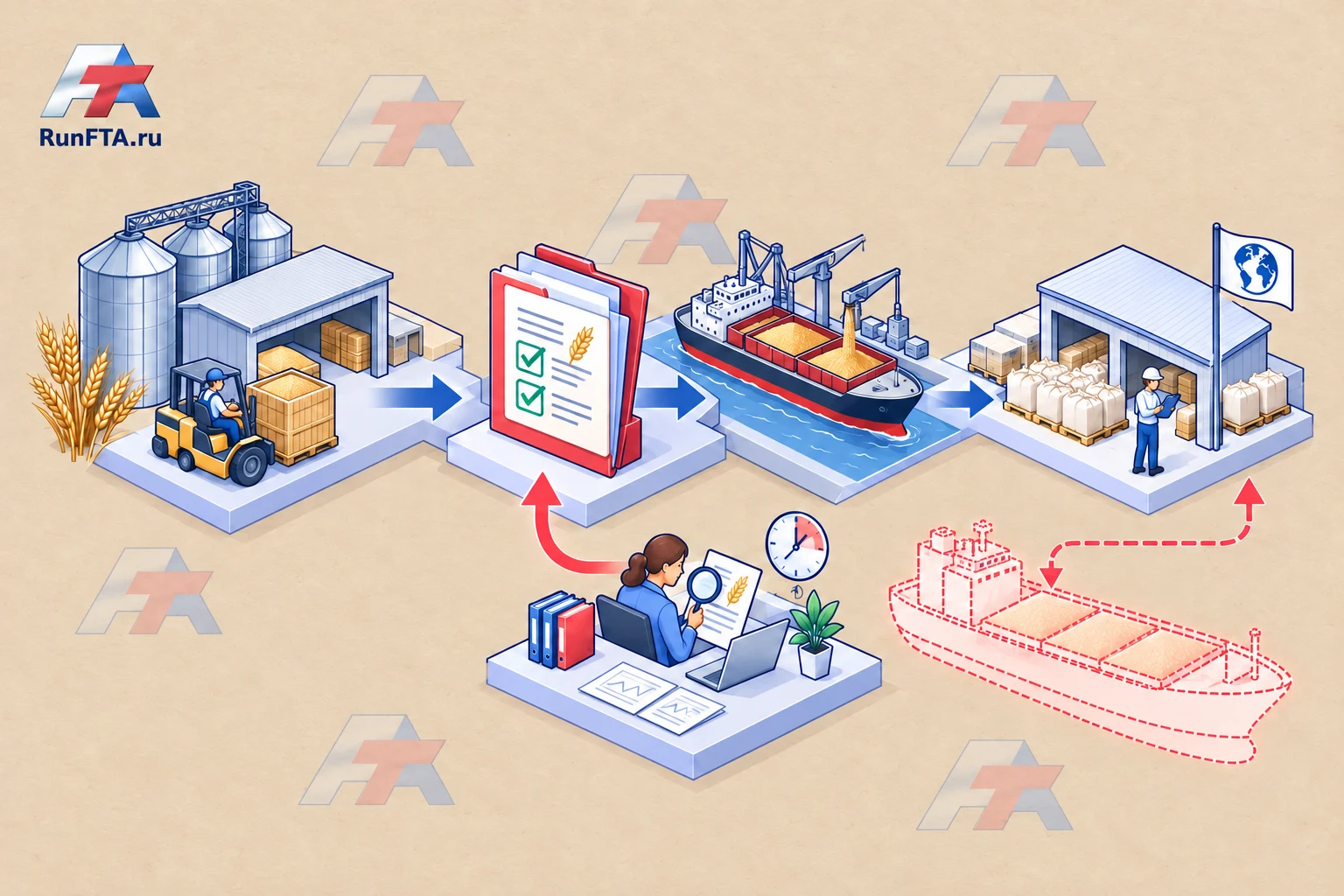
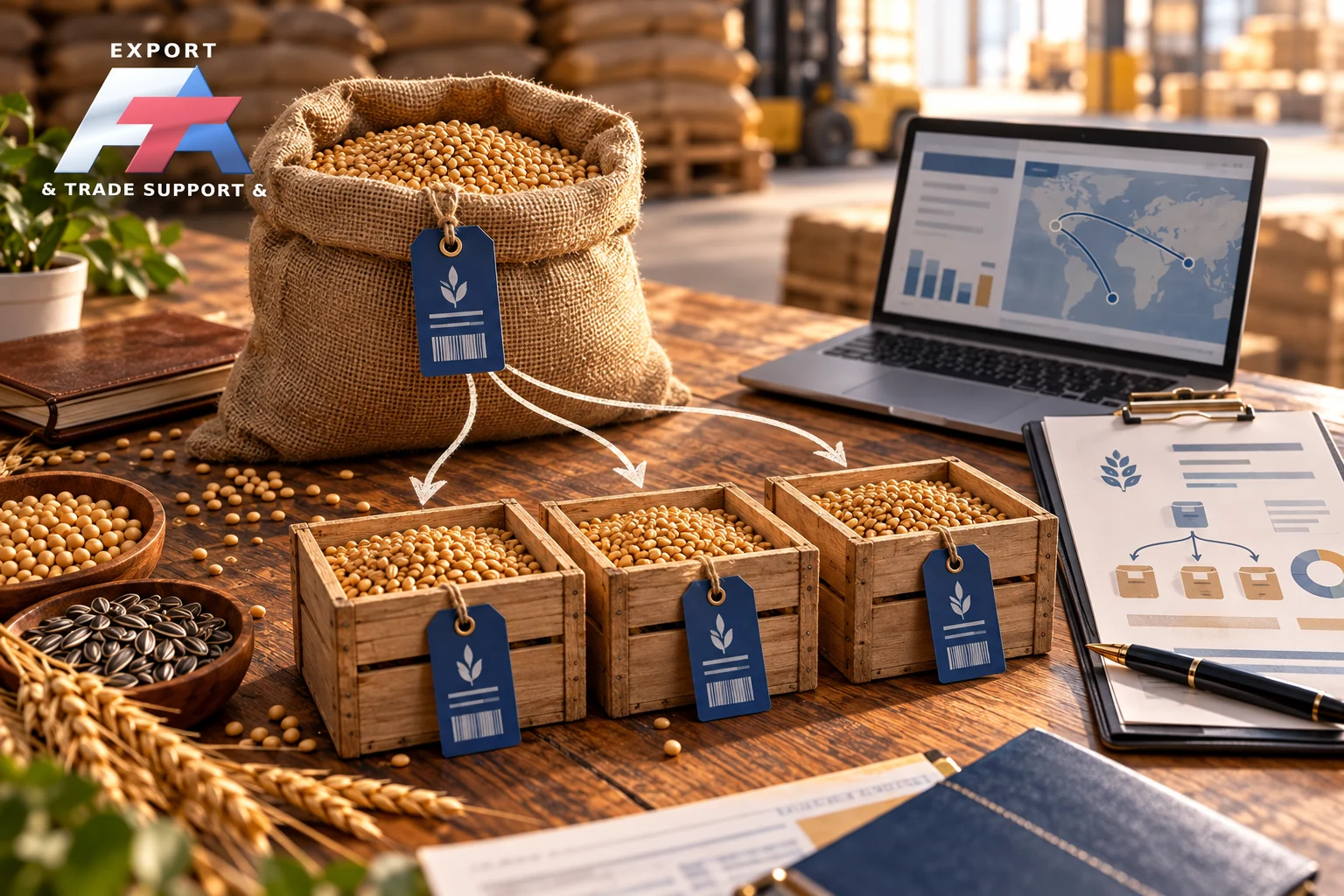
The purchased lot was split among several consignments.
Each waybill has its own number, but it is impossible to quickly find the original procurement and other recipients of the same raw material using it.
When there is a quality issue, the team starts to restore the links via correspondence.
The manager needs answers to two different questions: where the goods came from and where the related parts were sent.
FAO views traceability as the ability to track the movement of food products through the stages of the supply chain.
Below is a working register for the company; it does not replace mandatory traceability records and recall procedures.
Let’s discuss the preparation and approval of documents in your company
I’ll help you analyse your situation: after splitting a shipment, the link between the initial procurement and multiple shipments is lost.
We’ll discuss solving this and related foreign trade tasks in your company, the distribution of responsibilities, and next steps.
The scope of support will be agreed upon before starting work.
Maintain the Link During Each Split and Mix
Assign a stable identifier to the original lot.
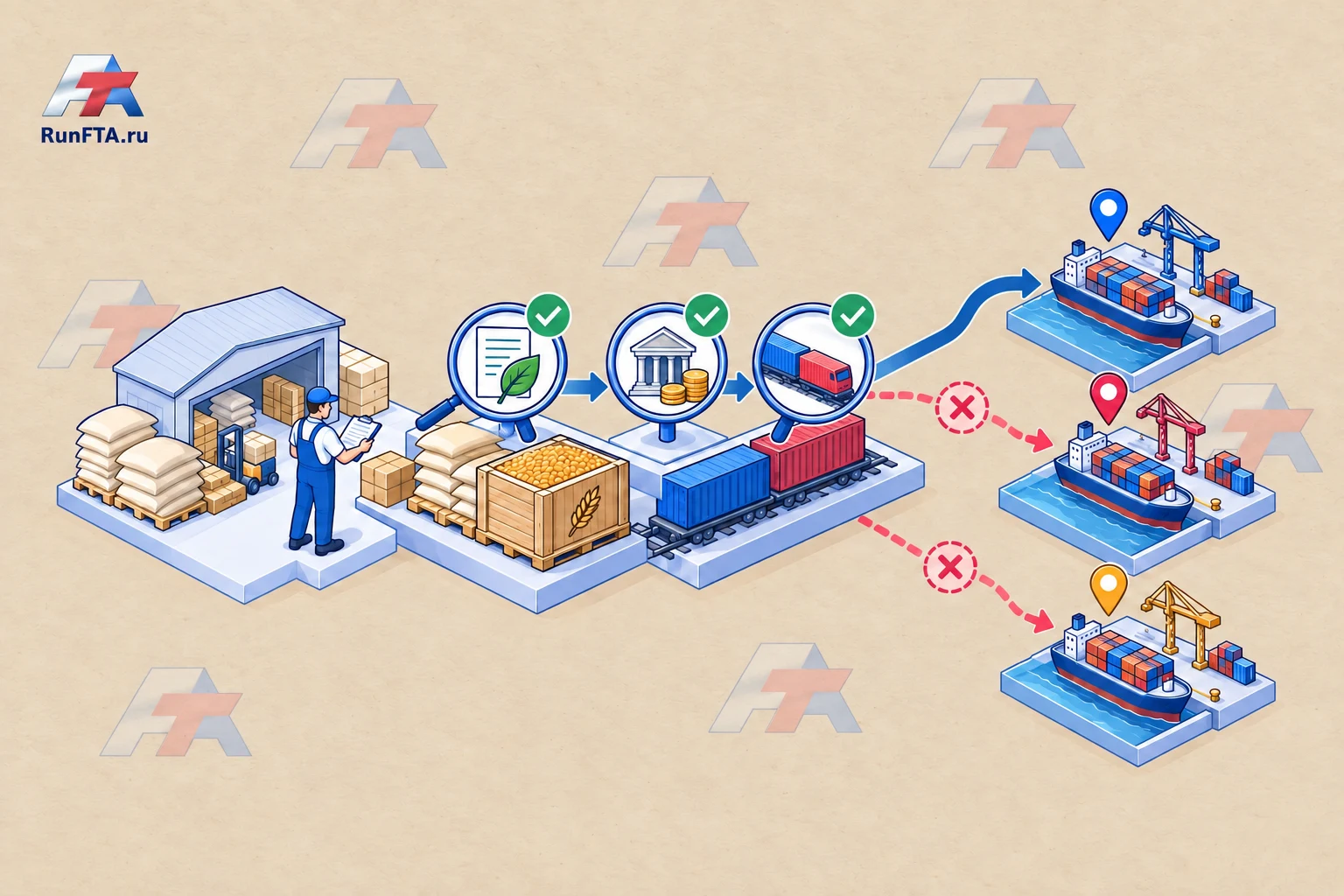
When splitting, create child numbers and maintain a link to the parent shipment.
When mixing, record all input lots: one link to the final warehouse hides the origin of the other components.
For each operation, record the date, actual weight, unit of measurement, location, and the source document.
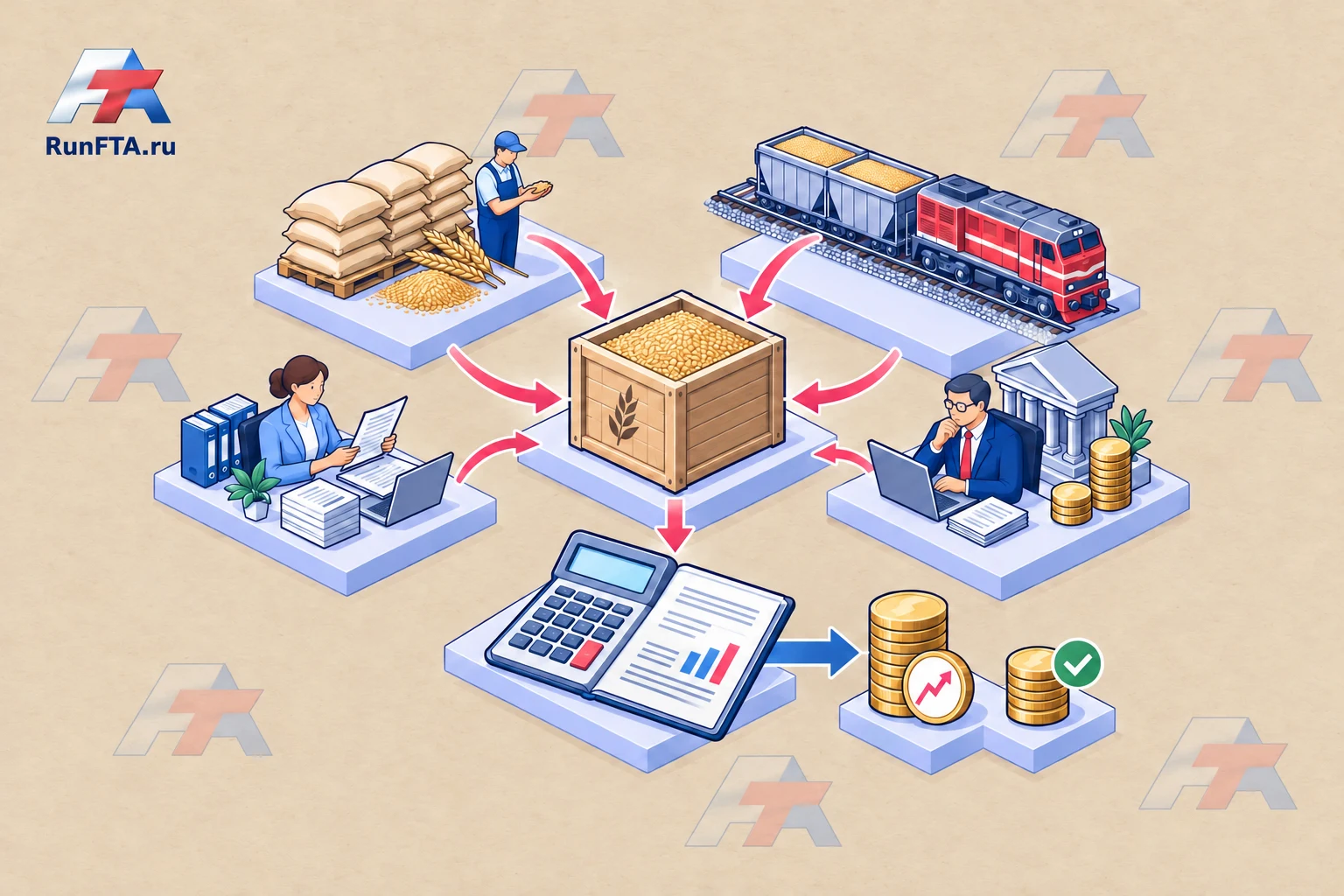
The warehouse confirms the movement of the goods, the quality specialist confirms the link between samples and inspection results and the shipment, and the coordinator connects this information with the shipment and recipient.
Do not correct a weight discrepancy by adjusting the number: separately determine the remainder, processing, losses, or measurement unit error.
Leave an unknown value as an open question with a responsible party.
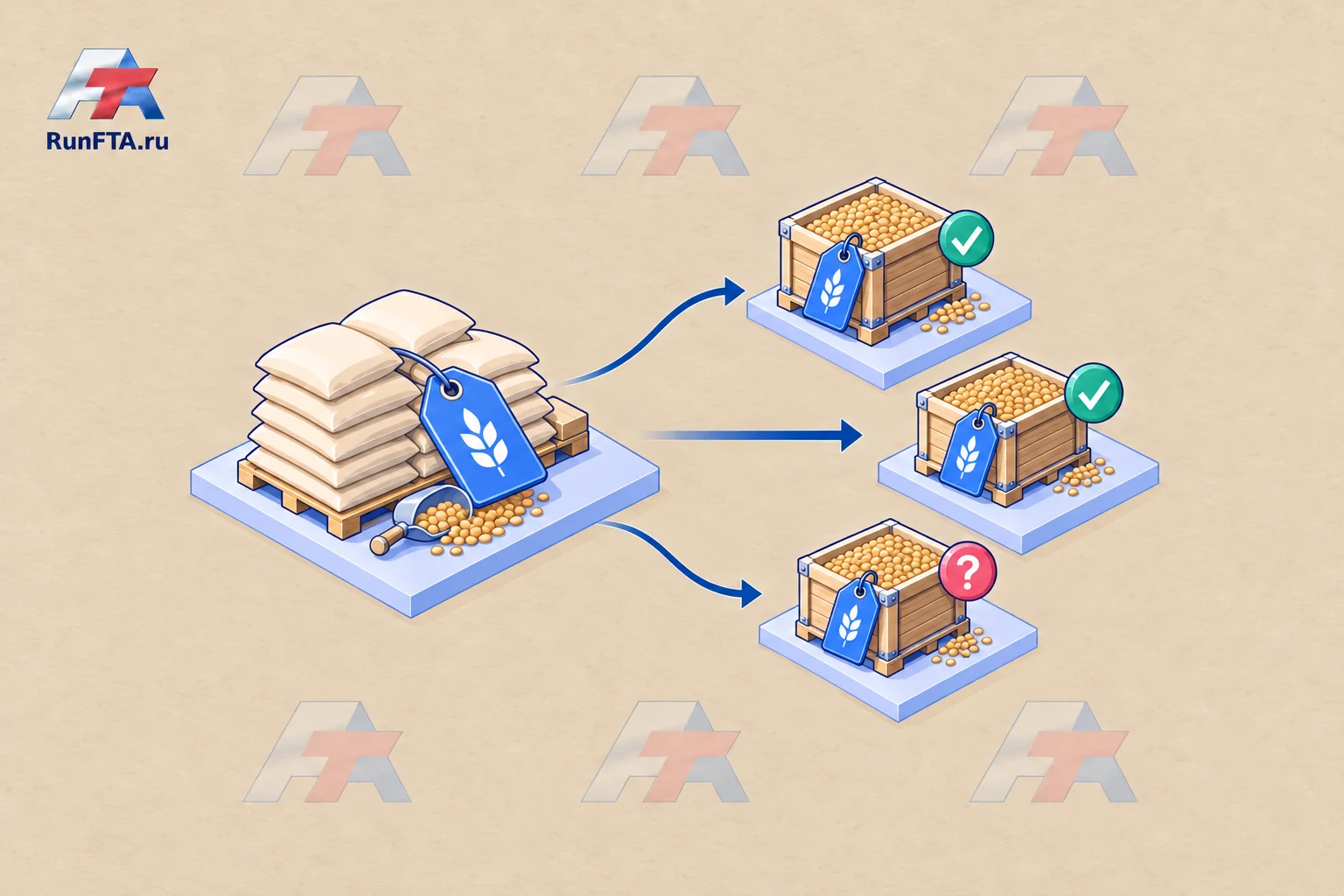
Minimum Movement Record
All notations in the table are for illustration.
For a real shipment, add links to primary documents and the time of recording.
| Link | What to Record | Educational Example |
|---|---|---|
| Procurement → Original Lot | Supplier, acceptance, weight | Procurement A → Lot P |
| Splitting | Parent and each child part | P → P-A and P-B |
| Shipment | Child shipment and document | P-A → Shipment S |
| Recipient | Shipment and actual addressee | S → Buyer X |
| Remainder | Where the unshipped part is located | P-B → Warehouse Y |
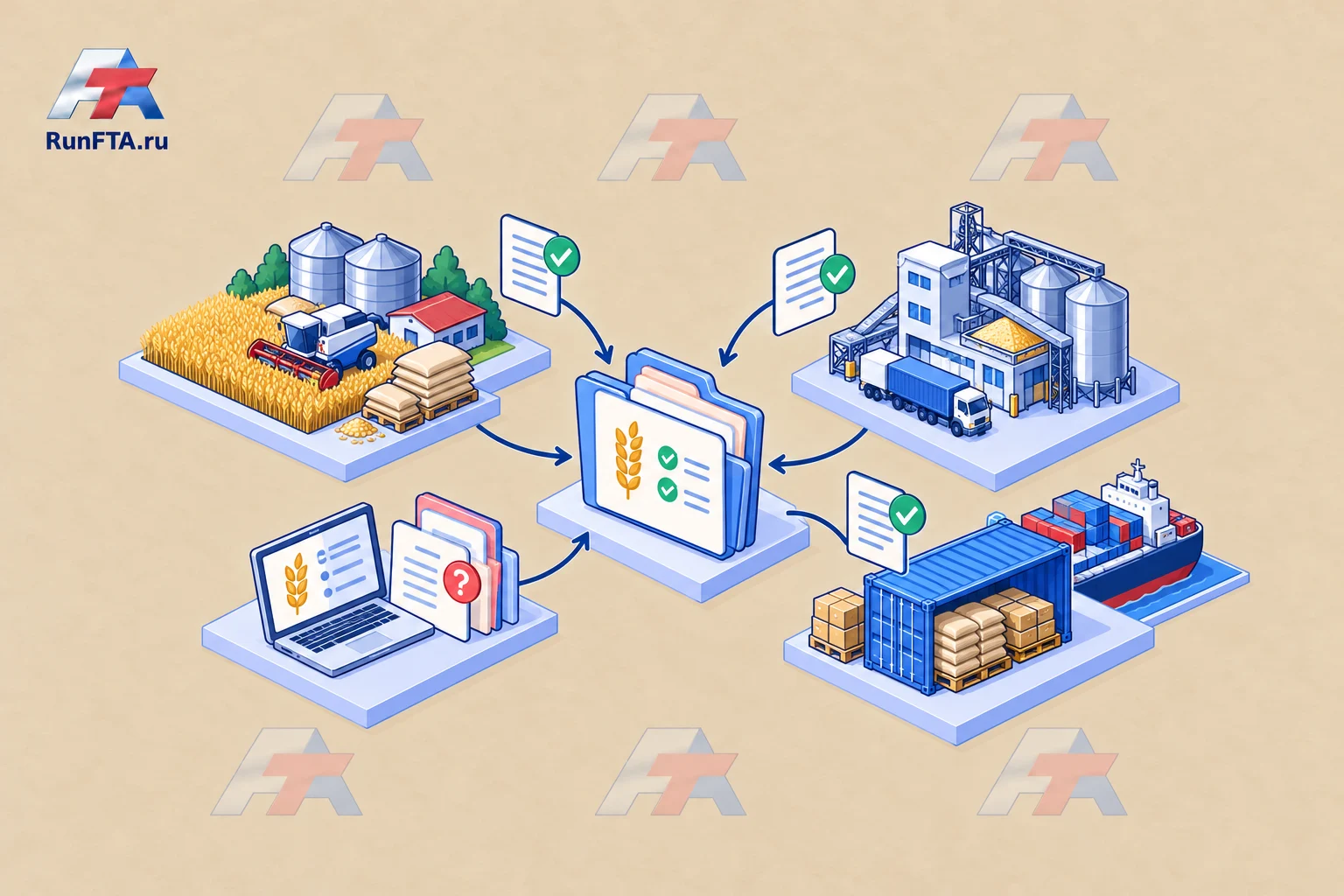
Check the register in both directions: from the recipient to the procurement and from the procurement to all shipments.
If the link breaks in one direction, the register is not yet ready for quick searches.
What to Do If a Discrepancy Is Found
When there is a question about one child lot, first determine the basis: a documentary error, analysis result, or actual product discrepancy.
These are different events.
The quality specialist determines the next steps based on their competence and applicable requirements.
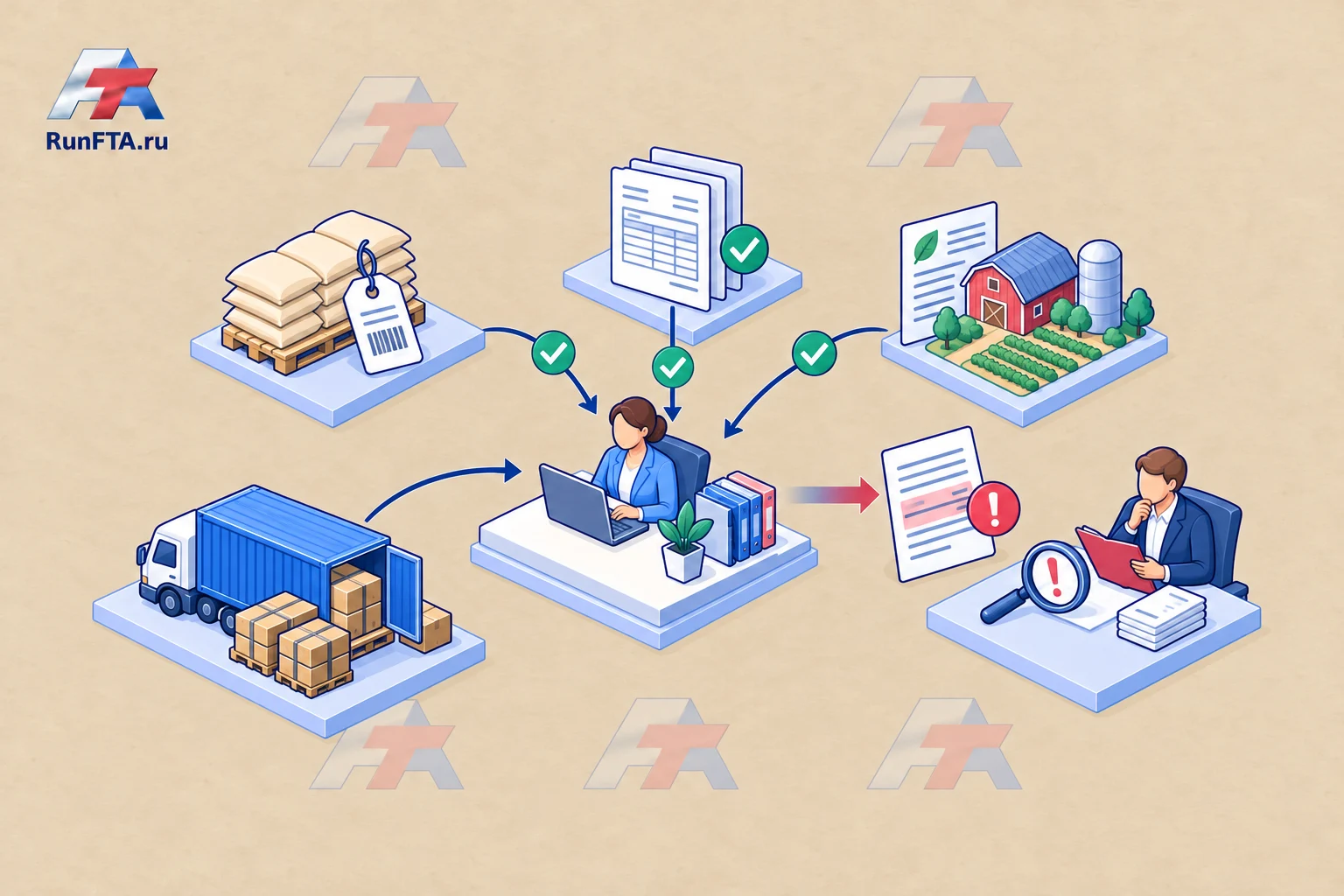
In the register, highlight related shipments and separately mark unverified links.
Do not declare other deliveries safe just because they have a different waybill number.
Preserve the original record and the history of corrections instead of replacing old information without a trace.
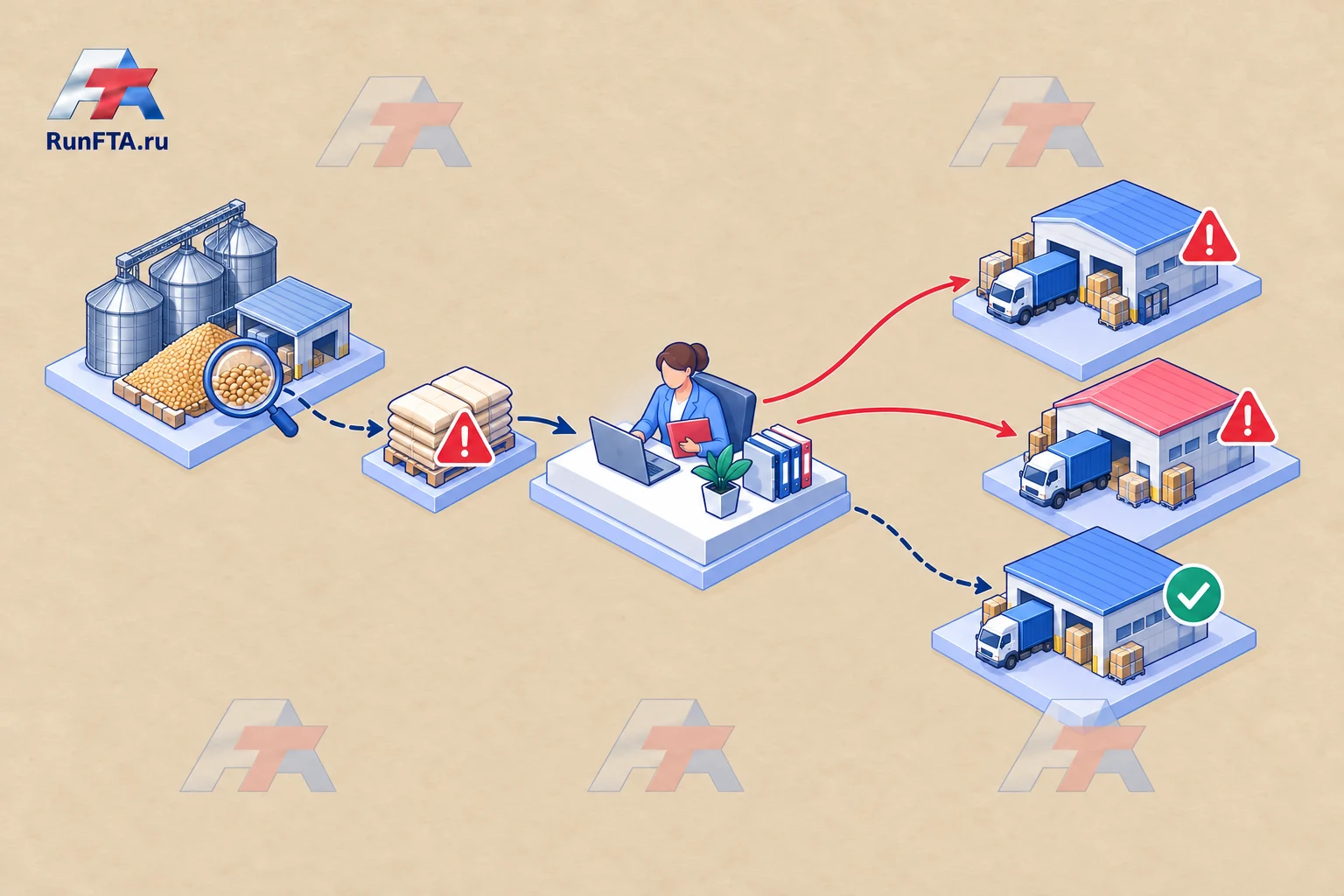
Conduct a Control Search Before the Next Shipment
Take one completed procurement and ask an employee who did not handle it to find all recipients and the remainder.
Record where a call to a colleague was needed and what document was missing.
Then fix those gaps.
Assign a register owner and a time for updates after each warehouse operation.
Document links can be connected to the unified export shipment document register.
The readiness criterion is a restored chain with confirmations, not the number of filled rows.
A practical management guide.
All examples are illustrative.
Check applicable requirements and terms for the specific product, country and contract.
Sources checked on 24 October 2026.