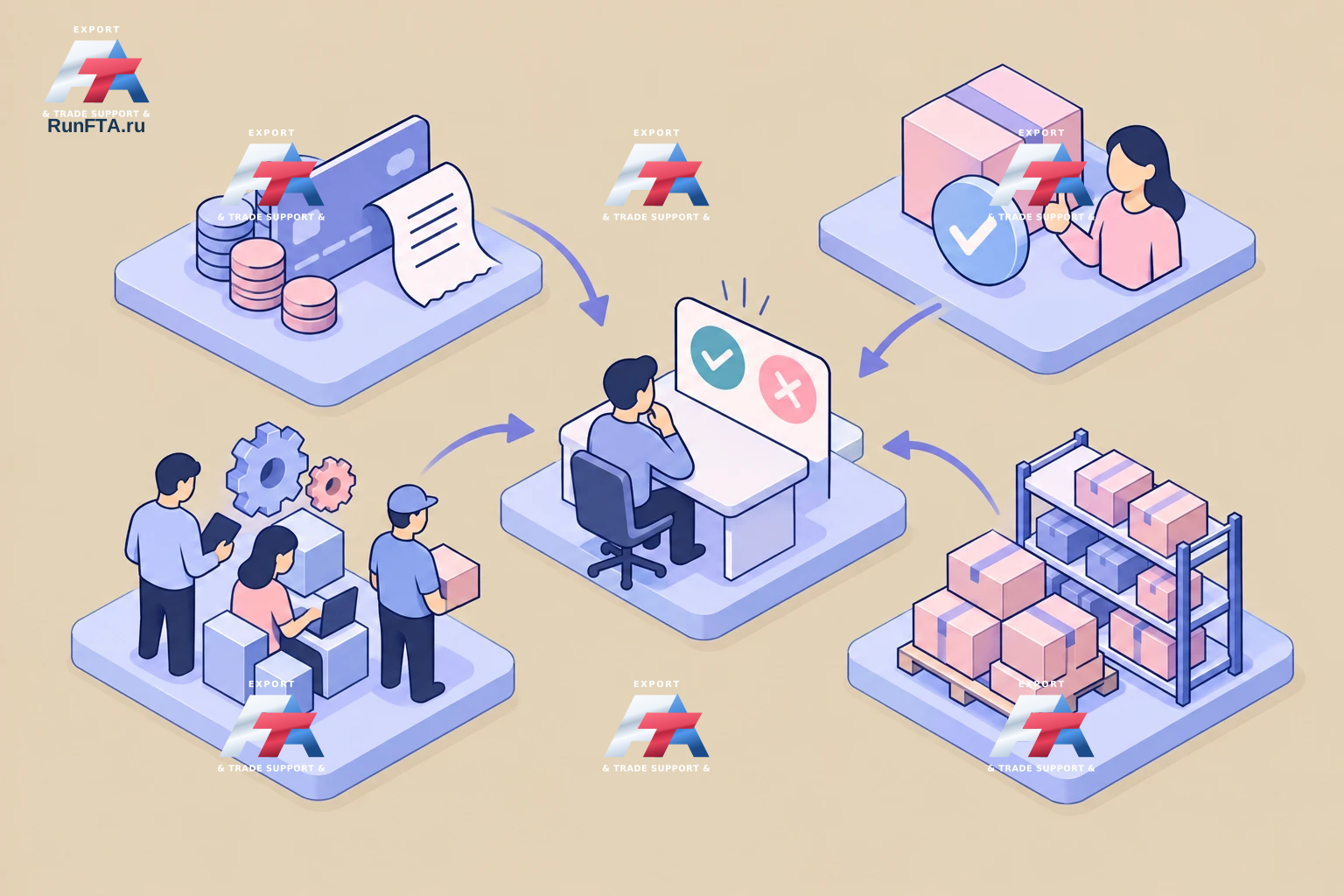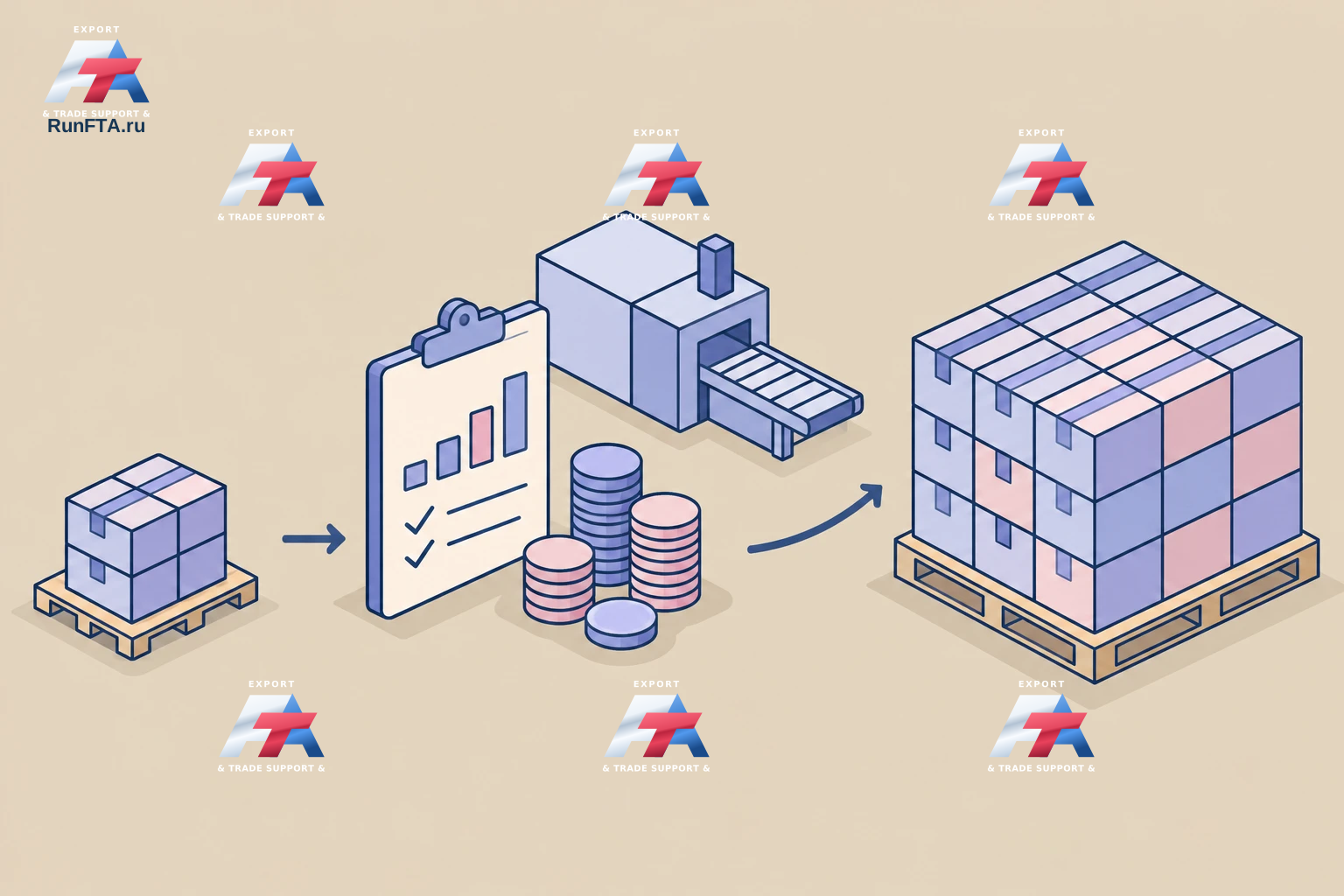

First, Establish a Single Point of Comparison
The price in the supplier’s offer and the total cost of the shipment at the buyer’s warehouse answer different questions.
The former is compared with other sellers’ offers, while the latter is needed to decide on the margin and the next order.
First, establish a single point of comparison—for example, the product at the buyer’s warehouse.
Then, collect confirmed expenses up to that point, compare them with the plan, and note any outstanding invoices.
This analysis will help determine whether the product price, route, or service mix has changed.
Need to understand the cost of procurement from Russia?
I’ll help you gather delivery terms and invoices, organise reconciliation with participants, and prepare questions for a financial specialist.
Tell me the product, destination country, and procurement stage.
Determine What Is Already Included in the Price
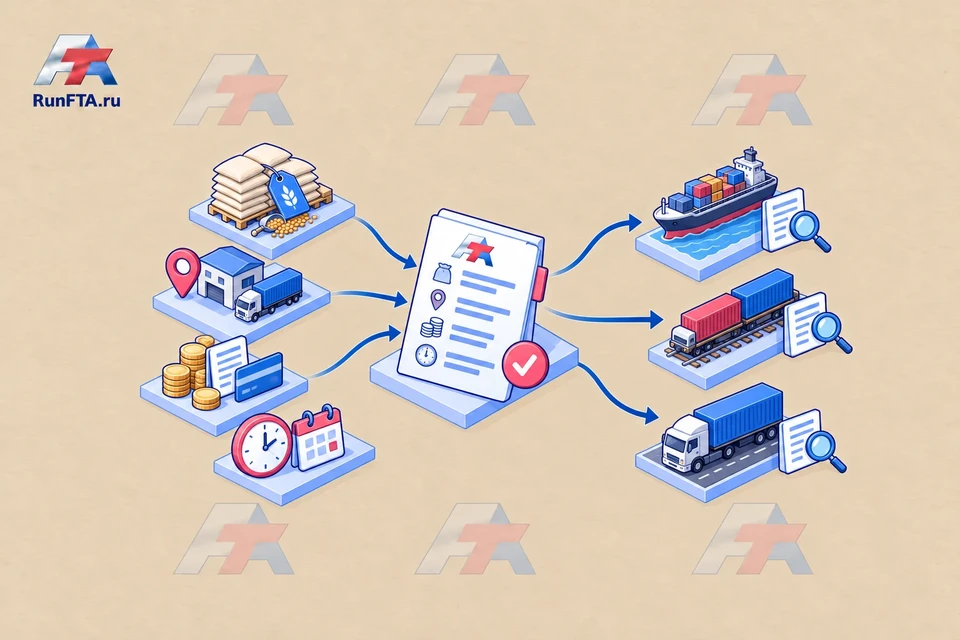
Check the contract, specification, and carrier’s offer.
The delivery term and specified location help distribute responsibilities but do not replace agreements on price and payment.
The same route may involve services from different contractors; verify the invoice breakdown rather than just the total.
For example, if the agreed product price already includes transportation to a certain point, you cannot add the same transportation again as a separate planned line.
Before calculating, ask the carrier to break down the services included in their price and check for overlaps with the supplier’s offer.
International Trade Administration suggests considering the product price, transportation, insurance, taxes, and other payments together.
This is a general assessment approach, not a guide for calculating taxes in the buyer’s country.
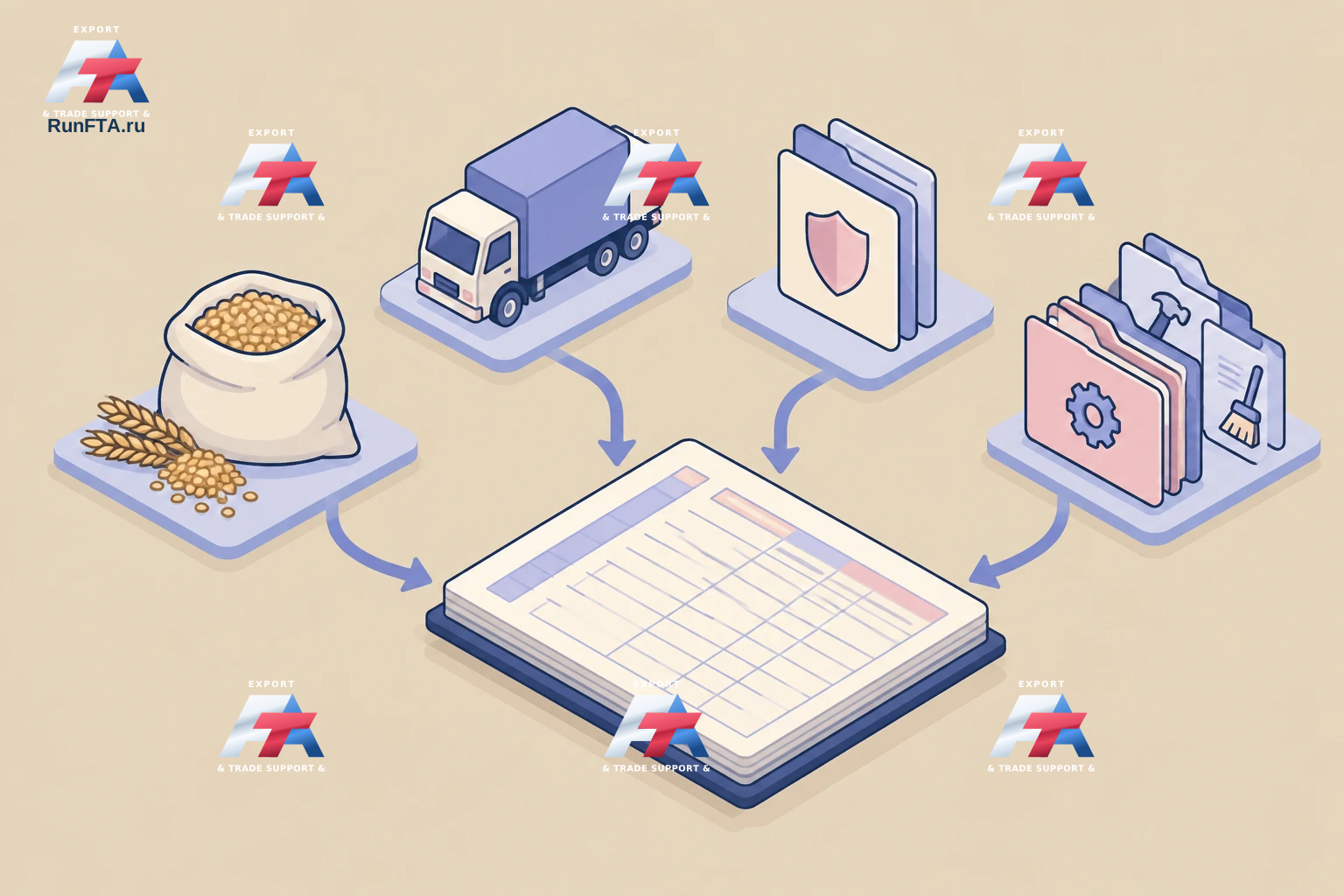
Compile Plan and Actual in One Currency
For each line, retain the amount in the original currency, the conversion rate, date, source, and status (estimate, confirmed invoice, or payment).
This allows the manager to see where the amount is final and where a document is still expected.
| Item | What to Compare | Where Errors May Occur |
|---|---|---|
| Product | Quantity, unit of measure, and agreed price | Comparing different volumes or specification versions |
| Transportation | Route segments and included services | A segment may already be included in the supplier’s price |
| Insurance | Coverage period and scope | Comparing costs of different terms |
| Import Payments | Confirmed calculation and actual charges | Not separating refundable amounts from final costs |
| Additional Services | Basis, period, and invoice | Counting estimates and final invoices simultaneously |
For management comparison, agree on a single currency and conversion method with the financial specialist.
Accounting and tax reporting may require a different approach; do not replace it with the table from this article.
Learning Example: Where the Deviation Came From
All values are hypothetical monetary units.
The product quantity and service mix being compared are identical.
| Expense | Plan | Actual | Deviation |
|---|---|---|---|
| Product | 100,000 | 105,000 | +5,000 |
| Transportation | 10,000 | 12,000 | +2,000 |
| Insurance | 2,000 | 2,500 | +500 |
| Other Confirmed Services | 3,000 | 5,500 | +2,500 |
| Total | 115,000 | 125,000 | +10,000 |
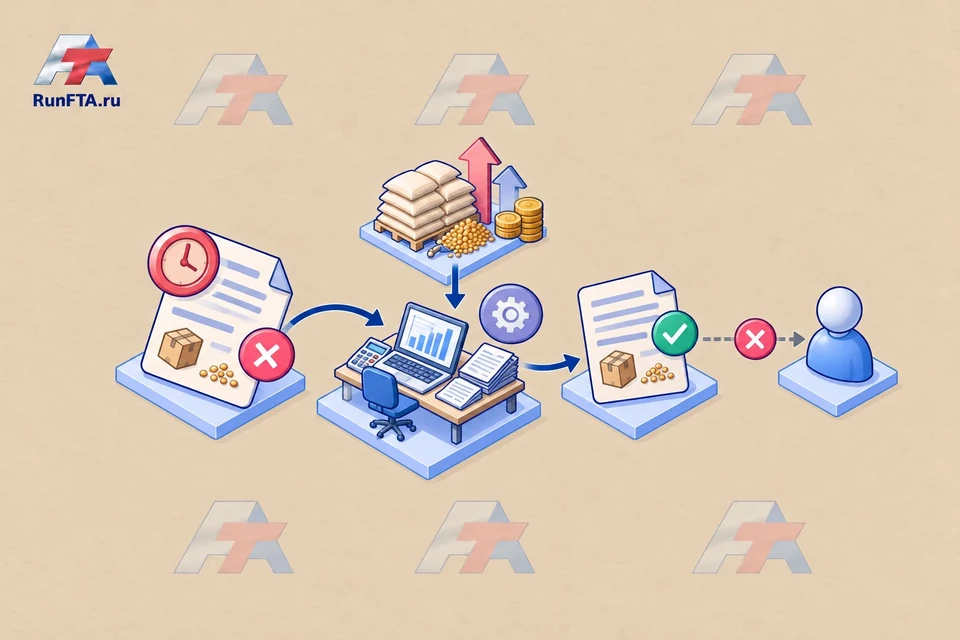
Of the 10,000-unit difference, half relates to the product price, 2,000 to transportation, 500 to insurance, and 2,500 to other services.
These lines show where the deviation occurred but not its cause—changes in exchange rates, weight, route, or terms must be confirmed separately.
If some invoices are still missing, show two values: confirmed cost and a forecast including outstanding expenses.
Do not record the absence of an invoice as the absence of an expense.
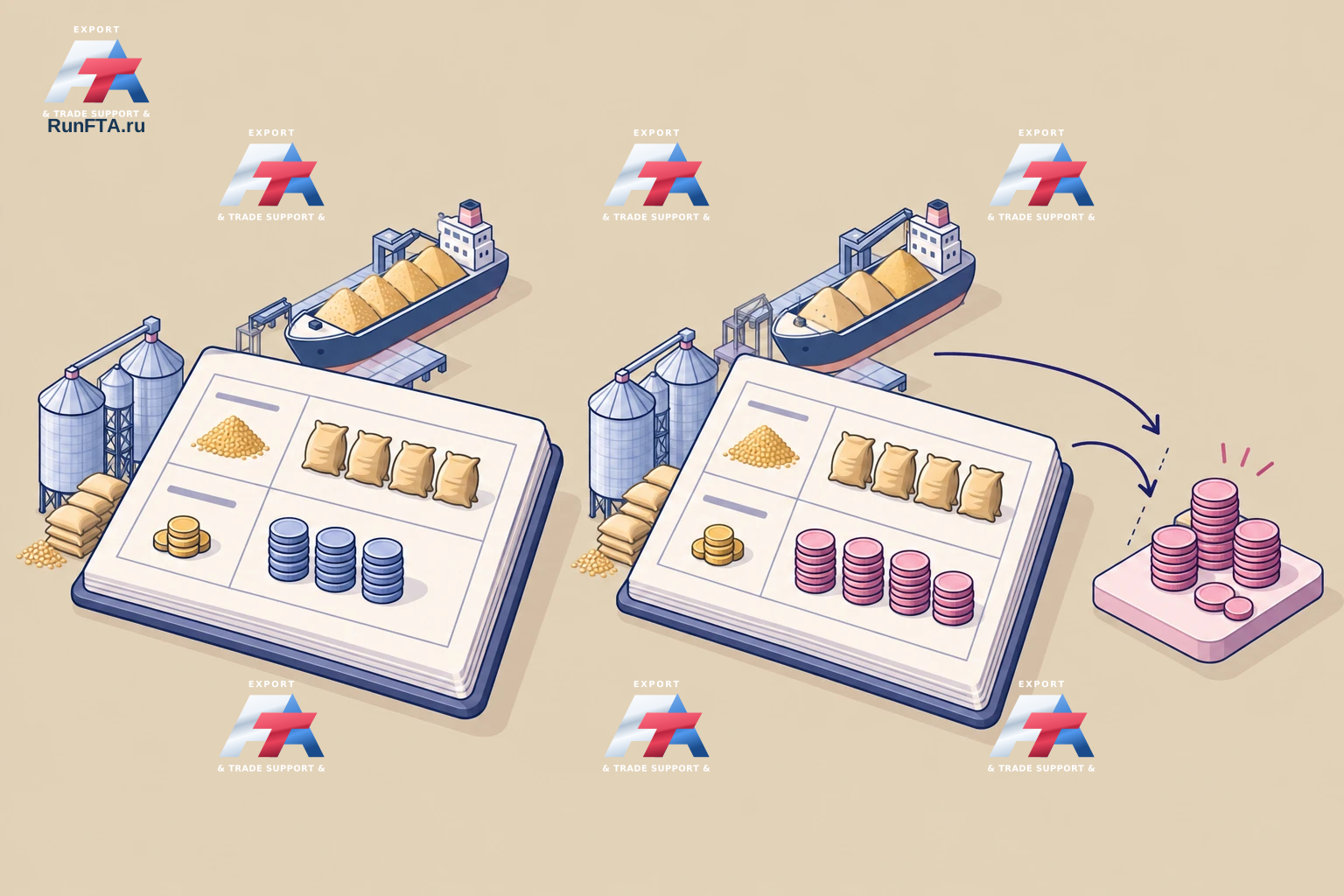
Decision for the Next Shipment
Before reordering, it is useful for the manager to receive a brief note: which deviation is confirmed by documents, which amount remains an estimate, which terms can be discussed before the new order, and who is responsible for approvals.
When comparing two offers, align them to the same volume, currency, delivery point, and service mix.
The related task is assessing the cost of serving an export buyer.
It covers team and operational costs per buyer; this article focuses on the total cost of a specific import shipment.
Struggling to identify which expenses increased the shipment cost?
I’ll help you gather delivery terms and invoices, organise reconciliation with participants, and prepare questions for a financial specialist.
Tell me the product, destination country, and procurement stage.
Suggested management workflow.
Examples are hypothetical.
Authority, contractual terms and mandatory procedures must be checked for the specific transaction; overseas guidance does not establish Russian legal requirements.
Reviewed 27 October 2026.