
Separate the Offer from the Confirmed Batch
The supplier has sent a new price, but the team is already discussing the next shipment based on the old correspondence.
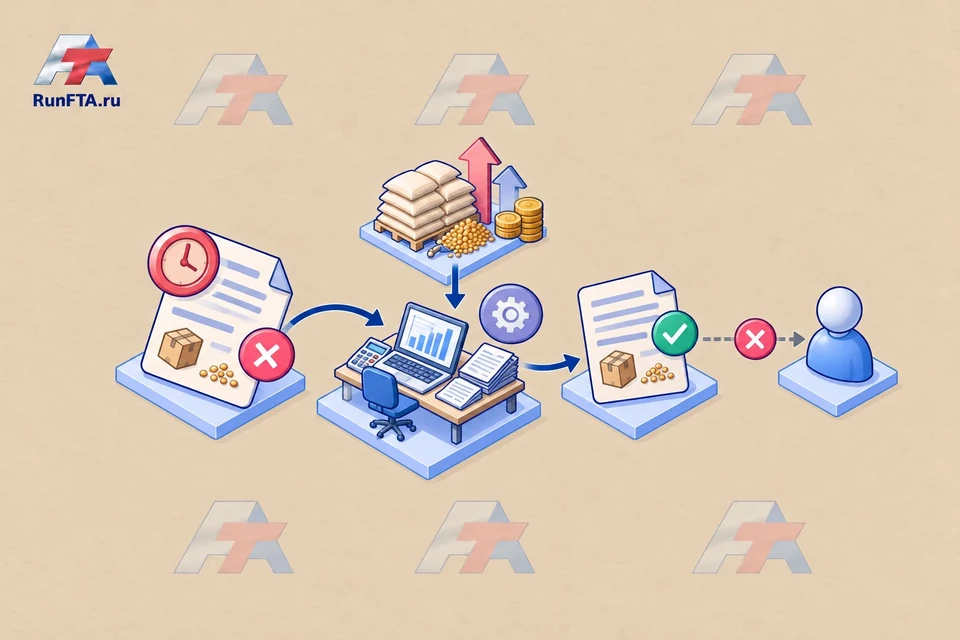
Before recalculating the entire chain, determine what the price change applies to: a future offer, an unconfirmed request, or an already agreed order.
The right to change the price and the approval process depend on the contract and applicable law; these issues should be reviewed with a lawyer.
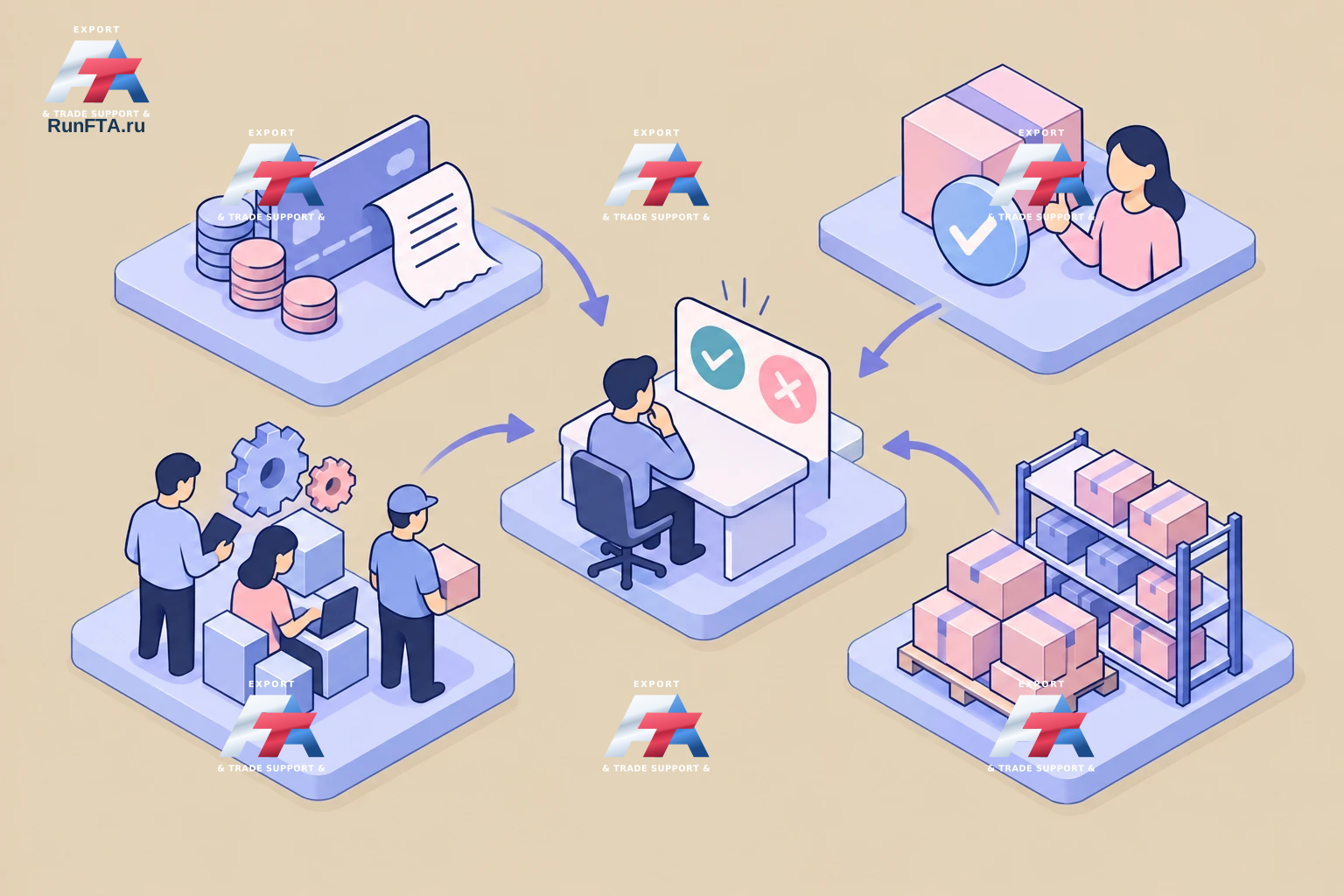
The team’s organizational task is to show which batches are affected and whose approval is required.
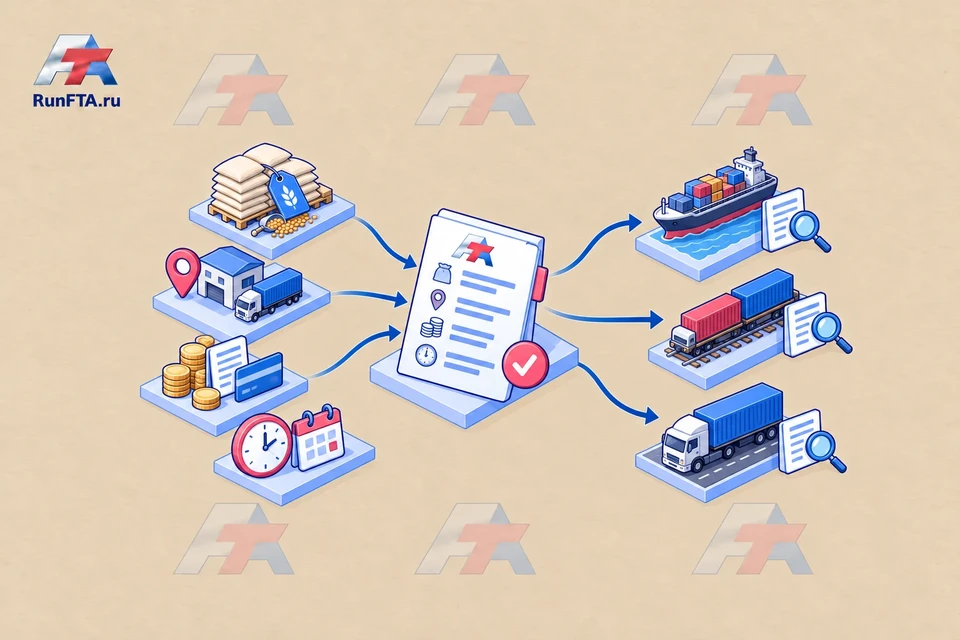
Keep the offer’s number and date, its validity period, the product, volume, currency, and delivery location.
Without identical parameters, two prices cannot be considered comparable.
The price is changing, but approvals remain scattered across correspondence?
I’ll help you compile versions, show the implications for batches, and organize communication with the supplier and the foreign buyer.
Discuss your taskCreate a Price Review Register
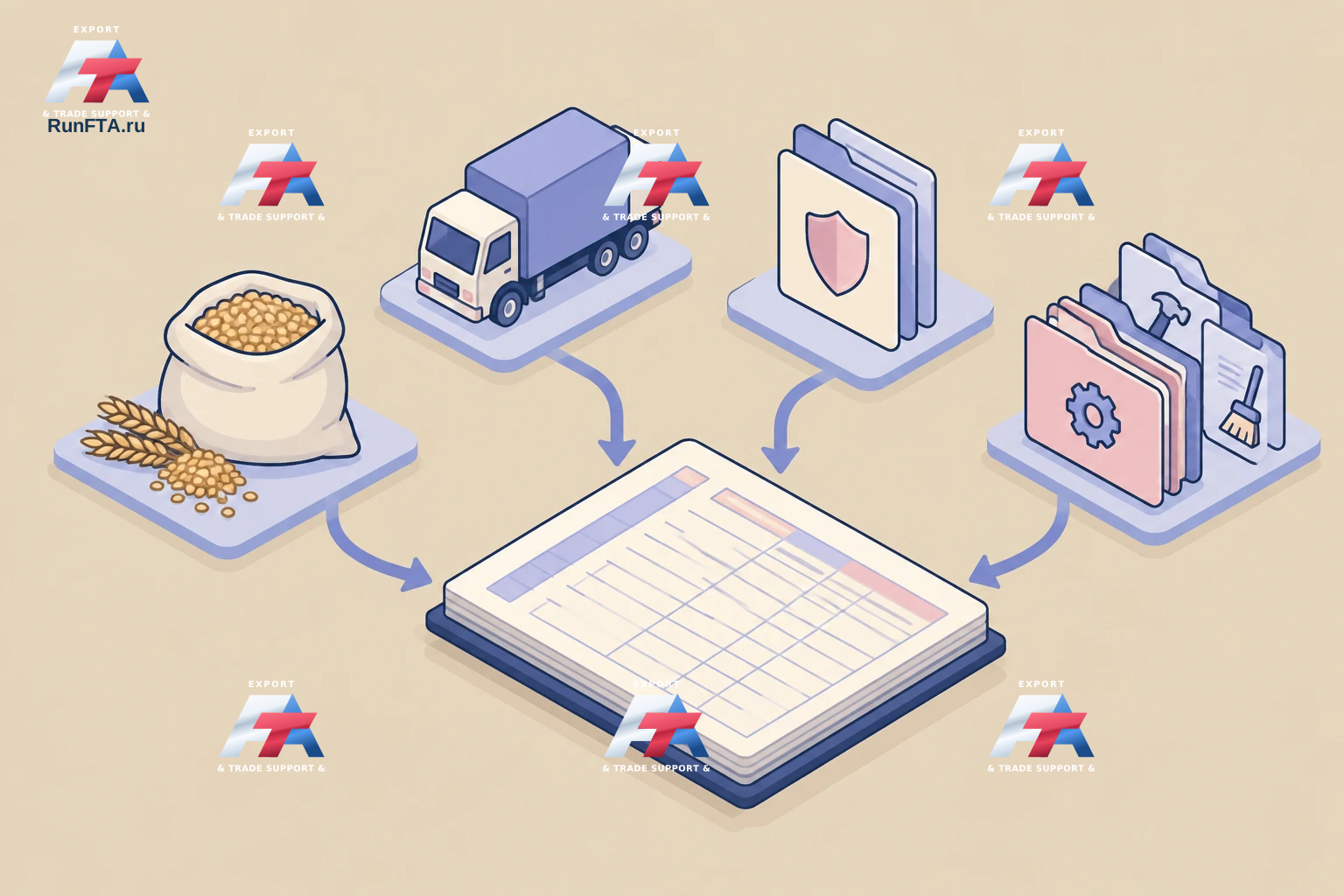
Each line in the register relates to one batch or a clearly defined future volume.
Fields to include: current accepted version, proposed version, effective date, affected costs, approval participants, and status.
Do not delete the previous price from the history.
The manager must be able to see which decision was made, on what data, and which messages relate to the new version.
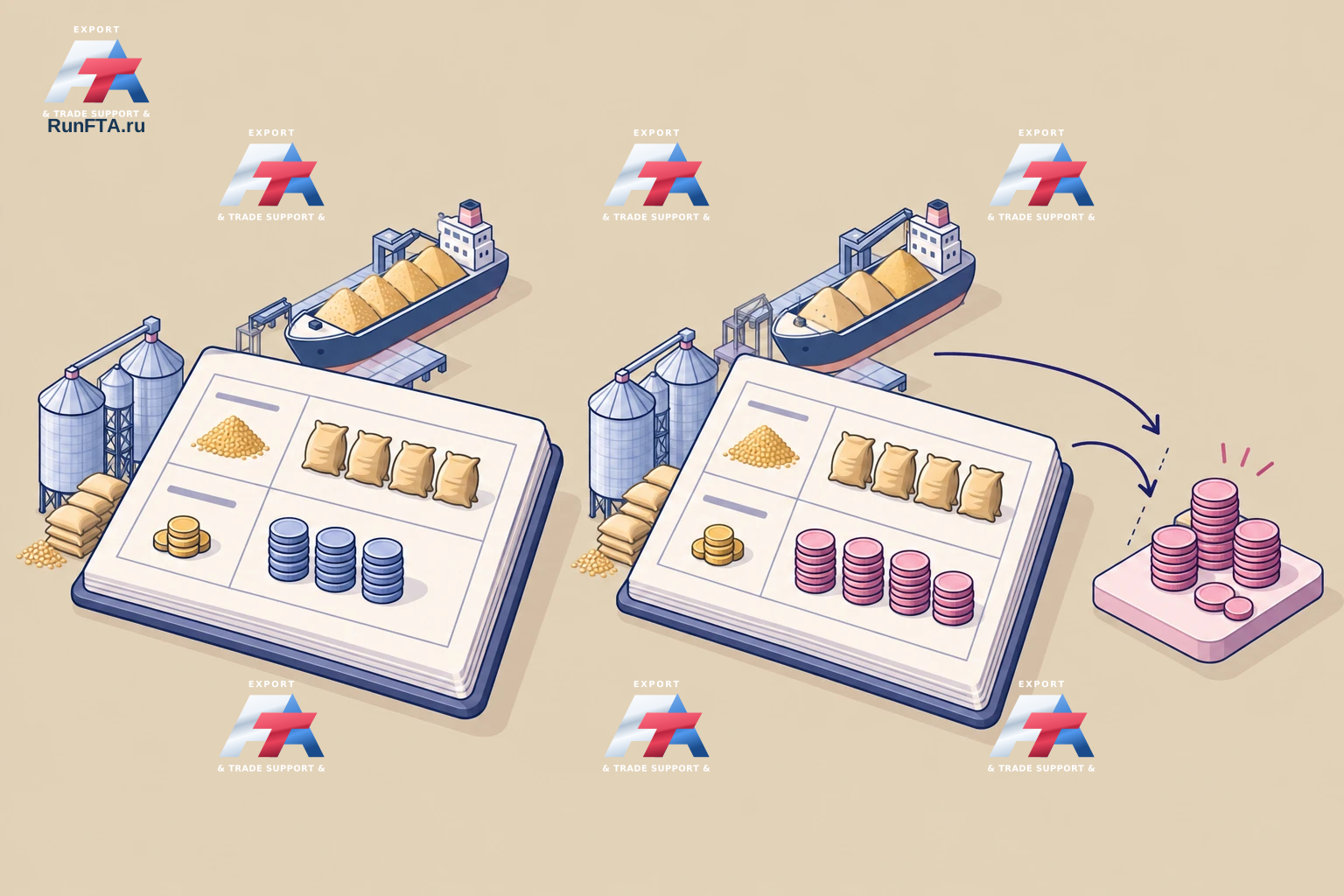
If the producer has increased the purchase price, this does not automatically mean a change in the sale price to the foreign buyer.
Show both links and check the obligations under each contract separately.
Calculate the Change Based on the Same Volume
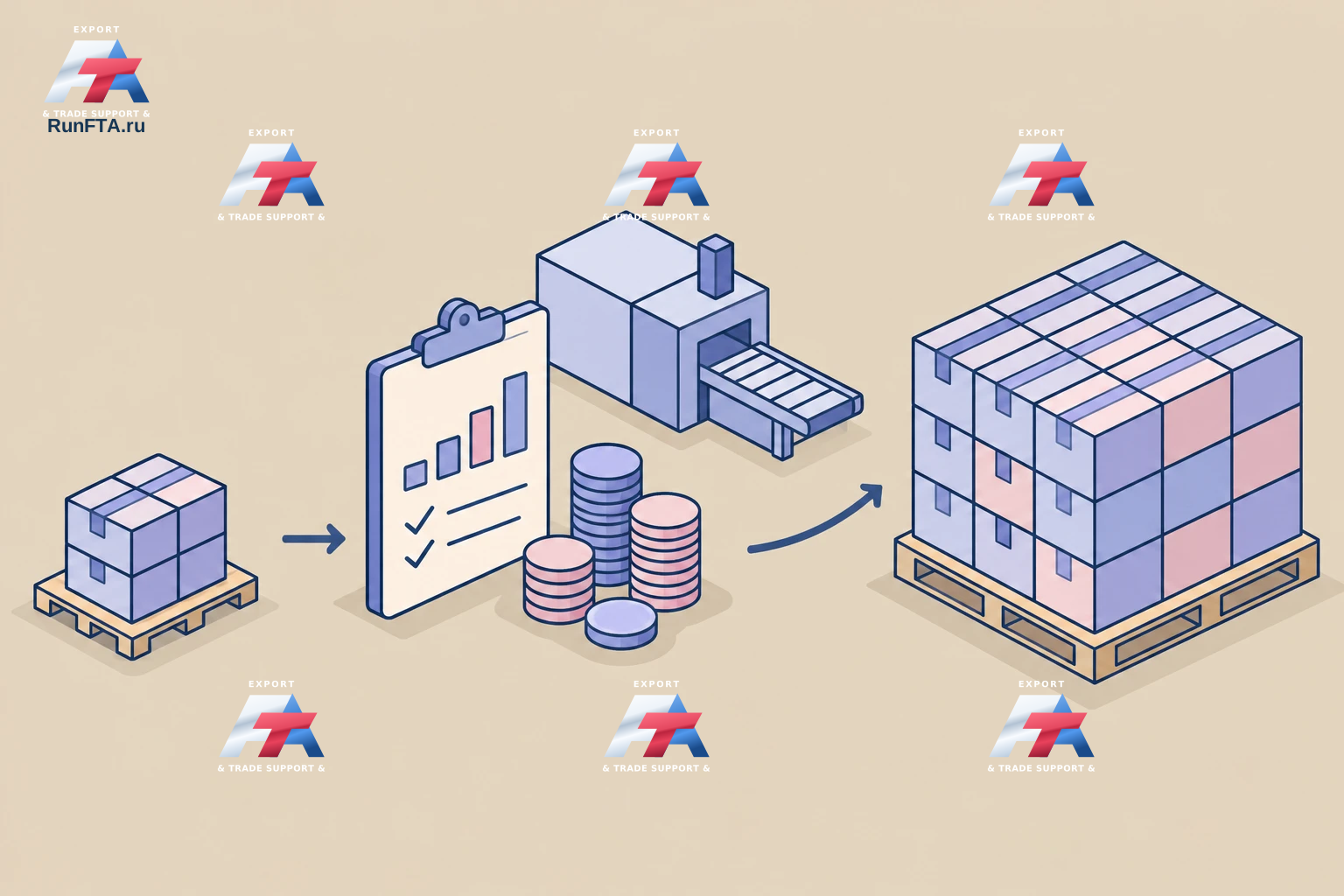
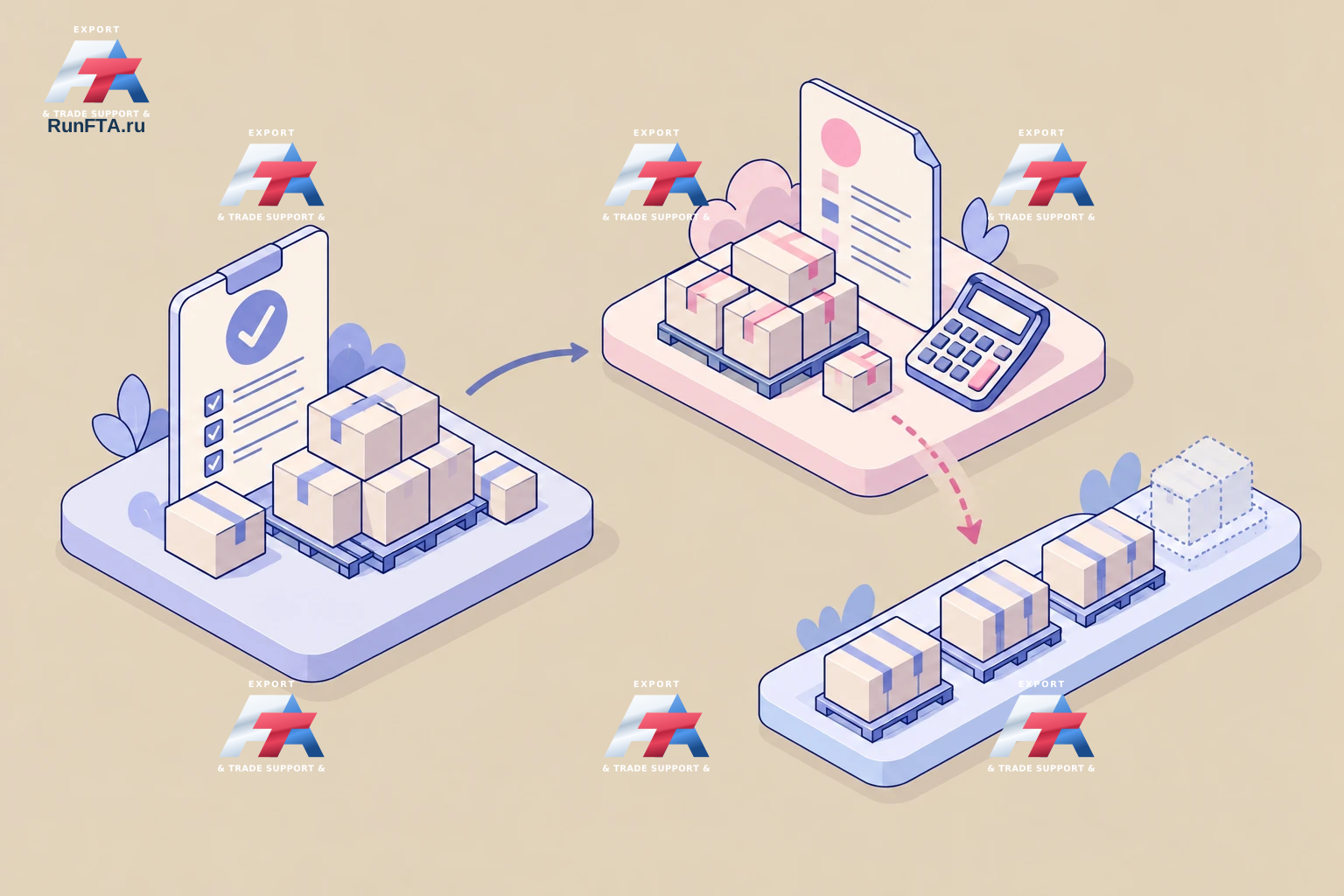
Hypothetical example: for a future batch of 100 tons, compare offers of 200 and 210 units per ton with the same service package.
The difference per batch is 1,000 units: (210 − 200) × 100.
If the second price includes delivery that was not in the first, first align the offers to the same package.
Do not attribute differences in exchange rates, quantities, or services to an increase in the product price itself.
For price indexing or formula-based pricing, agree on the source of the indicator, the observation date, and the verification process.
Do not add the formula to the working table instead of contractual agreement.
Provide the Buyer with a Specific Offer
The communication about the price review should answer the following questions: which batches are affected, what is changing, from what date, and what response is required.
Attach one accepted version of the calculation and a list of open questions.
If the buyer requests to maintain the old price, prepare options for volume, timing, or service package only after verifying their feasibility with the relevant parties.
Do not promise concessions on behalf of the producer or carrier.
Until the necessary approvals are received, use the ‘under discussion’ status.
Do not present a preliminary manager’s response as the party’s final decision.
Verify Documents Before the Next Shipment
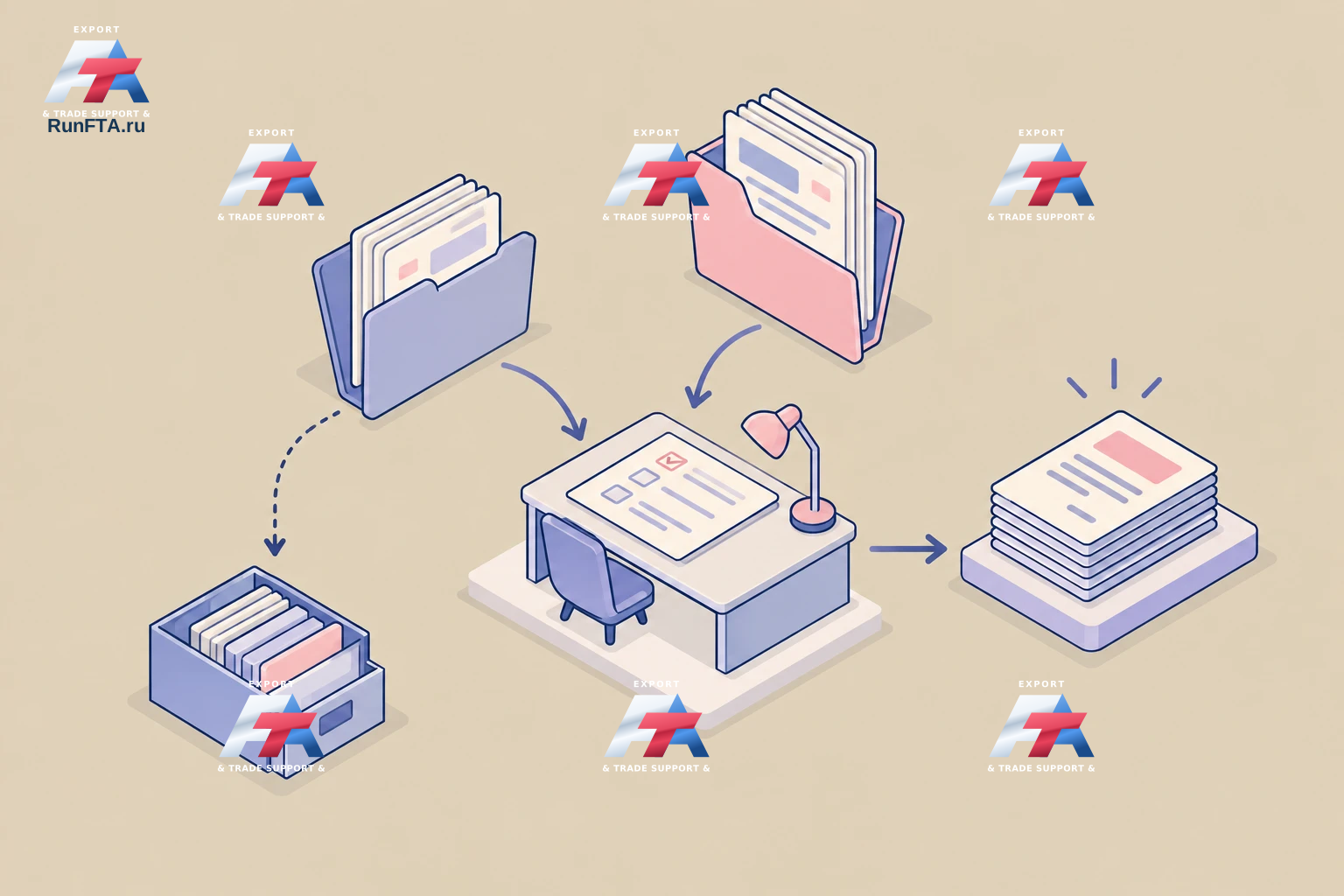
Compare the agreed price with the current specification, invoice, and internal order.
If there are discrepancies, assign an owner for corrections and a deadline for verification.
To implement the price change, follow the export order change approval process.
The price review register helps to identify in advance which future batches require such approval.
The price is changing, but approvals remain scattered across correspondence?
I’ll help you compile versions, show the implications for batches, and organize communication with the supplier and the foreign buyer.
Suggested management workflow.
Examples are hypothetical.
Authority, contractual terms and mandatory procedures must be checked for the specific transaction; overseas guidance does not establish Russian legal requirements.
Reviewed 27 October 2026.