The Same Word ‘Weight’ Hides Different Boundaries
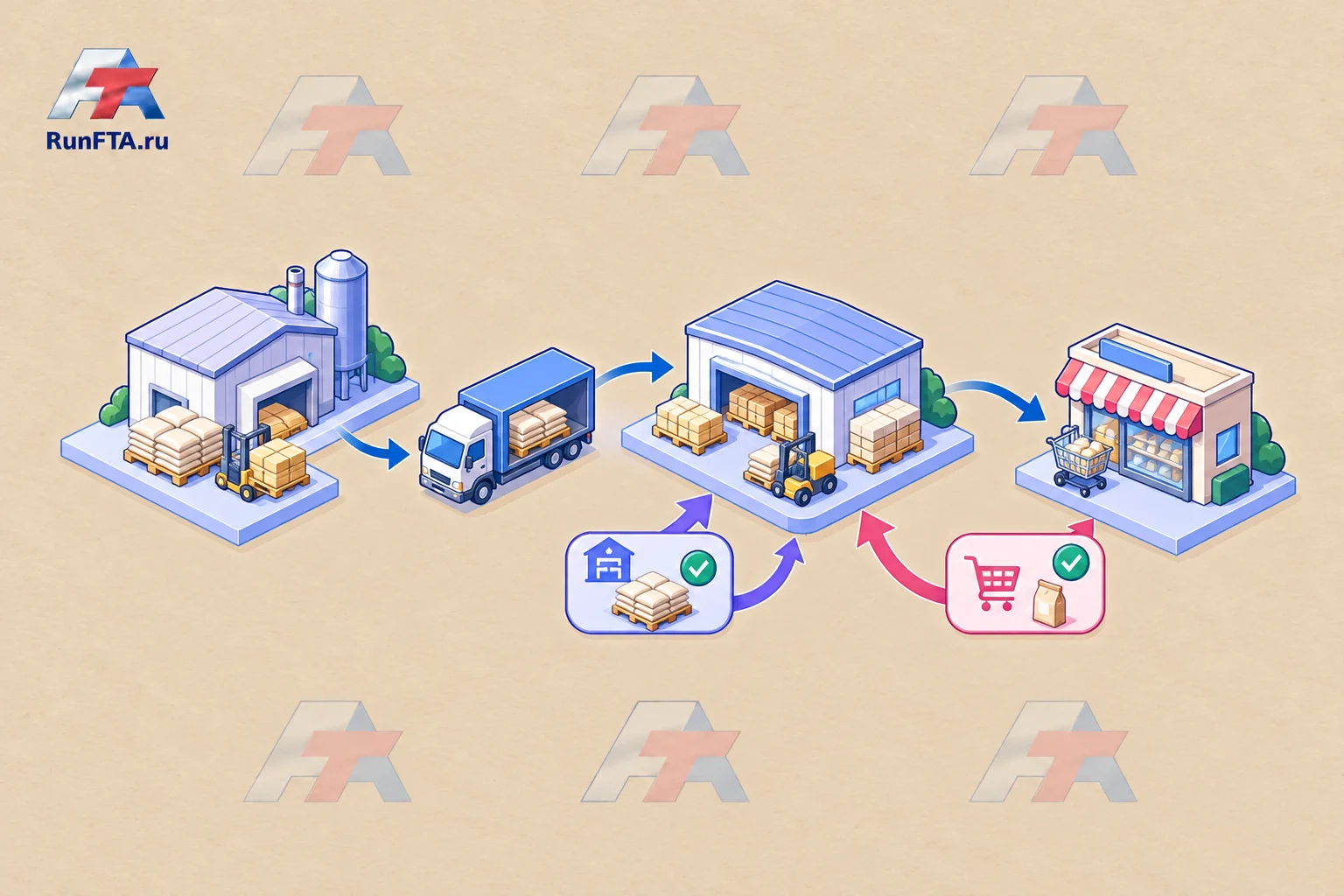
The invoice shows the mass of the goods, the warehouse has provided the mass of packed units, and the carrier has requested the mass of the loaded container.
These numbers may differ without error.
An error begins when one value is copied into another field without clarifying what it includes.
It is useful for the team to label not only the unit but also the measurement boundary: goods without packaging, goods with specific packaging, or the entire loaded container.
The meaning of the term in a specific document is clarified according to its completion rules.
Let’s discuss shipment mass reconciliation in your company
I can help you review shipment mass reconciliation, connect documents and confirmations, and identify the participants and next steps.
We can also discuss similar difficulties and related foreign trade tasks in your company.
We will agree on the scope before work begins.
Start with a List of Measurement Objects
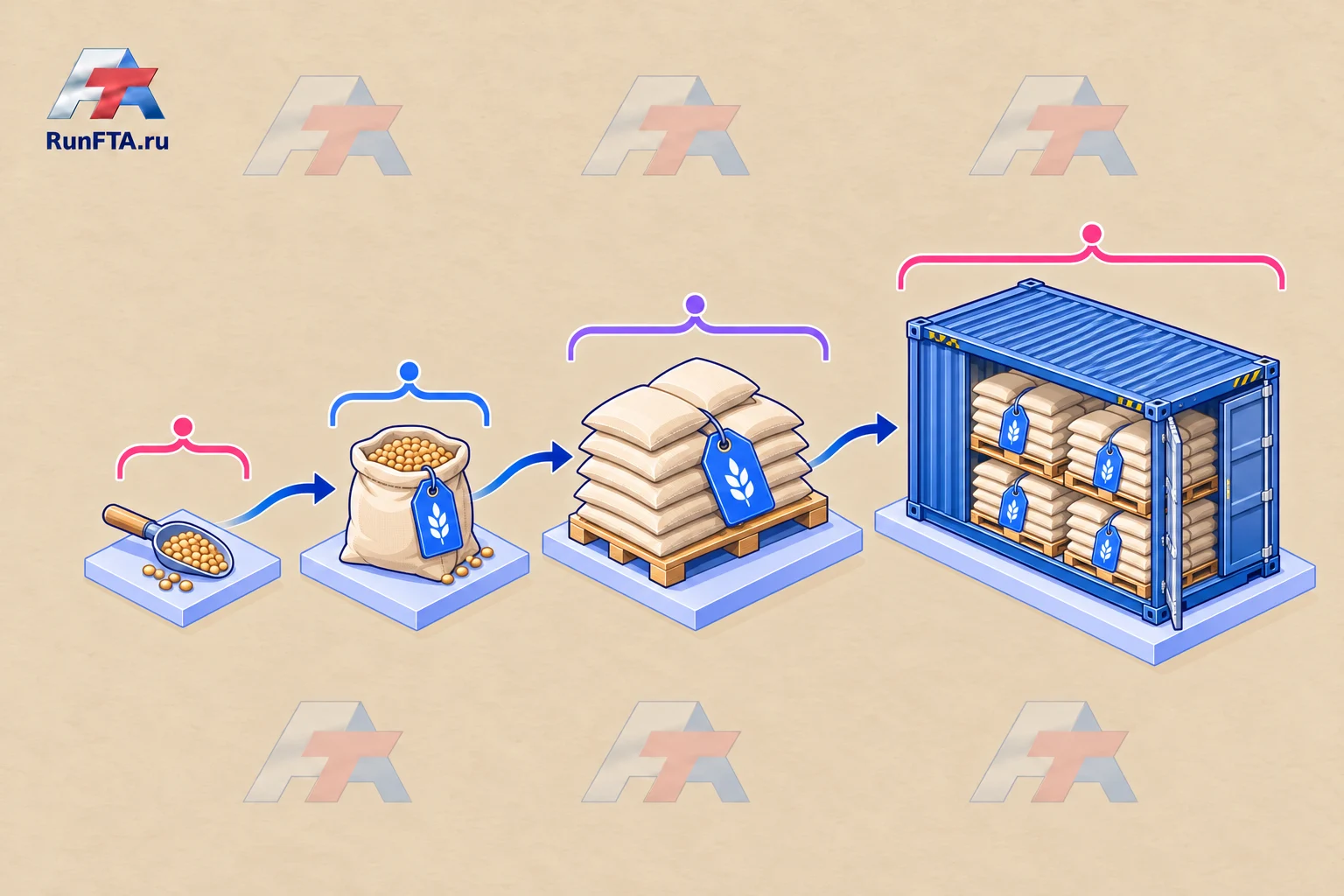
Make a list: product, bag or box, pallet, fastening materials, container.
For each entry, specify which components are included.
The tare of consumer packaging, the pallet and the container itself are not the same.
Check the units and accuracy of the initial measurements.
Metric tonnes are converted to kilograms by multiplying by a thousand, but this operation does not correct an incorrect weighing boundary.
When calculating by components, you must not add packaging again if it is already included in the mass of the units.
The confirmed mass of the loaded container (VGM) has a separate purpose in sea transport.
A regular reconciliation table does not automatically make the calculation suitable for submitting VGM.
Educational Calculation Without Double Counting
Let’s assume the product mass is 20,000 kg, bags are 100 kg, pallets are 300 kg, fastening materials are 50 kg, and the container is 2,200 kg.
All numbers are hypothetical, not real equipment specifications.
| Boundary | Educational Total |
|---|---|
| Product Only | 20,000 kg |
| Product and Bags | 20,100 kg |
| Product, Bags and Pallets | 20,400 kg |
| Entire Loaded Container with Fastening | 22,650 kg |
The last number is the arithmetic sum of the example, not a ready VGM document.
The confirmation method and participants’ authority are checked separately.
If the warehouse has already provided 20,400 kg, you must not add bags and pallets again.
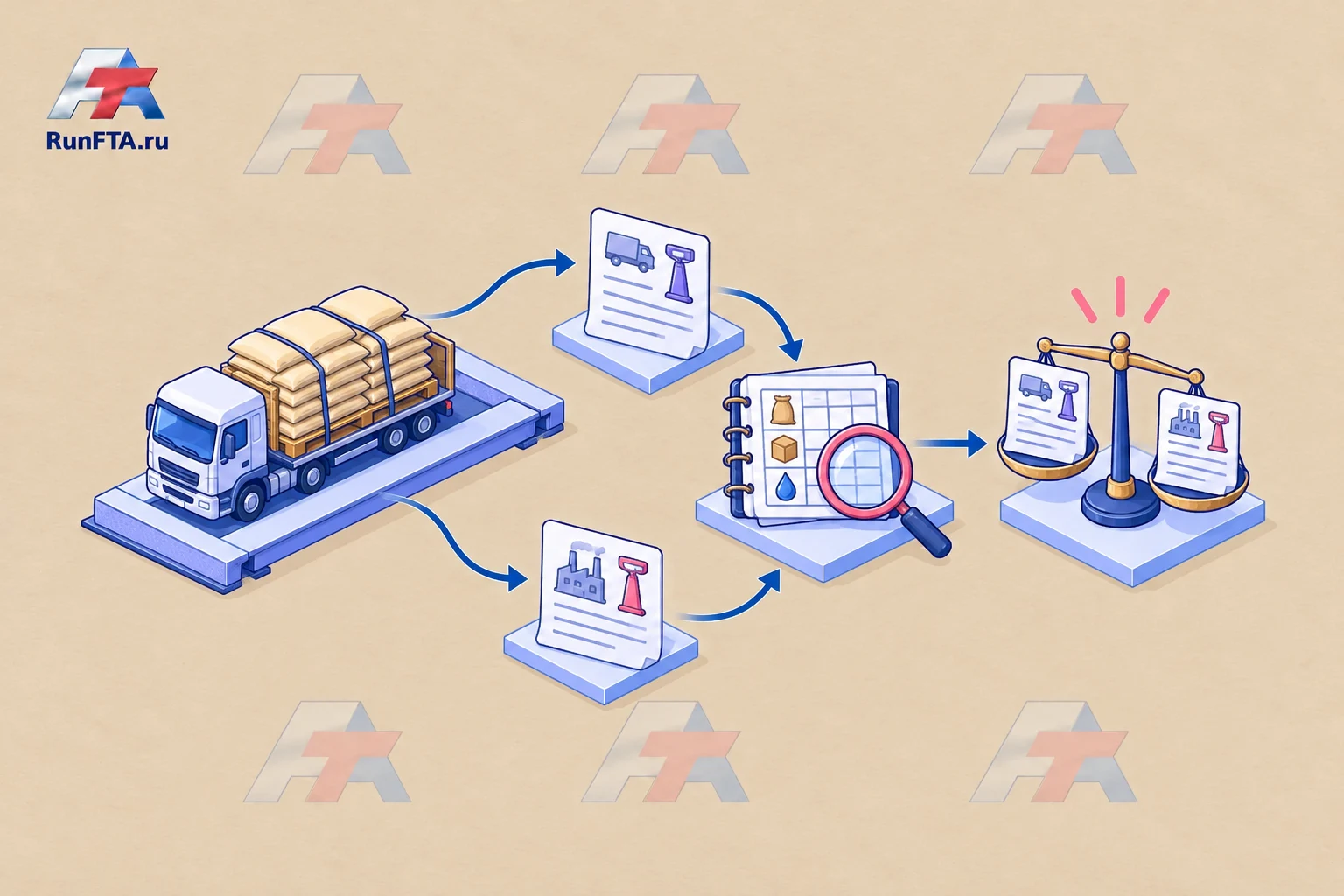
Analyse Discrepancies Based on Original Records
Compare the date, batch, packaging composition, weighing method and equipment.
Find out whether the number of units has changed after receiving the weight document.
Do not choose a convenient number from two different measurements.
Keep the original records and explanation of the adjustment.
If the reason is unknown, leave the issue open and schedule a recheck.
The difference cannot be automatically declared as a loss of goods: first, rule out differences in boundaries, units and completeness.
Assign an Owner to Each Value
The warehouse confirms the actual configuration and its measurements.
The coordinator matches them with the documents.
The VGM responsible person organises a separate procedure according to applicable rules.
The manager approves the distribution of authority before shipment.
Link the data with container VGM preparation.
A good reconciliation result means that for each number, the composition, source and purpose are clear.
This allows you to fix the cause of the discrepancy rather than adjust the documents to fit each other.
A practical management guide.
Examples are illustrative.
Check requirements and contractual terms for the specific product, country and shipment.
Internal forms do not replace official procedures.
Sources checked on 25 October 2026.