
Cheap freight does not mean a ready-to-go shipment
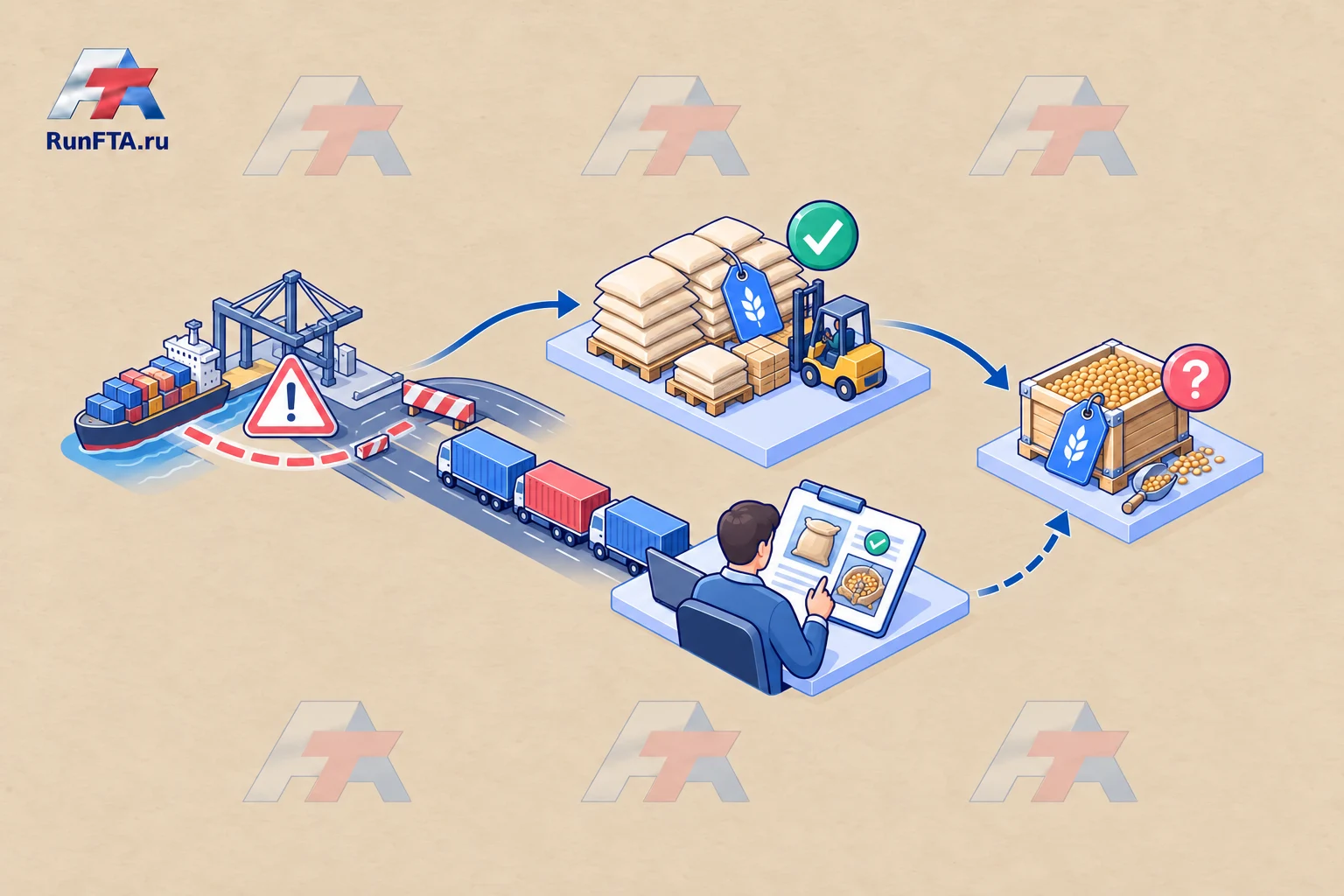
In a training scenario, an oil seller received a container rate, but the recipient did not confirm the unloading equipment.
If this is discovered after shipment, discussions will focus on delays and additional work.
Therefore, before ordering, you need to agree on the entire chain: the product, the transportation system, and acceptance.
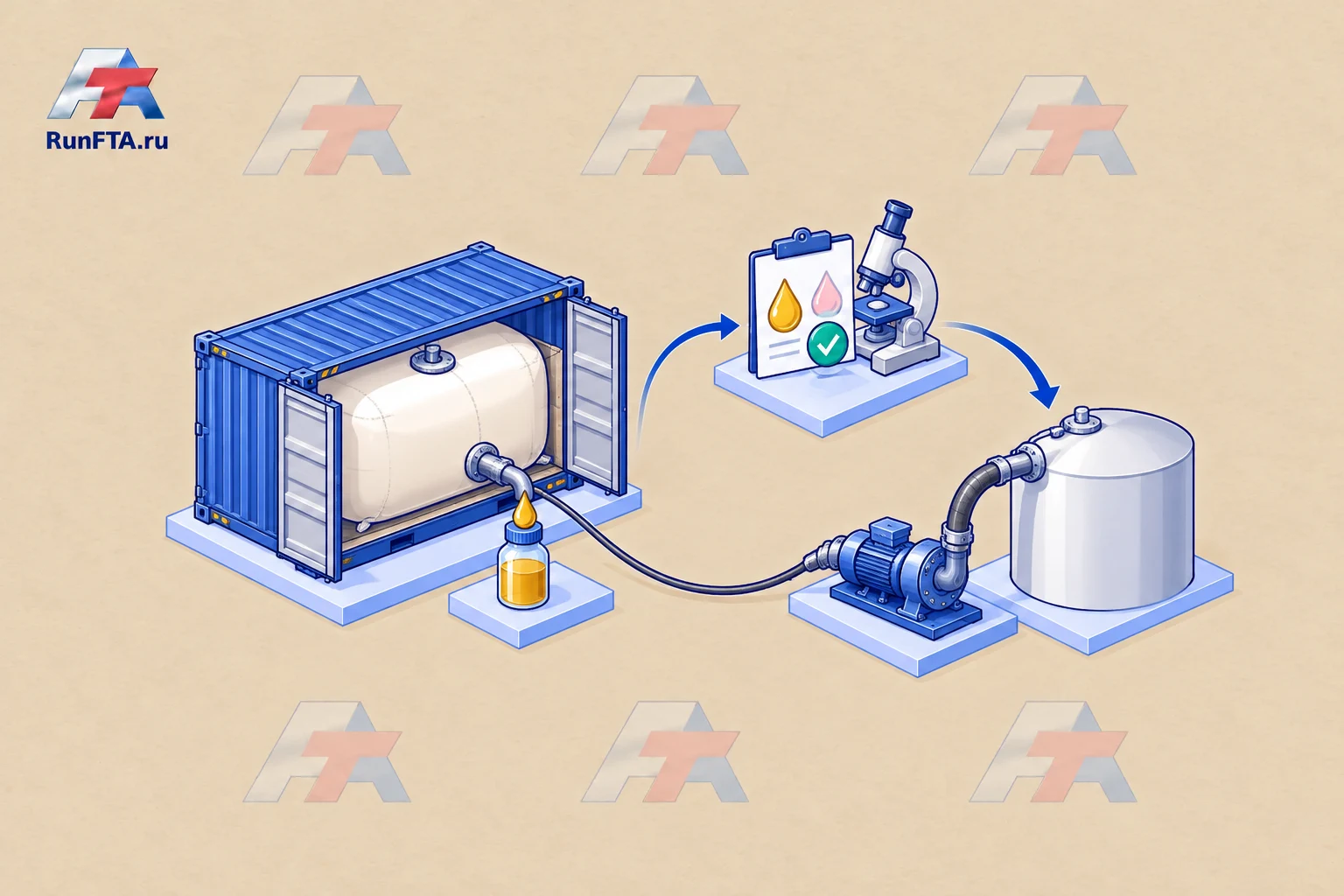
The COA describes a flexitank as a system that includes the flexible bladder, freight container, fittings and restraining system.
The operator, together with technical participants, checks the suitability for a specific oil.
The coordinator collects their responses rather than setting the filling parameters independently.
Let’s discuss edible-oil shipment preparation in your company
I can help you review edible-oil shipment preparation, connect documents and confirmations, and identify the participants and next steps.
We can also discuss similar difficulties and related foreign trade tasks in your company.
We will agree on the scope before work begins.
Provide the operator with a description of the product and route
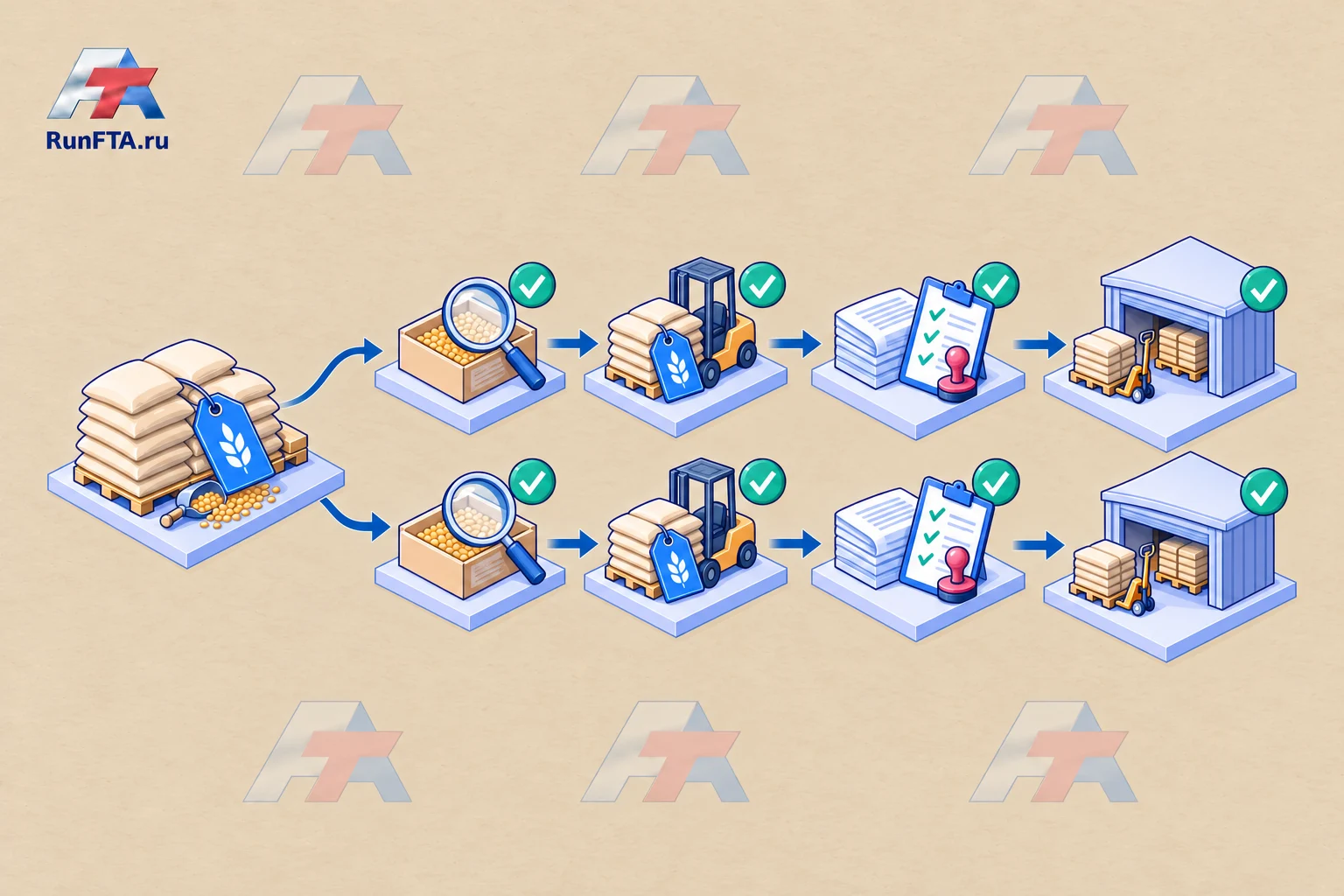
The manufacturer confirms the type of oil, its condition, and the characteristics needed to select equipment.
The operator checks the compatibility of the system with the product and transportation conditions.
The carrier confirms acceptance of the agreed system on a specific route.
The recipient separately describes the unloading location, available equipment, connections, and site restrictions.
If heating is required, the technical solution and permissible parameters must be agreed upon by competent participants.
There is no universal temperature for all oils.
Keep the system identifier and the version of the technical specifications.
A response about a similar product or a different route does not resolve the issue for this shipment.
Approval card before ordering
This is an internal company form, not a technical installation manual.
| Question | Who confirms | What to keep |
|---|---|---|
| What product are we shipping? | Manufacturer | Current specification |
| Is the system suitable? | Operator | Response for the specific product |
| Does the carrier accept it? | Carrier | Specific transportation conditions |
| How will it be unloaded? | Recipient and operator | Agreed acceptance plan |
| Who acts in case of deviation? | Contract parties | Contacts and notification procedure |
Leave an empty row as an open question with the owner and a response deadline.
Do not replace a lack of confirmation with a note like ‘we usually ship this way’.
Address exceptions before shipment
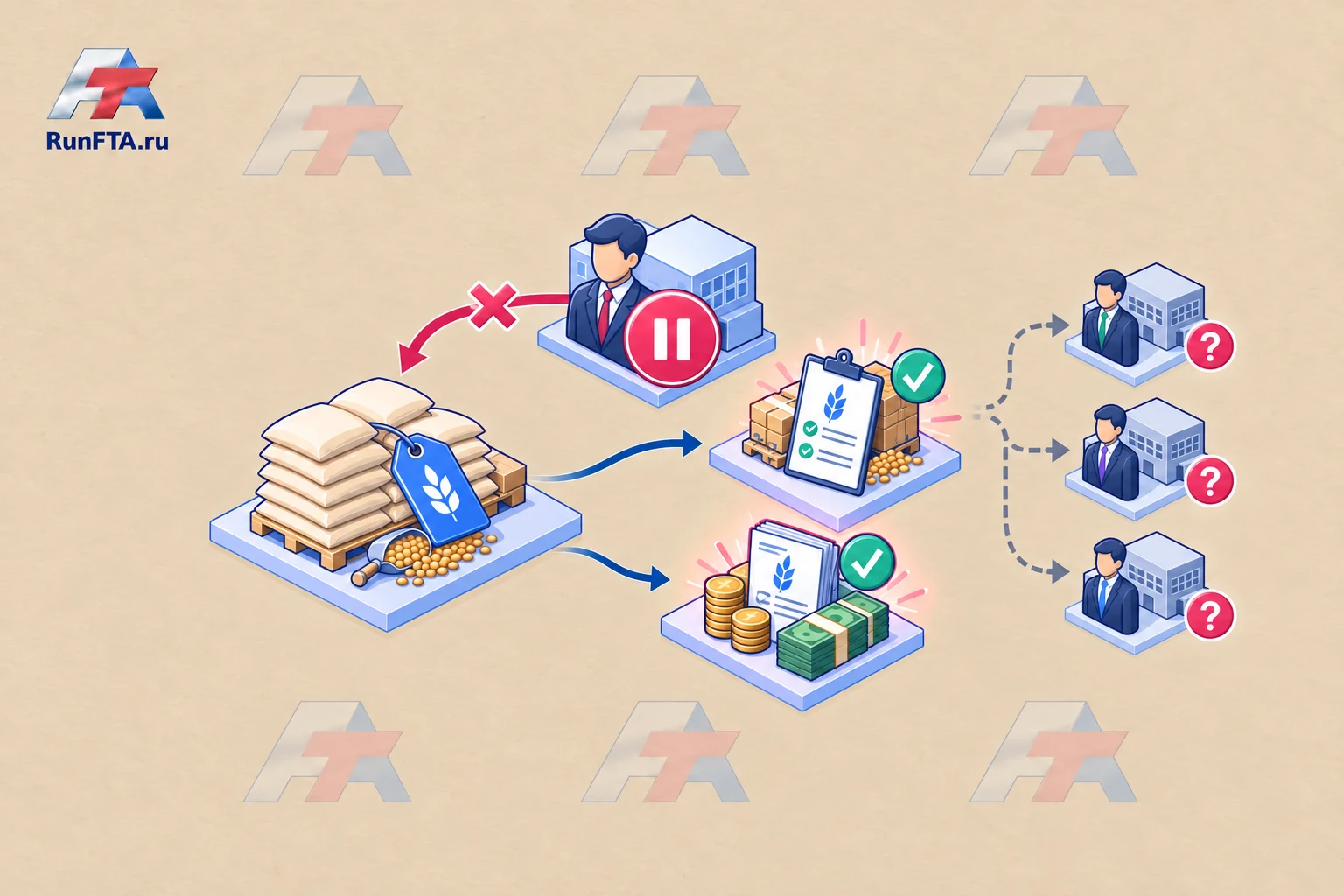
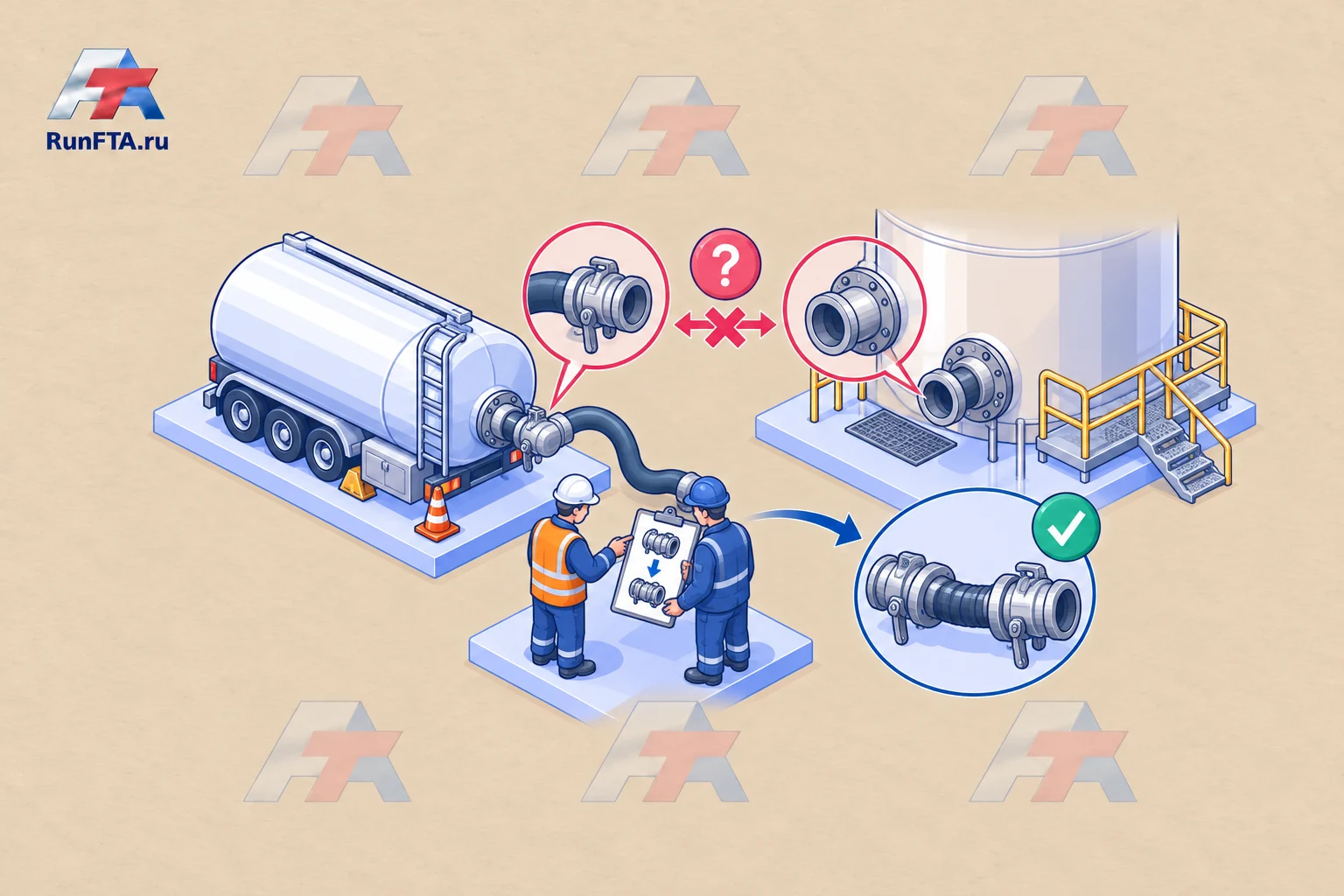
Training example: the receiving warehouse confirmed the pump but not the connection to the system’s fittings.
The coordinator forwards the description to the operator and recipient, obtains a joint solution, and updates the plan.
Unauthorized equipment modification by a warehouse employee does not constitute approval.
Separately clarify responsibility for installation, inspection, unloading, and handling of the used container.
A participant’s status in the COA industry list is useful for verification but does not guarantee the suitability of any decision for any shipment.
Close preparation with a set of confirmations
Before ordering, the manager should see responses on specific conditions, not a set of promotional brochures.
Verify that the commercial rate applies to the same product, route, and equipment agreed upon by technical participants.
Link the card to the export shipment document register.
If the product, system, or unloading site changes, return the affected questions for verification.
Readiness is confirmed compatibility of the entire chain, not just the presence of a container.
A practical management guide.
Examples are illustrative.
Check requirements and contractual terms for the specific product, country and shipment.
Internal forms do not replace official procedures.
Sources checked on 25 October 2026.