
Language skills are not enough for your meeting
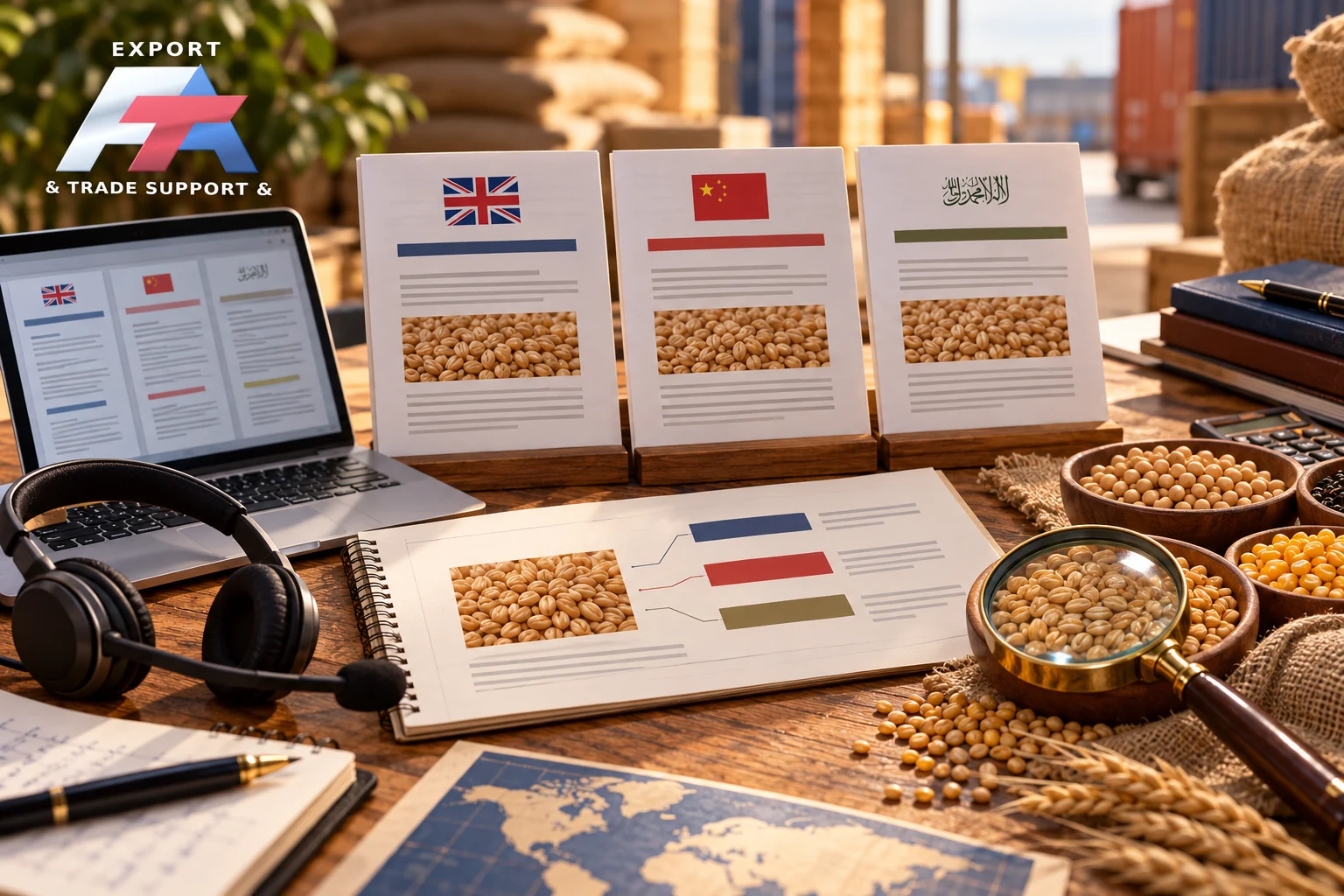
At a meeting with a Chinese delegation, they discuss the grain specification, deadlines, and the responsibilities of the participants.
The interpreter is seeing the product names for the first time and doesn’t know who has the authority to agree on a price change.
Even a good specialist will waste time figuring out the context right at the table.
Prepare a short brief before the meeting.
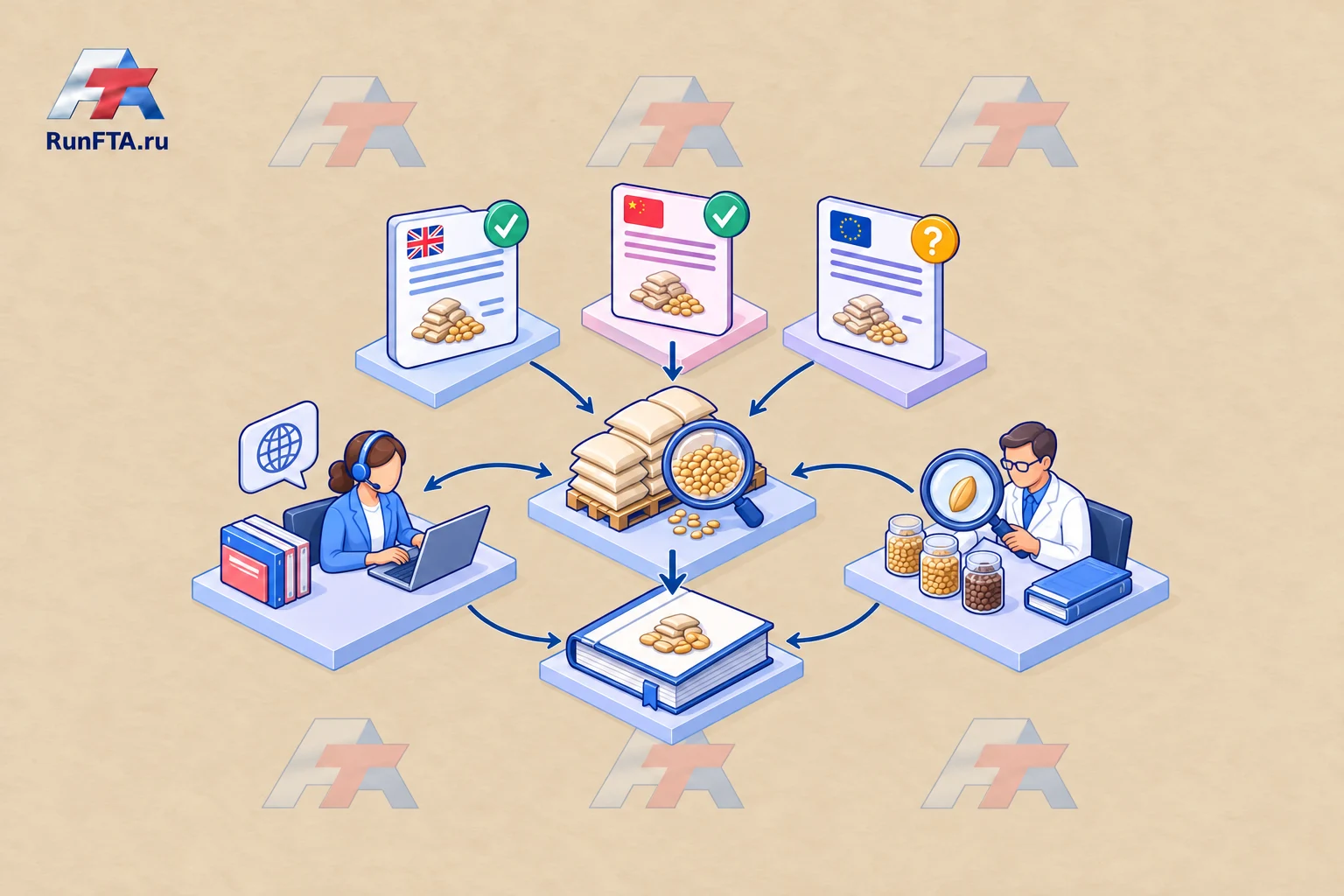
Its task is to provide the interpreter with context and organize the work of the participants.
The interpreter conveys the meaning of what is said; the right to negotiate on behalf of the company and make decisions is determined separately.
Discuss an interpreter brief for negotiations for your business
I can help structure an interpreter brief for negotiations, gather the required information and evidence, and agree responsibilities and next steps.
We can also discuss similar difficulties and related foreign trade tasks.
We agree the scope and any specialist involvement before work starts.
Put together a working set
| Section | What to provide and agree on |
|---|---|
| Participants | Names, positions, companies, and roles in the discussion |
| Goal | Meeting issues and the expected working result |
| Materials | Agreed versions of the presentation, specification, and agenda |
| Terms | Product names, abbreviations, units, and complex designations |
| Organization | Languages, interpreting format, location, duration, and equipment |
| Boundaries | Confidentiality, access to materials, and roles of decision-makers |
Discuss the team of interpreters, breaks, and technical conditions with the interpreting provider in relation to the meeting.
There is no universal rule for the number of people or duration here.

Check numbers and names before starting
Highlight the items where an error changes the meaning: the name of the crop, the quality indicator, the unit of mass, the currency, the date, and the delivery location.
Give the interpreter the opportunity to ask questions before the delegation arrives.
Hypothetical example: the agenda indicates a figure in percentages, while the presentation shows a different unit.
The organizer’s task is to return the discrepancy to the document author, not to ask the interpreter to choose a convenient version.
ATA recommends providing context, names, goals, and materials in advance; this is a professional recommendation, not a guarantee of error-free negotiations.
Organize a clear flow of conversation
Agree on the order of speeches and the possibility of a clarifying question.
Participants should understand when to pause for translation.
It is convenient to additionally display important numbers and final formulations in agreed written form.
If a new proposal appears, label it as a proposal.
The interpreter should not turn it into a confirmed obligation.
The organizer records who should review the issue and how the parties will confirm the outcome after the meeting.

What to keep after negotiations
Update the list of terms and share the working record with the participants using the agreed method.
Do not attribute the taking of commercial decisions to the interpreter.
Return unclear or disputed formulations for clarification before using them in transaction documents.
Next, use the action register based on negotiation outcomes.
The brief prepares the conversation, and the register helps verify which actions were actually agreed upon and who is responsible for them.
Internal management guidance; examples are hypothetical.
Overseas sources do not establish Russian legal requirements.
Check authority, contract terms, restrictions and mandatory procedures for the specific transaction.
Reviewed 26 October 2026.