The trip must answer procurement questions
A supplier invites a foreign buyer to visit a vegetable oil production facility.
After the tour, there are photos of the equipment, but it’s unknown which site will produce the order and which part of the process the partner is responsible for.
The visit turned out to be a familiarization tour, although the manager expected a readiness check.
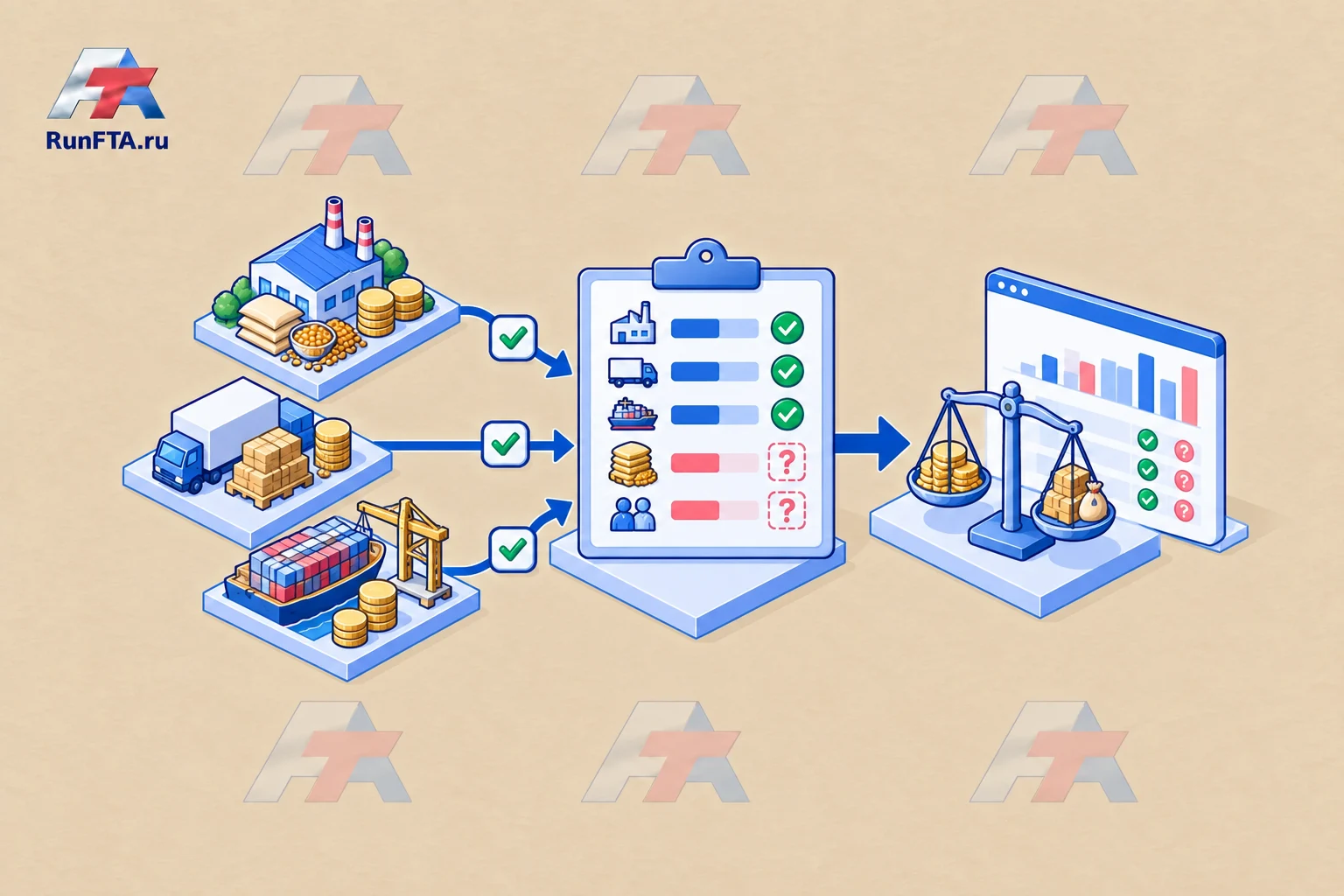
Before the trip, define the useful outcome: confirm specific information, identify gaps, and decide what further checks are needed.
The visit is not an automatic confirmation of batch quality, site ownership, or product market access at the destination.
Discuss a supplier site-visit plan for your business
I can help structure a supplier site-visit plan, gather the required information and evidence, and agree responsibilities and next steps.
We can also discuss similar difficulties and related foreign trade tasks.
We agree the scope and any specialist involvement before work starts.
Prepare the route and participants
Request the exact address, the name of the hosting organization, the contact of the responsible person, and a list of accessible areas.
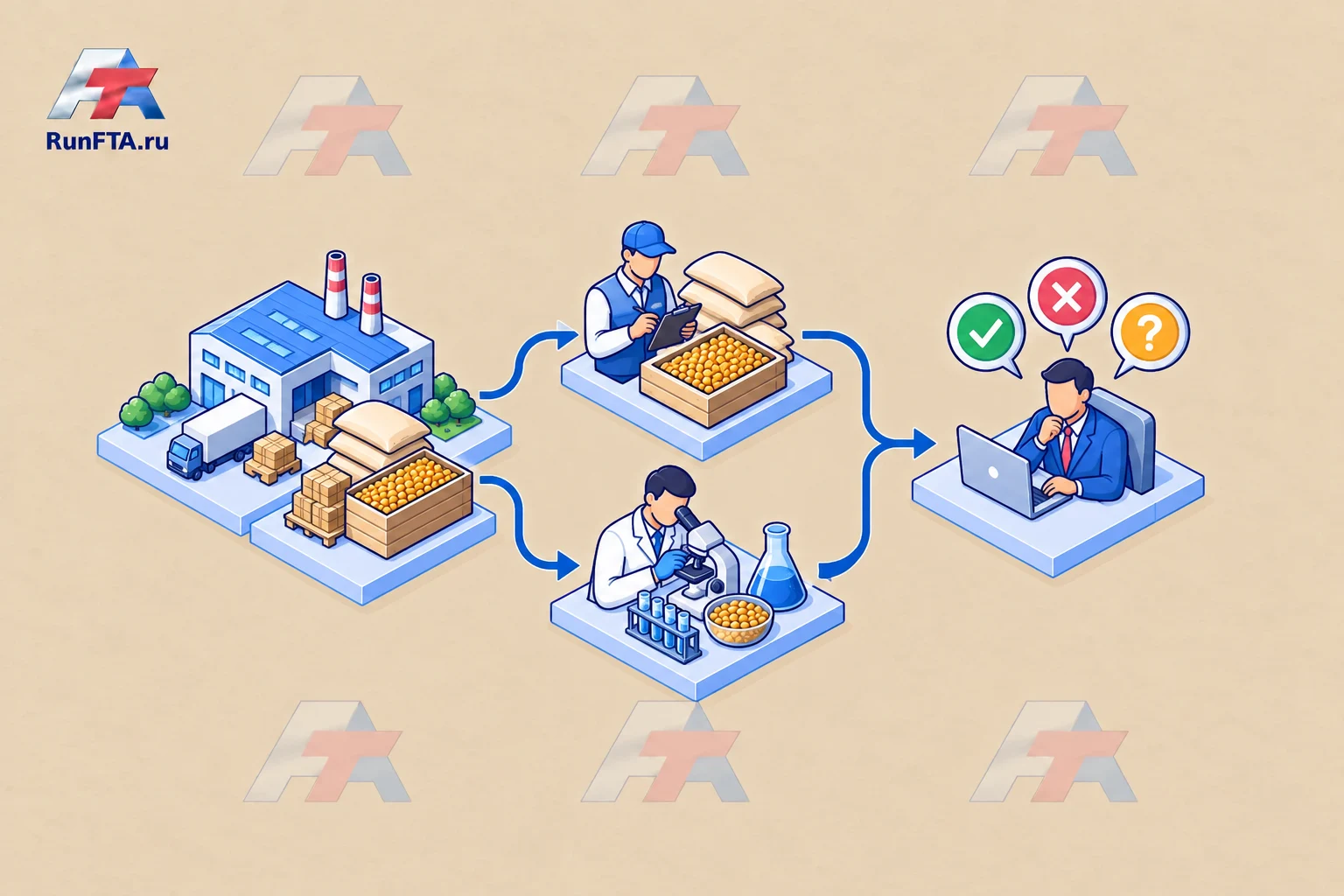
Clarify who is responsible for production, packaging, and storage: different operations may be handled by different parties.
Agree on access rules, safety protocols, photography, and handling of confidential materials.
Send questions in advance.
The buyer sets requirements for the outcome, the interpreter ensures accurate communication, and the technical specialist evaluates issues within their area of expertise.
The trip organizer should not substitute for a technologist or inspector.
Assign a person who is authorized to provide an answer to each important question.
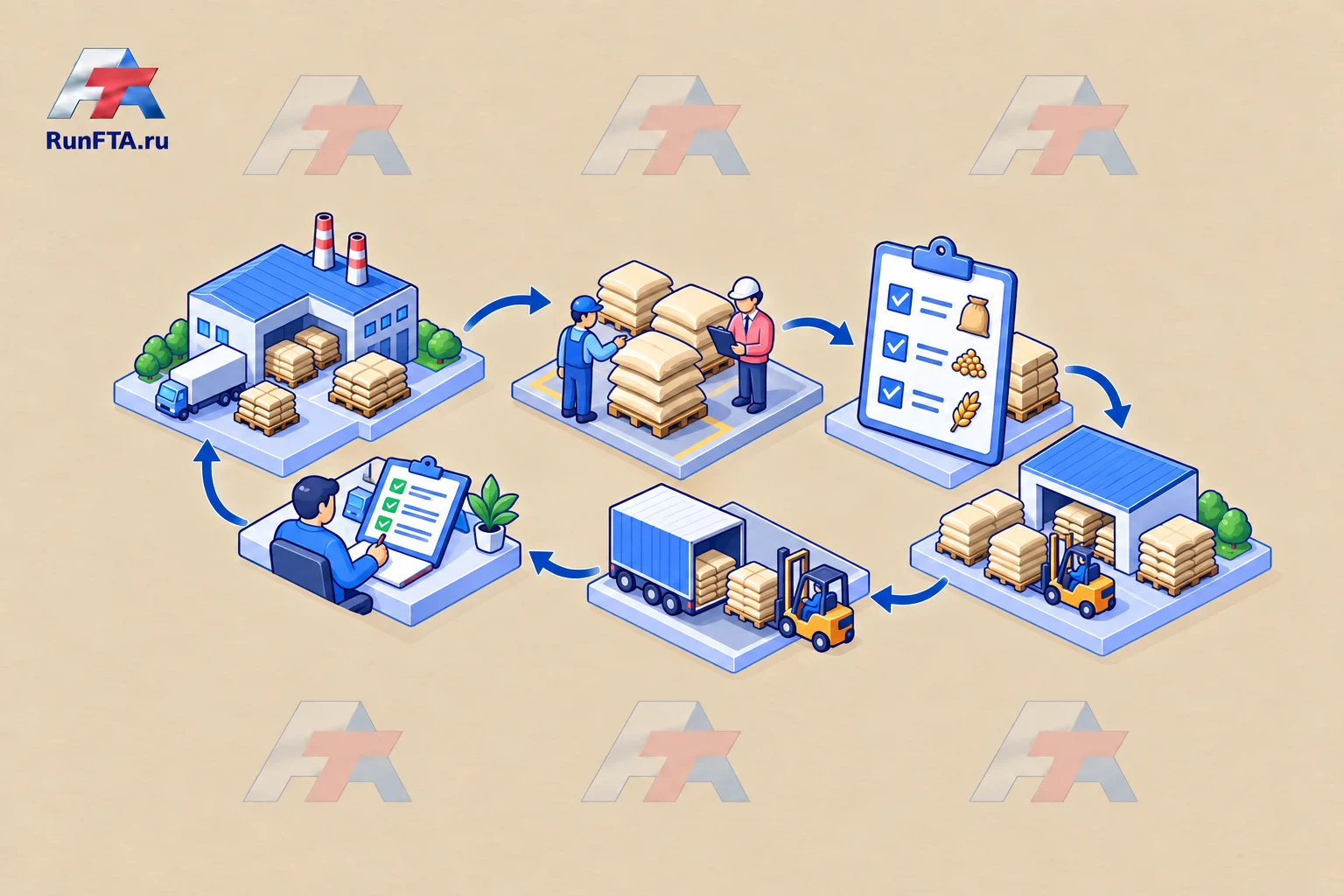
Visit work card
| Area | Question | Evidence | Limitation |
|---|---|---|---|
| Production | Where is the order expected to be produced? | Address and explanation from the responsible person | The plan may change |
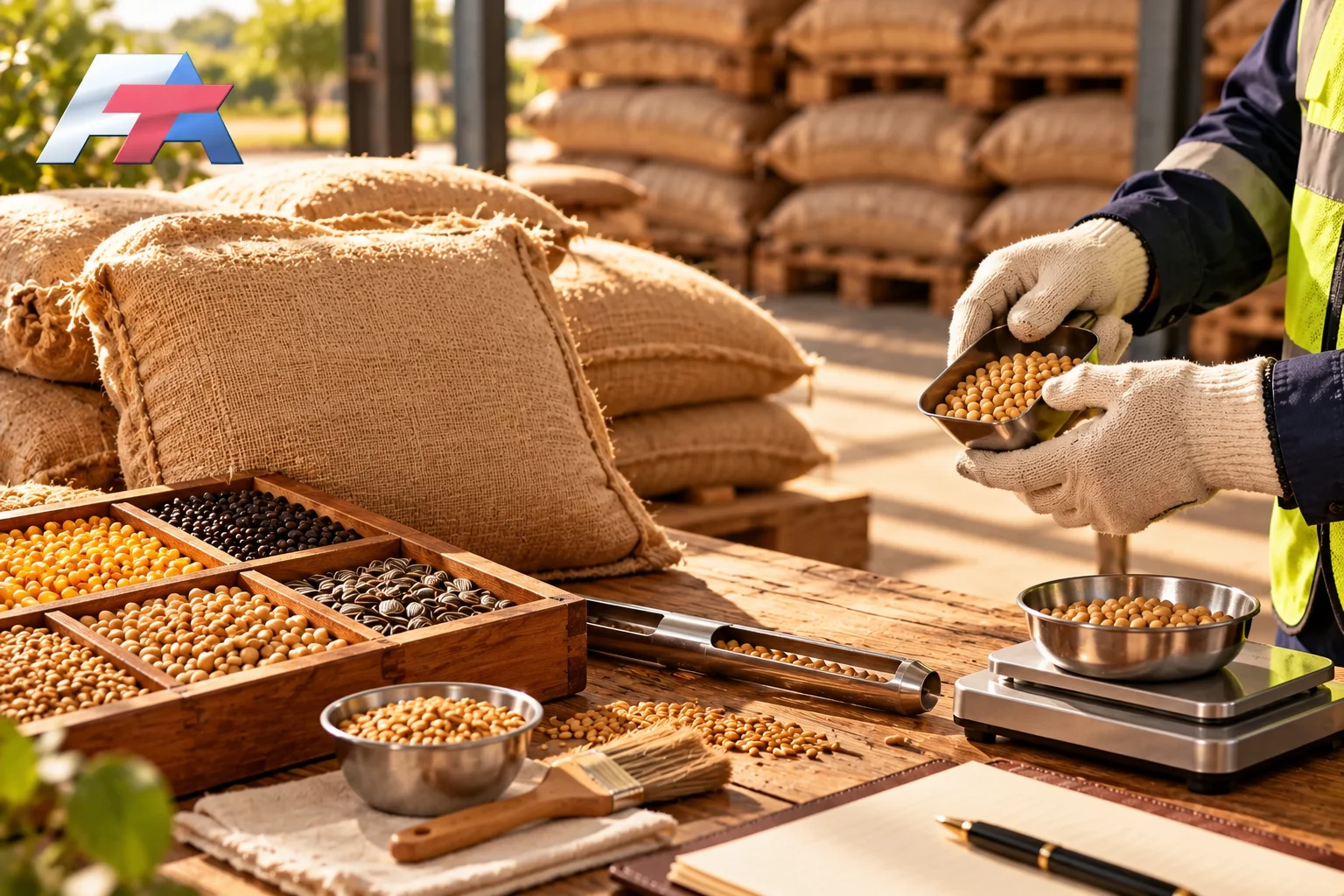
| Packaging | What configuration is being discussed? | Sample and agreed description | The sample does not represent the entire batch |
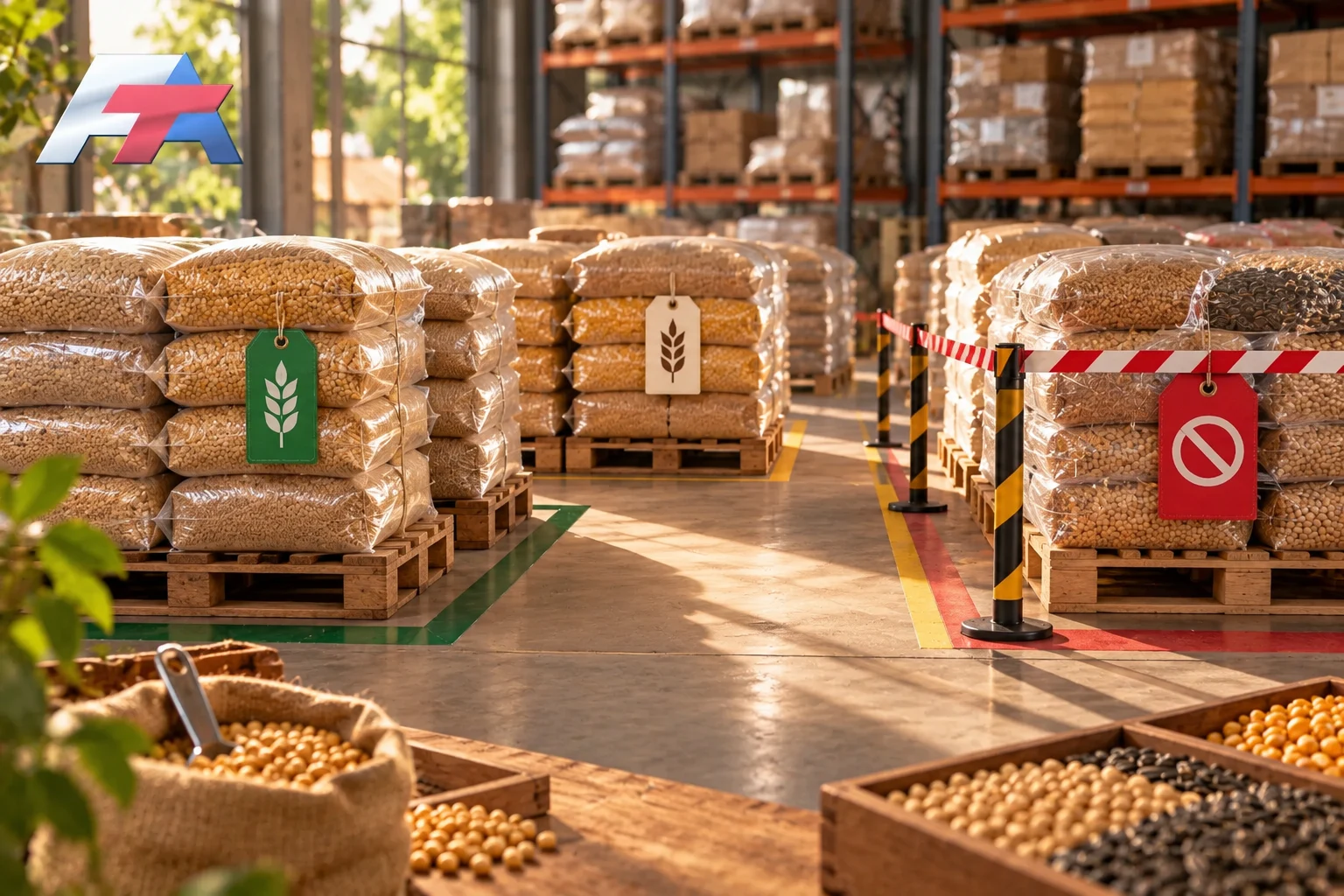
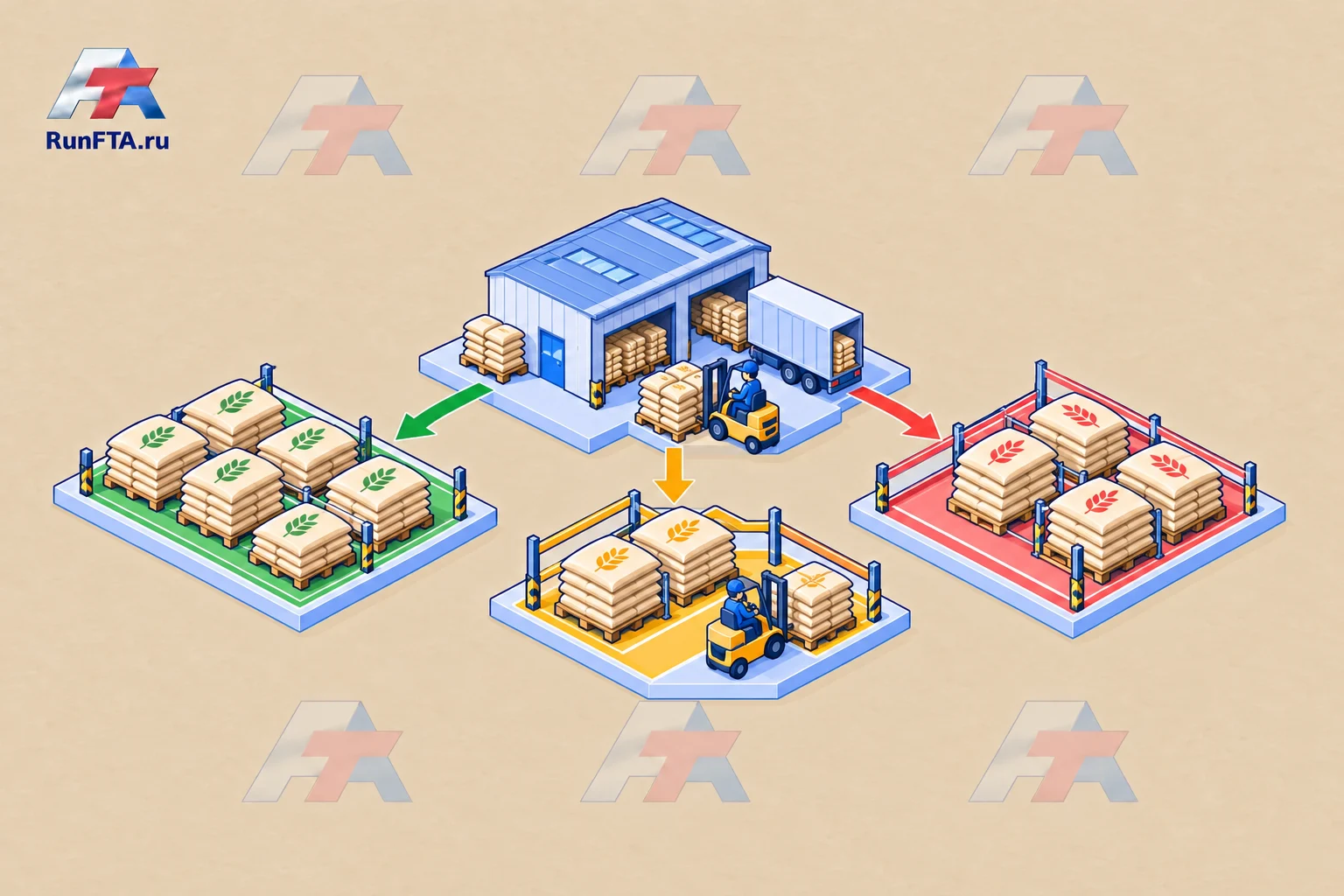
| Warehouse | How are batches separated? | Observed labeling and explanations | Not all areas are accessible |
| Documents | Who provides the required information? | Contact and list of available versions | Applicability is still being verified |
The form is an internal tool for the buyer.
It does not replace an official audit, inspection, or the list of requirements from the destination country.
How to document observations without making unnecessary conclusions
Record the date, location, participant, and actual observation.
The phrase ‘the responsible person reported the presence of a line’ differs from ‘the line was observed in operation’.
If an area is inaccessible, state this directly rather than filling the gap with an assumption.
Hypothetical example: the buyer was shown packaging on a demonstration line, but the order is planned for another site.
The solution is to request information specific to the order site and separately verify the relevant documents.
The trip is not useless: it identified a change that should not be hidden behind the general term ‘production checked’.
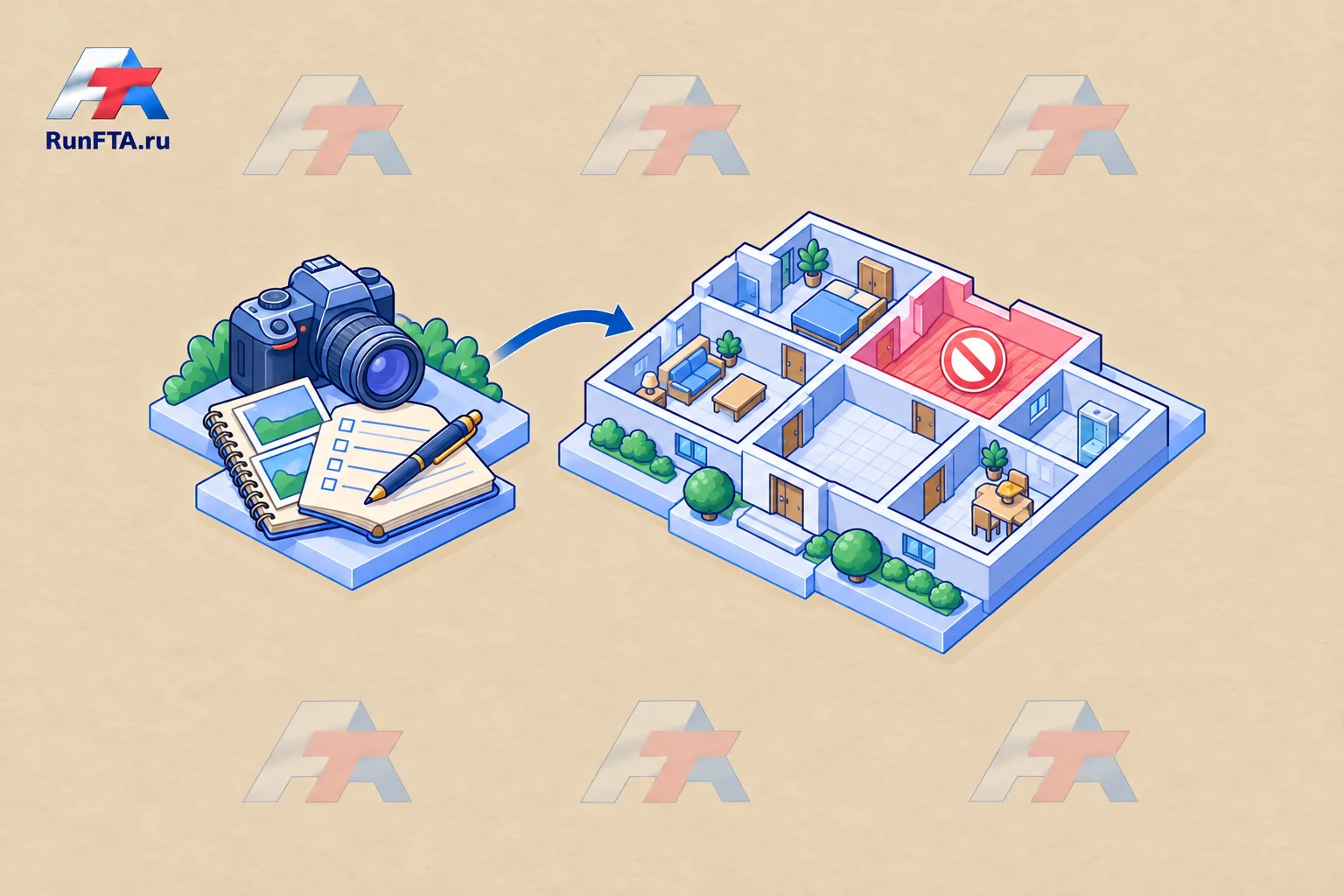
Visit outcome — decisions and open questions
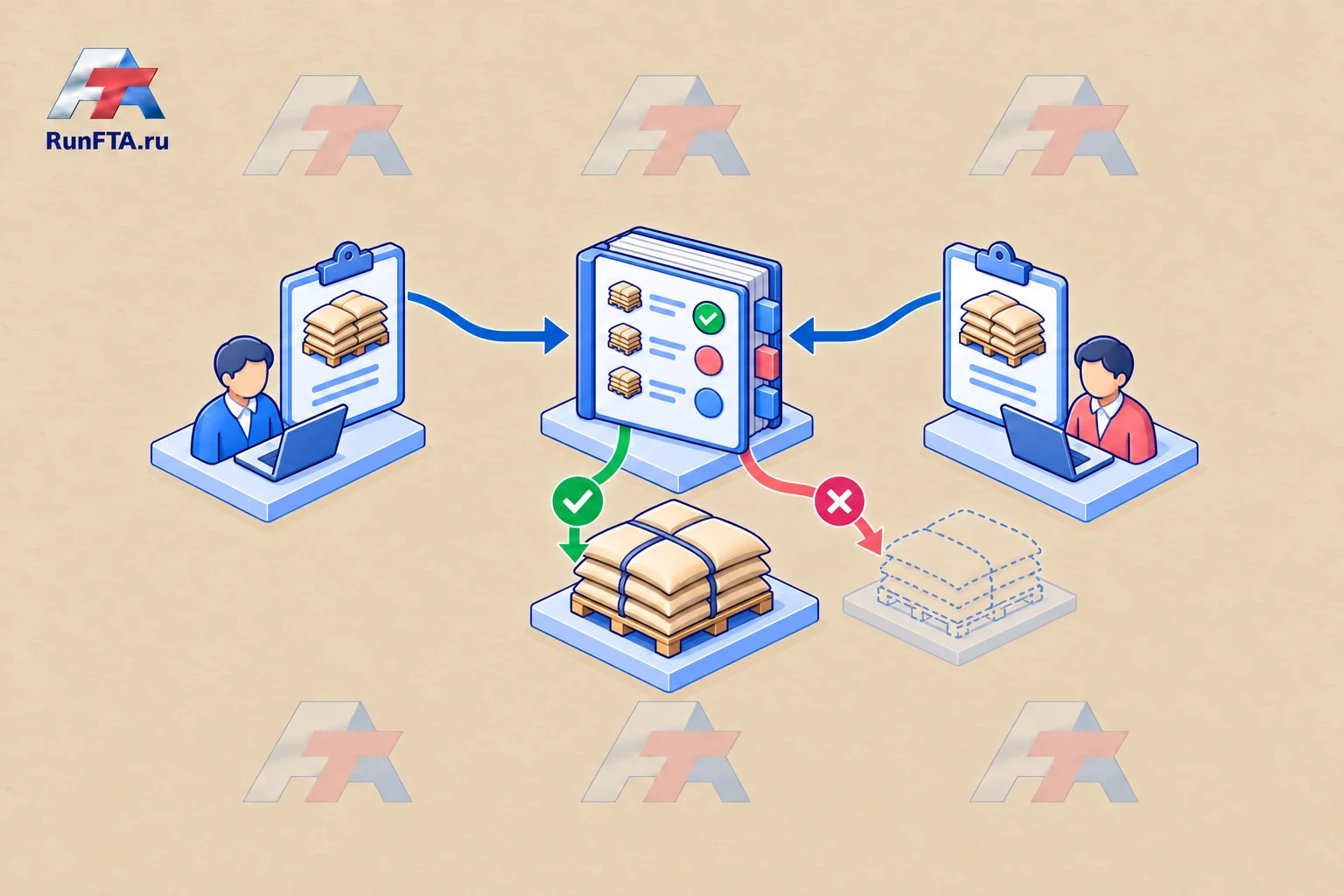
Divide the report into confirmed observations, information provided by the hosting party, and unverified items.
For each significant gap, record the next step and the responsible person.
Do not extend the conclusions from one visit to future batches or other plants.
Before further procurement, link the outcome to checking a manufacturer replacement and assigning a separate batch inspection.
The manager needs an answer on what decision can be made now and what confirmation is still required, not the number of photos or the duration of the tour.
Internal management guidance; examples are hypothetical.
Overseas sources do not establish Russian legal requirements.
Check authority, contract terms, restrictions and mandatory procedures for the specific transaction.
Reviewed 26 October 2026.