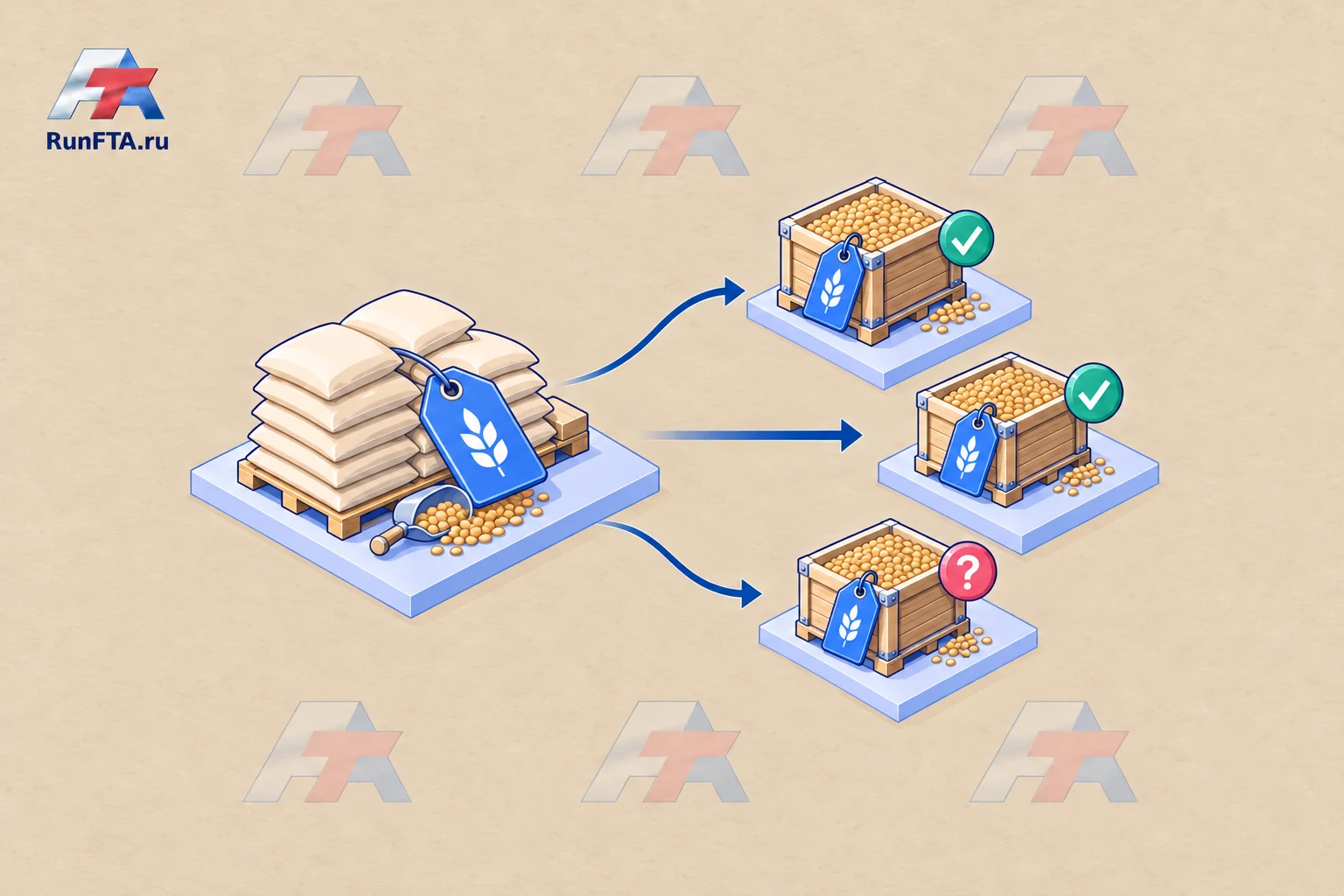

The Same Word Doesn’t Always Mean the Same Product
In a specification, a buyer’s letter, and package translation, one term may be used in different senses.
The team notices discrepancies after the files have been agreed upon.
Automatic word replacement doesn’t solve the issue if the original concept is not defined.
For a Russian-Chinese transaction, a working RU/EN/ZH glossary linked to the product and context is useful.
It helps ensure consistency but does not establish the legal equivalence of the formulations.
Let’s discuss the work of the foreign economic activity team in your company
I’ll help you analyze your situation: one product or participant receives different designations in the contract, invoice, and negotiations.
We’ll discuss solutions to this and related foreign economic activity tasks in your company, the distribution of responsibilities, and next steps.
The scope of support will be agreed upon before work begins.
Start with Definition, Not Translation
For a disputed term, preserve the original phrase, a description of its meaning, the document, and the specific context.
The product owner confirms the actual meaning.
The translator proposes a variant, and a subject-matter expert checks technical or legal nuances within their area of competence.
Also record the variants that were decided against and the reason.
This prevents the previous ambiguity from resurfacing.
Changes to the original product or definition require a review of the translations, not just an update of the Russian column.

Term Card for Three Languages
The training template does not contain ready-made legal translations.
| Field | What to Record | Who Checks |
|---|---|---|
| Term and Context | Phrase from the current document | Coordinator |
| Definition | What exactly it means in this transaction | Data Owner |
| RU/EN/ZH | Agreed language variants | Translator |
| Source | Document and revision | Document Owner |
| Limitation | Where the variant is not applicable | Subject-matter expert |
| Approval | Who confirmed what | Designated participants |
Illustrative scenario: the buyer used an abbreviated commercial name.
The team first clarifies whether the product matches and only then updates the glossary and related documents.
Don’t Turn the Glossary into a Substitute for Subject-Matter Review
A disputed contract clause requires a competent legal review; a product characteristic requires confirmation from a technologist or other subject-matter participant.
The translator should not choose facts instead of the information owner.
The practice of written context from GitLab is useful as a foreign example of communication organization, not as a source of trade definitions.
Machine translation can be used for preparation, but its presence does not mean that the parties have confirmed agreement on the legal meaning.

Update Documents Along with the Term
When a variant is agreed upon, determine which active files are affected, who will make the changes, and who will verify consistency.
Keep a history to prevent the old word from reappearing from a previous template.
Link the glossary with the export document register.
The result is clear meaning and agreed variants in the required context, not the longest possible dictionary.
A practical management guide.
All examples are illustrative.
Check applicable requirements and terms for the specific product, country and contract.
Sources checked on 24 October 2026.