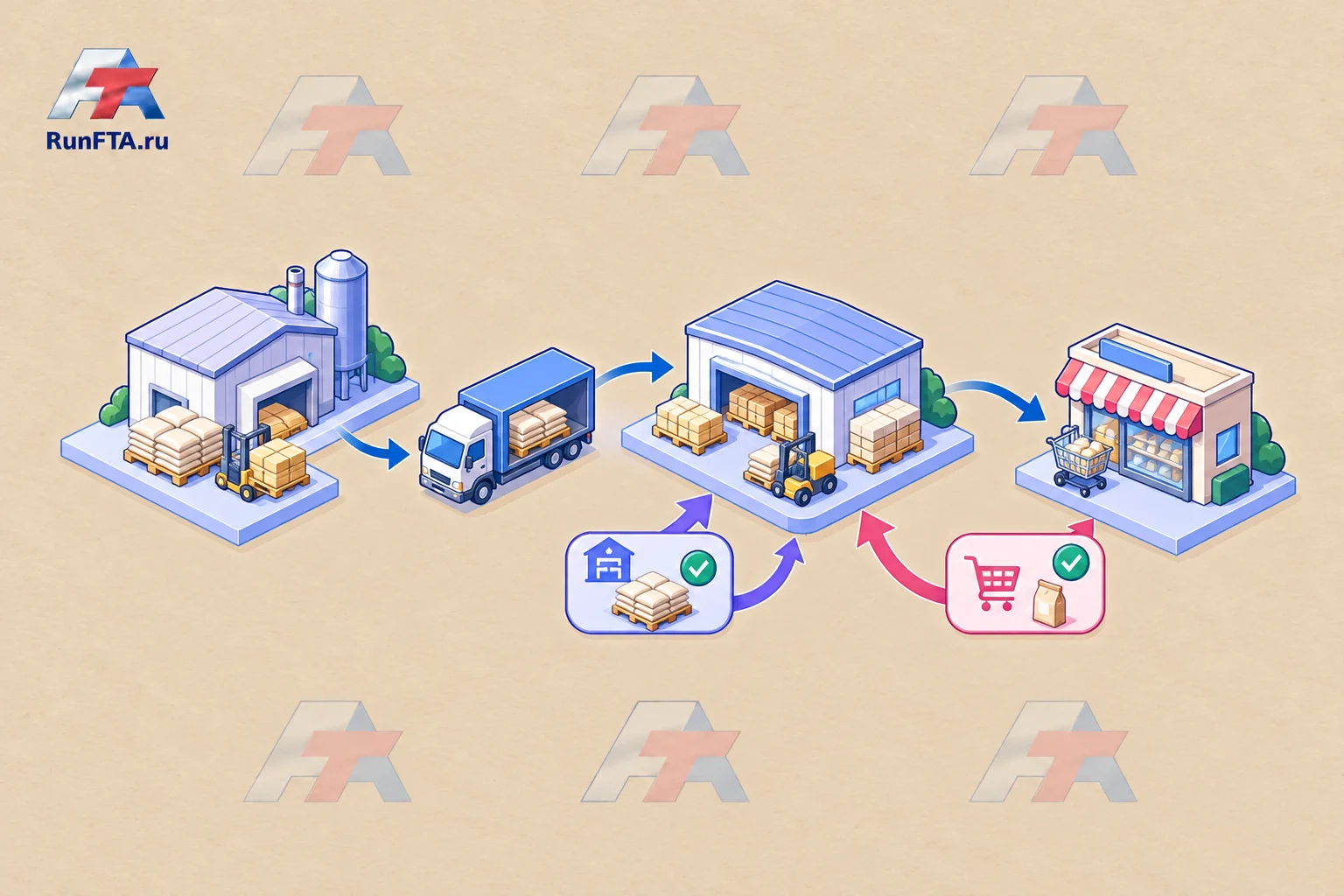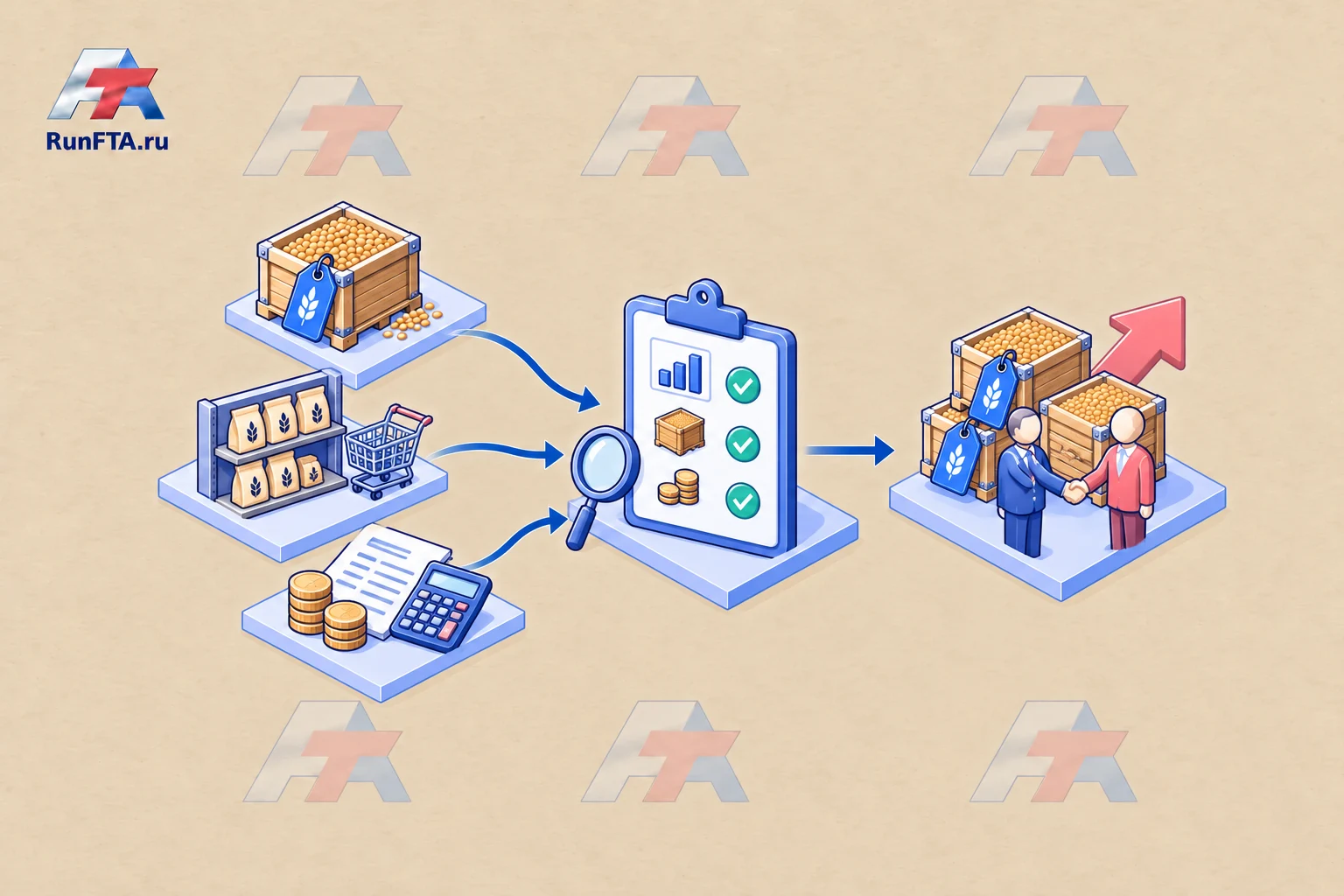

Buyer’s Plan and Obligation Are Different Signals
The buyer has sent a forecast for the season.
Sales treat the volume as nearly agreed, procurement reserves raw materials, and then actual orders turn out to be smaller.
To understand this, you need to see what actions the company took based on the forecast and what actions were taken based on the confirmed obligation.
This article proposes a management separation of statuses.
The legal force of a forecast, order, confirmation, and correspondence is determined by the contract and applicable law; the name of the field in the CRM does not establish it on its own.
Let’s discuss forecasts and confirmed orders in your company
I’ll help you analyze forecasts and confirmed orders, collect initial data and confirmations, identify participants and next steps.
We’ll also discuss similar challenges and related foreign trade tasks in your company.
The scope of support will be agreed upon before starting the work.
Note the Source and Degree of Demand Confirmation
For each line, keep the period, volume, product, forecast author, and update date.
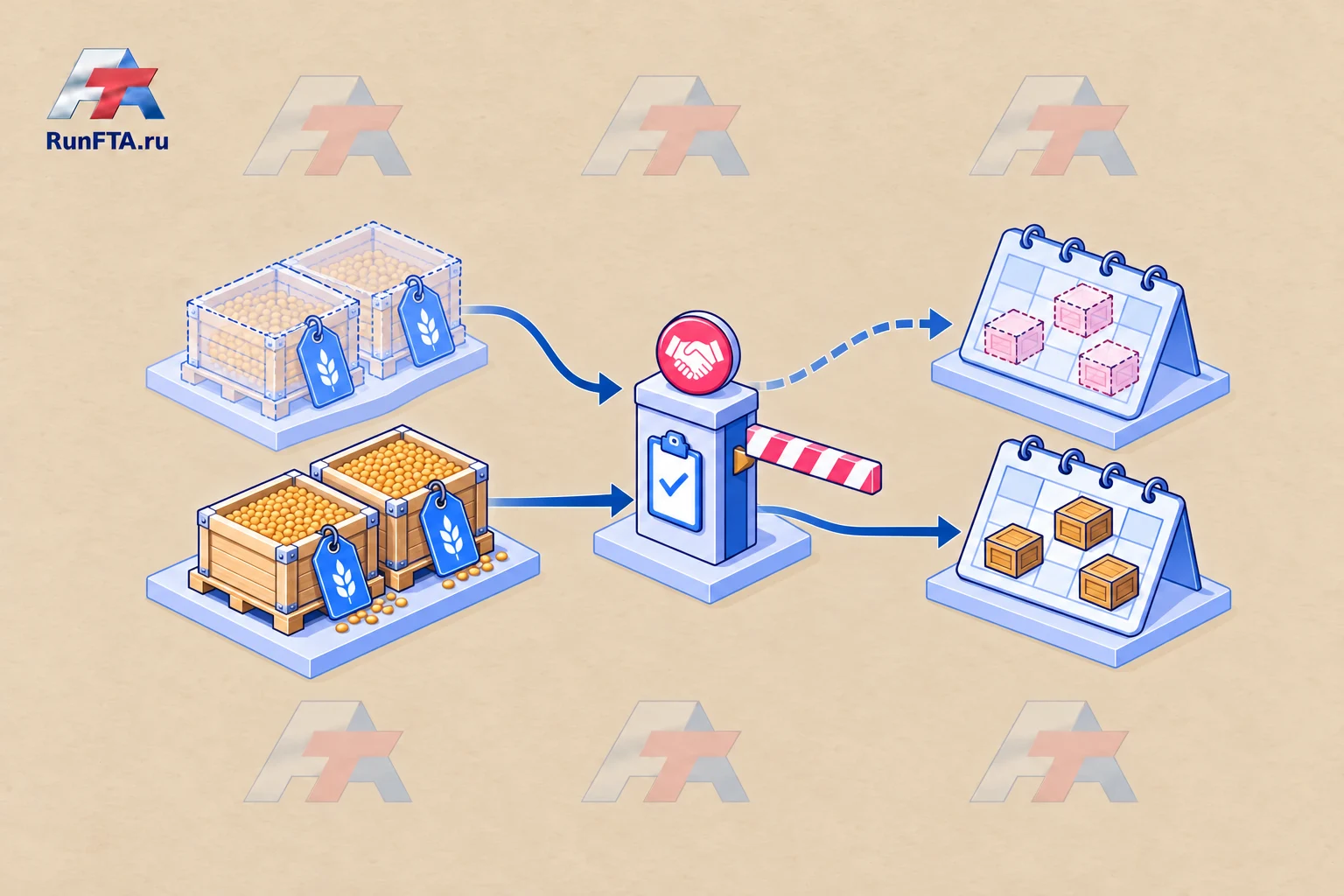
Keep the order and agreed terms of its execution separately.
A forecast change must not silently overwrite an already accepted obligation.
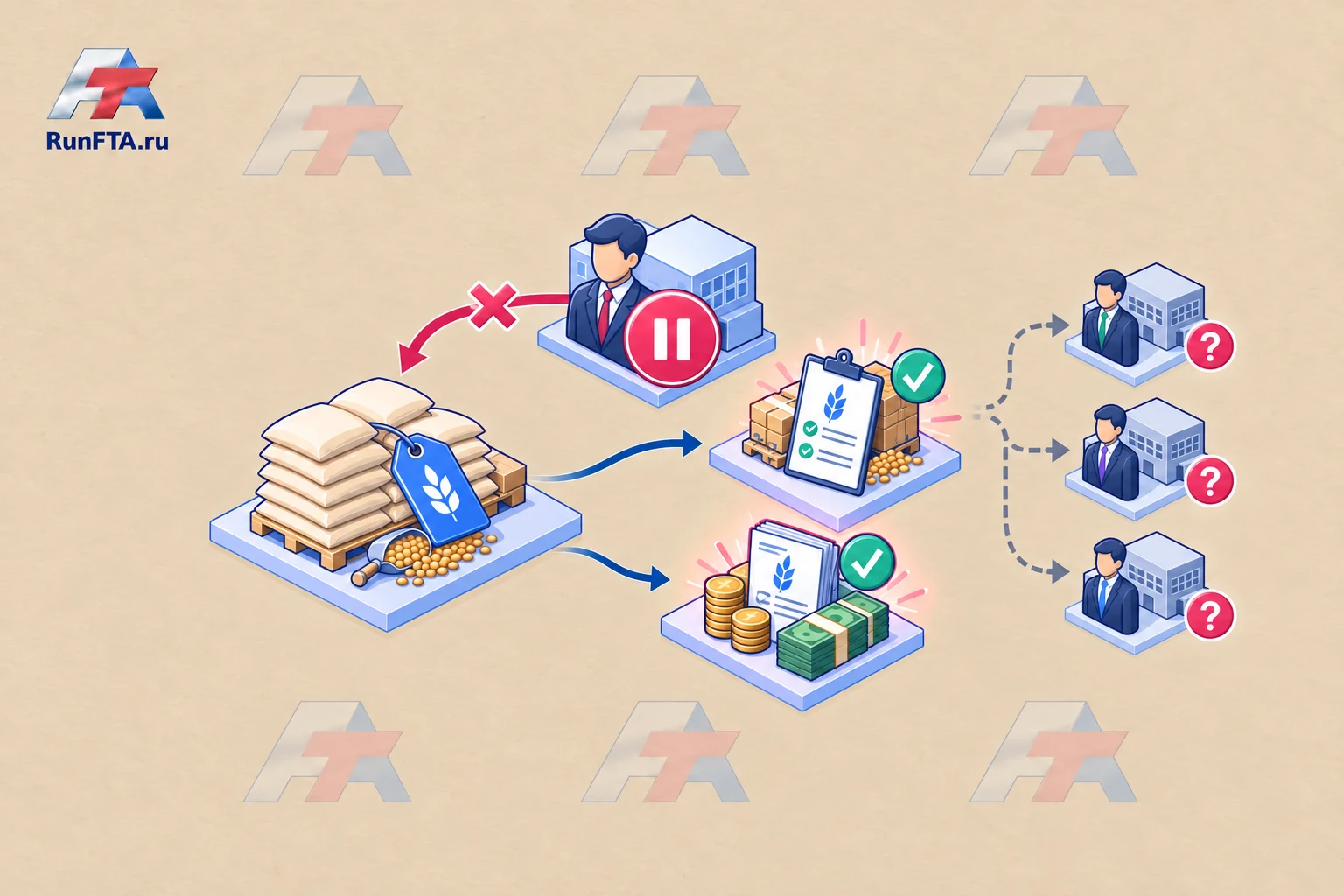
Show what action each internal status authorizes: requesting a rate, booking a resource, or accepting an obligation to the supplier.
Authorities and grounds are approved by the manager.
A forecast is useful for a scenario but must not automatically trigger an irreversible procurement.
Educational Analysis of Planned Volume
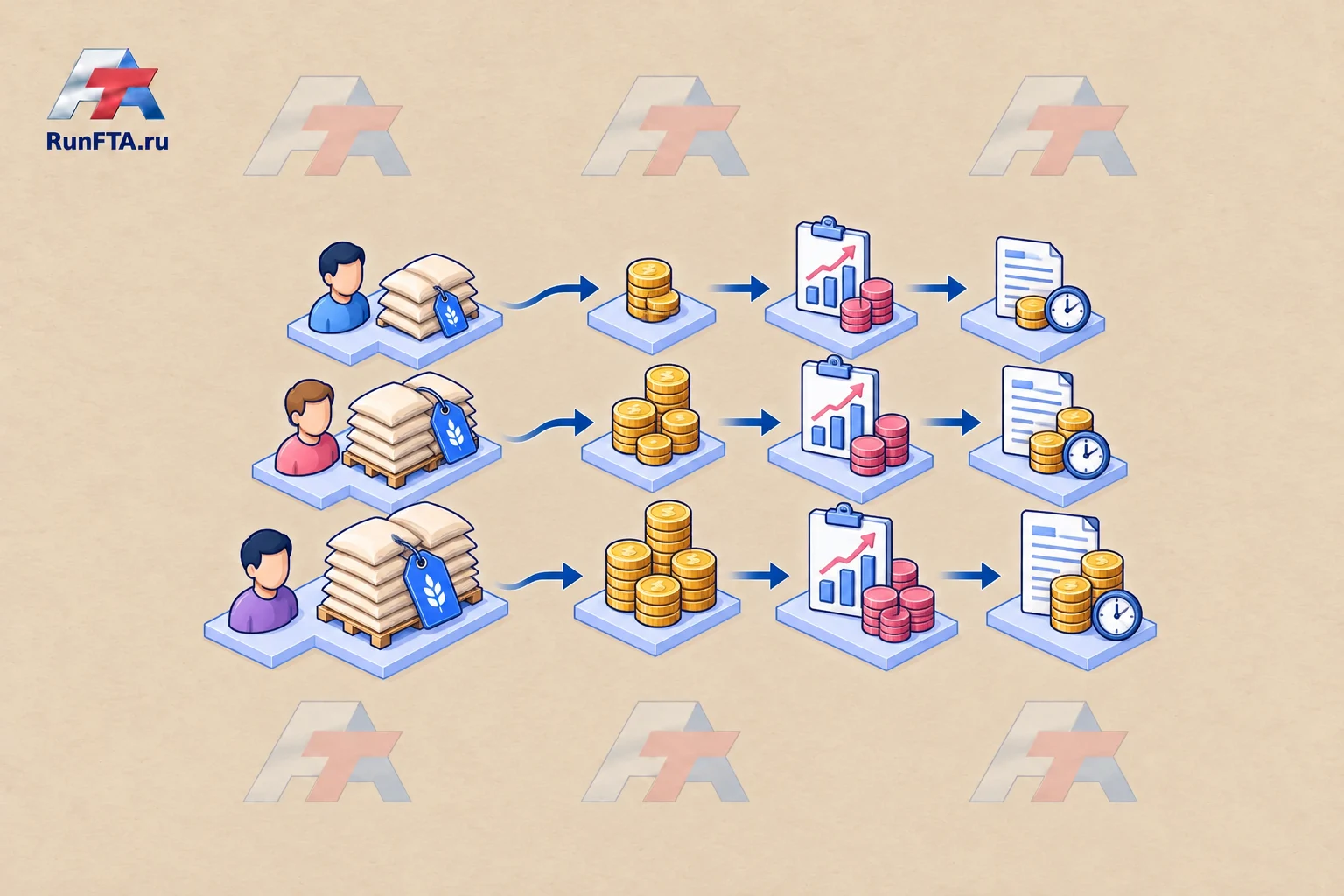
Suppose the buyer forecasts 100 tonnes, but the confirmed order is 30 tonnes.
| Record | Volume | Management Meaning |
|---|---|---|
| Forecast | 100 tonnes | Demand scenario |
| Confirmed order | 30 tonnes | Verify the agreed obligation |
| Forecast remainder | 70 tonnes | Do not yet count as an order |
| Actual procurement | Separate record | Company’s existing obligation |
Arithmetic subtraction does not authorize the procurement of 70 tonnes and does not cancel the legal assessment of documents.
Delivery times and product properties influence the decision separately.
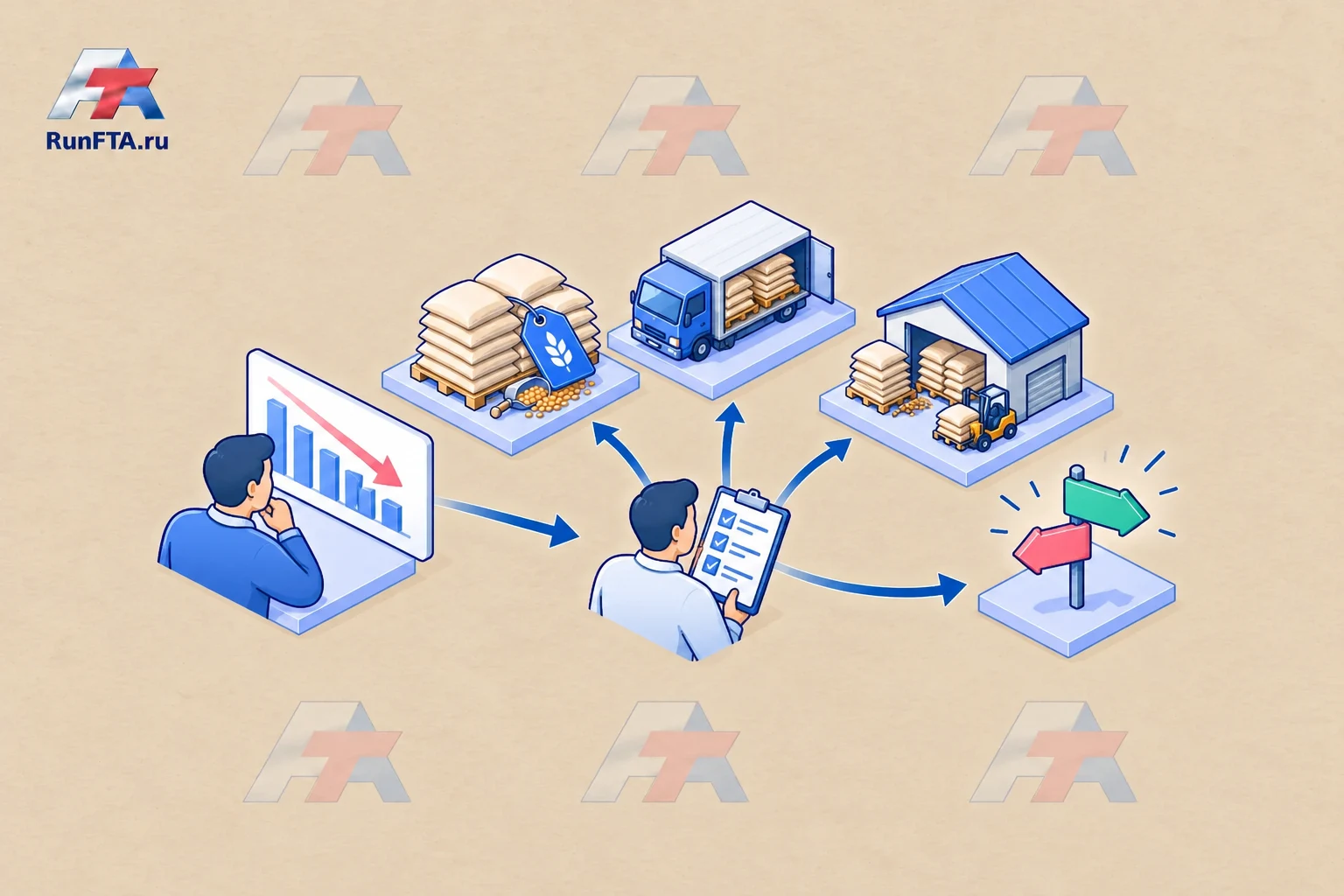
When Reducing a Forecast, Analyze the Consequences
Compare what has already been procured, what is only reserved, and which operations can be changed.
Do not declare the entire volume a loss: part of the resource may not yet be paid for or may be used differently—but this must be confirmed.
Discuss with the buyer the procedure for updating and responsibility for agreed actions.
Do not transfer forum advice about compensation to your contract.
Proposals for a frozen planning horizon require a specific agreement, not just an internal status.
Combine Two Plans into One Clear Summary
Show the manager the confirmed demand, the forecast above it, and the company’s obligations for each scenario.
Update the reason for the change, not just the final volume.
For money, use working capital plan.
It must show the difference between the likely receipt based on the forecast and the amount the company is already entitled to count on under agreed terms.
Do not turn probability into a payment promise.
A practical management guide.
Examples are illustrative.
Check requirements and contractual terms for the specific product, country and shipment.
Internal forms do not replace official procedures.
Sources checked on 25 October 2026.