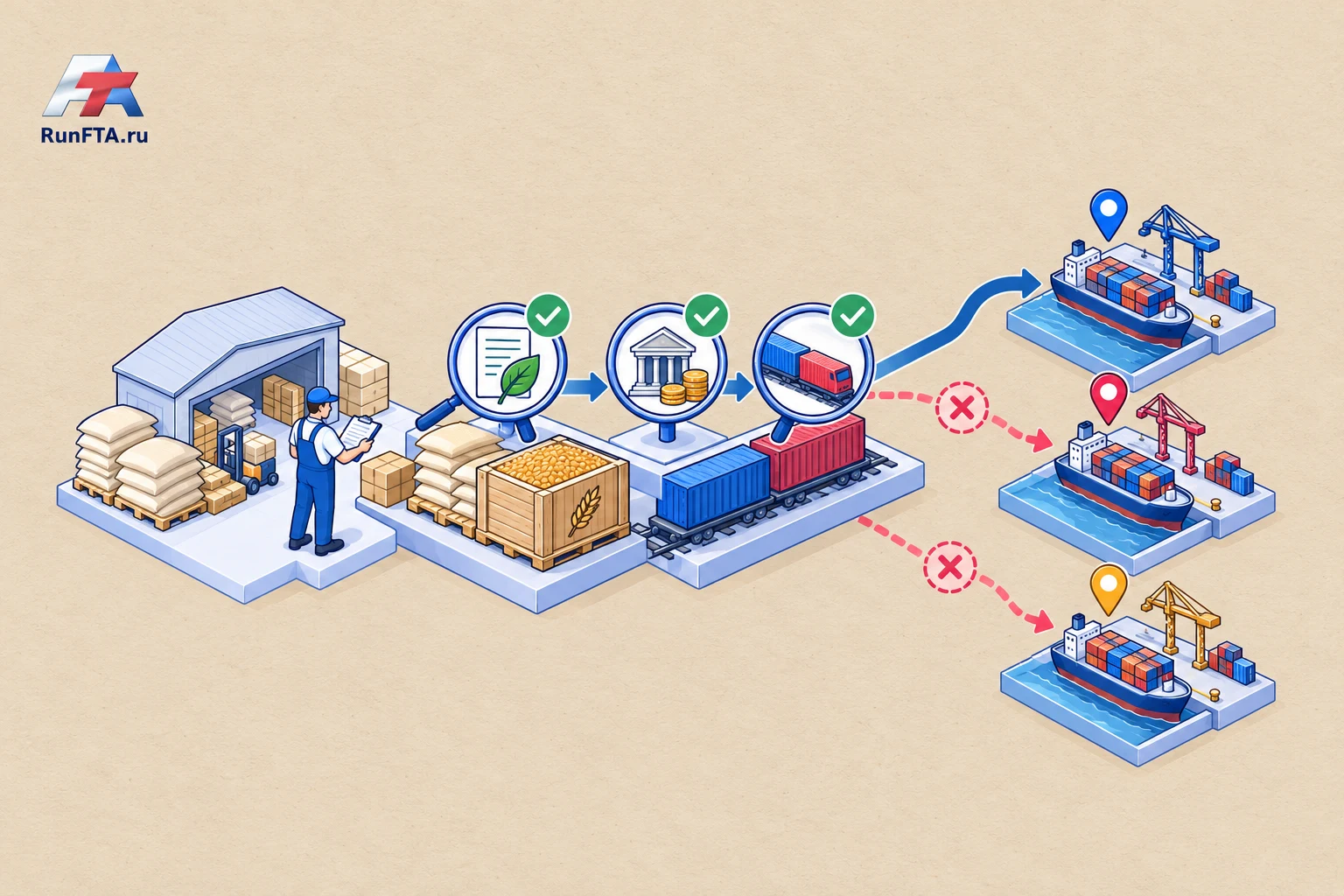

A coordinator should not replace every specialist
Growing exporters often put sales, documents, banking and logistics around one manager. It appears convenient until leave or a complex claim stalls several processes. Before hiring more people, check who owns each decision and what evidence moves between participants.
ISO describes quality management through processes and responsibilities; ISO 10018 addresses people engagement and competence. These support an organisational discussion, not a requirement to create a specific department. The model below is a practical proposal and does not imply ISO certification.
Let’s discuss responsibilities across your export team
I can help review your situation, identify documentation and coordination tasks, and agree participants and next steps. We can also discuss related trade issues and similar difficulties across your company’s shipments. Tell me where the process is getting stuck so we can agree a specific task and scope of support.
Discuss your taskAssign ownership of each stage result
Separate the person doing the task, the decision-maker and the recipient. A coordinator can assemble payment documents without deciding whether banking risk is acceptable. A logistics specialist can propose a route without independently approving its effect on the selling price.
| Result | Preparation | Confirmation for the next stage |
|---|---|---|
| Agreed buyer terms | Sales and contract owner | Authorised manager |
| Shipment-ready lot | Production, quality and specialists | Named goods-readiness owner |
| Executable route | Logistics and carriers | Logistics and budget owners |
| Payment status | Finance and the bank within their scope | Finance lead |
| Overall deal status | Coordinator | Management resolves open decisions |
One person can hold several roles. Make that combination explicit and retain checks of critical information. “The export department is responsible” is not a substitute for a named owner.
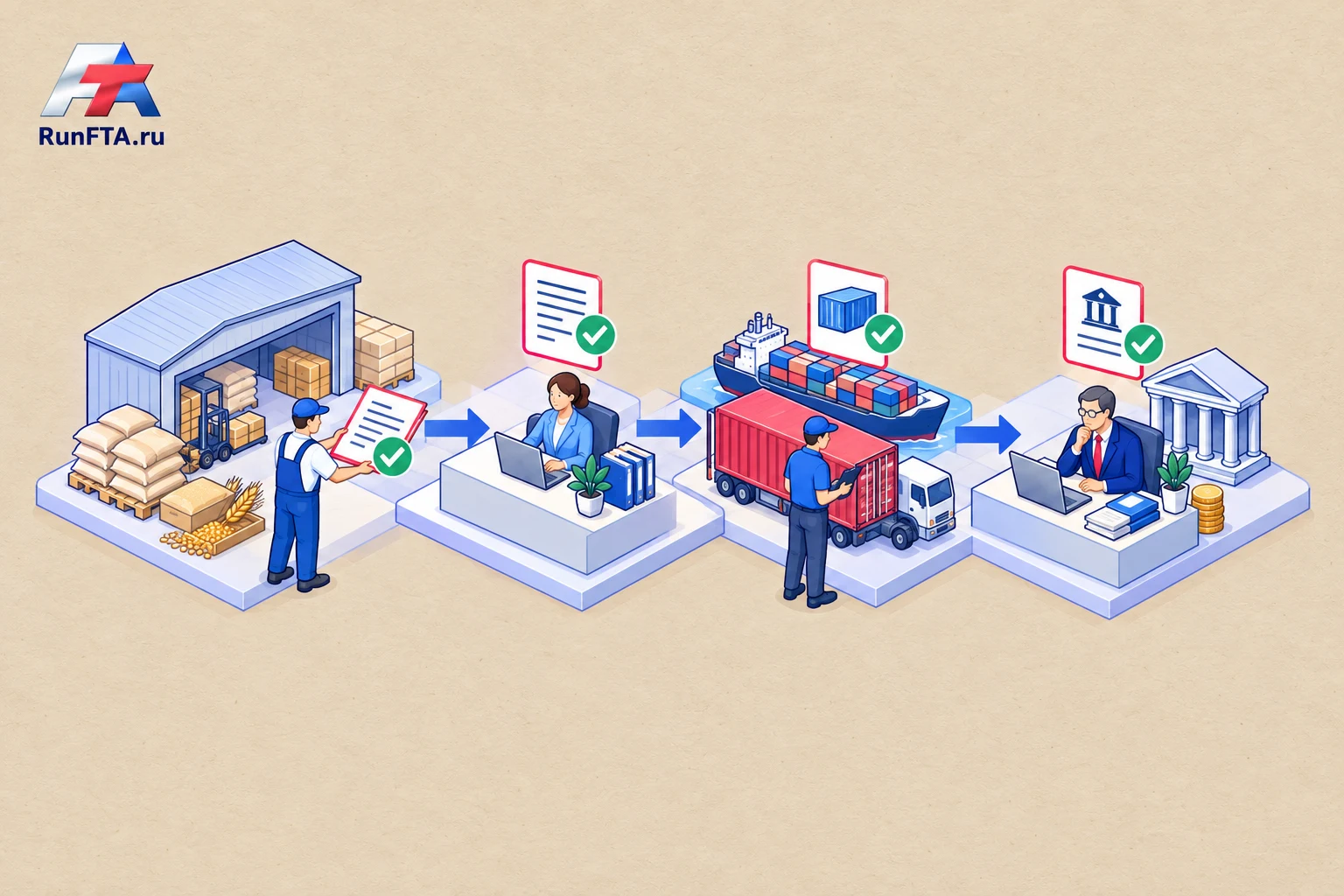
Define the handover
Each handover needs a result, version, recipient and acceptance confirmation. Sales should give logistics the agreed specification, address, shipment window and unresolved conditions, not simply say “the buyer agreed”. Logistics should return the route, constraints and decision deadline.
A shared deal register helps, but does not replace the procedure. If staff understand “ready” differently, software distributes the disagreement faster.
Plan substitution and escalation
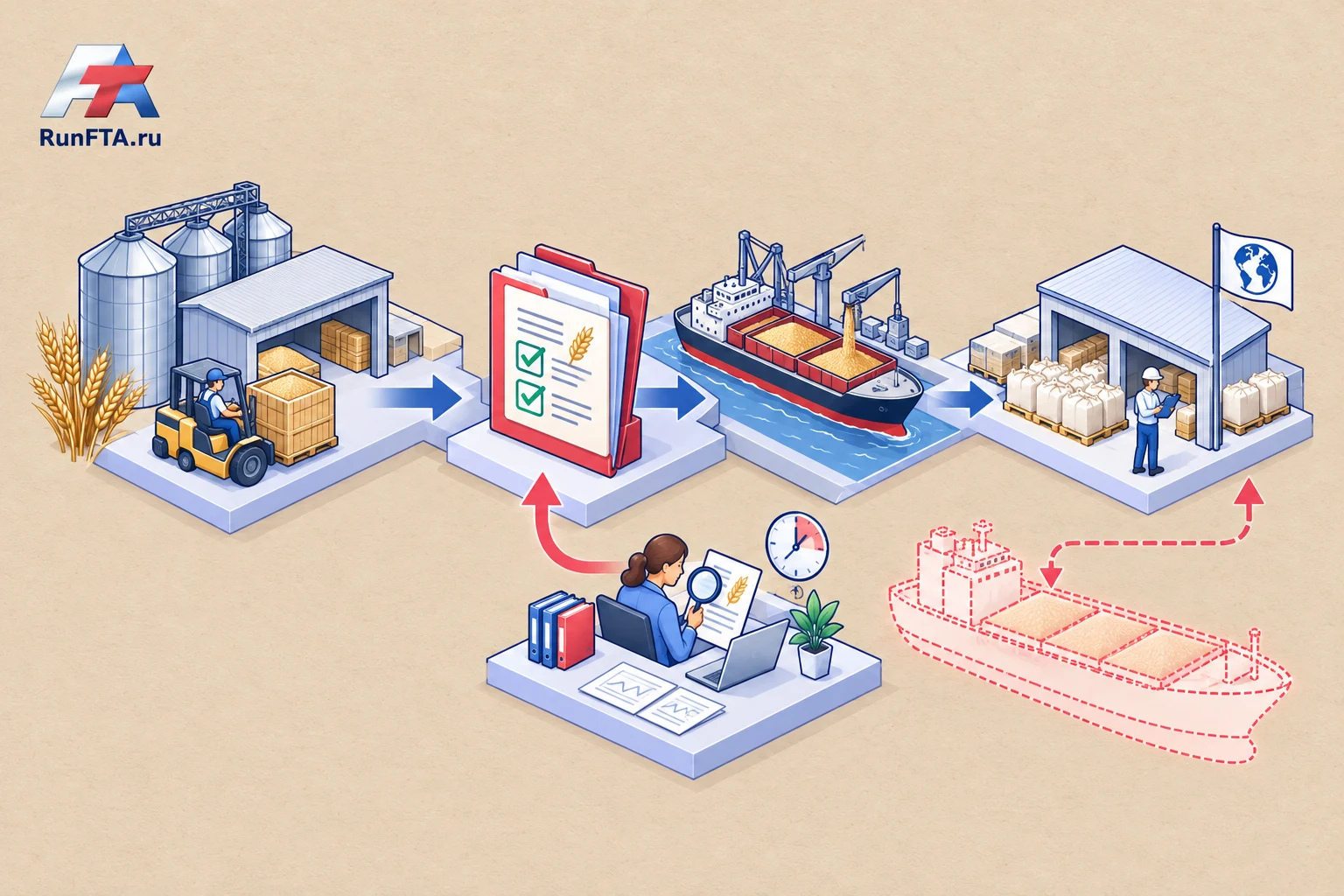
Each critical role needs a substitute with access to the necessary working records. This does not require opening every financial or customer file to everyone. A leave handover should identify unresolved matters and approaching events, not just a folder location.
Define management escalation triggers: cost beyond authority, changed counterparty, missing payment, disputed quality or an unachievable deadline. An escalation should state the facts, consequences, options and when delay makes the choice more expensive. “What should we do?” without preparation transfers the whole investigation to the owner.

Assess outcomes rather than message volume
Start with internal measures such as handovers accepted without rework, overdue decisions and recurring delay causes. These are diagnostics, not ready-made bonus targets. A new destination or difficult product may not be comparable with a routine repeat shipment.
Review roles after several completed consignments. External support is useful for ongoing coordination, while commercial, financial and technical decisions retain their designated owners. The scope can be agreed with Run FTA.
Management guidance for exporters. Numerical examples are illustrative; requirements and terms must be checked for the specific product and transaction. Sources checked on 24 October 2026.