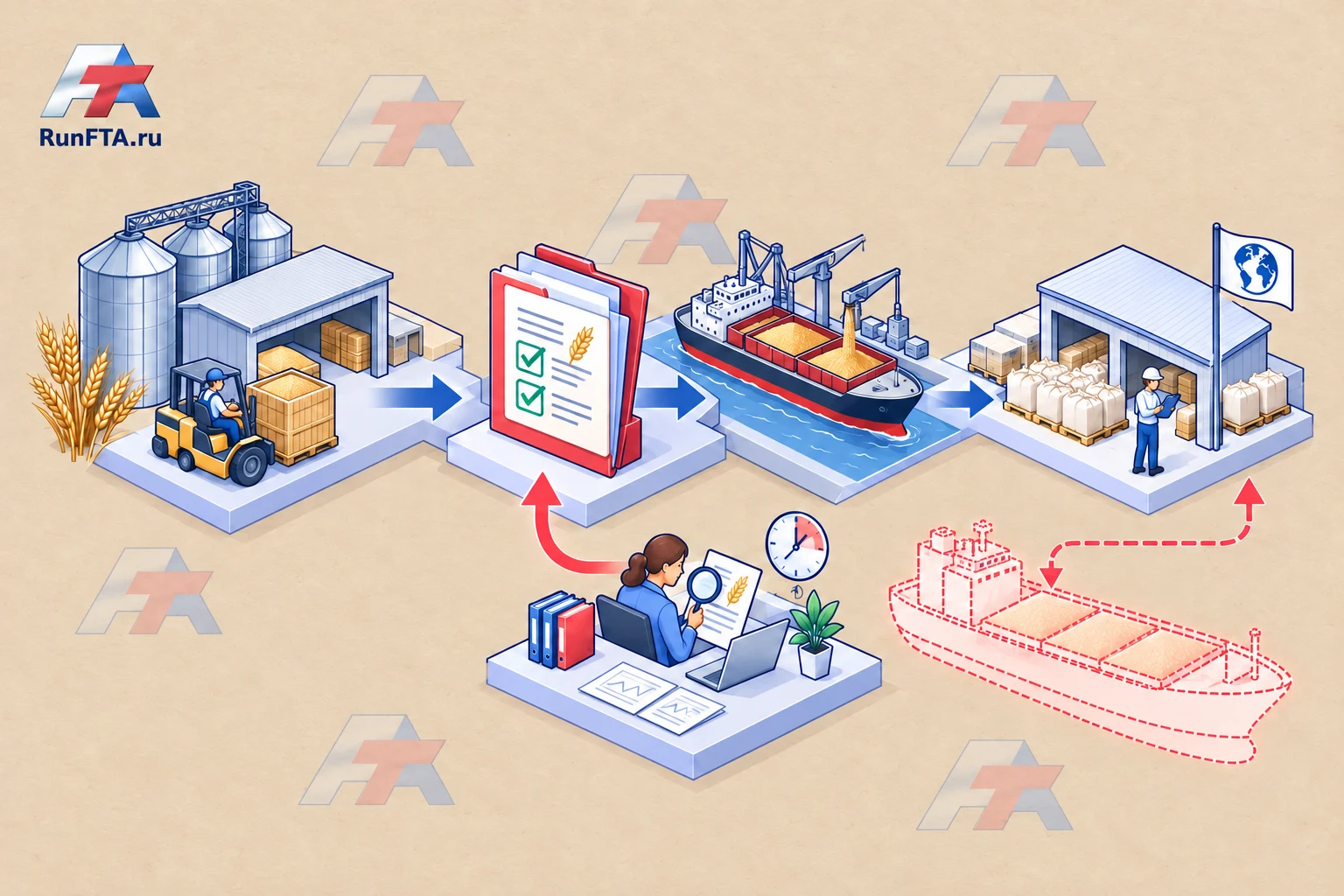

Shipment location and origin are different pieces of information
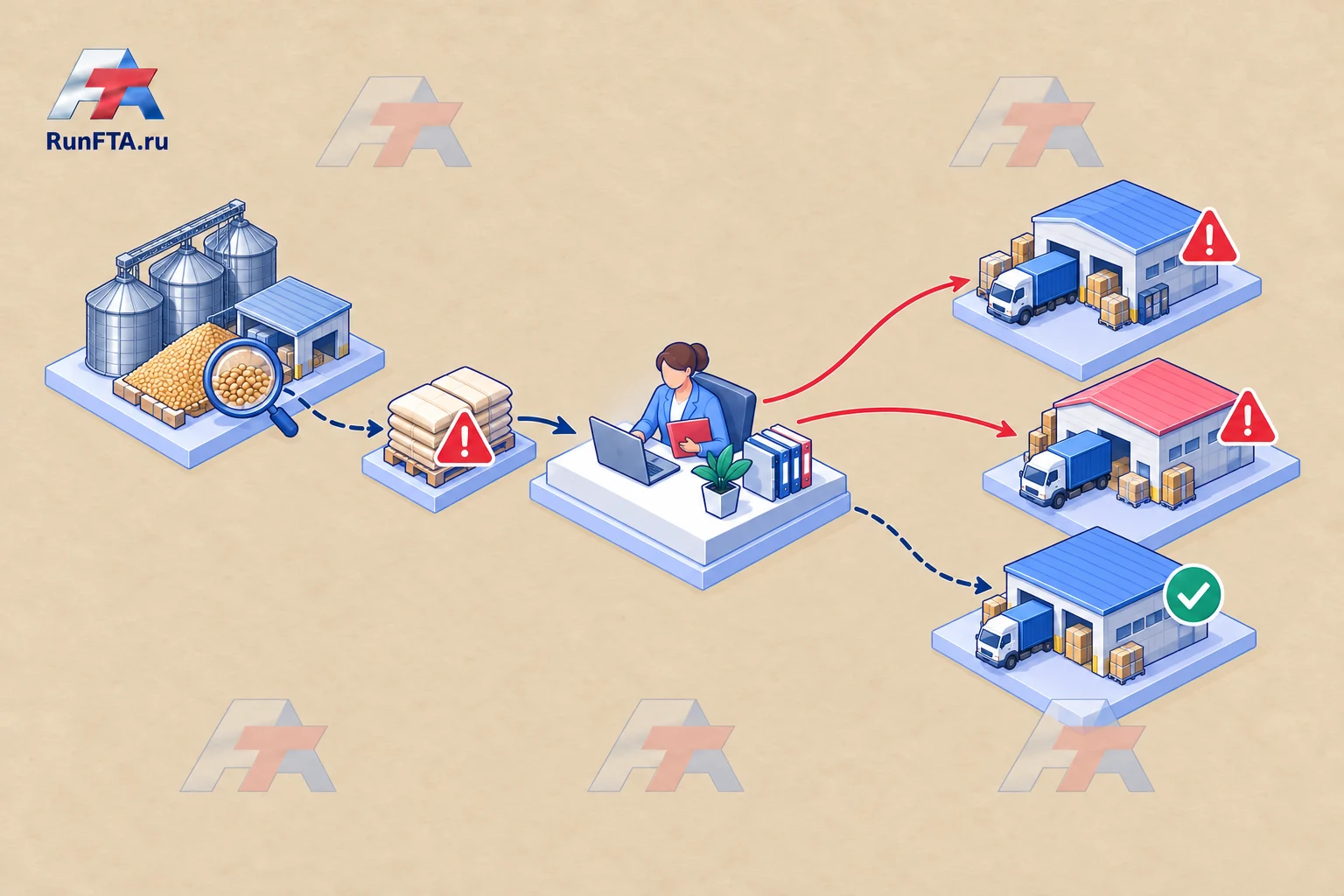
The goods are shipped from a Russian warehouse, but this does not yet explain their origin.
To prepare evidence, you may need information about the manufacturer, raw materials, and operations performed.
The exact chain required depends on the product and applicable rules.
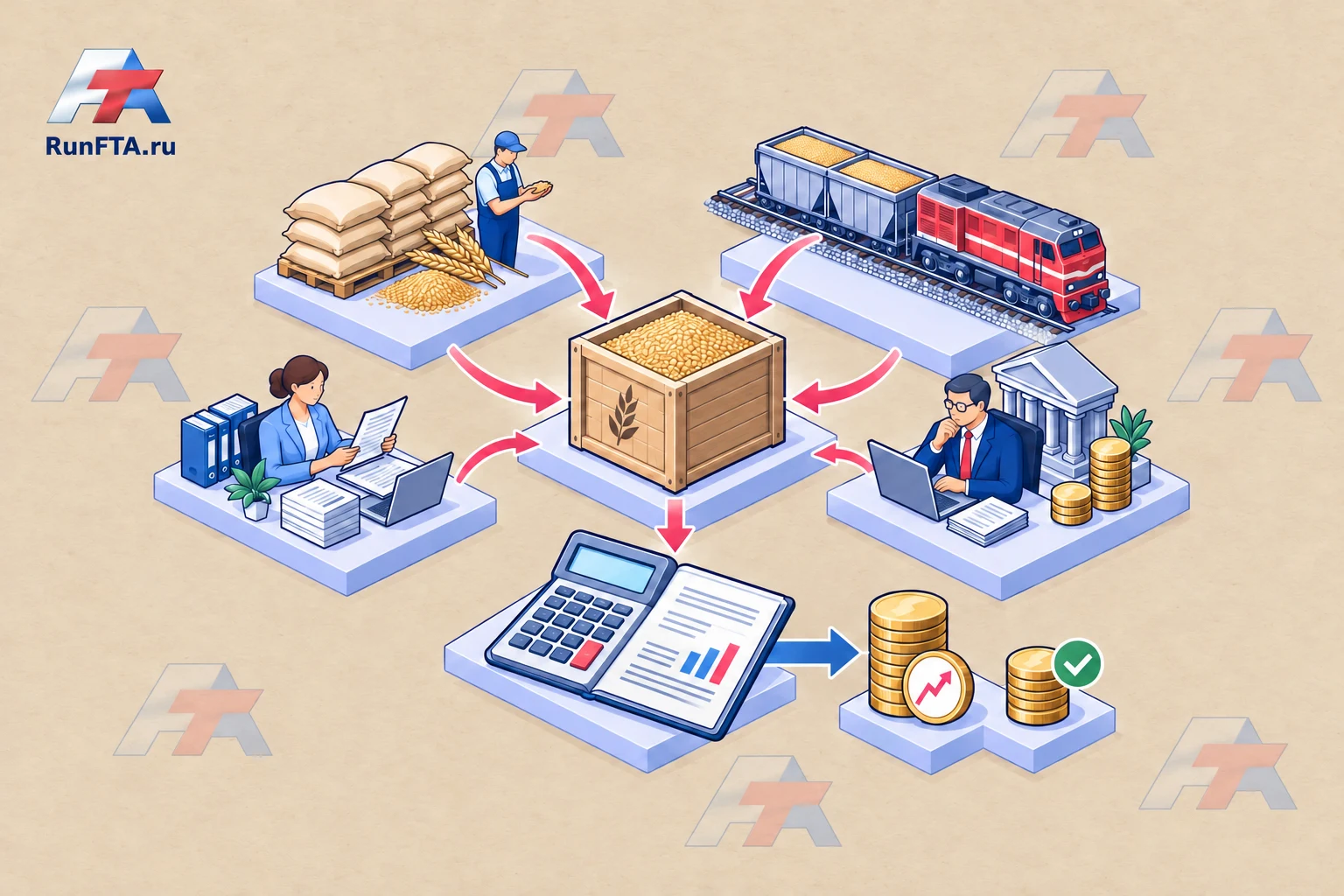
It is important for the manager to organize the collection of evidence before applying for a certificate.
An internal folder aids preparation but does not replace a document from an authorized body and does not guarantee a tariff preference.
Let’s discuss document preparation and approval in your company
I’ll help you analyze your situation: procurement documents, production, and the export shipment are not bundled together.
We’ll discuss how to address this and related foreign trade tasks in your company, the distribution of responsibilities, and the next steps.
The scope of support will be agreed upon before work begins.
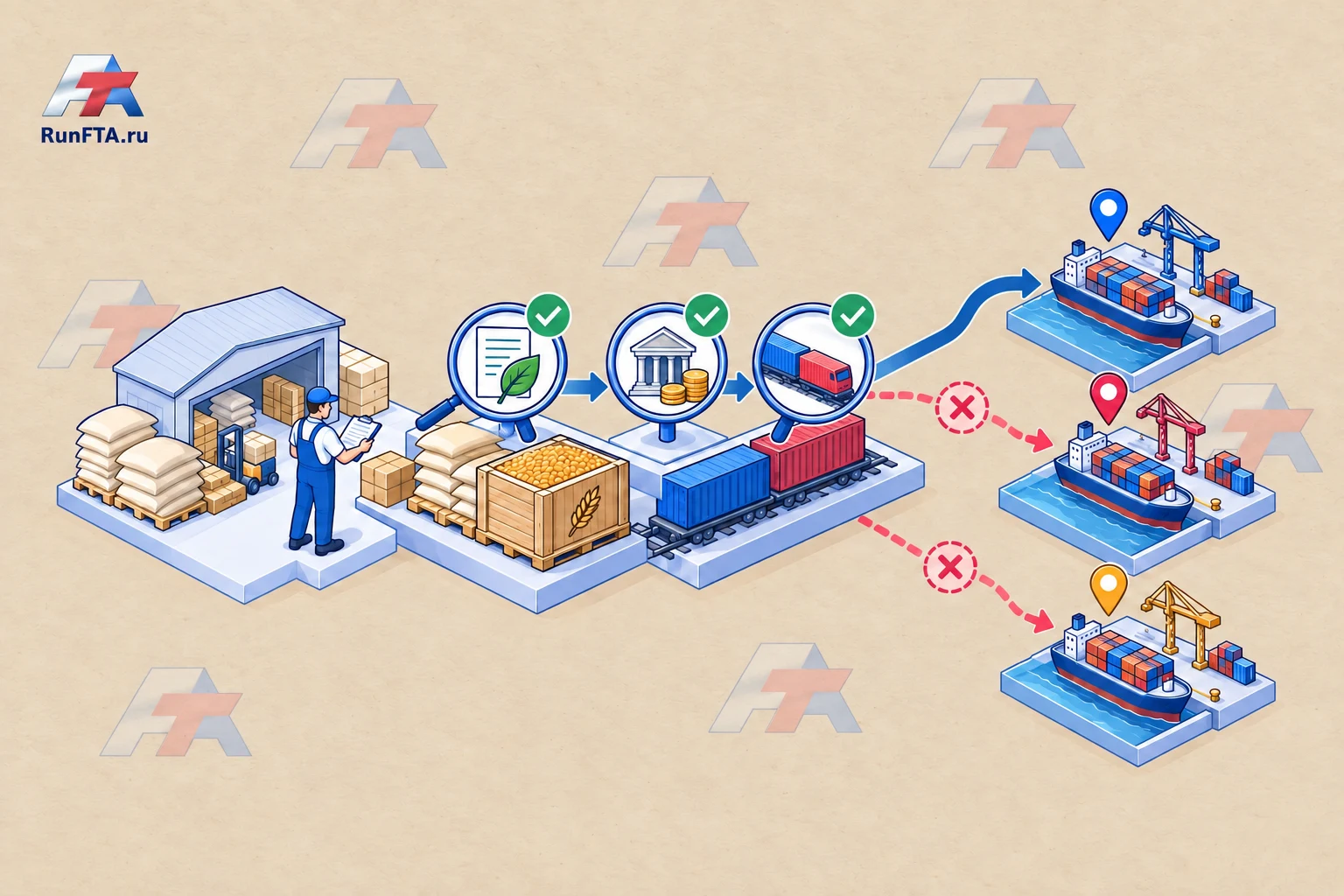
First, clarify the purpose for which the document is needed
Ask the buyer the purpose of using the certificate and pass the information to the authorized party to verify the form and procedure for execution.
Do not select a form based solely on a previous shipment to another country.
Then build the link: product → manufacturer → supporting documents → specific export shipment.
For a processed product, separately determine what information about raw materials and operations is required under applicable rules.
Do not try to deduce the origin from the seller’s address or the language on the packaging.
If documents are missing, draft a request to the owner of the information.
If the data contradicts each other, clarify the reason before preparing the final package.
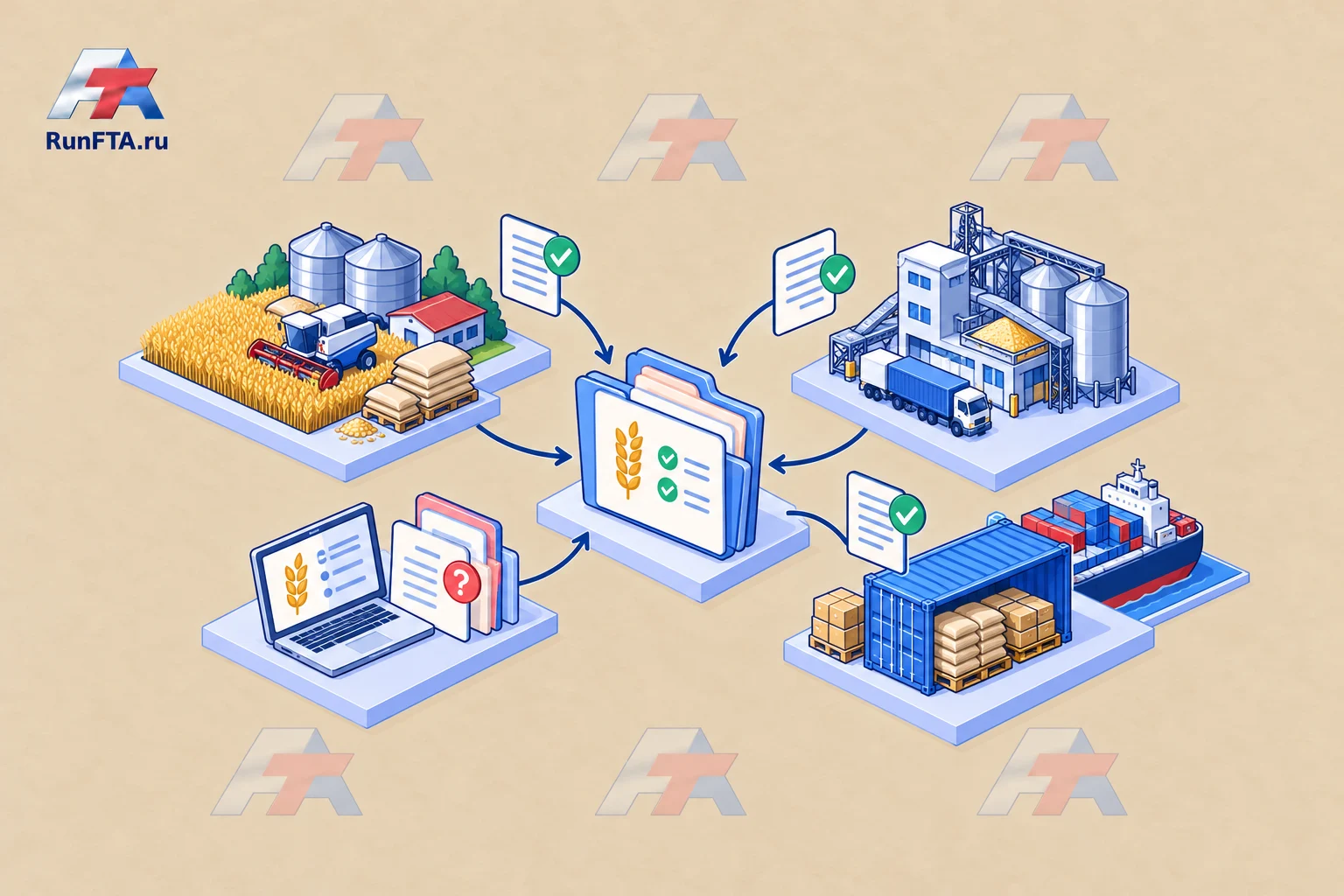
Registry of origin evidence
The table is a training structure for the folder, not a universal list of documents.
| Question | What to link to the shipment | Who clarifies |
|---|---|---|
| What product? | Specification and identifier | Coordinator |
| Who manufactured it? | Manufacturer information | Supplier |
| What operations were performed? | Production evidence | Manufacturer |
| How is the purchased product related? | Movement and separation documents | Warehouse and procurement |
| What form is needed? | Verified applicability | Authorized party |
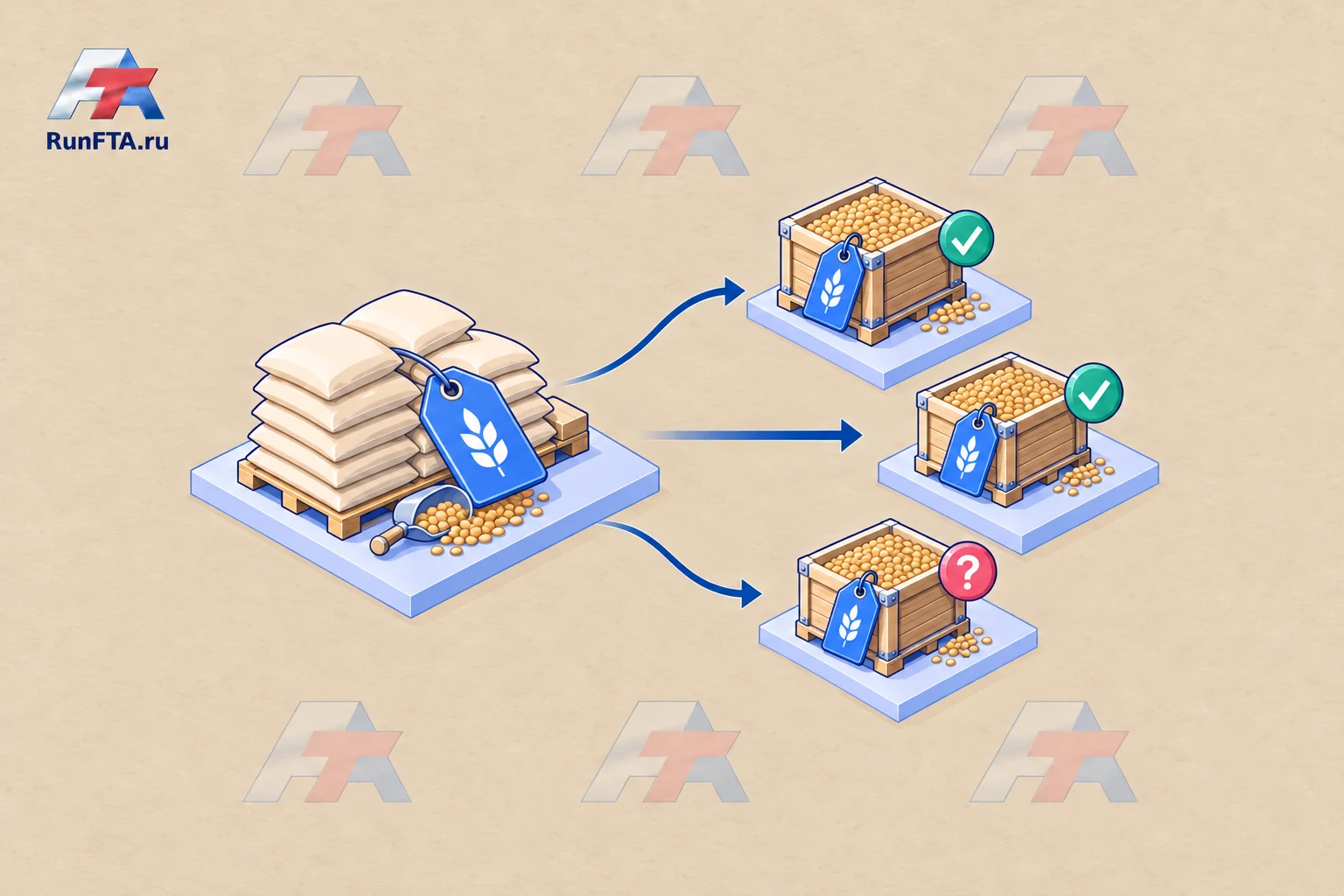
Illustrative scenario: a purchased shipment is divided between two export shipments.
Maintain the link of both parts to the original shipment.
Simply copying the file into two folders without such a link does not explain which product the evidence refers to.
Verify authenticity and applicability separately
The Russian Chamber of Commerce and Industry has an official service for verifying certificates of origin.
Checking a record in the service and assessing the document’s suitability for a specific transaction answer different questions.
Cross-check the document’s data with the product, parties, and shipment.
If the document is not found or the information differs, contact the issuing authority through official channels.
Do not amend an issued certificate yourself.
The procedure for modification or re-issuance must be clarified with the competent party.
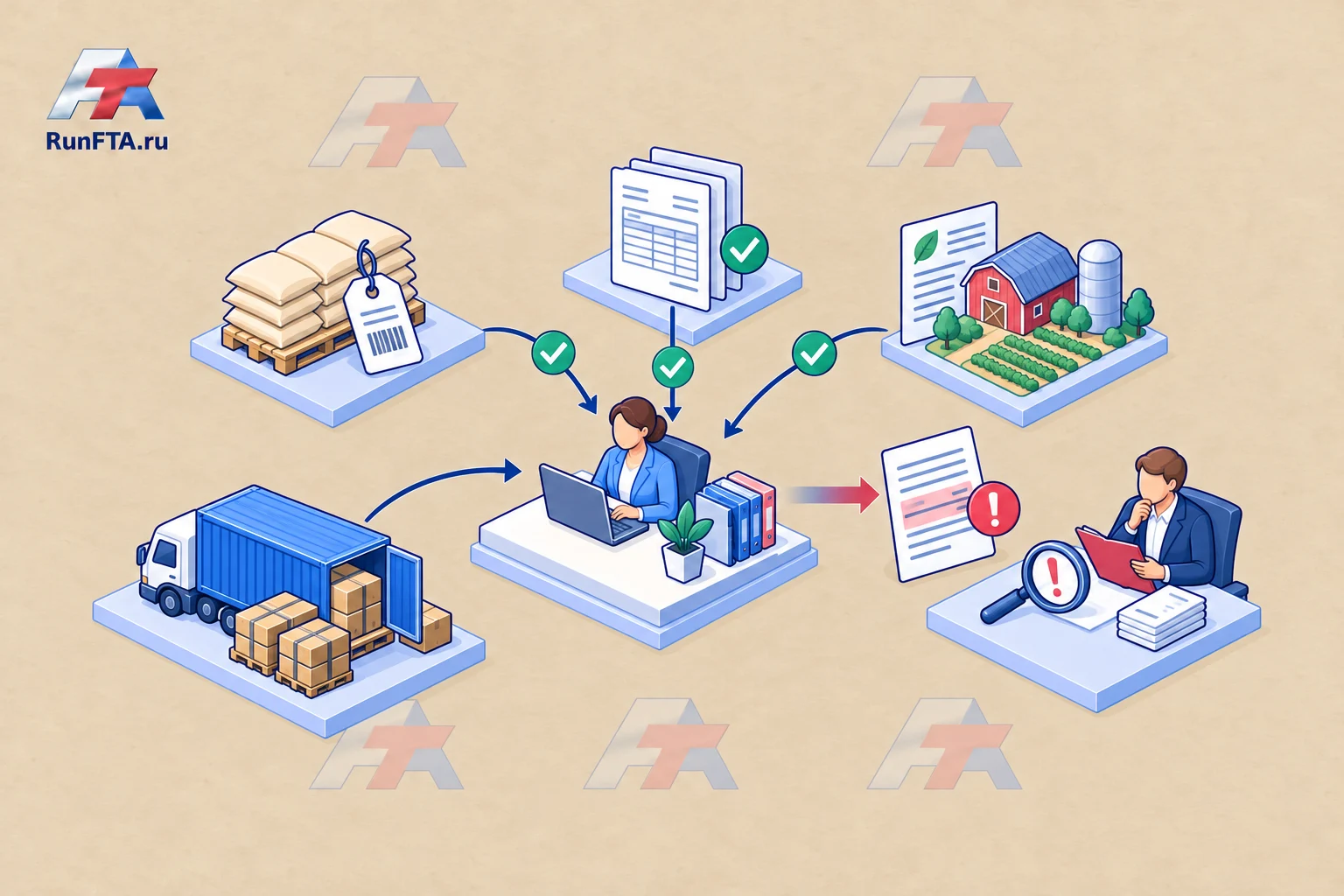
Preserve the basis of the decision for the next shipment
Keep a list of submitted evidence, responses to open questions, and information about the issued document in the shipment folder.
For a new product or direction, review applicability rather than automatically carrying over a past decision.
Control of links can be combined with the export document registry.
The result of the work is a clear chain of evidence and resolved questions for the package.
The decision to issue and recognize the certificate remains with the authorized parties according to current rules.
A practical management guide.
All examples are illustrative.
Check applicable requirements and terms for the specific product, country and contract.
Sources checked on 24 October 2026.