
The number of shipments does not describe the team’s workload
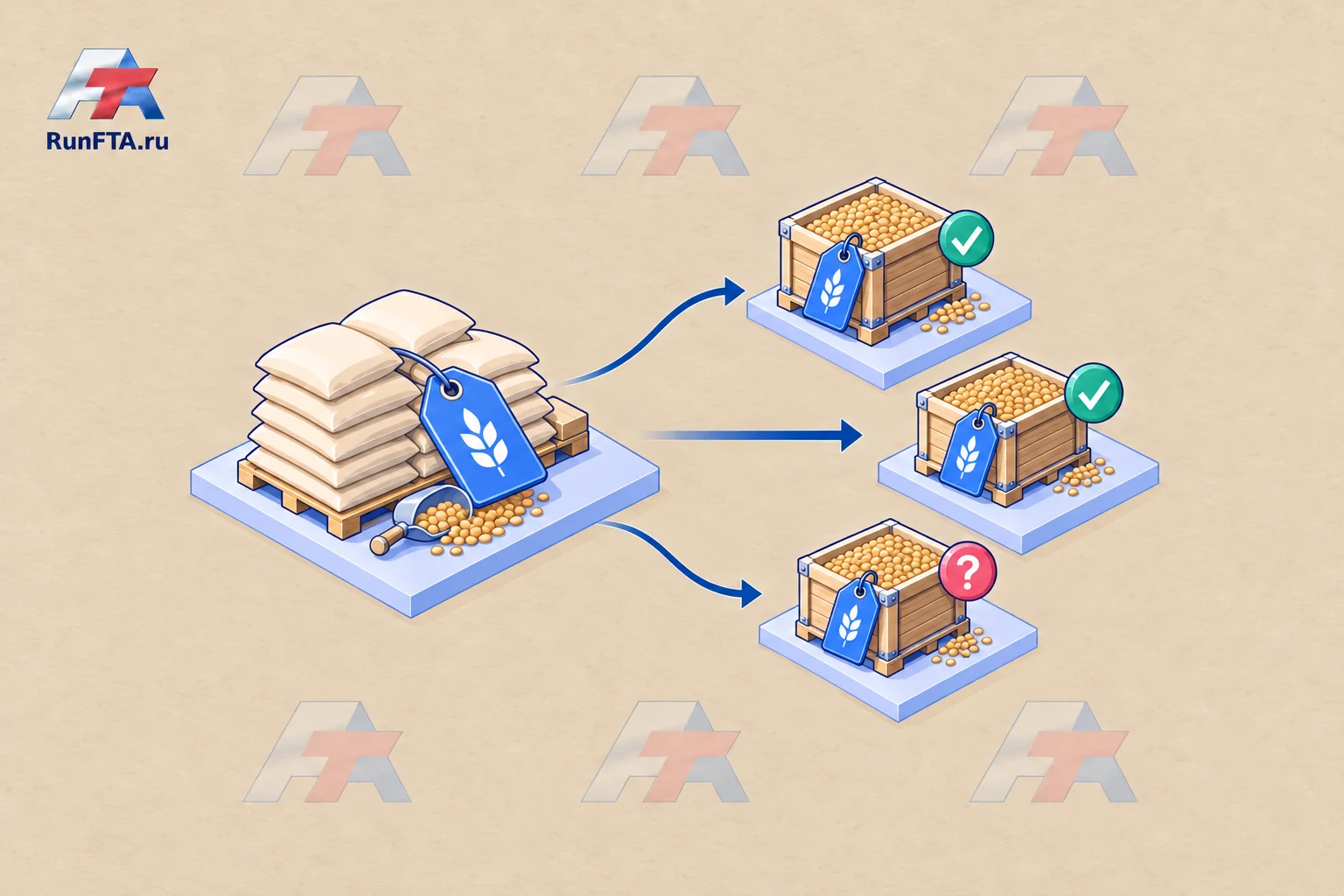
Two shipments of the same weight may require different amounts of approvals.
A new product, route, or buyer adds work that is not present in a repeat deal.
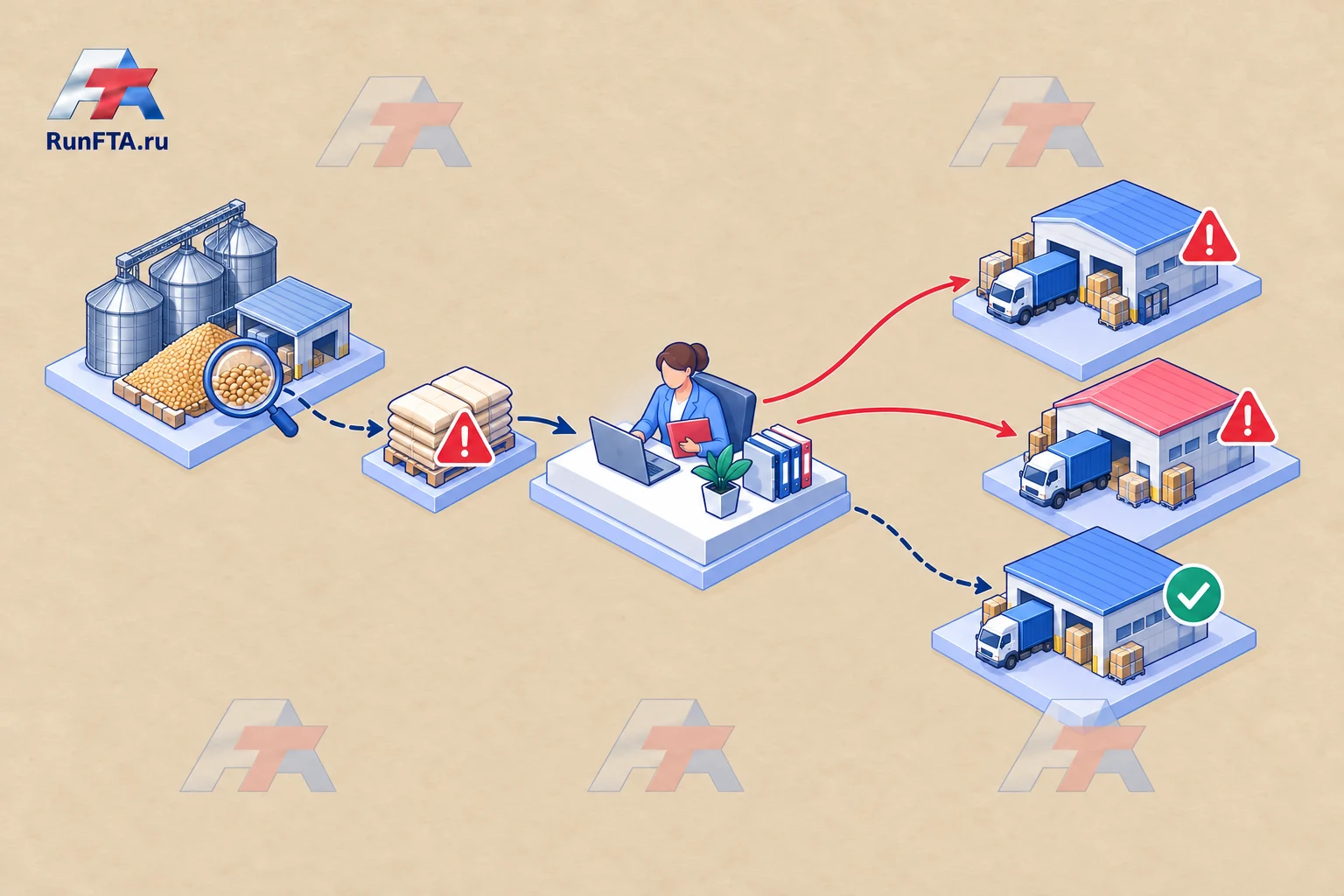
A plan based only on the number of wagons or contracts hides these differences.
The manager needs a plan for available time by stage and participant, taking complexity into account.
This is an assessment of the team’s capabilities, not a promise of universal output per employee.
Let’s discuss the work of the foreign trade team in your company
I’ll help you analyse your situation: the number of upcoming shipments is compared with the number of employees, without taking into account complexity and absences.
We’ll discuss solutions to this and related foreign trade tasks in your company, the distribution of responsibilities and next steps.
The scope of support will be agreed upon before starting work.
Match work demand with available time
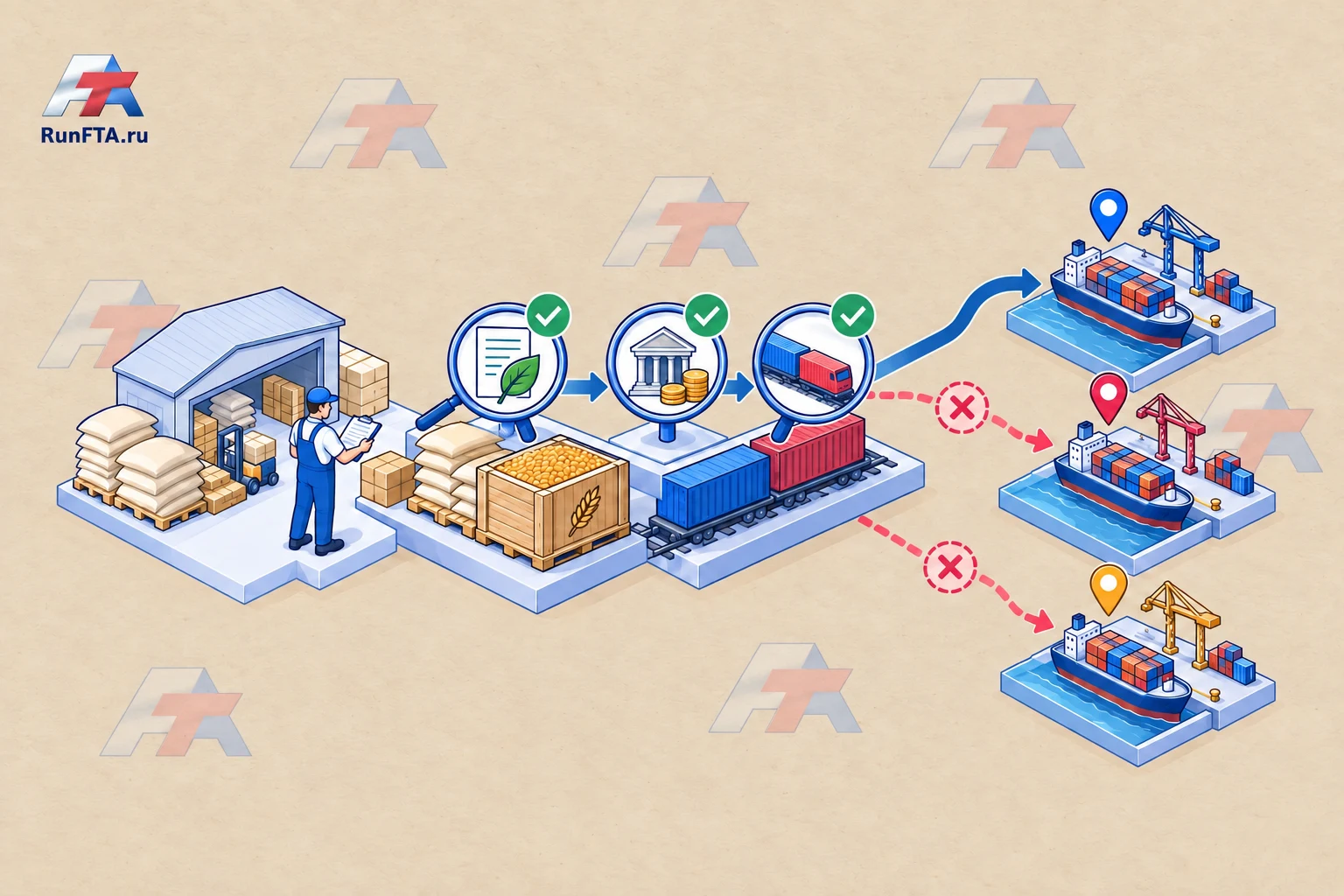
Break down the shipment into stages and estimate active working time based on completed comparable tasks.
Separately highlight new or uncertain operations.
Then determine the actual available time: exclude absences, other duties, and the agreed reserve.
Check the workload by role.
The total reserve of hours does not help if all critical checks are performed by one specialist.
External waiting affects the calendar schedule and the number of simultaneously open tasks, but does not fully turn into working hours.
Project time records, for example, from the foreign practice of Harvest, can be a source; the forecast requires a separate analysis.

Stage-based plan instead of a general norm
The training structure does not contain load standards.
| Element | What to assess | Where to check |
|---|---|---|
| Stage | Preparation, verification, approval | Shipment plan |
| Workload in hours | Active work on comparable tasks | Actual records |
| Complexity | New product, route, conditions | Deal card |
| Availability | Working time minus obligations | Agreed team plan |
| Limitation | Role or competence without replacement | Task distribution |
| Reserve | What is still unknown | List of open questions |
Illustrative scenario: the team’s hours are sufficient, but the verifying specialist is unavailable during the required time slot.
The solution is to agree on a replacement or schedule, not to declare the entire plan as feasible.
How to act when resources are insufficient
First, identify the limiting stage.
Then compare the options: change the order, deadline, volume, distribute tasks, or involve a specialized participant.
Transferring work does not eliminate the time needed to bring someone up to speed and verify the result.
Do not increase the plan solely by removing the reserve for the unknown.
If workload in hours is estimated from memory or the product is new, note the uncertainty and schedule a review after obtaining the facts.

Revise the forecast after changes
When shipment conditions change, update not only the date but also the scope of work.
Compare the plan with the actual results by stage so that the next estimate is based on comparable data.
It is convenient to combine open tasks and confirmations in the export deal card.
The criterion for a good plan is visible constraints and agreed actions, not maximum workload for each employee.
A practical management guide.
All examples are illustrative.
Check applicable requirements and terms for the specific product, country and contract.
Sources checked on 24 October 2026.