
A Completed Shipment Does Not Equal a Closed Order
The container has been delivered, so the manager moves the deal to the archive.
A week later, an additional invoice arrives, the buyer requests a corrected document, and part of the payment has not yet been distributed.
The operational mark hid the unfinished work.
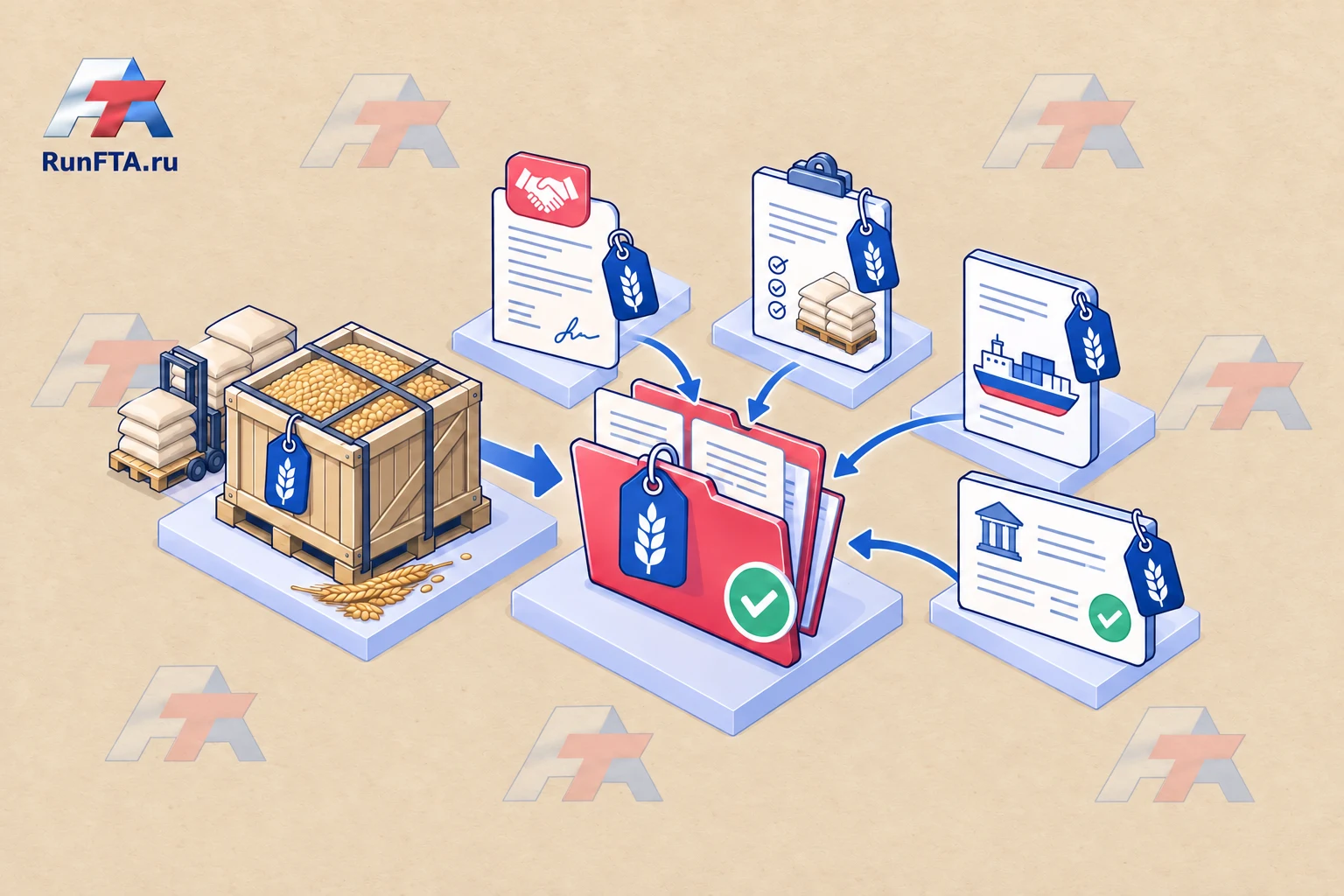
For management closure, a short final register is needed.
It shows the status of the goods, documents, settlements, and remaining obligations.
This is not a substitute for accounting closure, bank control, or legal termination of obligations.
Discuss an export-order closeout register for your business
I can help structure an export-order closeout register, gather the required information and evidence, and agree responsibilities and next steps.
We can also discuss similar difficulties and related foreign trade tasks.
We agree the scope and any specialist involvement before work starts.
Check Four Blocks
| Block | Basis for Work Mark |
|---|---|
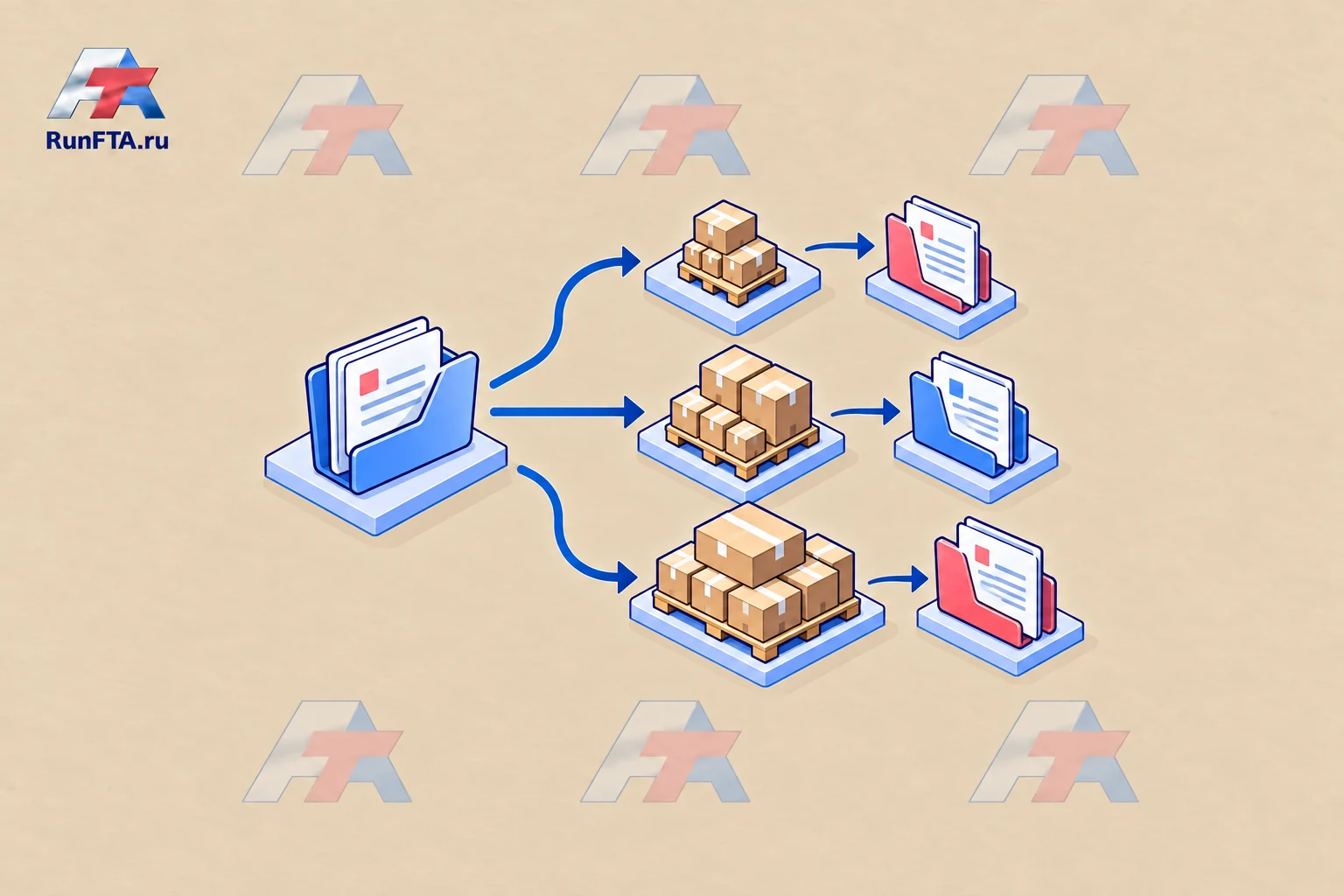
| Goods | The agreed quantity is compared with the shipment and the result of acceptance |
| Documents | The final set is determined, requests for corrections are taken into account |
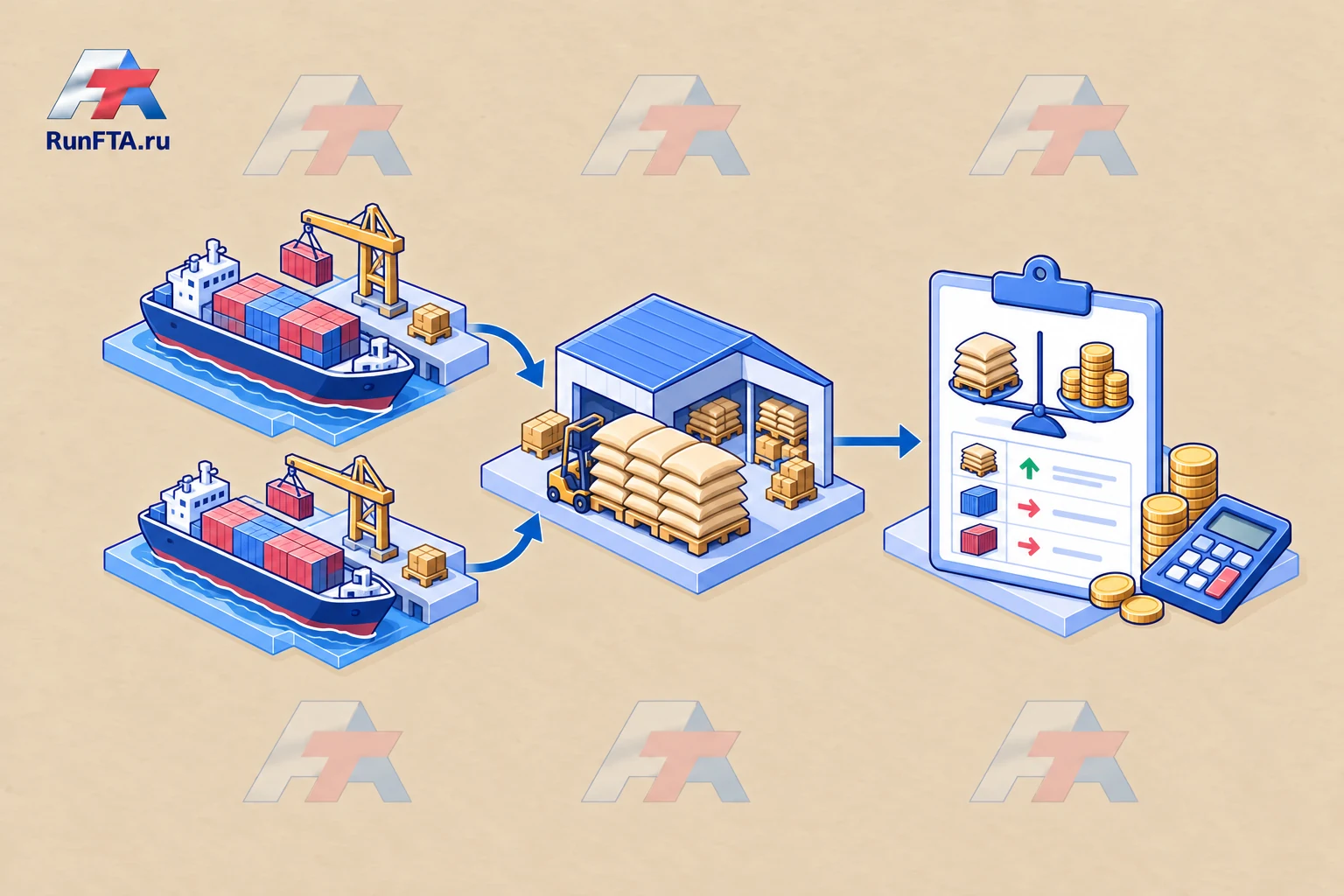
| Settlements | Charges and receipts are verified, the balance or discrepancy is explained |
| Open Issues | Each obligation has a responsible person and the next step |
Confirmation of delivery does not replace confirmation of acceptance if the parties distinguish between these events.
A zero balance in one table also does not prove the absence of all obligations.

Keep Open Items Visible
Hypothetical example: the goods have been accepted and payment has been received, but the carrier has not yet confirmed the final service amount.
You can mark the completion of the goods part and keep the open issue regarding expenses.
You cannot invent an exact final profit while a significant amount is unknown.
For each open item, indicate its impact on the total and the date of the next clarification.
In the SourceDay system, the stages of dispatch, receipt, and order completion are distinguished.
This is an example of process organization; the company’s own statuses should correspond to its actual events.
Verify Final Changes
Compare the latest agreed version of the order with the original: quantity, terms, additional operations, and documents.
Each change must have a basis.
If an expense without a clear connection is found, send it for verification rather than distributing it arbitrarily to close the line.
Keep a single location for the final set.
Add a late-received document with a date and explanation, without replacing the history as if it had existed from the start of the delivery.
Access and storage periods are determined by company rules and applicable requirements.
Submit the Result to the Owner
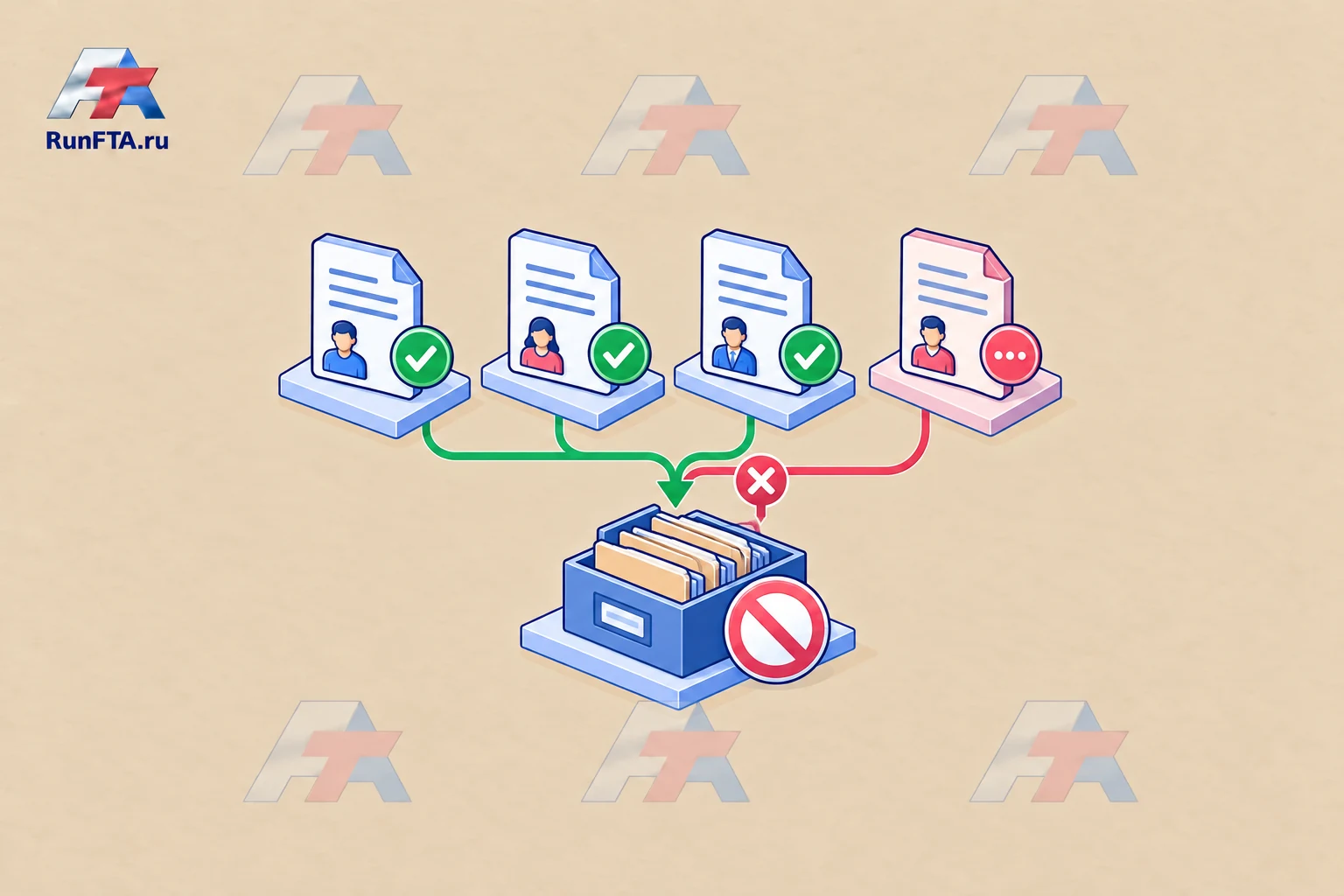
The manager needs a confirmed total, remaining uncertainties, and assigned actions.
After that, you can conduct a review of the completed delivery: what to change in the next cycle.
The closing register and review serve different purposes.
The former confirms the status of a specific order; the latter helps to improve the process.
It is useful to first gather a verifiable total so that the discussion of improvements does not rely on incomplete figures.
Internal management guidance; examples are hypothetical.
Overseas sources do not establish Russian legal requirements.
Check authority, contract terms, restrictions and mandatory procedures for the specific transaction.
Reviewed 26 October 2026.