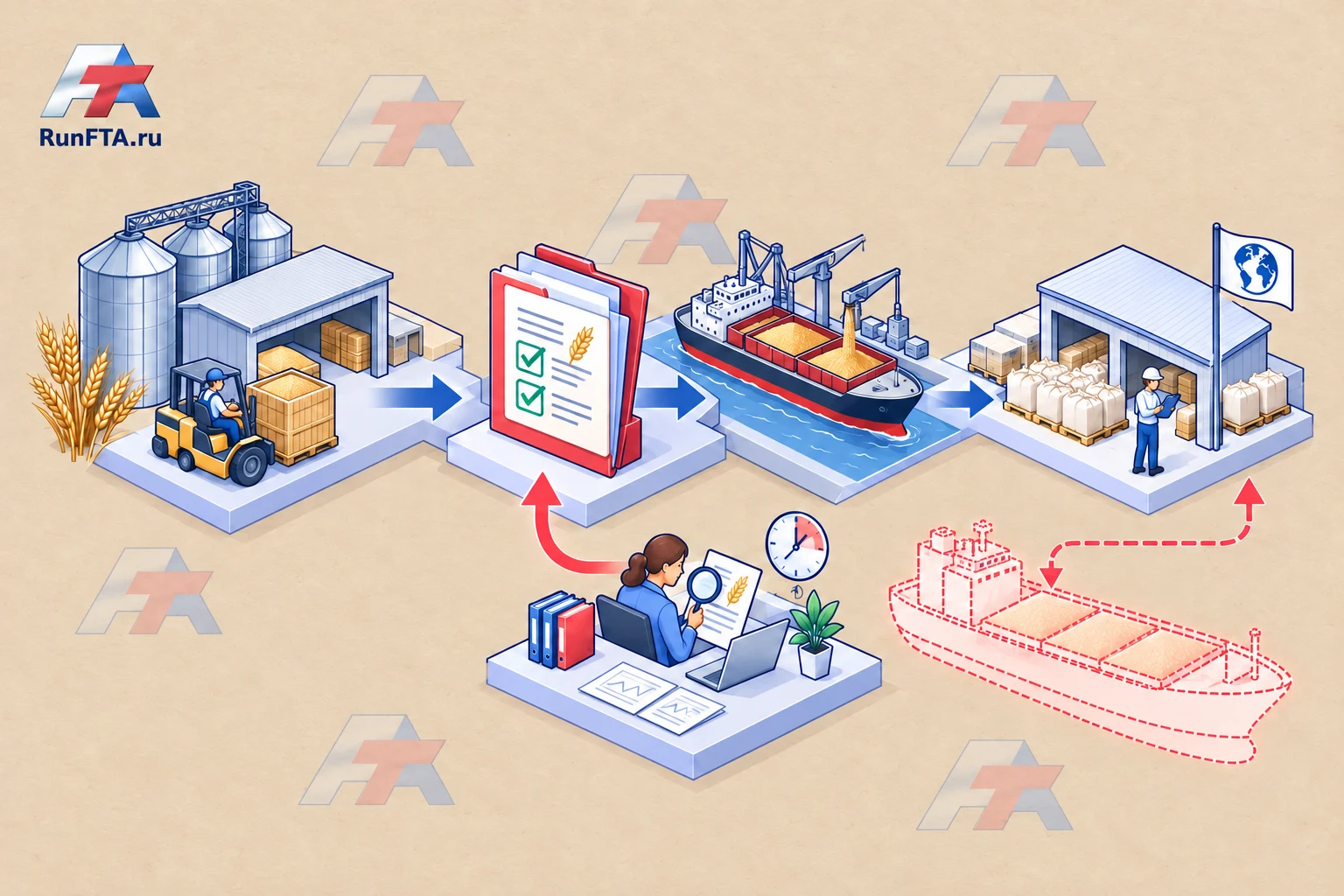

The policy name does not show all covered losses
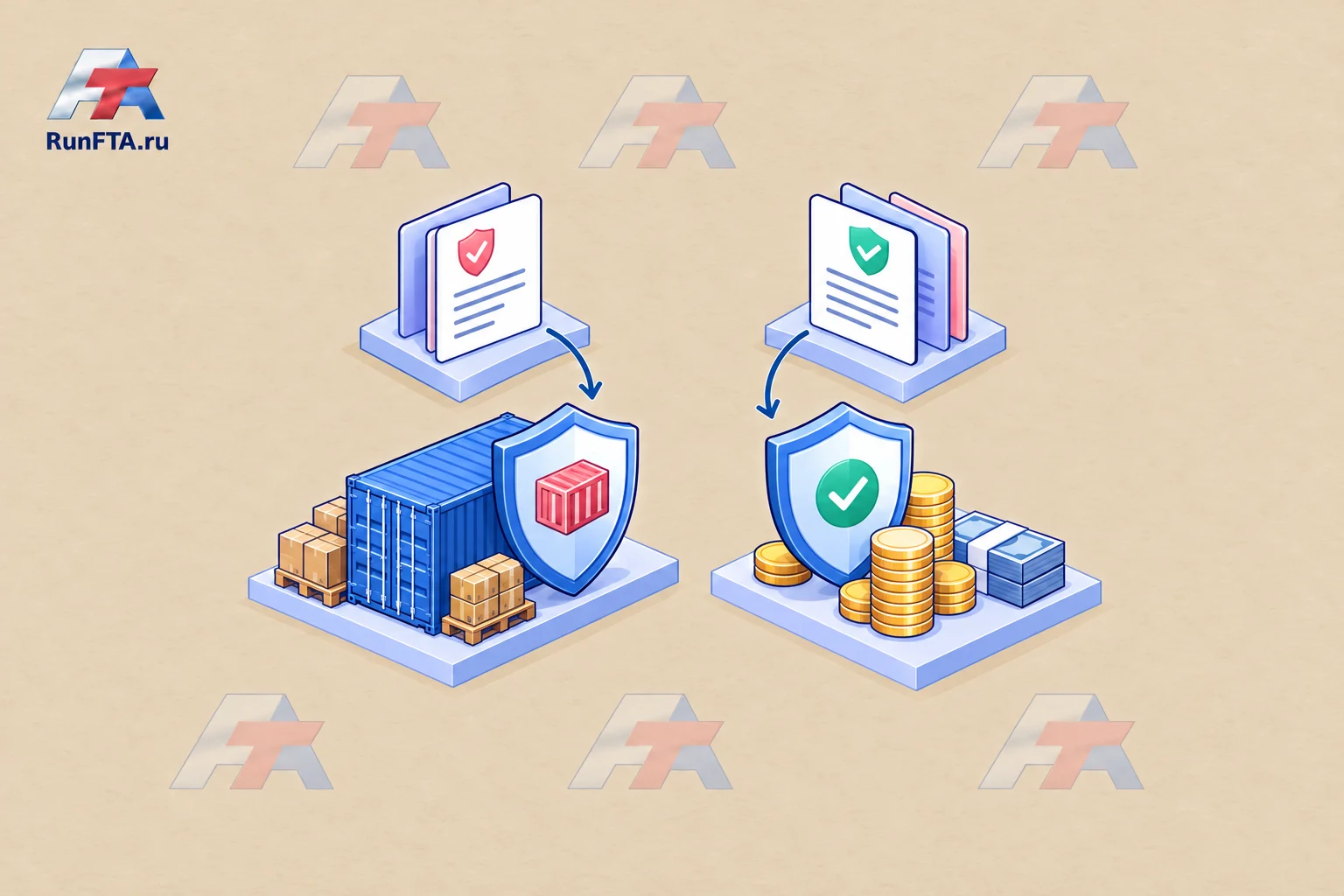
Damage to cargo and non-payment by the buyer are different risks.
From the fact that the shipment is insured, it is impossible to conclude that any loss under the deal is covered.
It is important to read the actual terms, exclusions and obligations of the policyholder.
The head of an export company needs a map of remaining risks.
It helps to ask questions to the insurer before starting execution, but it does not define the insurance coverage instead of the policy and does not promise compensation.
Let’s discuss the control of conditions and calculations in your company
I will help you analyse your situation: one policy is perceived as protection against any loss under the deal.
We will discuss the solution to this and related foreign trade tasks in your company, the distribution of responsibilities and next steps.
The scope of support will be agreed before starting the work.
Match the deal risks with the coverage text
Describe the goods, route, participants, transportation period and payment obligations.
Then, for each significant scenario, find confirmation in the policy or get clarification from the insurer.
Mark the absence of a clear answer as an open question, not as a covered risk.
Separately, check the exclusions, limitations, required notifications, actions in case of an event and supporting documents.
Write down the deadlines from the current policy: there is no universal deadline for all products and insurers.
Report any changes in the route or other circumstances to check their impact on the insurance terms.
Coverage map and open questions
All entries below are a training template of questions, not an example of promised coverage.
| Scenario | What to find in the terms | Question owner |
|---|---|---|
| Damage to goods | Object, events, exclusions | Person responsible for insurance |
| Non-payment by the buyer | Whether this risk is covered | Financial manager |
| Route change | Required approval | Logistician |
| Damage detection | Procedure for actions and notifications | Appointed coordinator |
| Claim for compensation | Required confirmations and procedure | Policyholder and specialist |
Illustrative scenario: the route changed after the policy was issued.
The coordinator records the change and requests a check of the terms before considering the new configuration as covered.
The mere existence of the previous policy does not resolve the issue.
Separate event confirmation from the compensation decision
When an event occurs, preserve the facts and follow the actions stipulated by the applicable terms, with the involvement of competent specialists.
Do not wait for the completion of the internal investigation if the policy requires earlier notification; check the specific procedure in the document.
Do not record anticipated compensation as cash received.
Submitting a claim, acceptance of the insured event and receipt of funds are separate statuses.
Foreign government programmes described in overview materials do not establish their availability to a Russian exporter.
Agree on responsibilities within the company
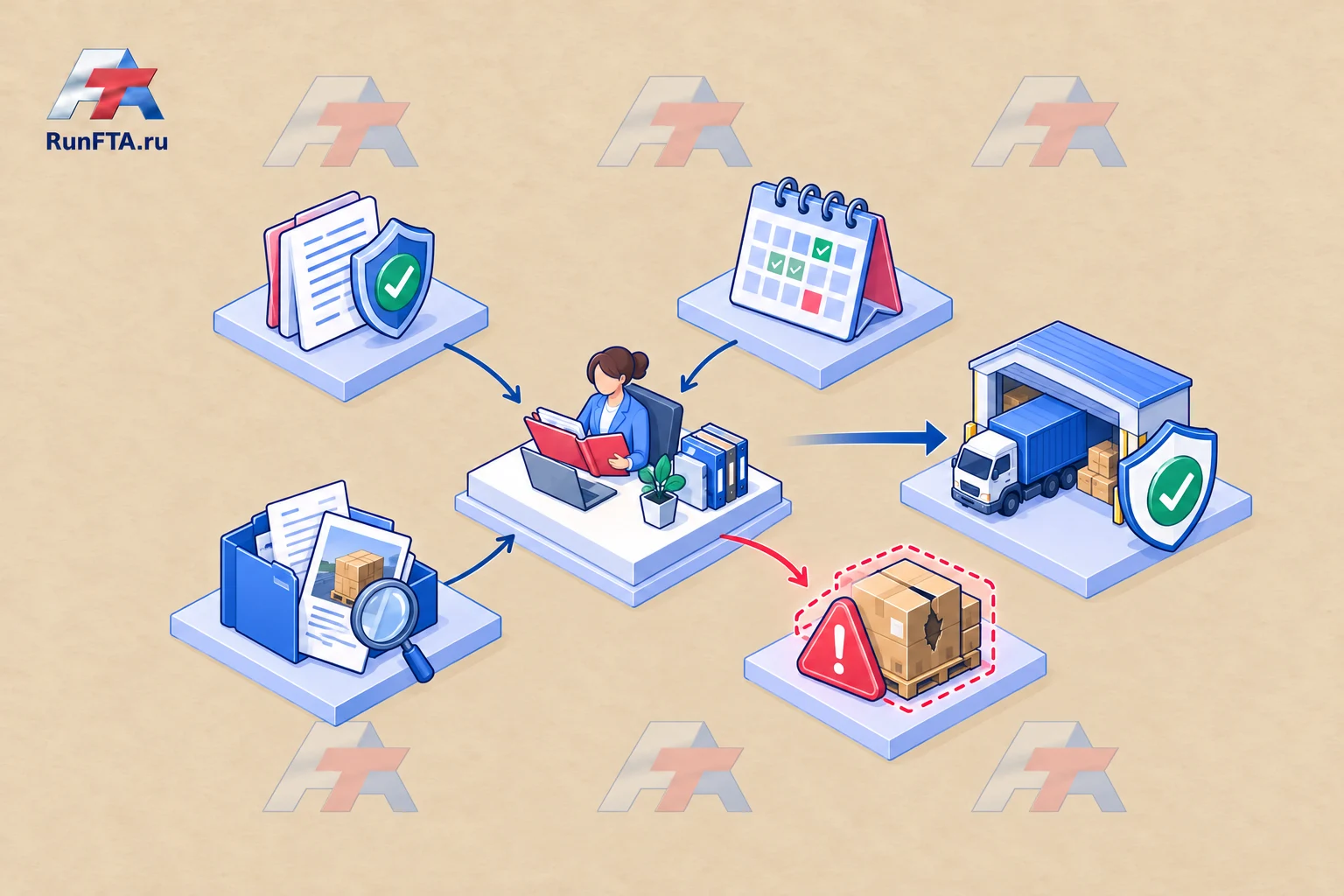
Before the next shipment, determine who keeps the policy, checks for changes, notifies the insurer and collects confirmations.
This person must have access to the current version of the terms.
Link the map with the export document register.
The manager should see not a ‘insurance is in place’ mark, but closed and open questions about the risks of a specific deal.
Product availability, legal interpretation of terms and the payout decision are clarified with competent participants.
A practical management guide.
All examples are illustrative.
Check applicable requirements and terms for the specific product, country and contract.
Sources checked on 24 October 2026.