
First, determine exactly where the release has stopped
The container has arrived at the port, but the buyer cannot collect the goods.
The message ‘documents are missing’ does not yet tell the manager who needs to act or how much time is available to resolve the issue.
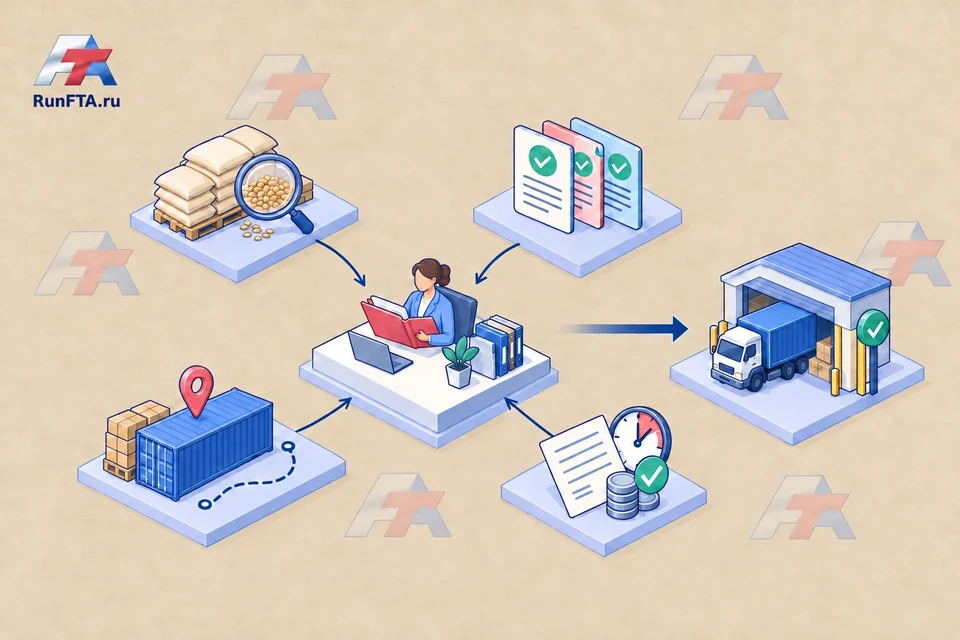
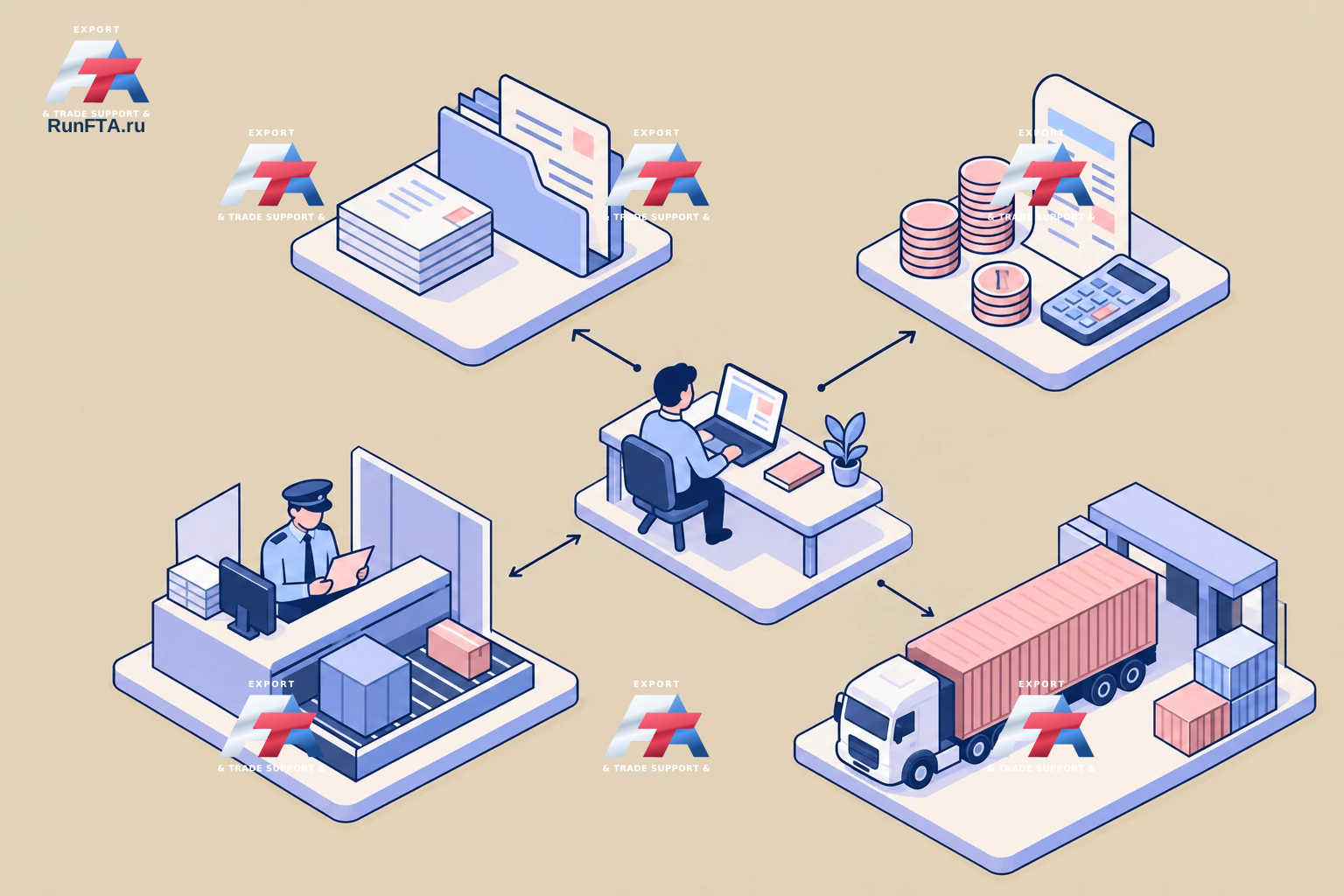
Gather four independent statuses in one card: carrier documents, payments for related services, customs procedures, and cargo collection readiness.
For each status, specify the source, confirmation time, owner of the next action, and response deadline.
Mark unconfirmed information as a question, not as a completed stage.
Ask the recipient or their forwarder to name in writing the organisation currently blocking the next step and the reason for the delay.
Do not replace this answer with an assumption such as ‘customs is holding the cargo’: the carrier, terminal, and government agencies have different functions.
For example, a customs representative might report that the procedure is not yet complete, while the line might say it has not received confirmation on the transport document.
These issues can be resolved in parallel.
According to Maersk (https://www.maersk.com/pt-br/insights/digitalisation/2024/10/09/cargo-release), the procedure depends on the country, transport mode, and operation; one line’s instructions do not apply to other carriers.
Record the booking, container, and transport document numbers.
Do not share payment details, document numbers, or contacts via public forms unless necessary: describing the product, route, and issue is sufficient for initial communication.
The cargo has arrived, but the release status is unclear?
I will help you gather document, payment and cargo collection confirmations; coordinate participants; and prepare questions for the manager’s decision.
Please provide details about the product, destination country, and the stage at which the delay occurred.
Decision-making card
| Question | What to request | Who confirms | What to record |
|---|---|---|---|
| Carrier document | Document type, status, and missing action for release | Line or assigned forwarder | Status, confirmation link, responsible party, and deadline |
| Service payments | Which invoices relate to release and what remains unconfirmed | Invoice issuer and payer | Amount, basis, status, and next check time |
| Customs procedure | Procedure status and specific request, if any | Declarant or their customs representative | What has been received, what is missing, and who the question was forwarded to |
| Cargo collection | Transport readiness, agreed window, and access conditions | Recipient, carrier, or terminal | Planned event, restrictions, and backup option |
Indicate the date of the last confirmation.
If the recipient says ‘everything is agreed’, but the line has not yet responded, note ‘awaiting line confirmation’.
When no action owner is listed in the card, assign a person to receive the answer; this does not mean they can alter the contract or payment instructions.
Coordinate actions on the transport document
Do not assume that any electronic confirmation replaces the original bill of lading.
First, clarify with the carrier the type of document issued, the applicable release method, and the person authorised to give instructions.
The ability to change the method and required actions depend on the specific line, route, and deal terms.
Ask the seller, buyer, and forwarder to confirm where the required document is located and who will deliver it to the carrier.
If parties discuss changing the release method, escalate the issue to authorised persons and a relevant lawyer; the coordinator records the decision and its execution.
Show the manager the cost of waiting
Request separate written terms from the line and terminal: free time, start and end events for charges, tariffs, possible storage, and how the amount is updated.
Do not add values until it is clear whether they relate to different services or periods.
Hypothetical example.
Suppose the confirmed charge for additional container use is 80 units per day.
Waiting two more days at the same rate adds 160 units: 80 × 2.
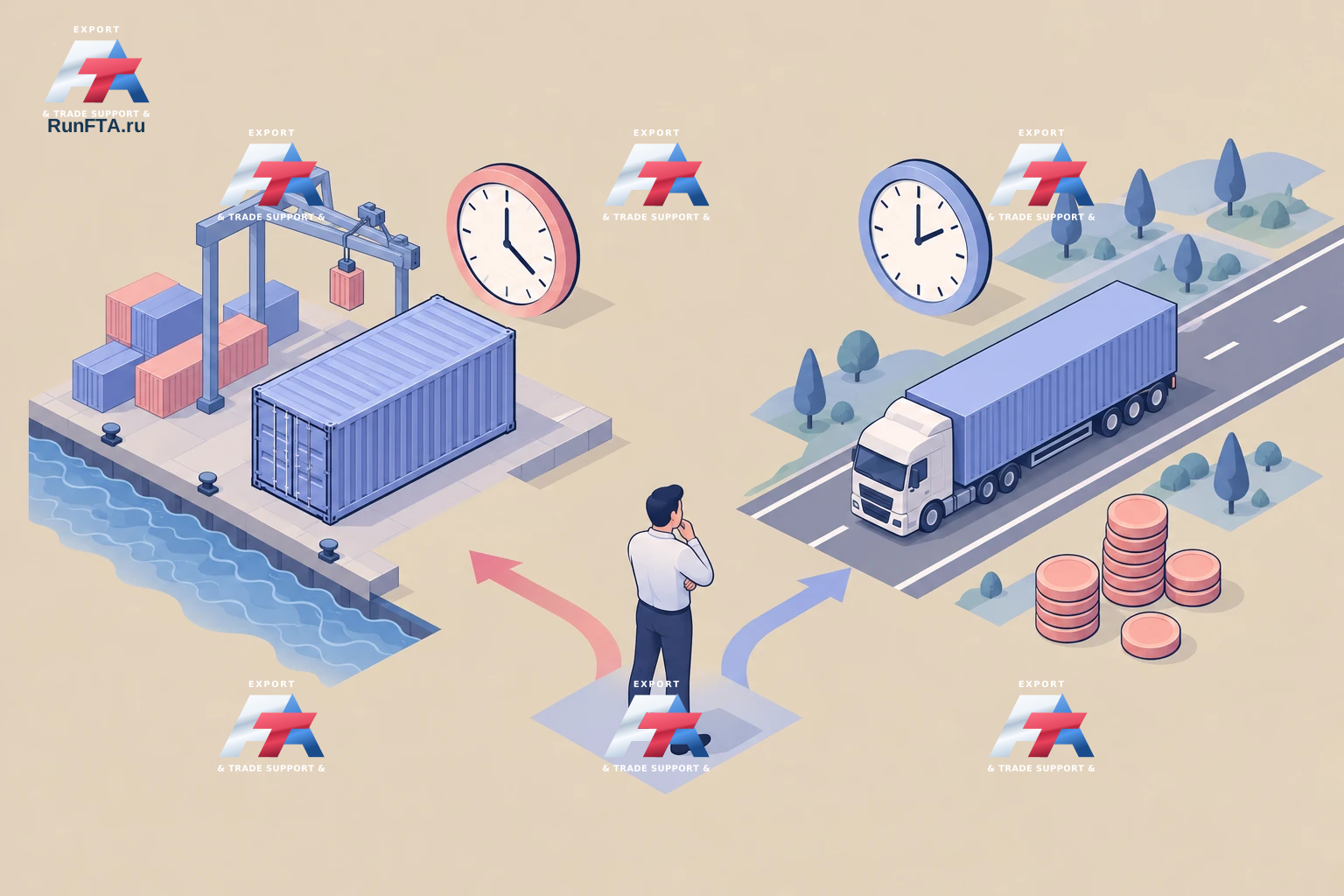
If alternative collection costs 120 units more than the original plan, the net difference in this simplified comparison is 40 units in favour of the alternative.
The real decision also depends on transport availability, other fees, product condition, and contractual obligations.
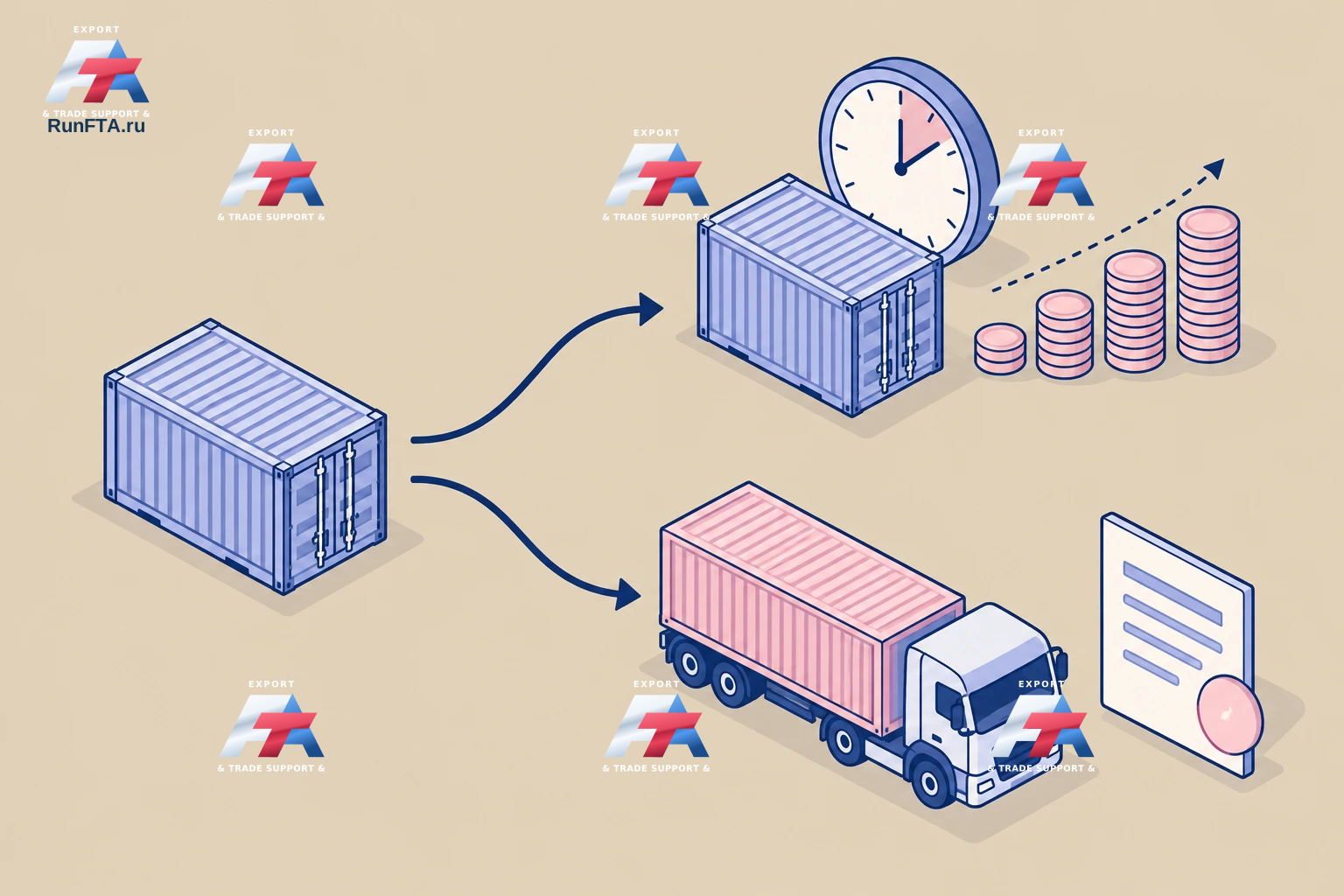
Compare at least two scenarios: awaiting confirmation and changing the transport plan.
For each, show confirmed costs, unknown amounts, event forecast, impact on the product, and decision deadline.
If data is missing, leave ‘unknown’ instead of zero.
How to organise the next step
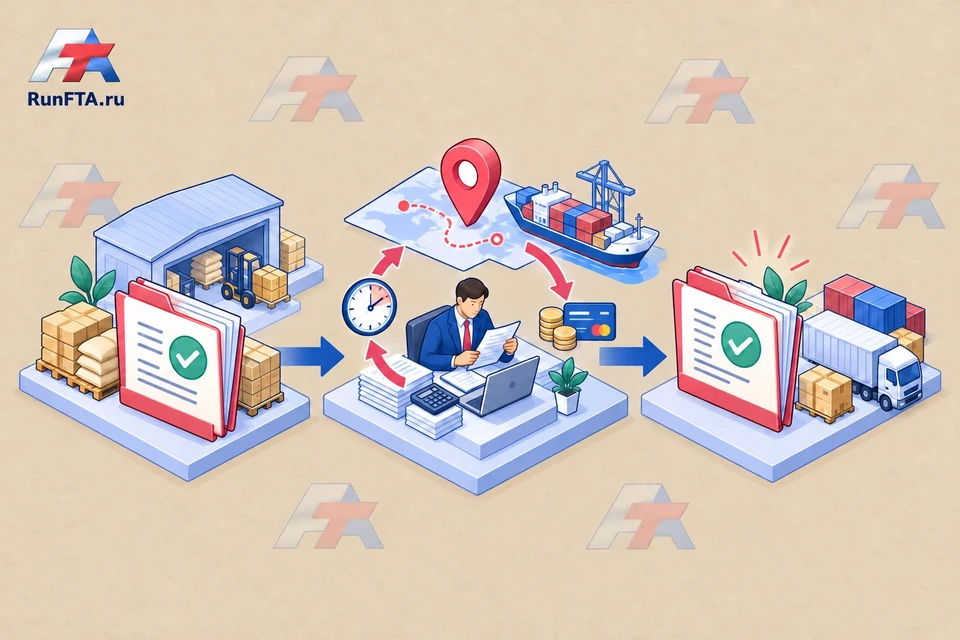
Assign one card coordinator and an owner for each question.
They collect responses from the seller, buyer, carrier, and involved specialists, note changes, and present decisions to the manager.
Rights to alter deal terms, process payments, or perform customs actions are determined separately.
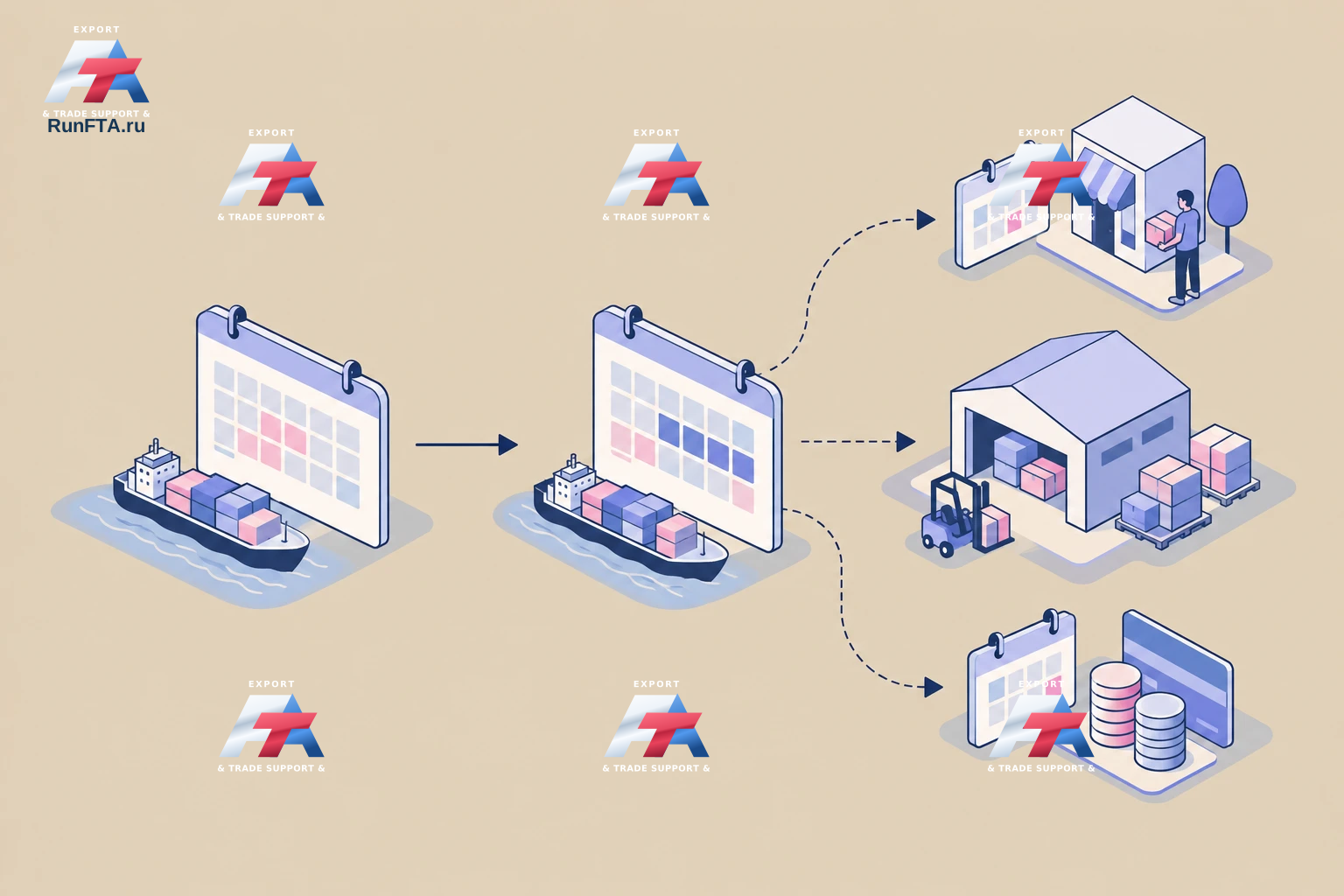
For charge-related questions, use the container free time and expense calendar.
It helps break down timelines separately; this article focuses on release blocks and action distribution.
The cargo has arrived, but the release status is unclear?
I will help you gather document, payment and cargo collection confirmations; coordinate participants; and prepare questions for the manager’s decision.
Please provide details about the product, destination country, and the stage at which the supply stopped.
Suggested management workflow.
Examples are hypothetical.
Authority, contractual terms and mandatory procedures must be checked for the specific transaction; overseas guidance does not establish Russian legal requirements.
Reviewed 27 October 2026.