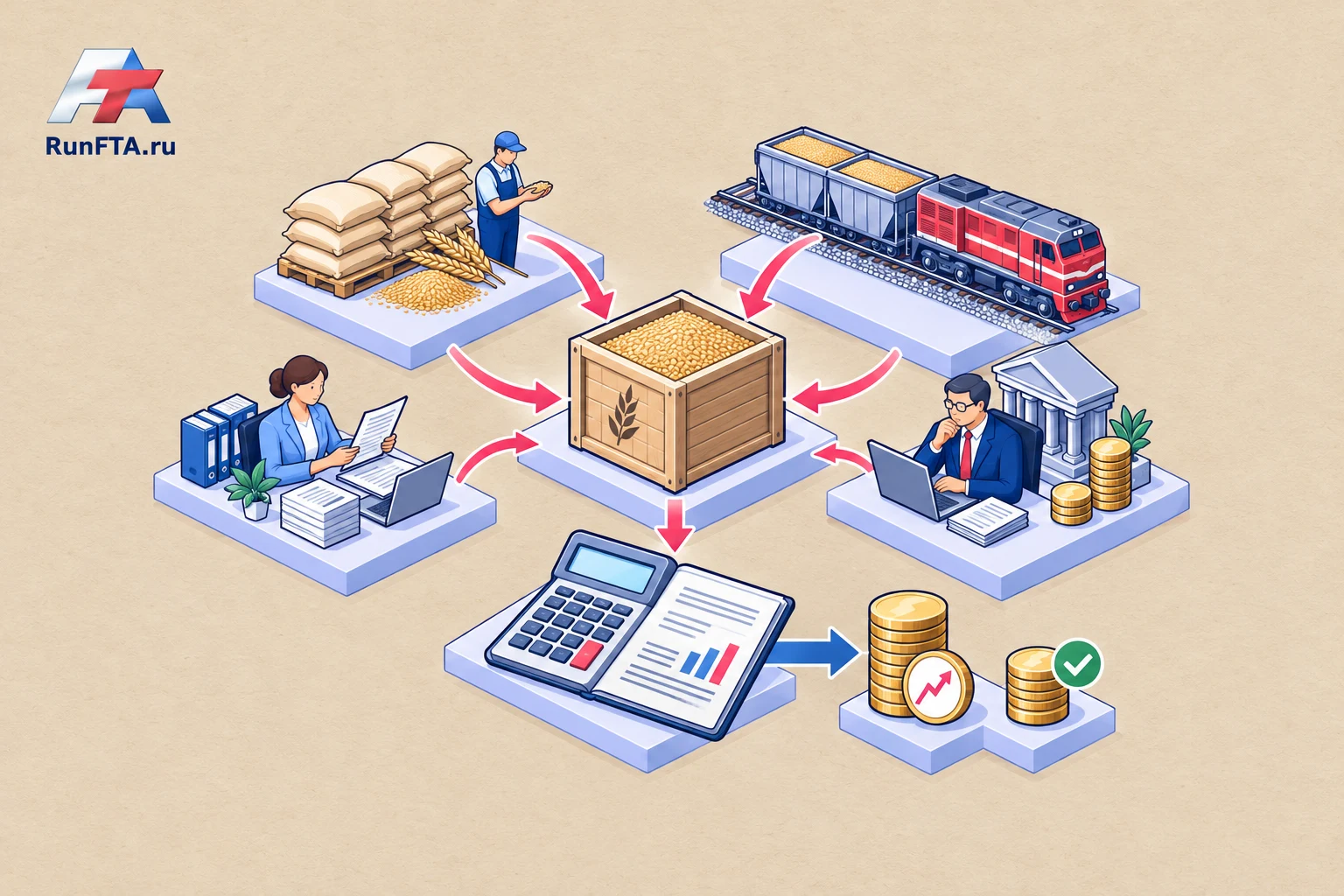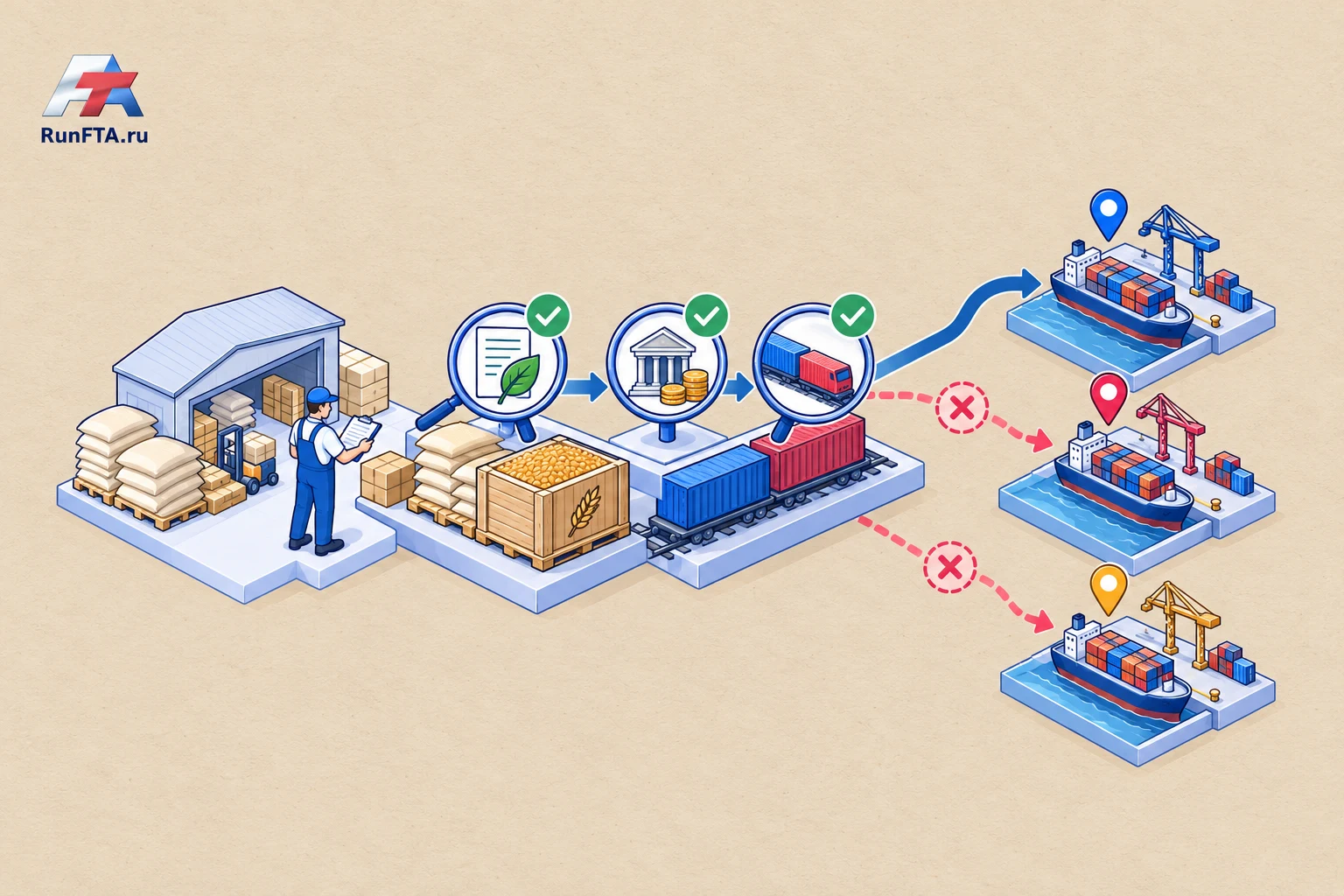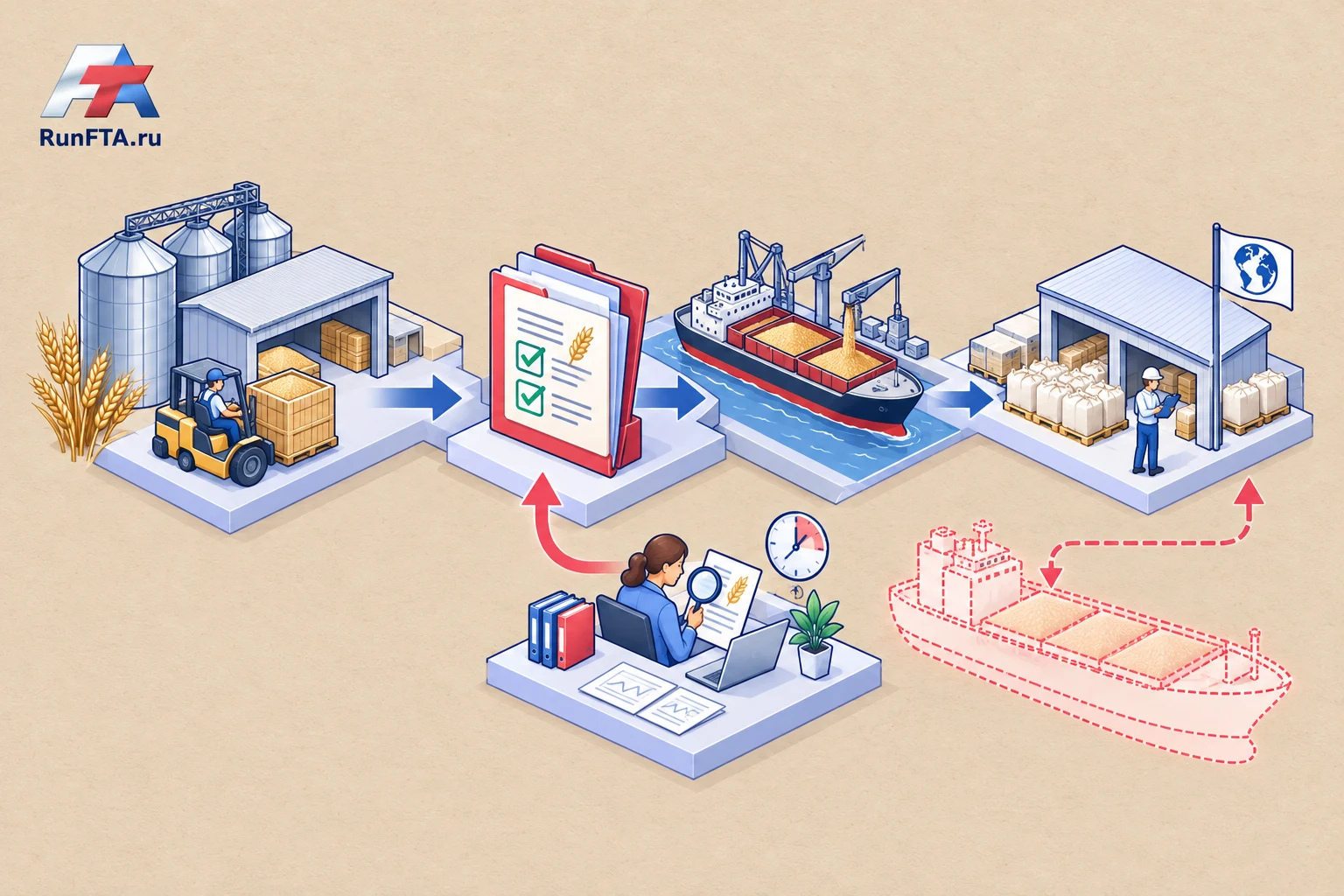

Track events, not just the arrival date
The cargo arrives, but a document needed for clearance is missing. The container stays at the terminal and is then delayed during unloading. Paying freight does not necessarily end additional charges: the applicable period ends at the event specified in the carrier's terms.
Maersk explains demurrage in relation to time at the terminal beyond free time, and detention in relation to container use outside it. Individual tariffs may combine periods or charge storage separately. This helps interpret a quotation; it does not make Maersk's tariff applicable to another operator or confirm a route from Russia is available.
Let’s discuss container deadlines and cost control
I can help review your situation, identify documentation and coordination tasks, and agree participants and next steps. We can also discuss related trade issues and similar difficulties across your company’s shipments. Tell me where the process is getting stuck so we can agree a specific task and scope of support.
Discuss your taskObtain the shipment-specific terms
Ask the carrier or forwarder to confirm direction, terminal, equipment type, tariff validity, start and end events, free days, currency and rate bands. Clarify weekends and the evidence that closes the charging period.
| Milestone | Evidence to retain |
|---|---|
| Start of period | Operator-defined event and date |
| Last free day | Calculation under the agreed terms |
| Cargo release | Documents, payments and remaining blockers |
| Collection and unloading | Confirmed slots and service provider |
| Empty return | Operator acceptance and return receipt |
A request to return the container is not proof that it was accepted. Similarly, completed customs clearance may not remove every terminal or carrier hold.
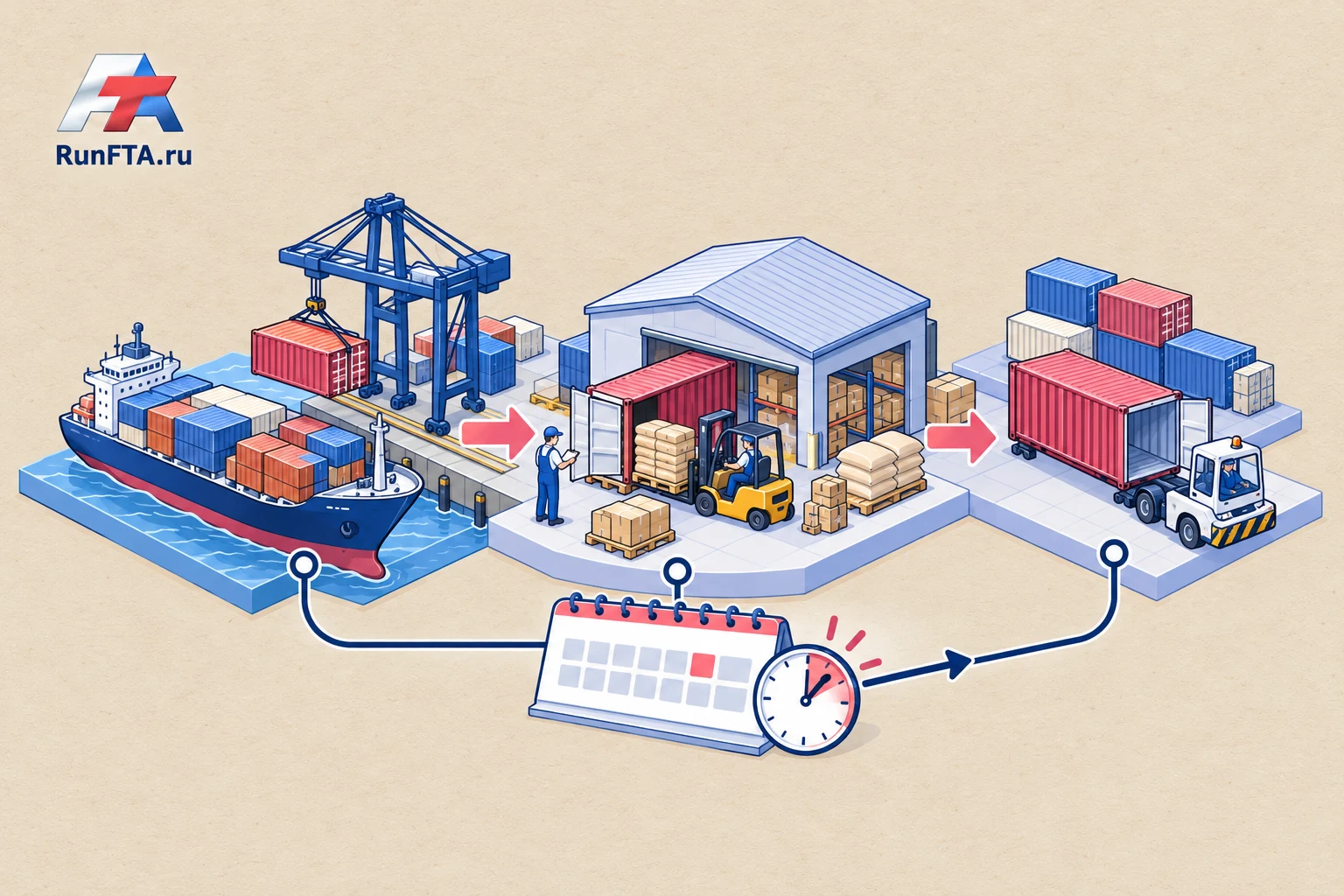
Illustrative delay calculation
Assume a hypothetical tariff charges 80 currency units for each of the first three paid days and 120 for each of the next two. Five paid days cost 3 × 80 + 2 × 120 = 480 per container, or 1,920 for four identical containers. These are teaching figures, not current rates.
For an actual bill, first verify the charging periods and whether storage is separate. Equipment and booking conditions may change the calculation. A single average daily rate conceals the move into the next band.
Assign ownership of the last free day
One coordinator assembles the record, but should not own decisions beyond their authority. The buyer confirms receiving readiness, the logistics team confirms transport and slots, the clearance specialist confirms their scope, and management approves extra cost or plan changes.
Choose an internal warning deadline that leaves time for available action. “Two days before” is not a universal answer. A useful alert contains the reason, the additional cost exposure and the decision required, rather than merely “the container is waiting”.

Reconcile the final invoice
Compare the tariff, milestone dates, free-time allowance and charged lines. Check separately who owes the carrier and how seller and buyer allocate the cost under their agreements. Do not infer the answer solely from a three-letter Incoterms label.
Keep the evidence in the shipment register and include expected charges in the shipment costing model. Run FTA can coordinate participants and deadlines so a delay becomes visible before the final invoice arrives.
Management guidance for exporters. Numerical examples are illustrative; requirements and terms must be checked for the specific product and transaction. Sources checked on 24 October 2026.