There are photos, but no sequence
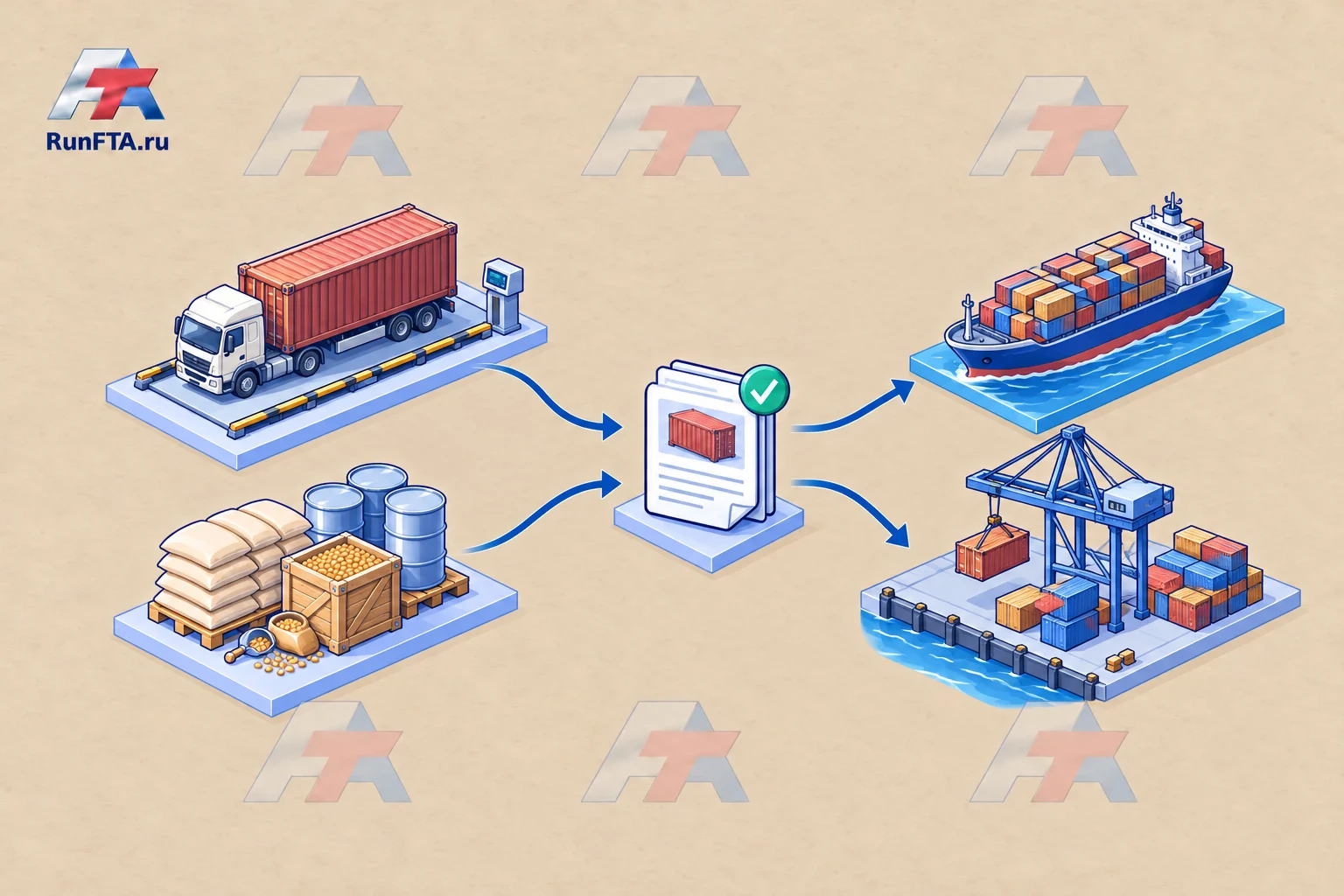
There are pictures of bags, an open container and a seal in the chat.
In a month’s time, you need to figure out which loading they relate to and what happened between the first and last shot.
It may be impossible to tell from individual nice photos.
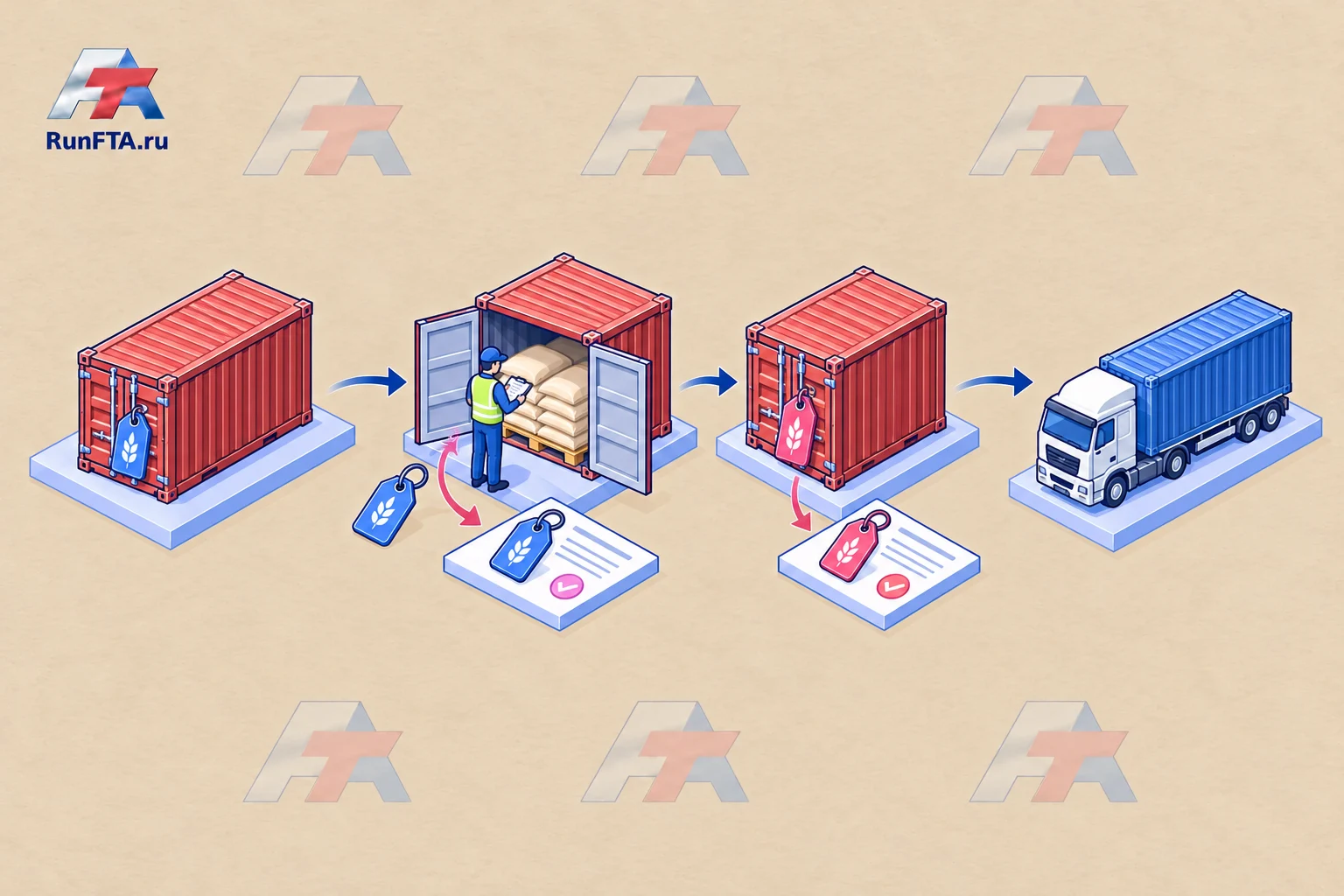
The photo report helps to reconstruct observable events.
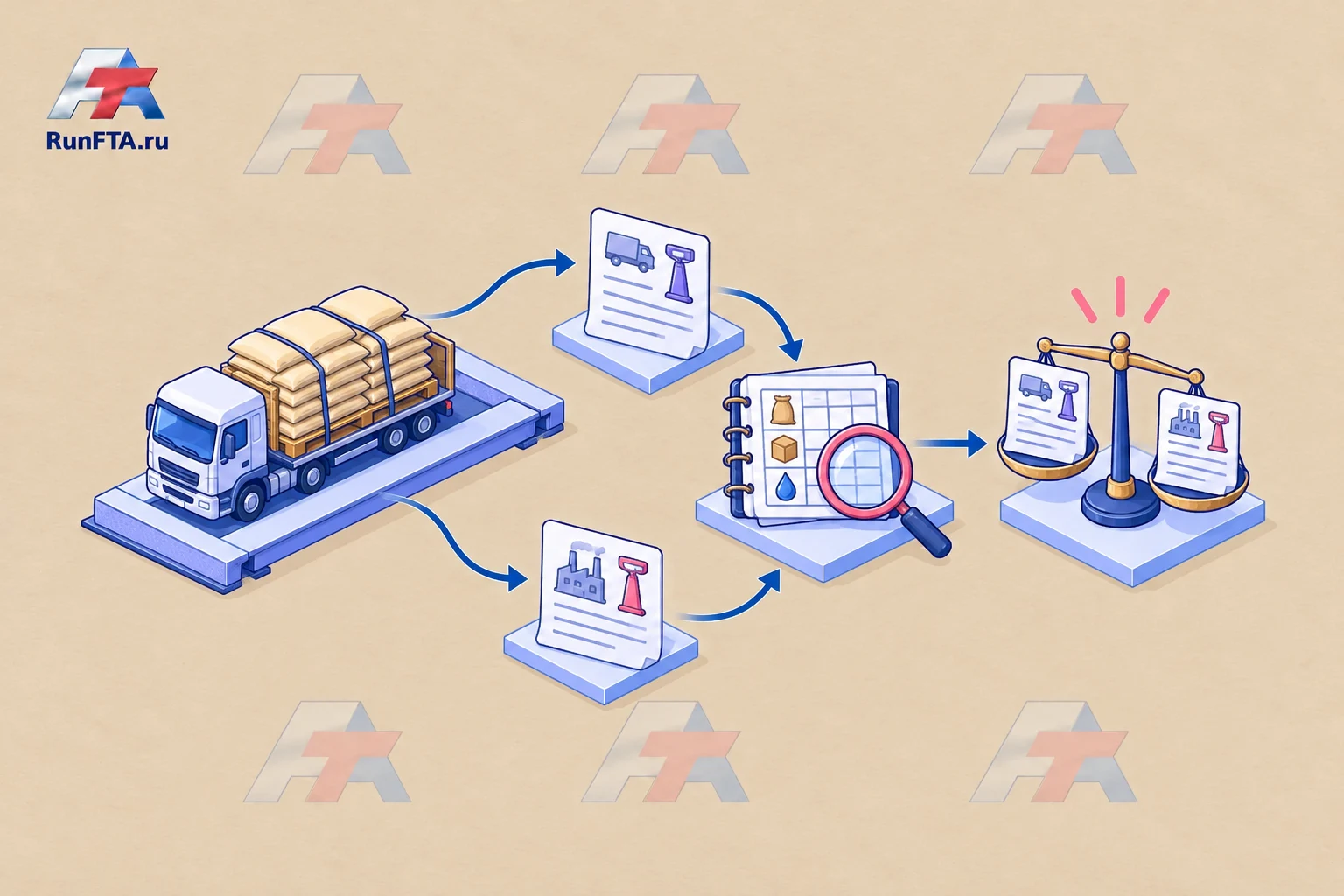
It does not replace mass measurement, laboratory analysis, fastening calculation or a specialist’s report.
The coordinator’s task is to agree on the content of the shooting and to maintain the connection of the files with the shipment.
Discuss a container-loading photo record for your business
I can help structure a container-loading photo record, gather the required information and evidence, and agree responsibilities and next steps.
We can also discuss similar difficulties and related foreign trade tasks.
We agree the scope and any specialist involvement before work starts.
Prepare a photo checklist
Agree on access and site safety rules.
The photographer must not enter a dangerous zone for the sake of the right angle; the designated participant remains responsible for the safe execution of operations.
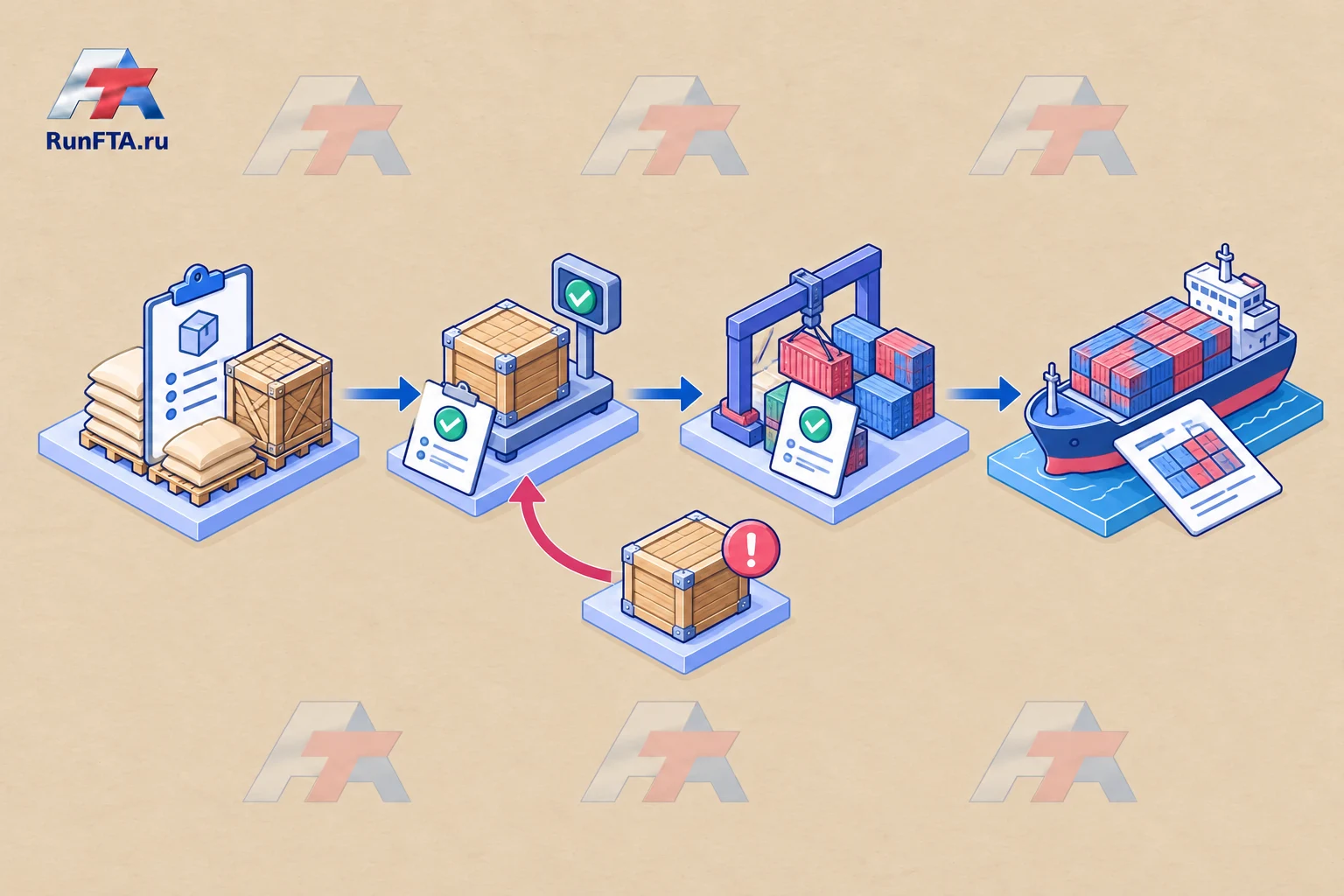
| Stage | What links the shot to the report |
|---|---|
| Before loading | Container and the observed state of available surfaces |
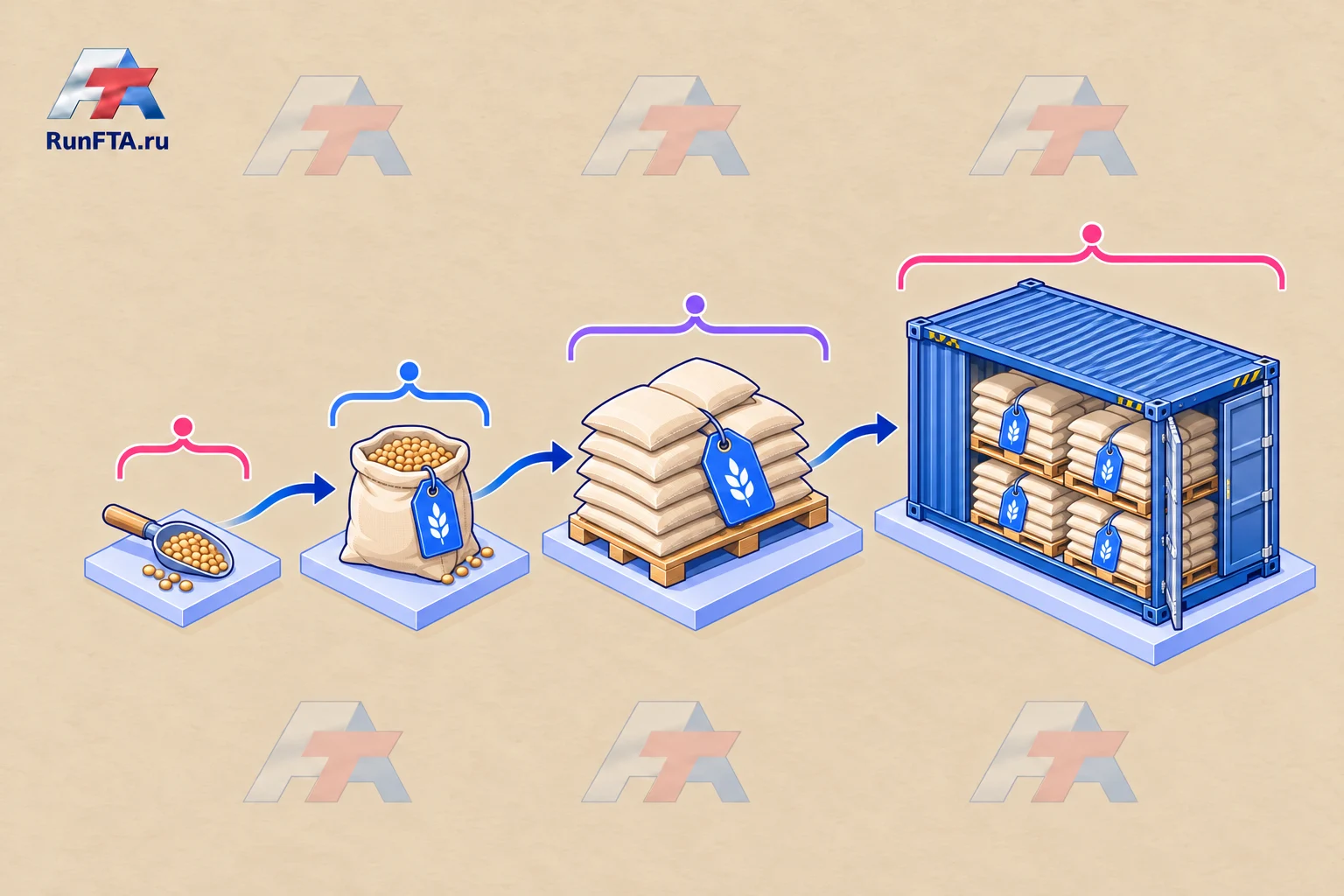
| Goods before movement | Batch designations and visible packaging features |
| During loading | Intermediate stages that will later be covered by cargo |
| After placement | General view of the available part and completed operations |
| Closing | Container identifier and applied seal, if one is used |
The composition of the shots depends on the cargo and the assignment.
The technical adequacy of the placement and fastening is assessed by a competent specialist, not by the number of photos.
Save originals and explanations
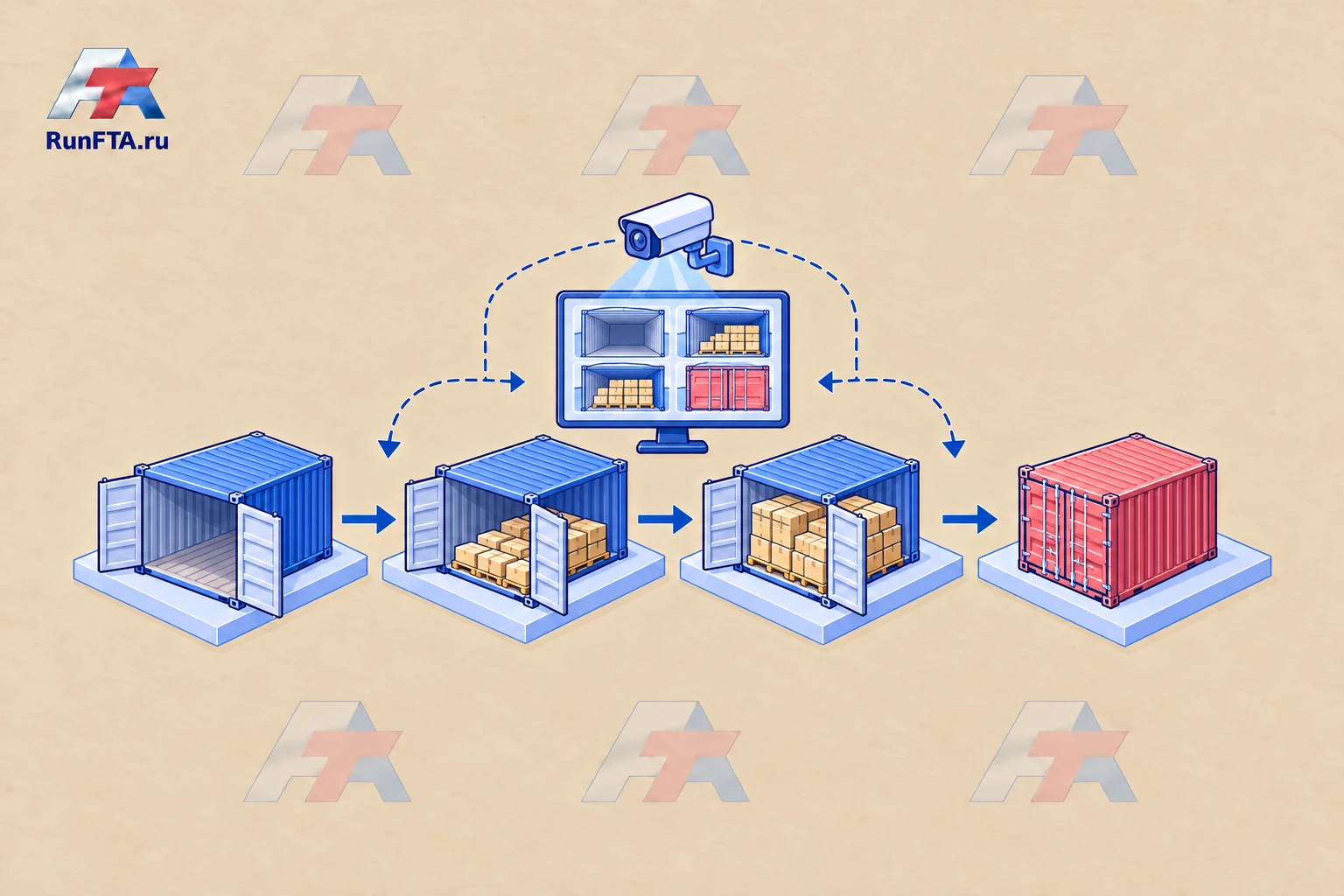
Create a folder with the shipment identifier.
In a short description, indicate the date, site, author and sequence of events.
Save the original files; smaller copies can be prepared for correspondence.
Hypothetical example: there are no intermediate shots between the picture of the first row and the closed container.
The report should state that this stage was not recorded.
You cannot claim that the hidden part of the cargo was placed in the same way as the visible part.
Separate what is visible from what is verified
The phrase ‘the packaging is dry on the available surface’ describes an observation.
The phrase ‘the cargo is fully protected from moisture’ requires different justification.
Do not deduce the mass and quality of the product from the appearance of the bags.
TT Club identifies errors in placement, fastening and documentation among the factors causing cargo damage.
Its general material helps to understand why these operations need to be checked; it does not establish a mandatory photo album for your shipment.
In our plan, the photos serve as additional evidence.

How to accept the report
Check whether the container and batch are recognizable, whether the sequence is observed, whether the originals are available and whether gaps are noted.
Send comments while the participants can still explain the events, but do not require staged ‘additional shots’ of a past operation.
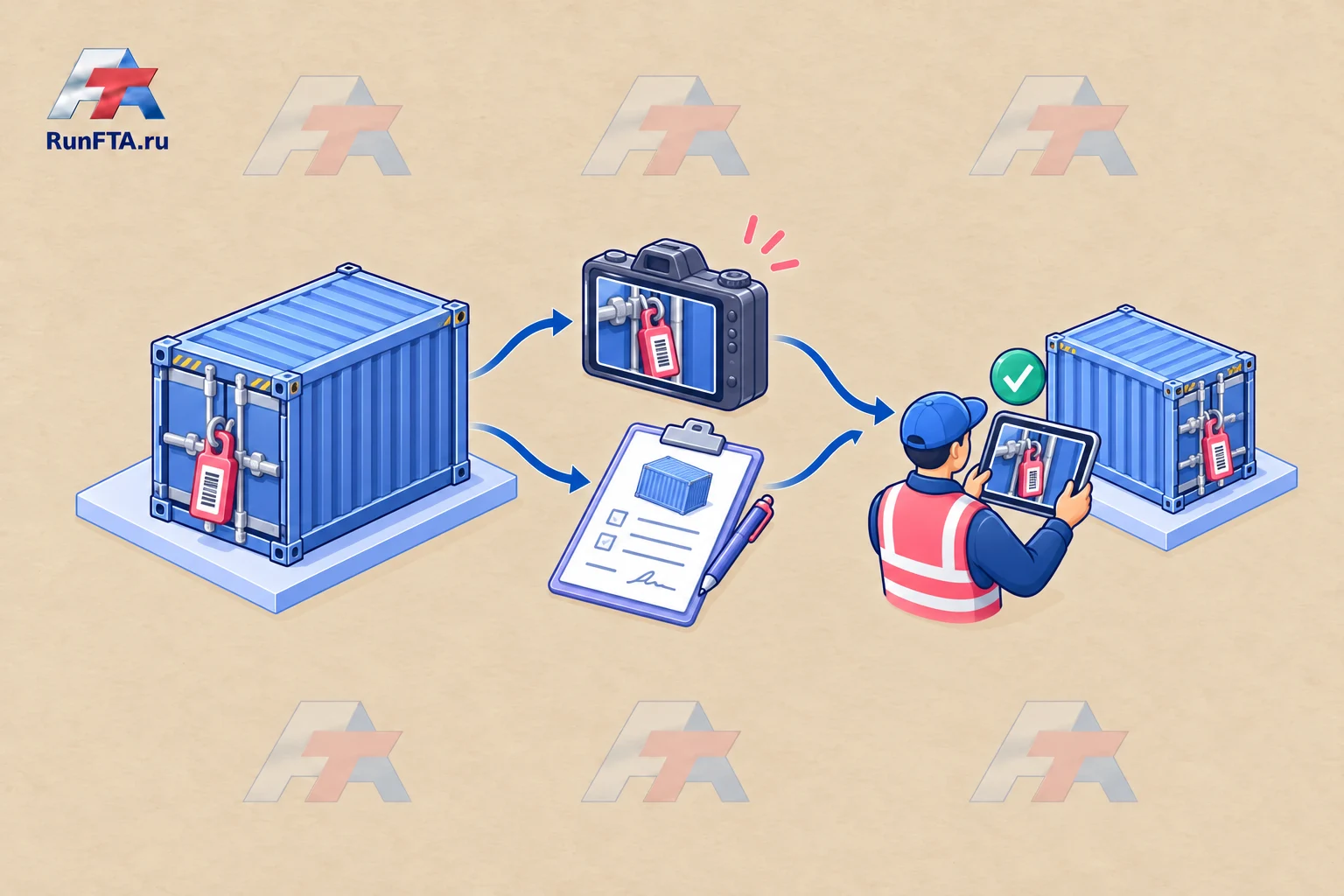
Keep a separate record of transferring the seal number.
A photo of the seal is useful in the overall story, but it does not replace a record of who installed or changed it and on what basis.
Internal management guidance; examples are hypothetical.
Overseas sources do not establish Russian legal requirements.
Check authority, contract terms, restrictions and mandatory procedures for the specific transaction.
Reviewed 26 October 2026.