
A low-cost haulage job doesn’t always mean a convenient partner
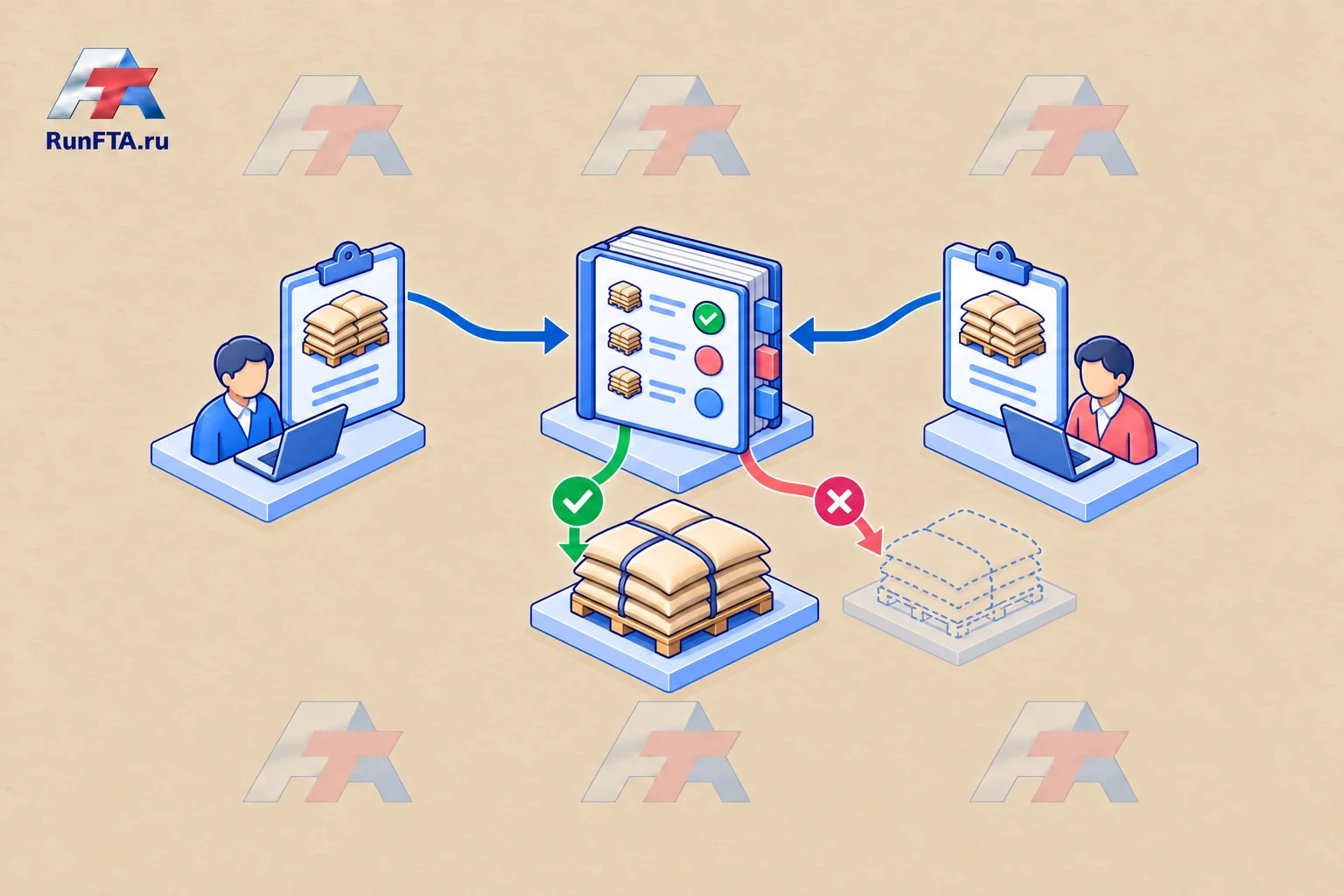
Two carriers offer a similar price, but one regularly changes the vehicle arrival date, while the other reports deviations in a timely manner.
It’s difficult for a manager to compare them if the report only contains the last corrected date.
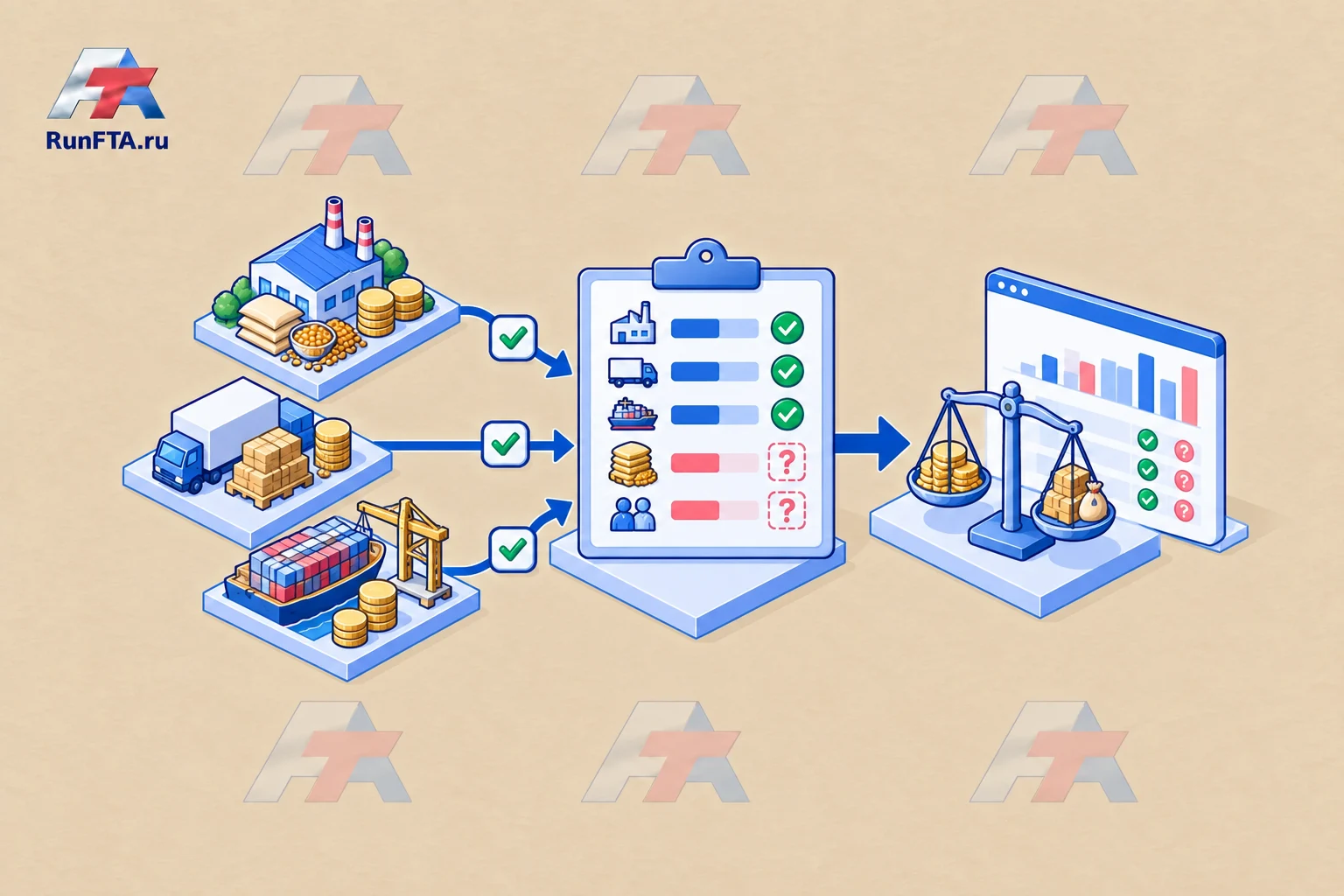
The performance card helps to separate the original promise from the re-agreed plan and the actual event.
It evaluates specific operations on comparable routes; a general assessment without context may hide the reasons for delays.
Discuss a carrier performance scorecard for your business
I can help structure a carrier performance scorecard, gather the required information and evidence, and agree responsibilities and next steps.
We can also discuss similar difficulties and related foreign trade tasks.
We agree the scope and any specialist involvement before work starts.
Agree on the unit of observation
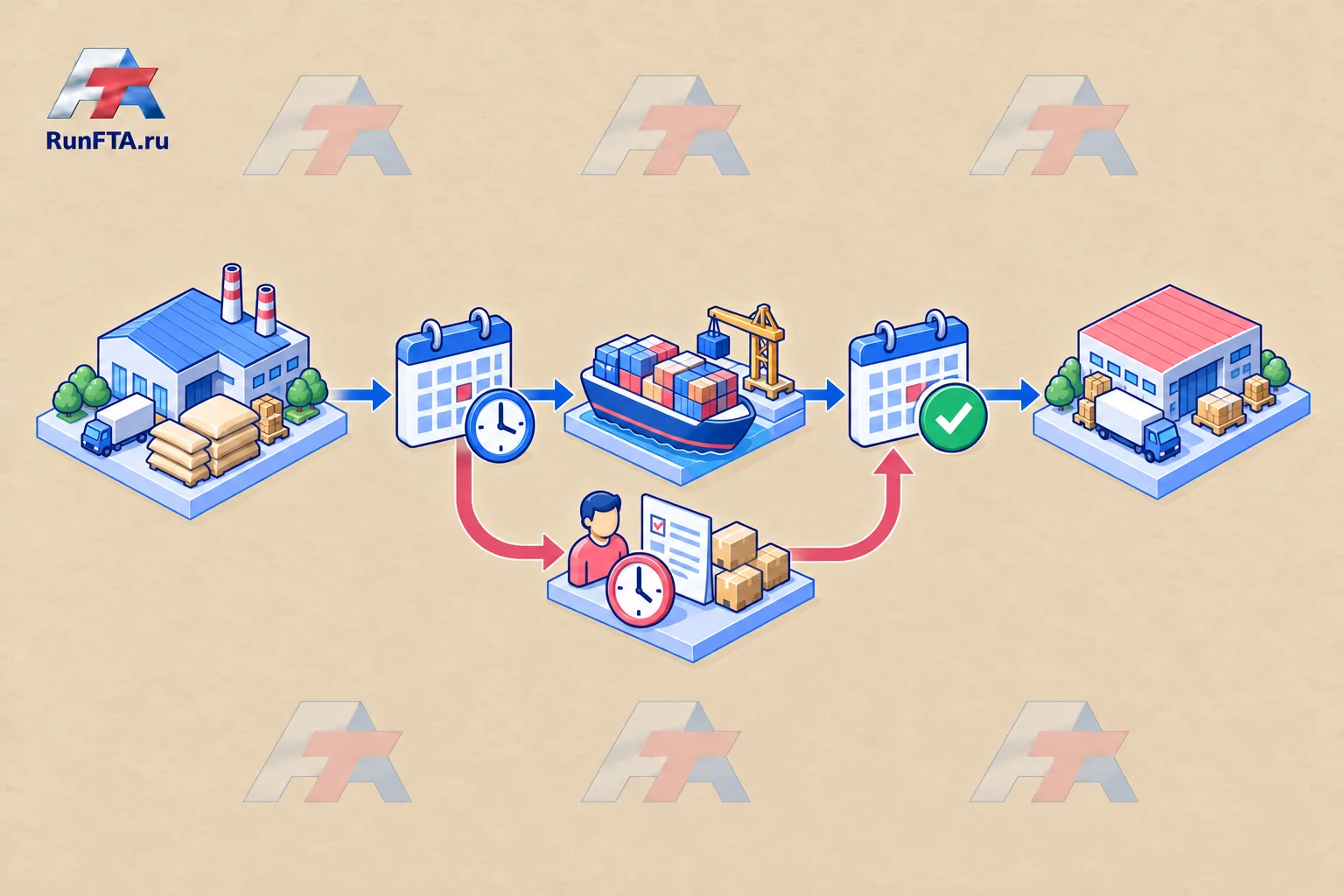
Choose what you’re comparing: vehicle arrival at the warehouse, cargo transfer, or arrival at the agreed point.
Don’t mix these events in a single ‘on-time delivery’ metric.
Specify the time source and the interval accounting rule if the parties have agreed on a window.
Keep the date of the initial confirmation and each subsequent adjustment with a reason.
Separately note changes at the buyer’s request, unreadiness of the goods, and unavailability of the receiving facility.
They shouldn’t automatically turn into a carrier’s violation.
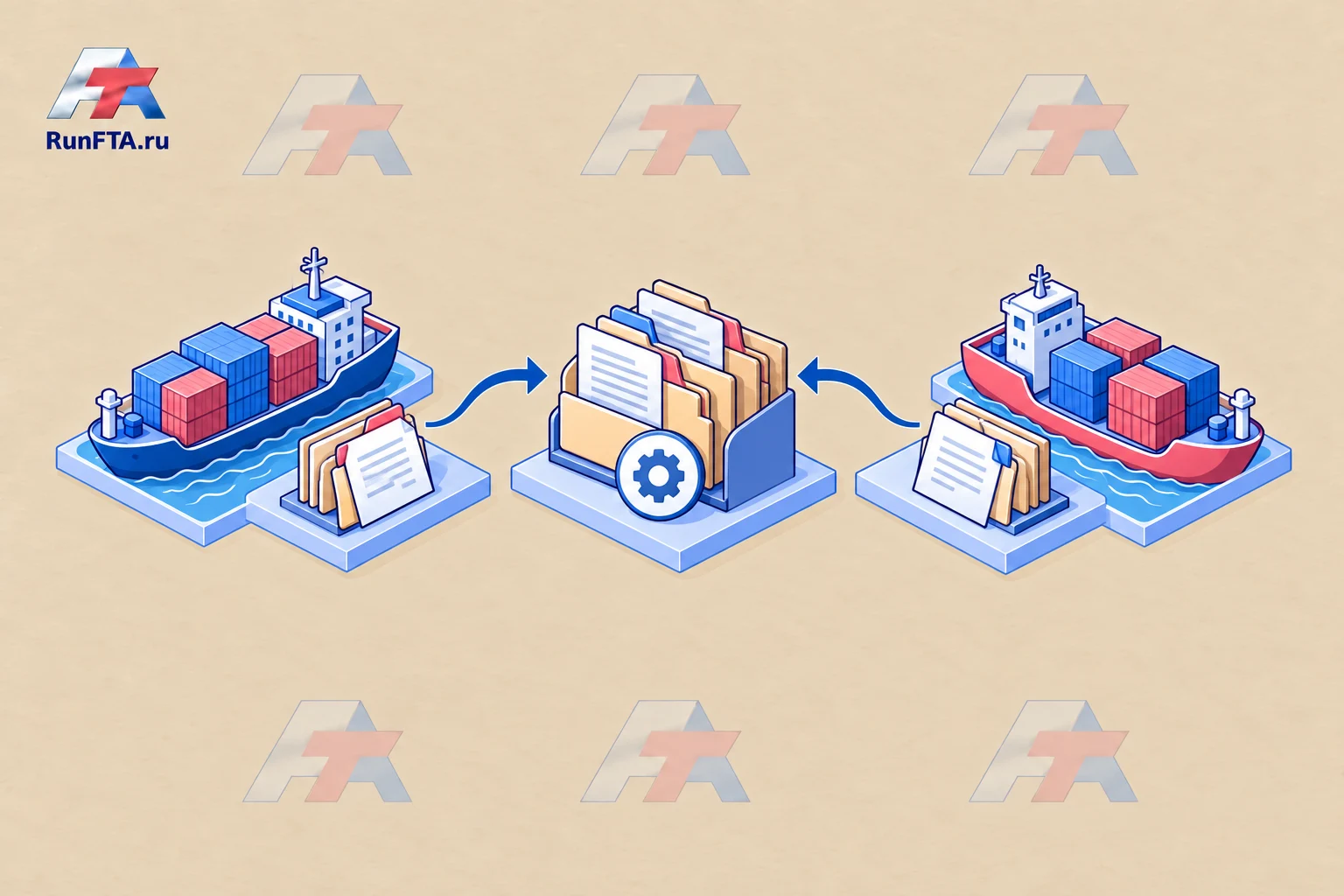
Internal delivery card
| Field | Example content |
|---|---|
| Operation and route | Vehicle arrival at a specific warehouse |
| Original commitment | Confirmed window and source |
| Changes | New assessment, initiator, time of notification |
| Fact | Confirmed event, time source |
| Documents and communication | Completeness of records and timeliness of notification |
Behaviour assessment is separated from legal liability and contractual sanctions.
The internal metric by itself doesn’t create a right to a fine.
Educational calculation with a disclosed denominator
Out of ten comparable operations, eight were completed within the original agreed window: the internal share is 80%.
One of the remaining operations was rescheduled in advance at the buyer’s request.
Show the original result as 8/10 and separately note the re-agreed operation — don’t rewrite the original history for the sake of a nice percentage.
Ten observations are a small educational set, not an industry standard.
Before comparing, check the route, season, equipment type, and source of time stamps.
Lack of event confirmation is a ‘no data’ status, not an automatically on-time or overdue operation.
Use the assessment for the next choice
Discuss specific recurring deviations and the quality of information with the carrier.
The manager decides where a different confirmation process, additional control, or a backup option is needed.
Don’t promise that the card will eliminate all delays.
In case of a significant risk, link the assessment with preparing a backup route.
The goal is to choose conditions and participants based on comparable facts, not to create a rating based on a single emotional message.
Internal management guidance; examples are hypothetical.
Overseas sources do not establish Russian legal requirements.
Check authority, contract terms, restrictions and mandatory procedures for the specific transaction.
Reviewed 26 October 2026.