
Replacing the Manufacturer Changes the Basis of the Package
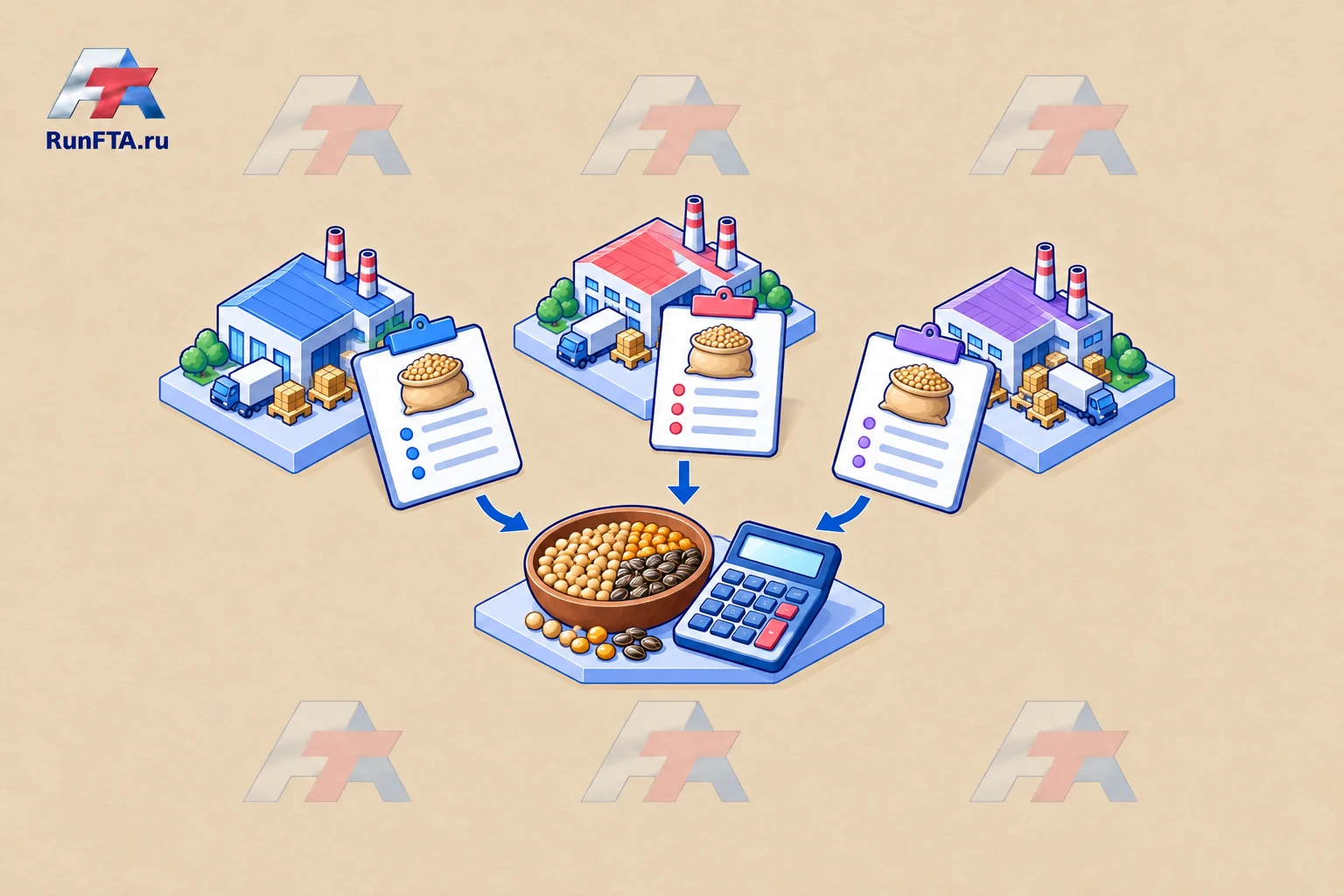
The seller has found goods with similar specifications from another manufacturer.
The price and name match, but the documents, site, sample, and buyer’s confirmations relate to the previous manufacturer.
You cannot simply replace the line in the invoice and consider the preparation complete.
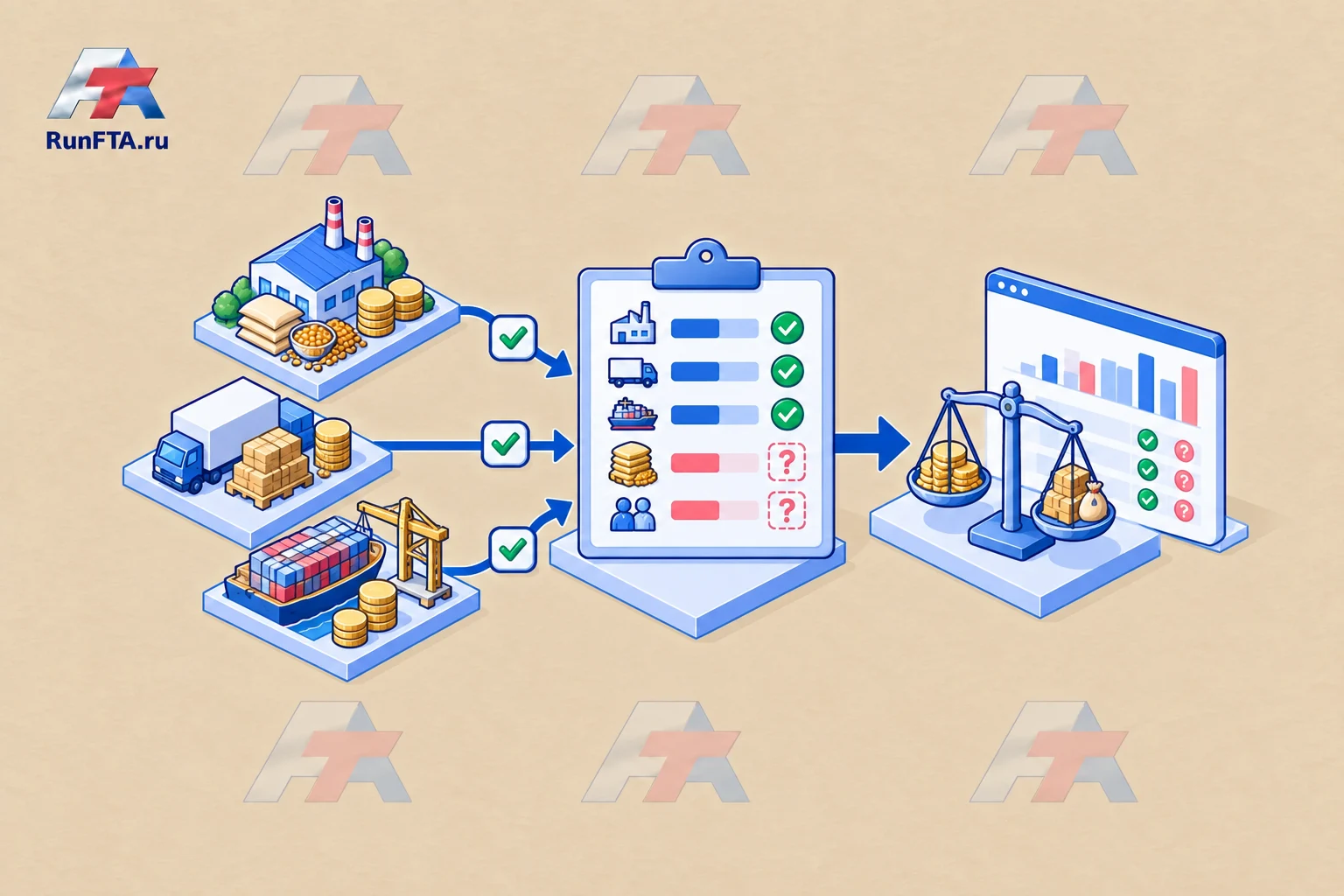
The manager’s task is to determine which confirmations depend on the manufacturer and what needs to be re-checked.
This is an analysis of changing the source of goods, not a general advice on supplier selection.
Let’s discuss replacing the source of goods in your company
I’ll help you analyse the replacement of the source of goods, collect initial data and confirmations, identify the participants, and determine the next steps.
We’ll also discuss similar challenges and related foreign trade tasks in your company.
The scope of support will be agreed upon before work begins.
Compare the Previous and New Configurations
Record the exact legal entity of the manufacturer, site address, product, composition or processing, specification, and packaging.
Distinguish between the manufacturer and the trading intermediary: changing the seller and changing the production site are different events.
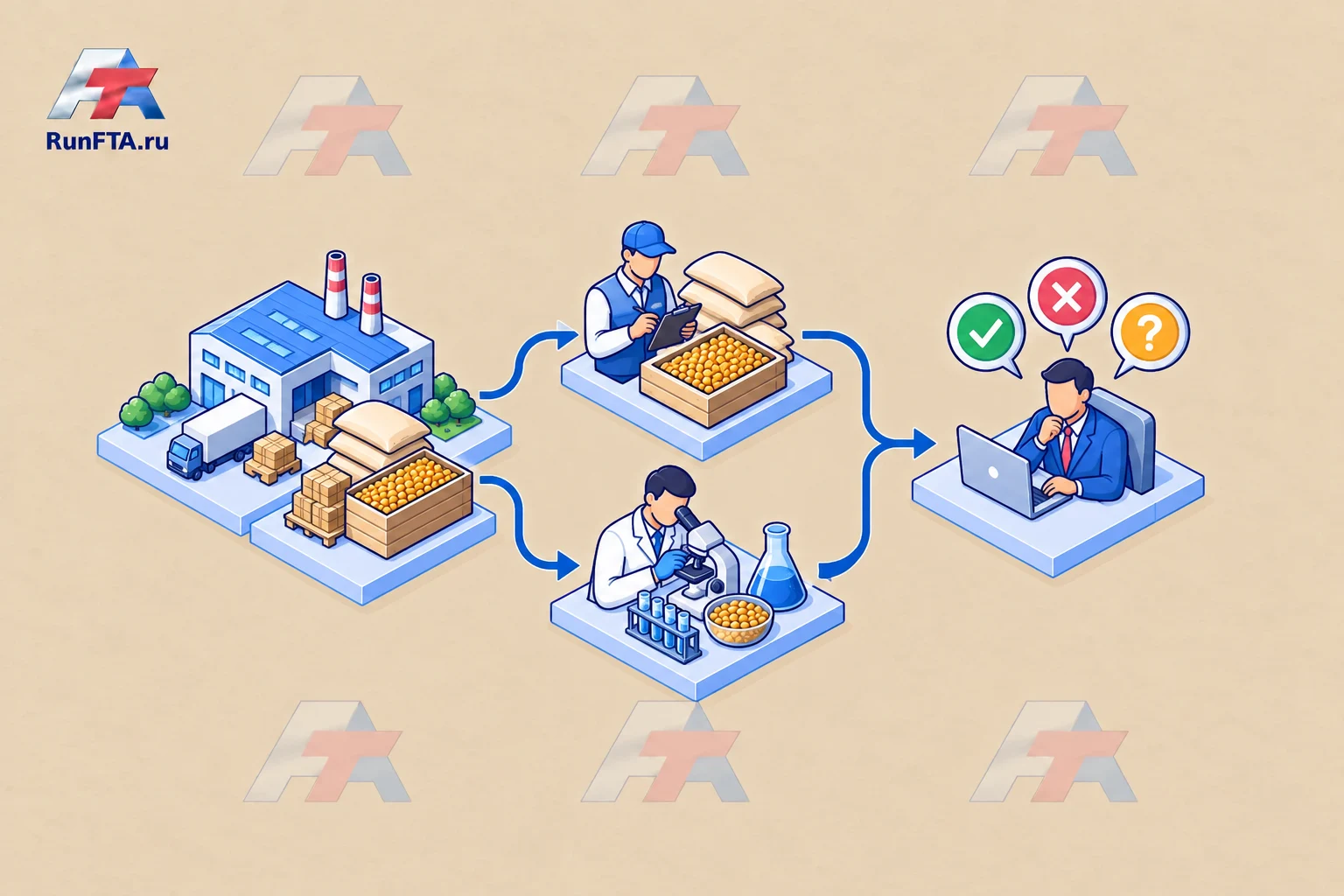
The relevant participant checks the applicable market conditions for the destination for the new combination.
The buyer confirms the need for a sample or testing.
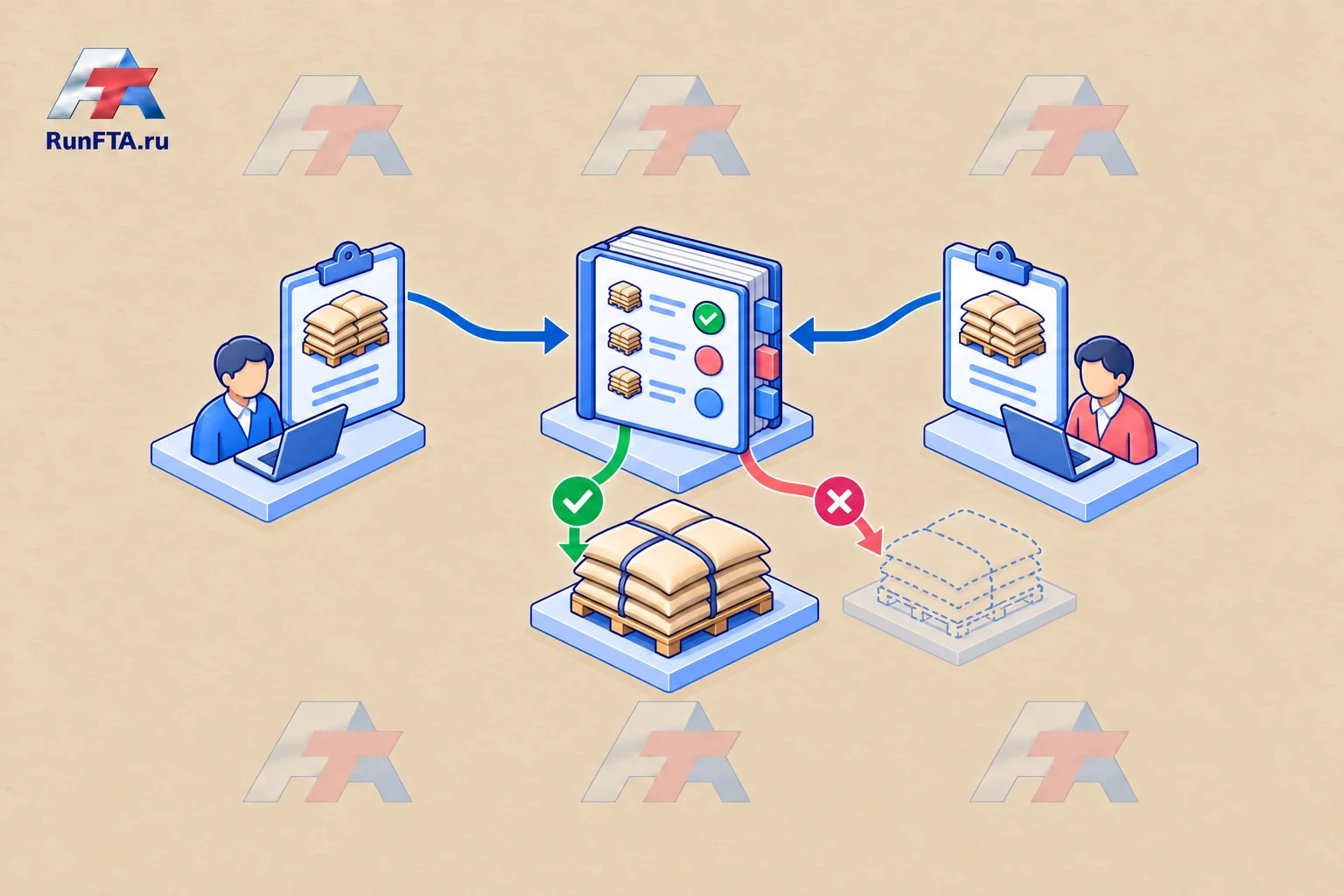
The coordinator links the responses to the document versions.
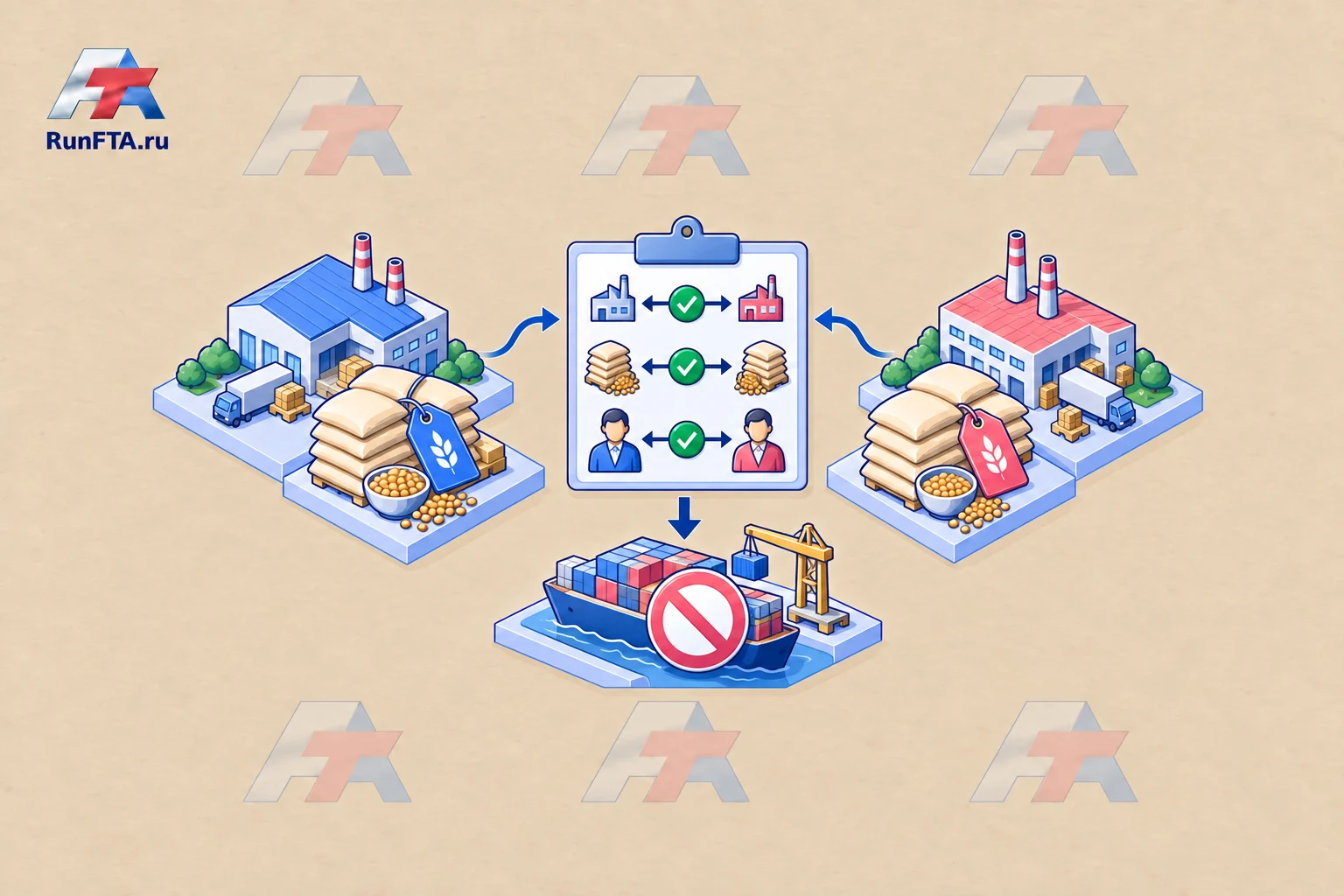
Previous approvals cannot be extended to the new manufacturer without clarifying the scope of their applicability.
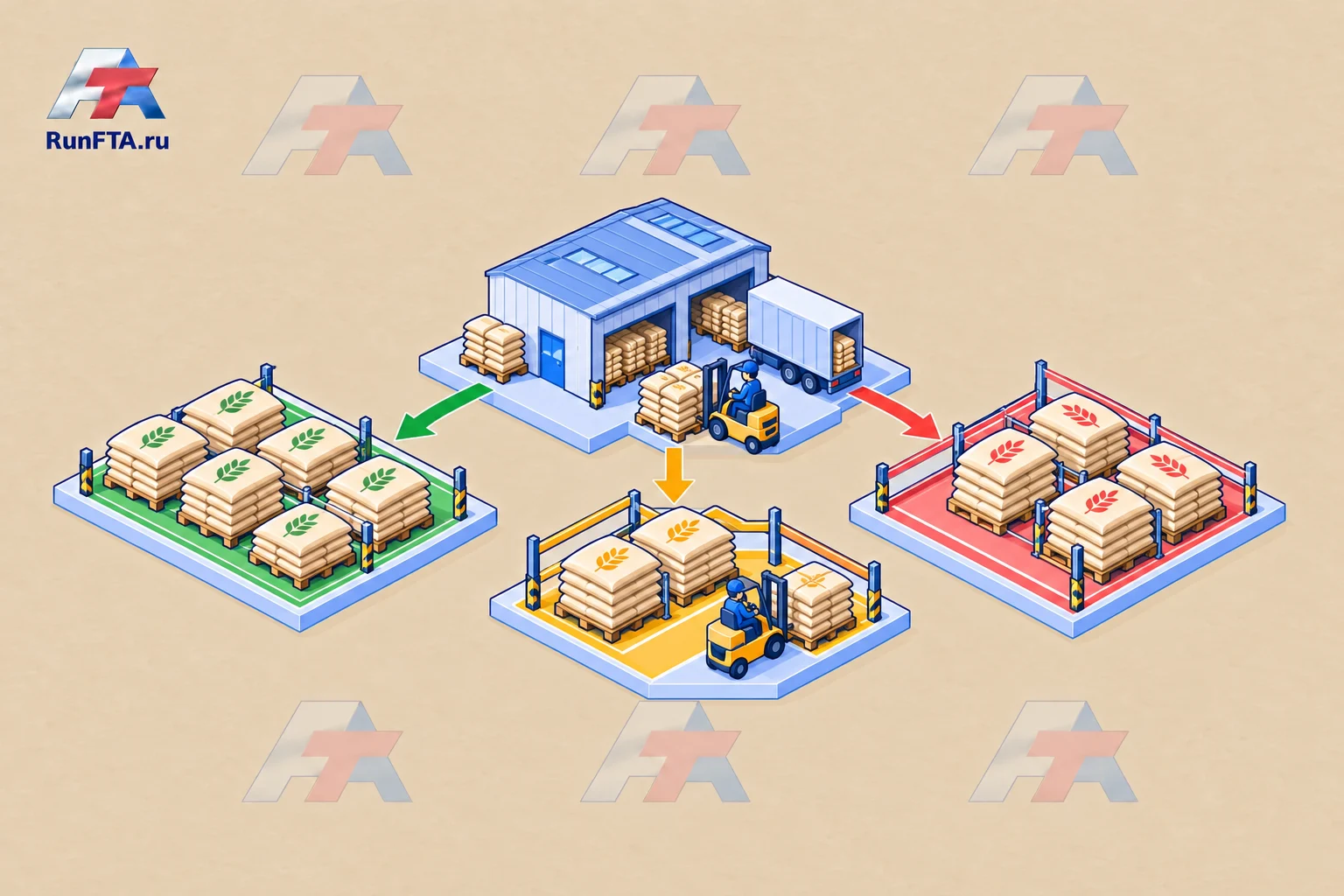
Re-Check Map
The internal table is not a list of all permitting procedures.
| What has changed | What to re-check |
|---|---|
| Manufacturer or address | Applicability of confirmations to the site |
| Composition and processing | Product dossier and buyer’s approval |
| Specifications | Specification and testing |
| Packaging | Acceptance and handling along the route |
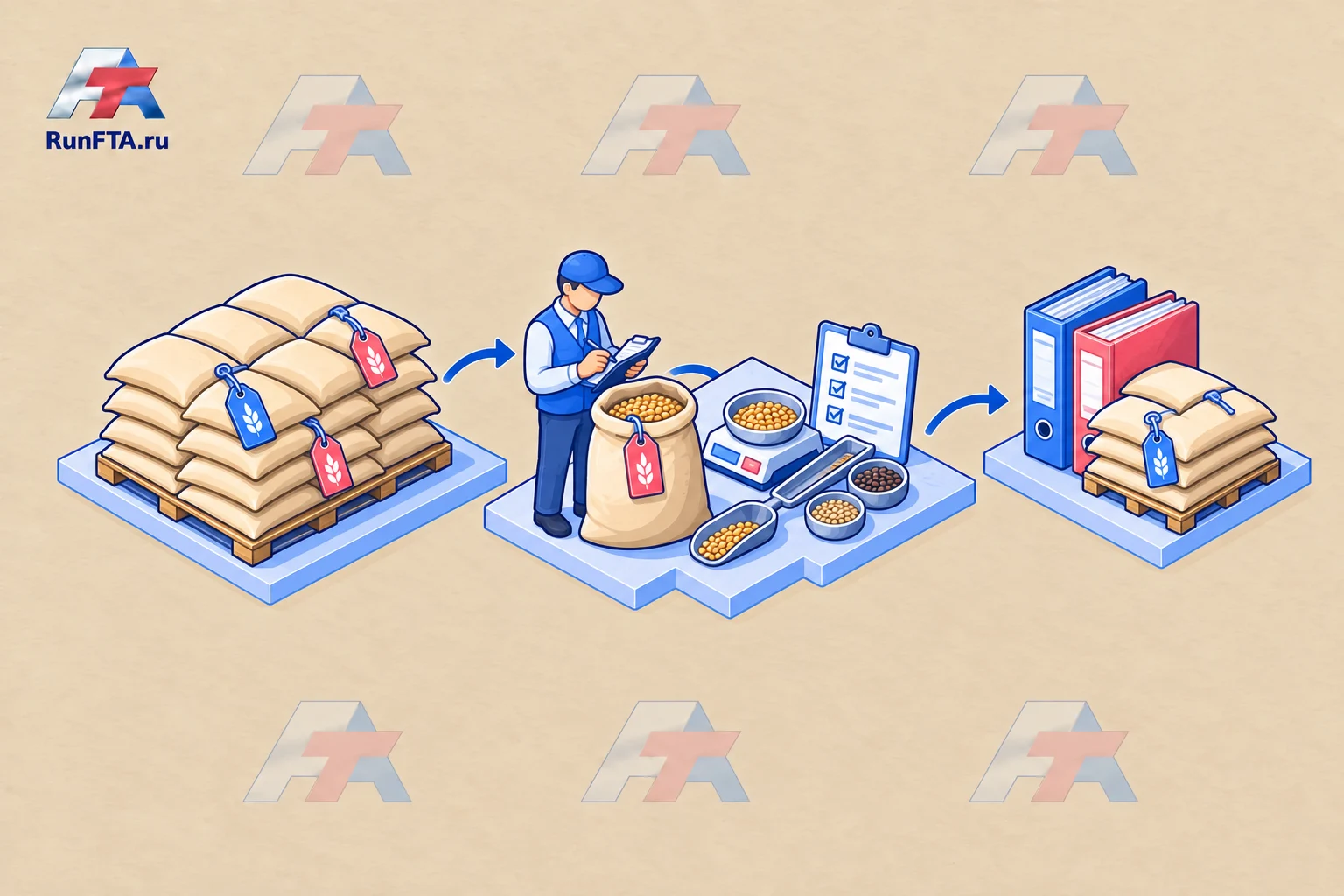
| Batch source | Traceability and primary documents |
Each row requires a response from the competent owner, not a general status like ‘the supplier is reliable’.
Some requirements may not change; this should also be recorded with justification.
Do Not Use Old Evidence as New
Illustrative example: the buyer approved a sample from manufacturer A, but a shipment from manufacturer B is planned.
The coordinator informs about the change and obtains a decision on whether a comparison is sufficient or a new test is required.
You cannot transfer the approval independently.
If the data does not match, keep both versions and an explanation of the replacement.
Do not rename the test report for the previous batch.
If the required confirmation is not yet available, note the incompleteness of the check, not the readiness of the shipment.
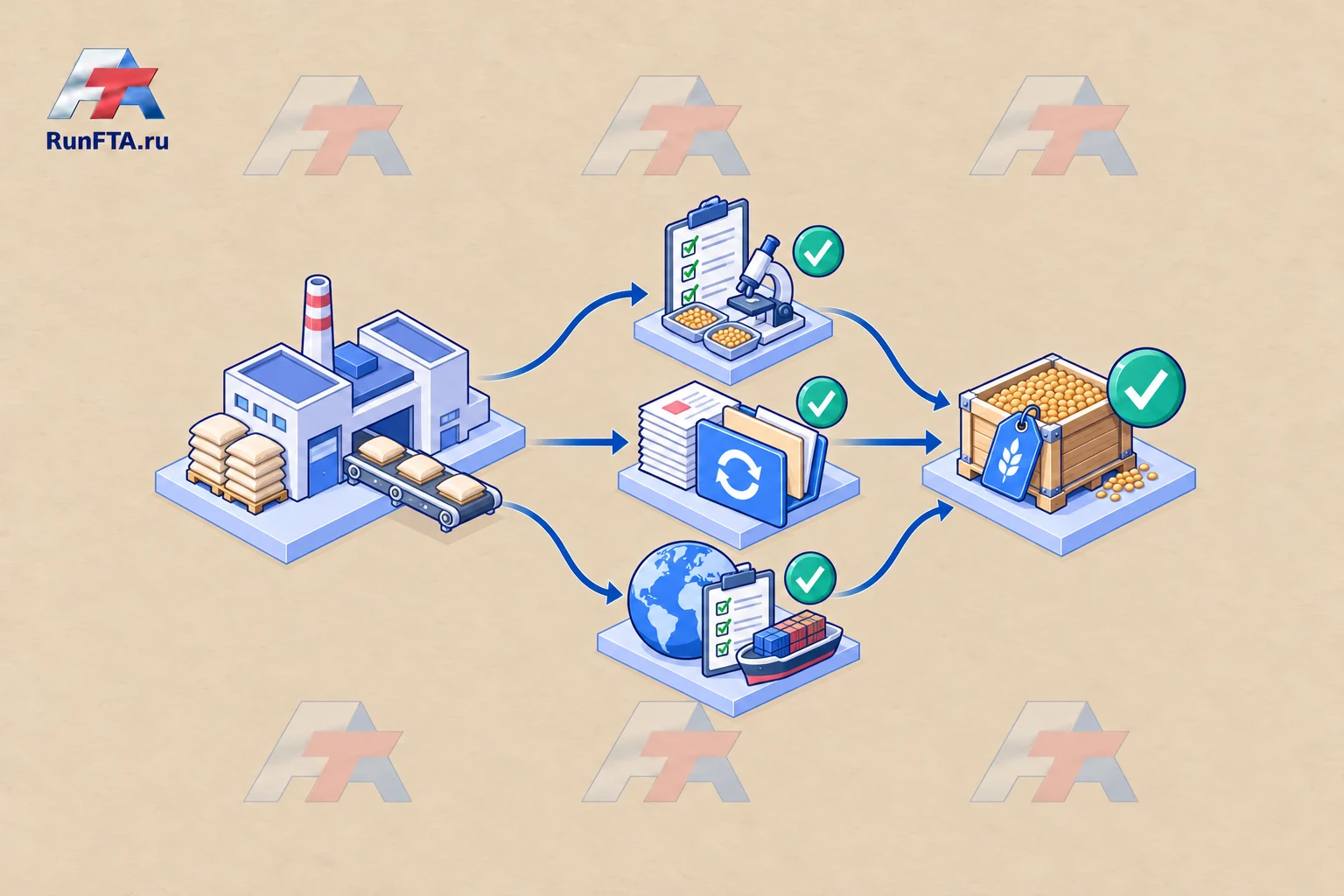
Authorize Replacement After Resolving Affected Issues
The manager sees the list of changes, the results of the re-check, and any remaining restrictions.
If the timeline or price changes, return the commercial terms for separate approval from the technical package.
Update the product dossier and the link between the original batch and the shipment.
The result is a confirmed configuration of the new source, not an attempt to maintain the appearance of unchanged old documents.
A practical management guide.
Examples are illustrative.
Check requirements and contractual terms for the specific product, country and shipment.
Internal forms do not replace official procedures.
Sources checked on 25 October 2026.