
First, Link the Promise to a Specific Batch
The buyer agrees to accept the product if there is a certain shelf life buffer remaining by the acceptance date.
Check this condition for the selected batch and agreed acceptance point, not based on the general storage period from the manufacturer’s presentation.
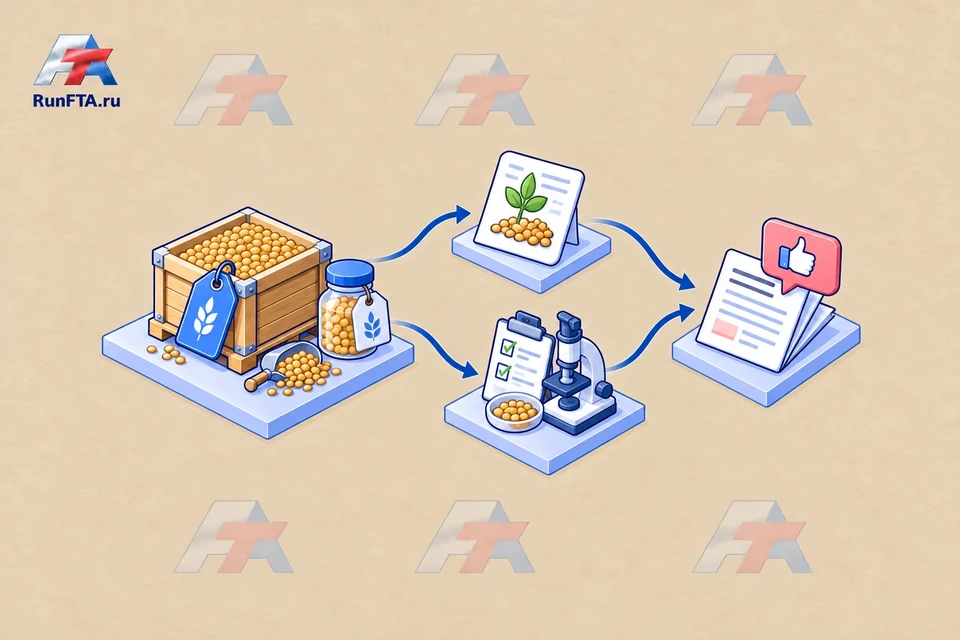
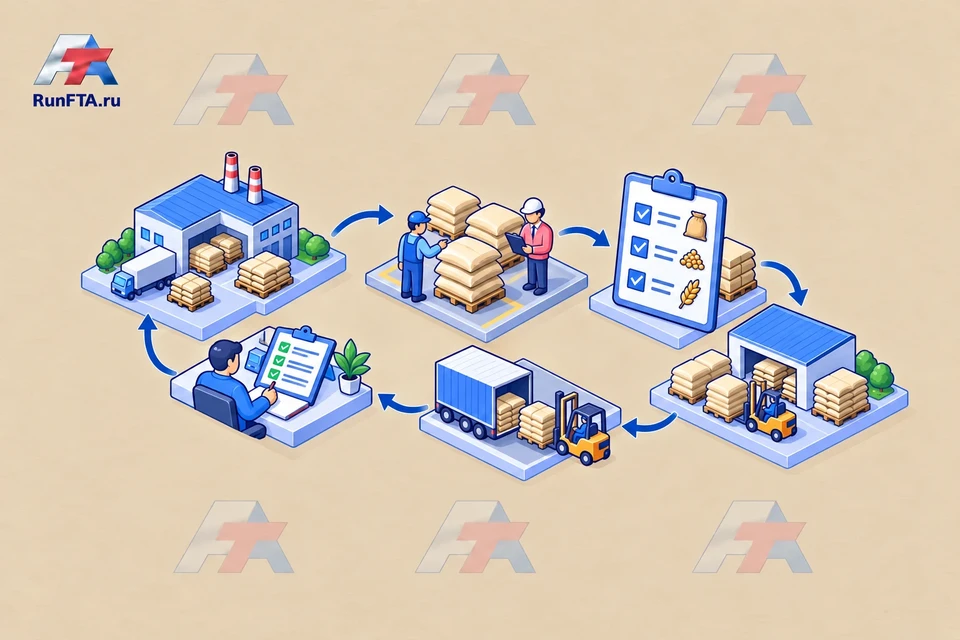
Gather the production date, the manufacturer-designated end-of-shelf-life date, storage conditions, and batch identifier.
Clarify with the buyer which event they consider acceptance: arrival at the port, transfer to a warehouse, or another agreed point.
If the event is not defined, calculating the remaining shelf life will not answer the contractual question.
Do not promise a universal minimum percentage for China or any other market.
Applicable requirements for the product, labelling, and import are checked separately from the buyer’s contractual requirement.
Need to agree on a batch with a limited shelf life?
I’ll help you collect dates and confirmations from participants, prepare options, and organise agreement with the buyer.
We’ll start with the product, country, and acceptance point.
Calculate the Buffer Using a Calendar
Suggested working card: batch; end-of-shelf-life date; expected acceptance date; buyer’s required remaining shelf life; buffer; source of each date; person responsible for updates.
For forecasting, use data on the current route with the confirmation date.
Hypothetical example: the selected batch’s shelf life ends on November 30, and acceptance is expected on October 20.
Counting the calendar days between the dates, there are 41 days remaining.
If the buyer requires 30 days, the buffer relative to this condition is 11 days: 41 − 30.
If acceptance is moved to November 1, the remaining shelf life will be 29 days, which is one day below the hypothetical contractual threshold.
The parties will agree separately on the method of including boundary dates.
This is a calendar assessment, not a confirmation of product safety.
The manufacturer and relevant specialists assess the conditions and the permissibility of using the product.

Check Events That Change the Outcome
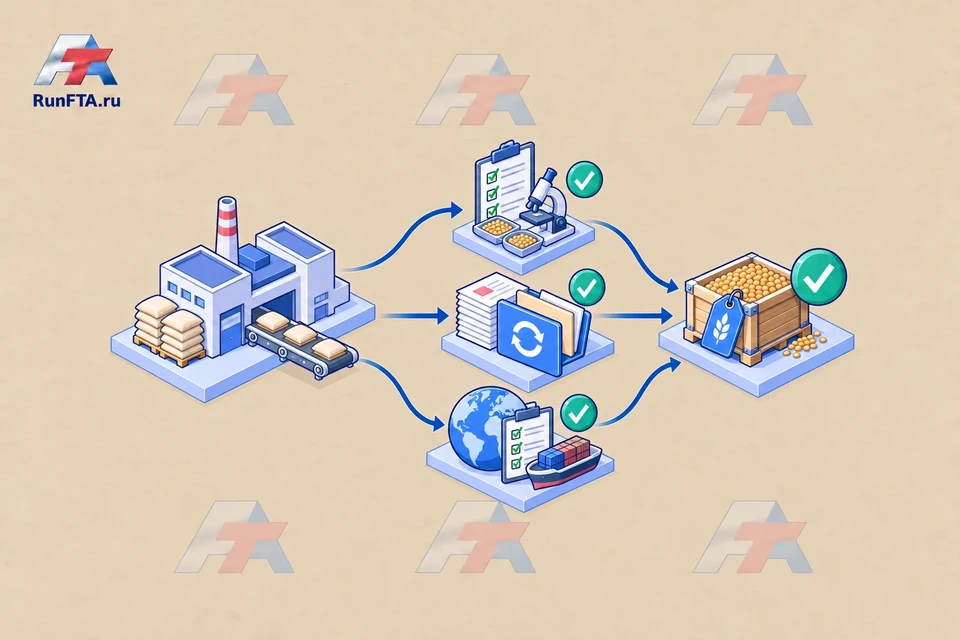
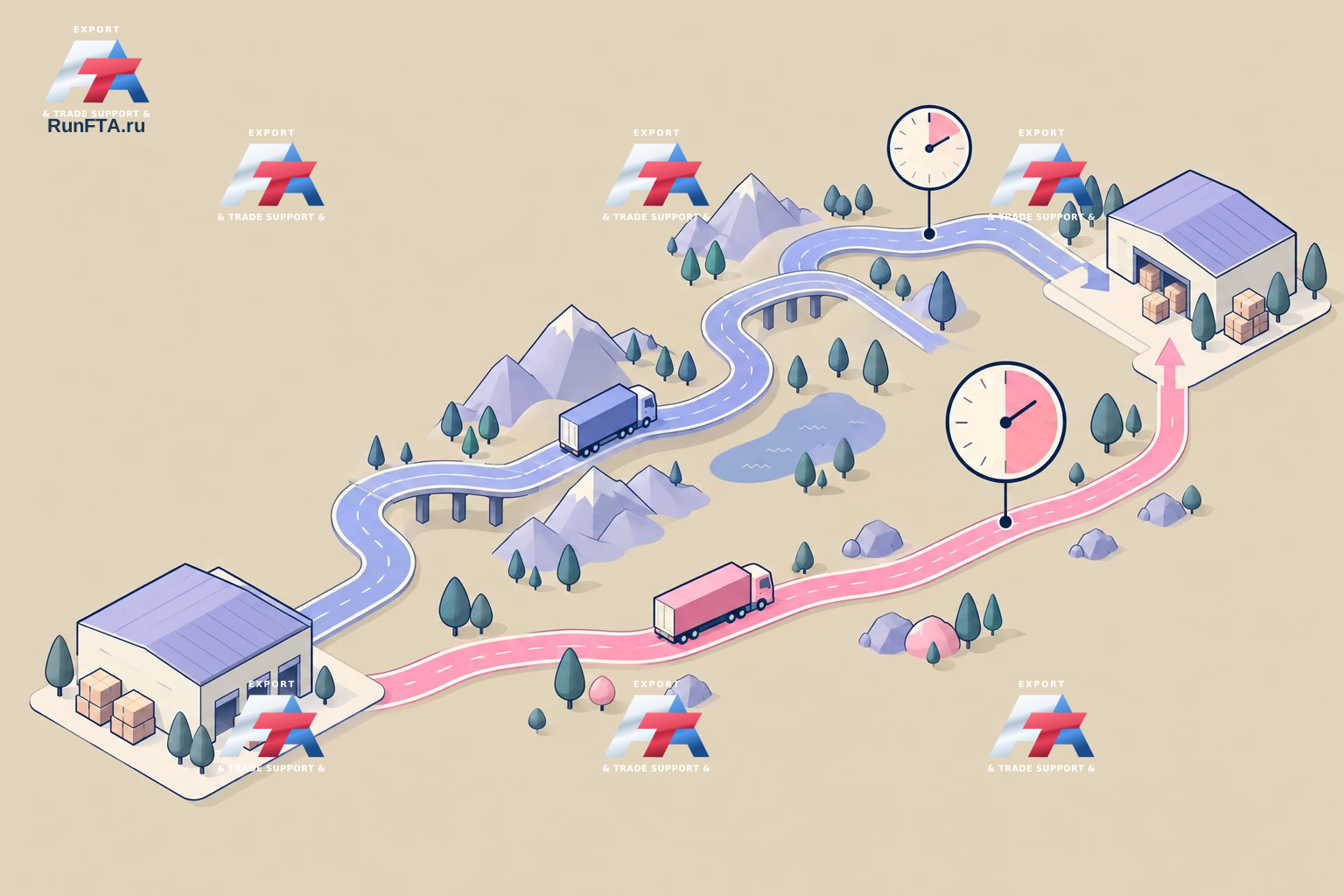
Divide the route into batch preparation, delivery to departure, main transportation, procedures at the destination, and delivery to the acceptance point.
Note which intervals are confirmed and which remain estimates.
Ask participants to report not only the new date but also the reason for the change.
Additional storage days can change the calendar buffer; information about storage condition violations requires a separate assessment, even if the calendar shelf life has not yet expired.
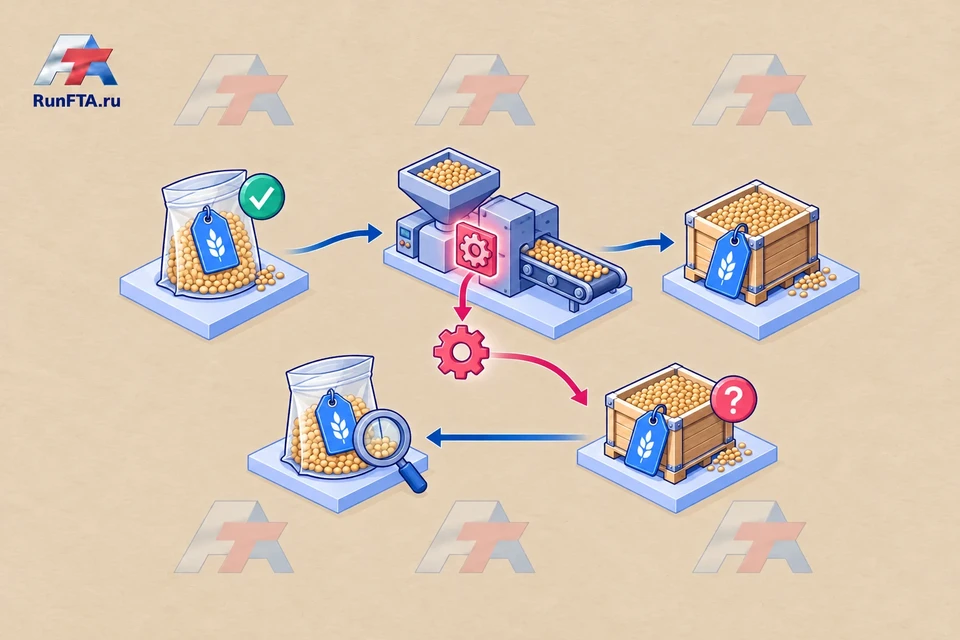
If the batch is replaced, recalculate the card from scratch.
You cannot transfer the result from the old batch to the new one just because the product name remains the same.
Prepare Options for the Buyer
If the buffer is insufficient, request availability of a more recent batch, a different departure schedule, or another route.
For each option, compare confirmed dates, costs, storage conditions, and acceptance feasibility.
Do not replace the buyer’s decision with a silent assumption that they will accept a shorter remaining shelf life.
Record the agreement of authorised persons and check with a lawyer whether contractual documents need to be amended.
A promise to expedite transportation must be based on the carrier’s offer.
Note the absence of confirmation as an unknown factor, not as a guaranteed short timeline.
Who Updates the Card
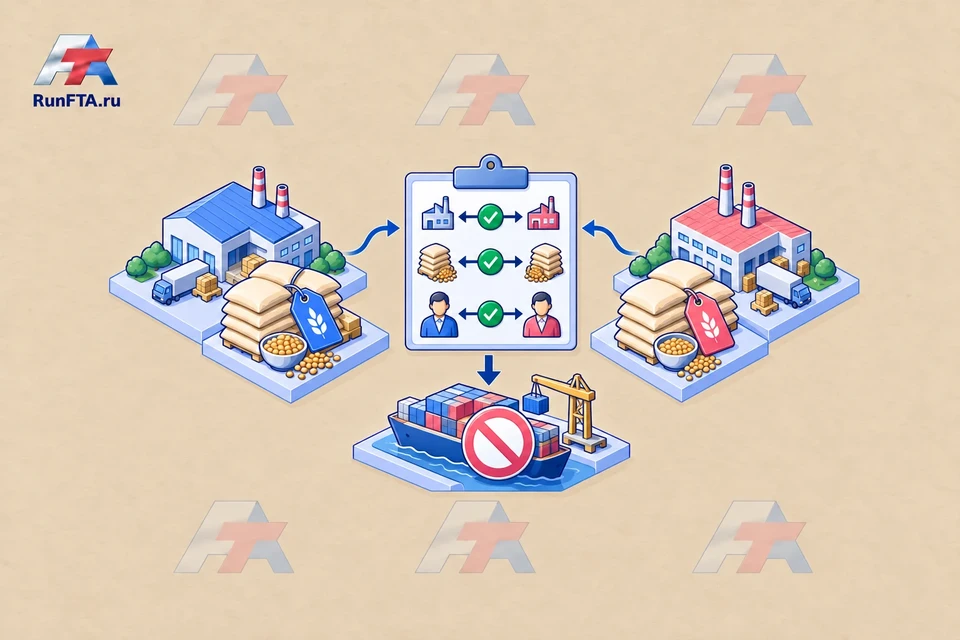
Assign a coordinator who links communications from the manufacturer, carrier, and buyer for a single batch.
The card should retain the previous assessment, new assessment, and the event that requires a decision review.
This process complements checking export order changes: shelf life shows one constraint, while changing the batch or route may affect several deal conditions simultaneously.
Need to coordinate a batch with a limited shelf life?
I’ll help you collect dates and confirmations from participants, prepare options, and organise agreement with the buyer.
We’ll start with the product, country, and acceptance point.
Suggested management workflow.
Examples are hypothetical.
Authority, contractual terms and mandatory procedures must be checked for the specific transaction; overseas guidance does not establish Russian legal requirements.
Reviewed 27 October 2026.