
New packaging does not yet mean the root cause has been eliminated
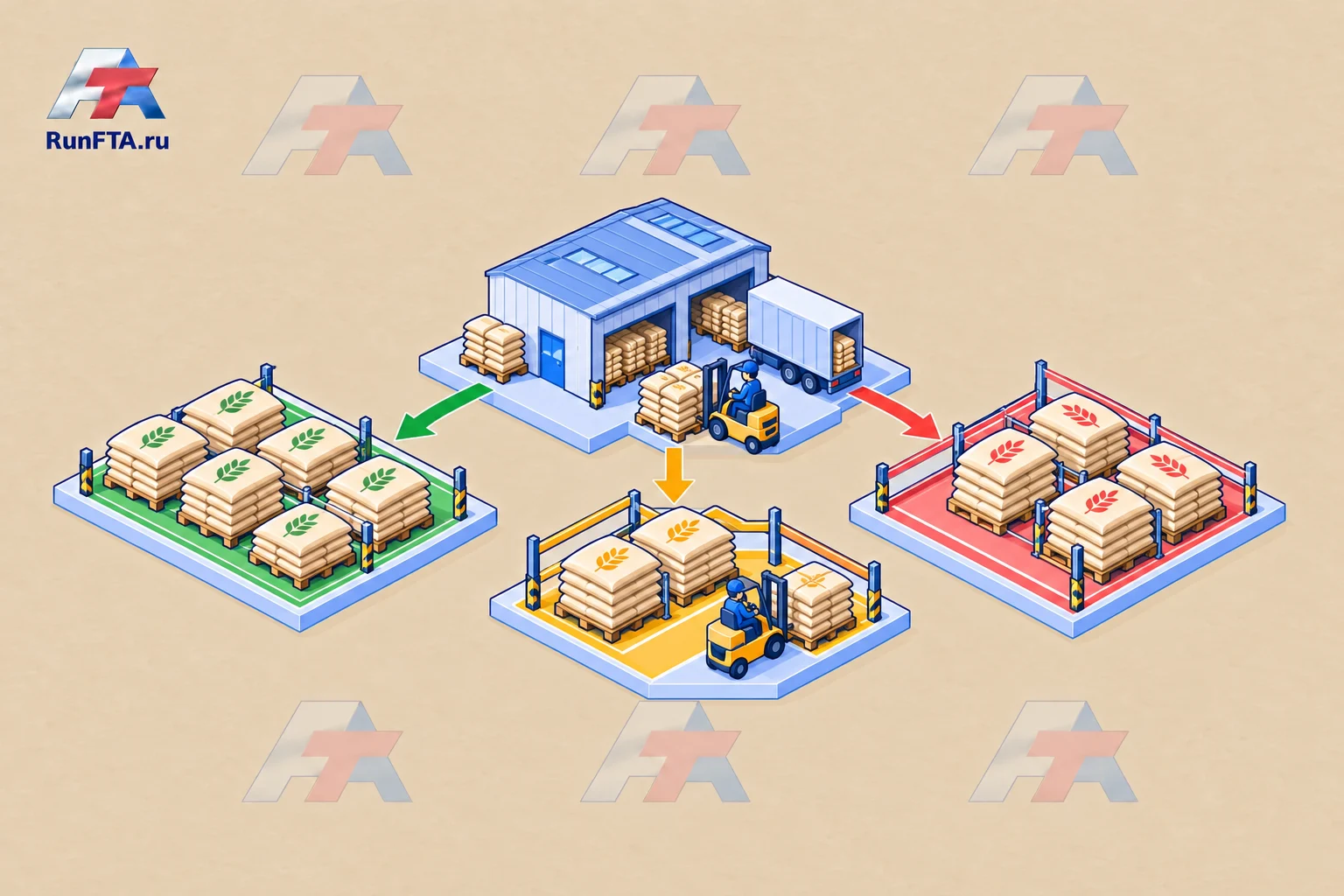
Damaged bags were found in the export batch.
The supplier replaced the packaging and sent photos.
The current issue might have been fixed, but the cause of damage during re-loading could still remain.
For the manager, these are two different questions: what was done about the identified non-conformity, and what was changed to prevent it from recurring.
International quality management terminology distinguishes between correction and corrective action; the article offers an internal follow-up form, not confirmation of a company’s compliance with a standard.
Discuss corrective-action follow-up for your business
I can help structure corrective-action follow-up, gather the required information and evidence, and agree responsibilities and next steps.
We can also discuss similar difficulties and related foreign trade tasks.
We agree the scope and any specialist involvement before work starts.
Start with an accurate description of the event
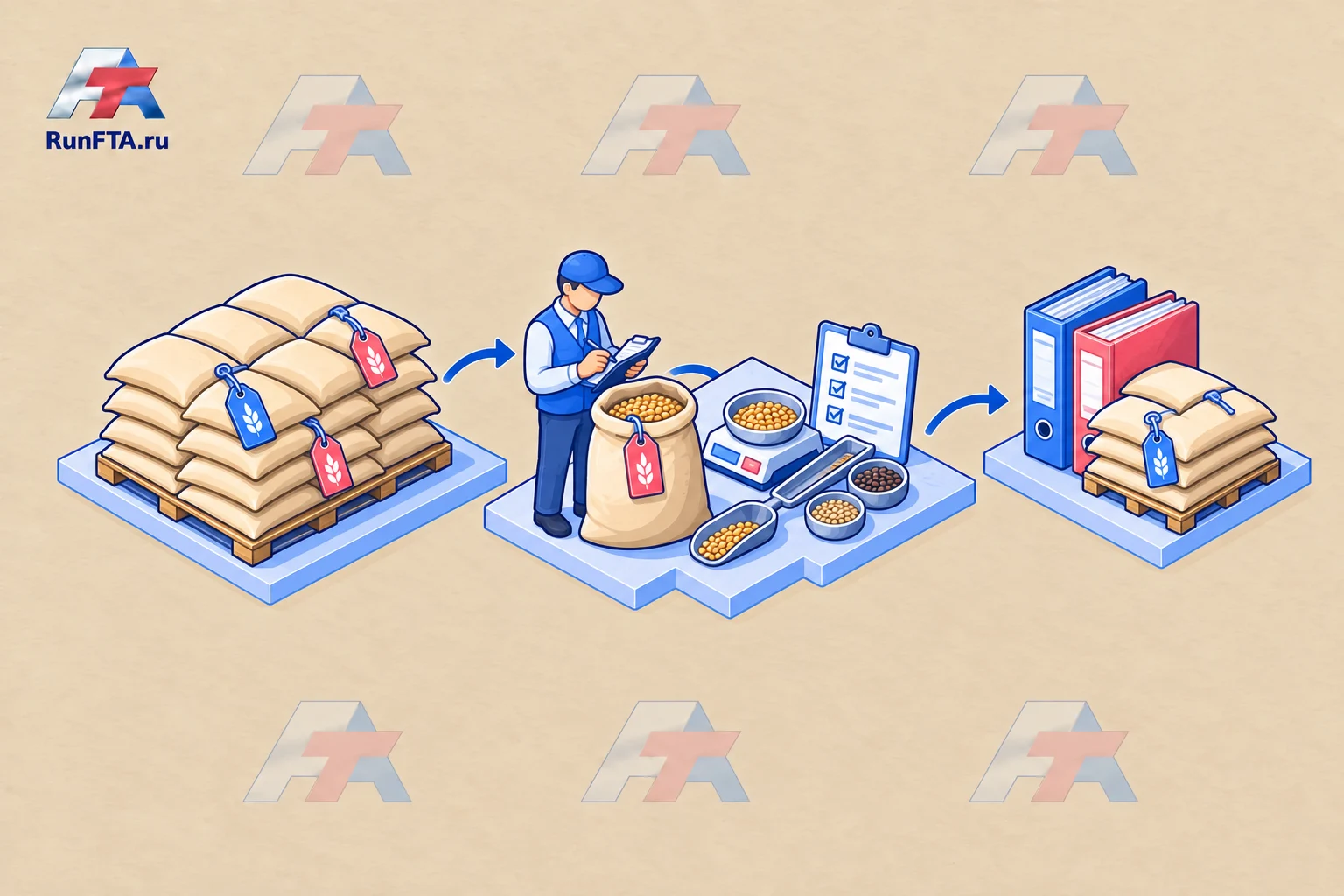
Specify the batch, location, operation, date of discovery, and observed defect.
Attach available photos and records without declaring a final cause based on them.
The wording ‘poor logistics’ is too general: it does not show where and under what circumstances the damage occurred.
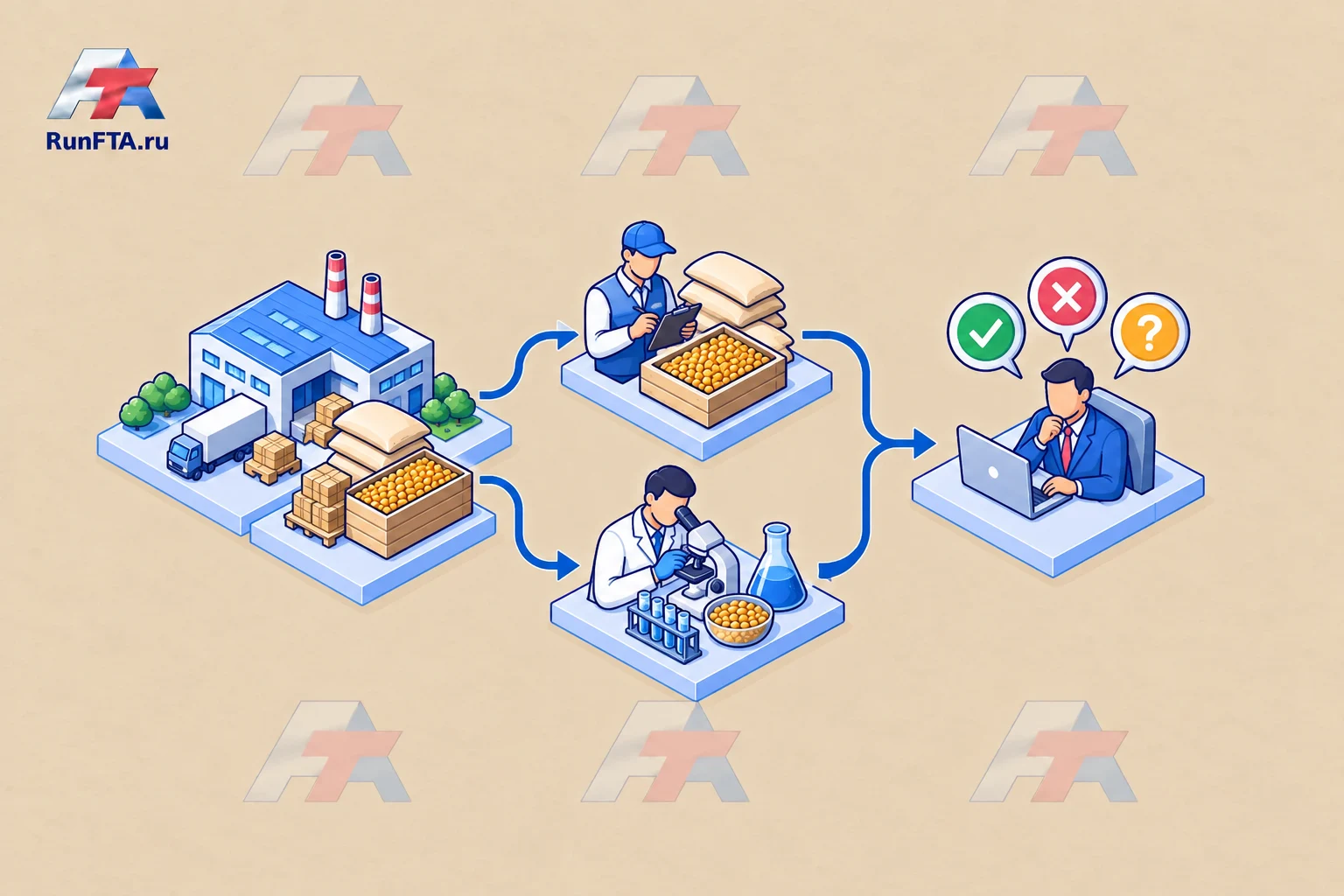
Separate the consequences for the current order from the root cause investigation.
The issue of product condition and suitability is delegated to a competent party; the coordinator does not make such a decision based solely on the bag’s appearance.
Contractual liability allocation is considered separately.
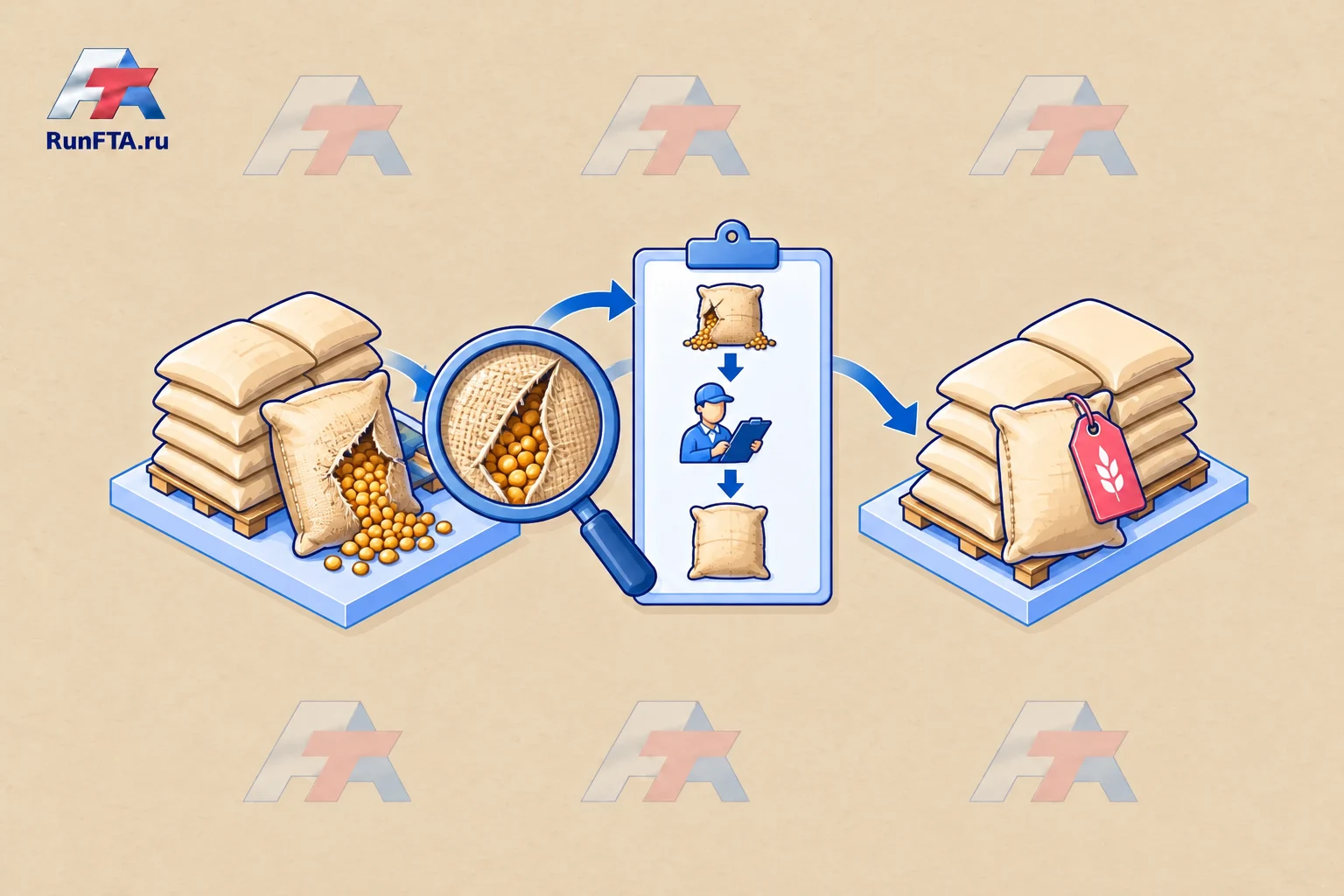
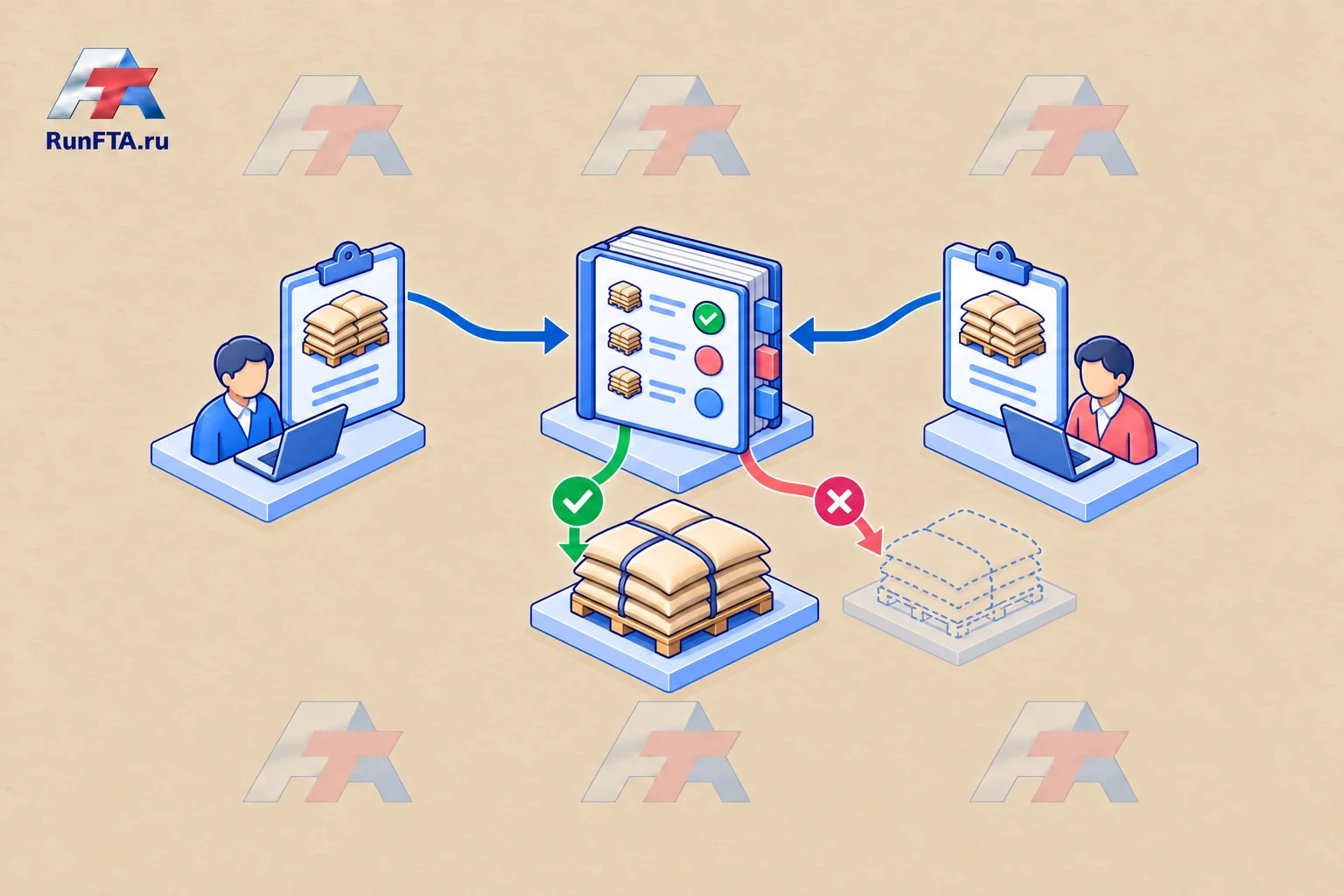
Follow-up action card
| Field | What to record |
|---|---|
| Observation | Specific non-conformity and evidence |
| Current correction | What was replaced or re-done |
| Suspected cause | A version that still needs to be verified |
| Process change | Who is changing which operation |
| Result verification | At which next event the action will be evaluated |
Do not close the card with a promise to ‘strengthen control’.
You need a verifiable change and appropriate evidence of its effect.
Hypothetical example: verification in the next batch
The supplier assumes that the packaging was damaged when moving the pallet.
They change the operation and report training for the operators.
The buyer agrees to monitor the relevant stage of the next order and receive records on the packaging condition.
The absence of a defect in one observation does not prove that the risk has disappeared forever.
The report should specify the volume inspected and the remaining uncertainty.
If the defect recurs, the action is returned to root cause analysis, not formally opened as a new unrelated card.
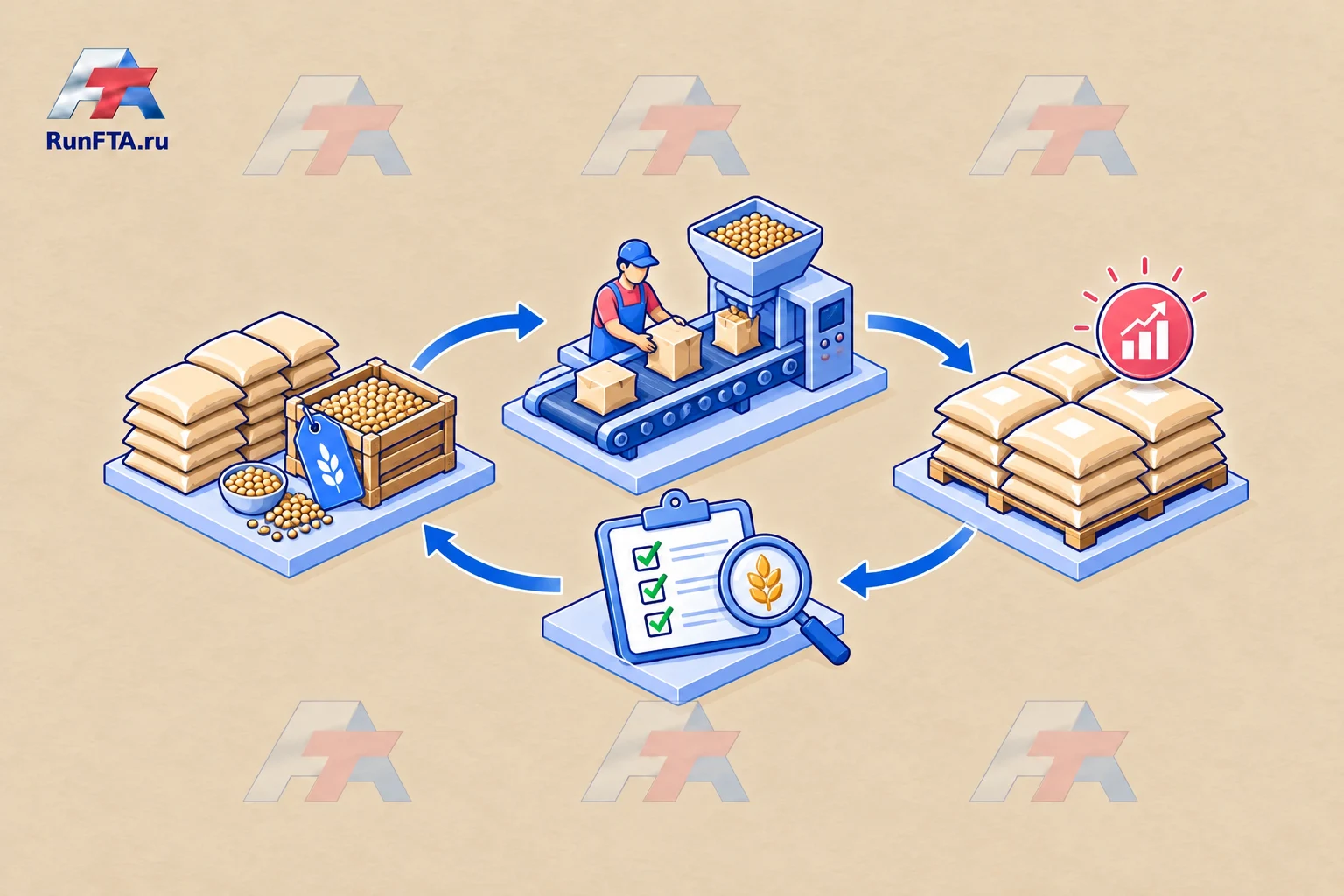
How a manager should accept the outcome
Verify whether the current batch issue is closed, whether the process change is confirmed, and who evaluated the result.
If the identified cause does not explain the observations, keep it as a hypothesis.
The action owner must not unilaterally declare the result proven without an agreed basis.
Link the card to the grain quality claim review when it concerns such a batch.
Other products use their own parameters and competencies.
A useful outcome is a traceable chain from observation to change to verification, not a promise of zero future errors.
Internal management guidance; examples are hypothetical.
Overseas sources do not establish Russian legal requirements.
Check authority, contract terms, restrictions and mandatory procedures for the specific transaction.
Reviewed 26 October 2026.