A temperature trace without a link to a shipment is hard to use
The recipient sees the temperature trace but doesn’t know where the sensor was located, which time zone was used, or when the cargo was transferred.
Such a file doesn’t yet show the history of a specific batch of frozen fish.
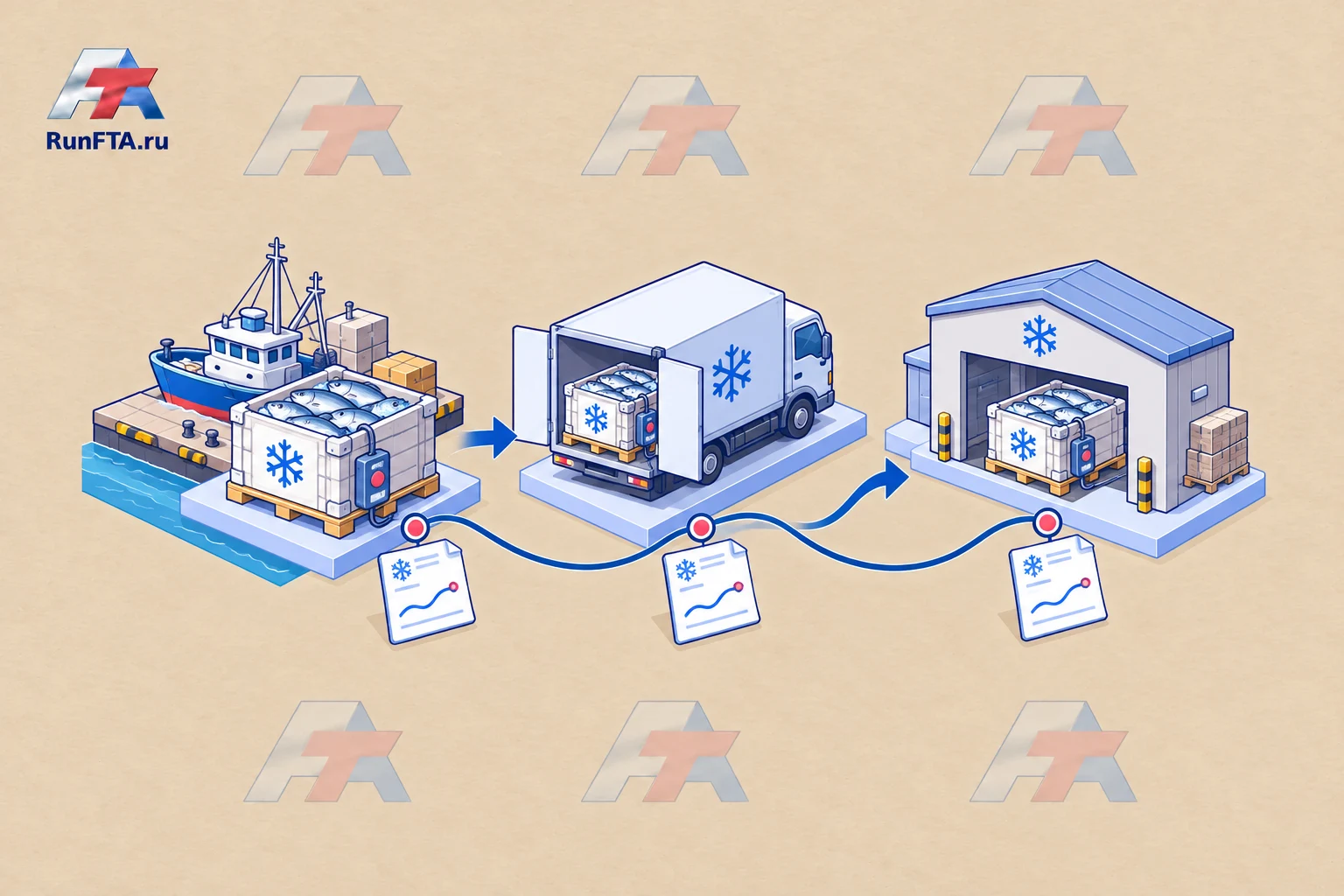
It’s necessary to link the device record with the product, transportation, and transfer events.
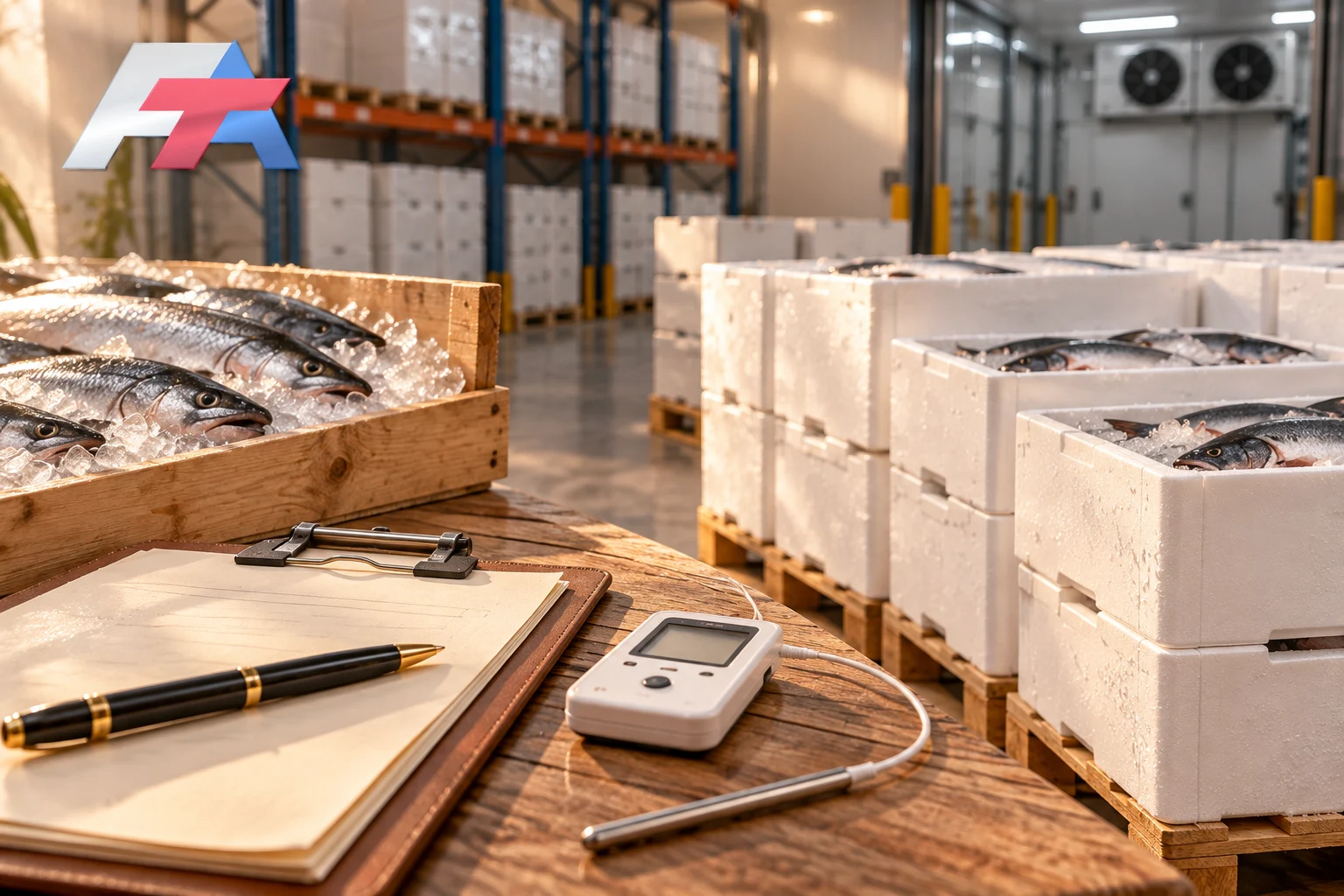
Measuring air and product temperature are different observations.
The FAO treats them separately in technical materials on temperature measurement in the fishing industry; here, the organisation of data is discussed, not the choice of storage mode.
Let’s discuss the transfer of temperature records in your company
I’ll help you analyse the transfer of temperature records, collect initial data and confirmations, identify participants, and determine the next steps.
We’ll also discuss similar challenges and related foreign trade tasks in your company.
The scope of support will be agreed upon before work begins.
Agree on what and who records
A relevant specialist determines the control requirements for the product, packaging, and route.
Before shipment, record the device ID, measurement object, installation location, recording period, and the person responsible for data export.
Don’t assign technical parameters based on the habit from the previous shipment.
At each transfer, record the date, time, time zone, and participant.
Keep the original file, device information, and confirmation of its verification according to the applicable procedure.
A screenshot is convenient for discussion but shouldn’t be the only available record.
Temperature record profile
This is an internal form for information transfer, not a regulatory log.
| Field | Why it’s needed |
|---|---|
| Shipment and transportation | To link the file with the goods |
| Device and its verification | To understand the source of readings |
| What and where was measured | To separate air from the product |
| Time and time zone | To match the transfer and the temperature trace |
| Original file | To preserve data for analysis |
When changing equipment, keep both records and the transition event.
Don’t merge graphs in a way that hides a gap.
Don’t replace data gaps with assumptions
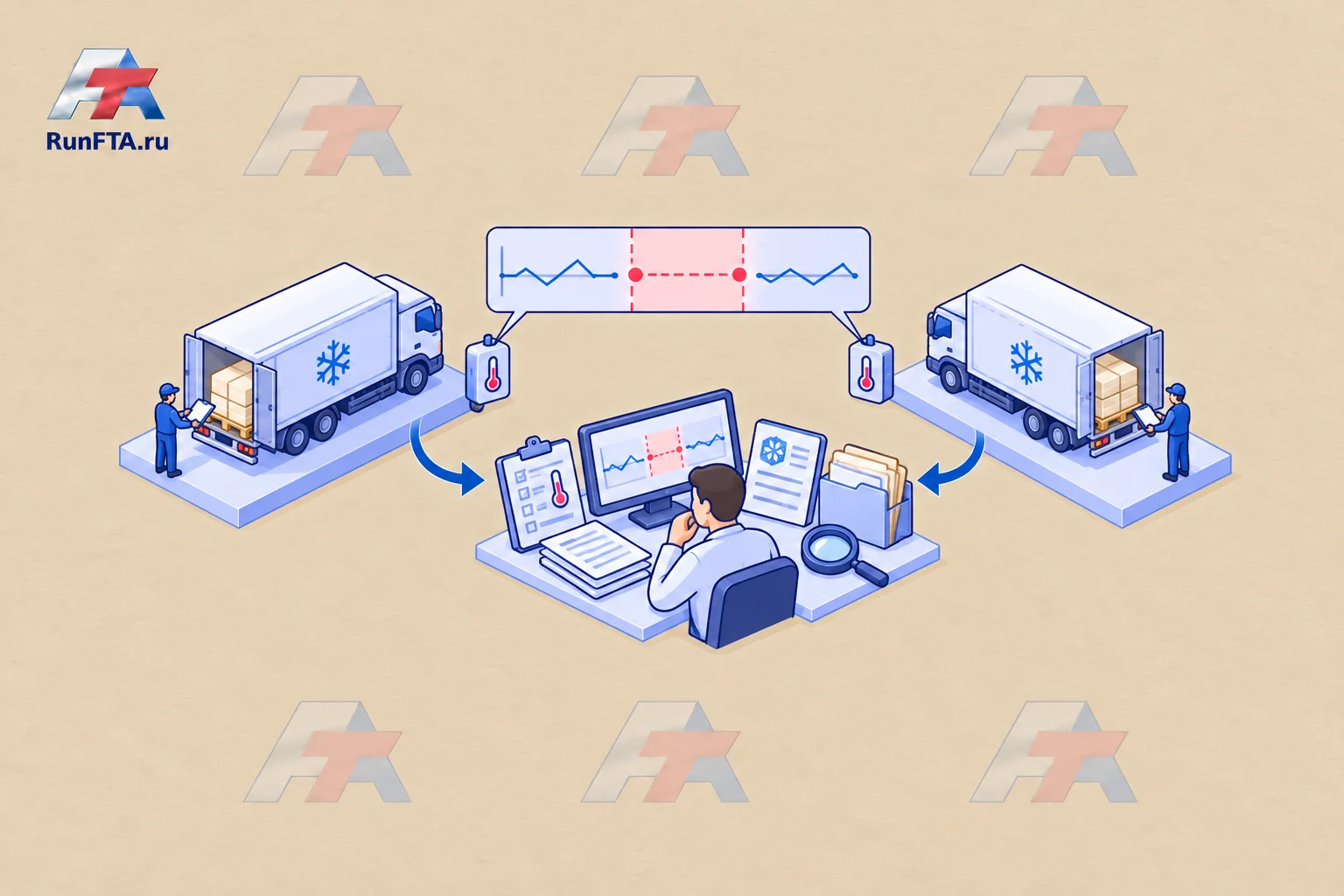
A training scenario: the device stopped recording during reloading.
The coordinator records the unknown interval and requests other available confirmations.
The absence of a record proves neither compliance with the regime nor product spoilage.
The decision on the fish’s suitability and necessary actions is made by a competent party, considering the facts and applicable requirements.
Don’t smooth peaks, don’t draw in gaps, and don’t change the time of the original file for the sake of a convenient explanation.
Verify the transfer before the first shipment
Conduct a training file exchange: the recipient should open the record, understand its connection to the shipment, and match it with events.
Assign a backup method to obtain data if the main employee is unavailable.
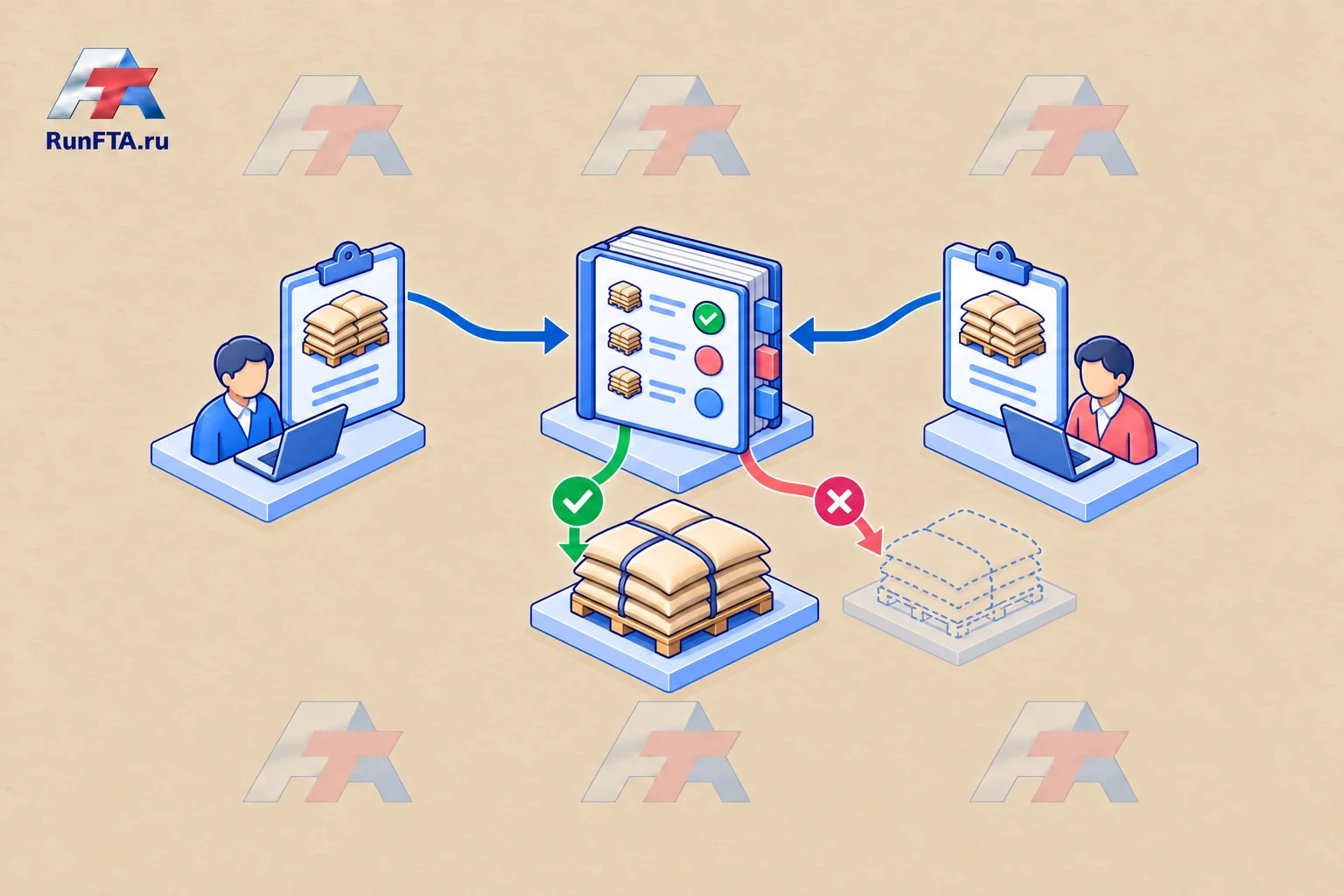
Link documents and events in the export shipment document register.
A good transfer is when the next party sees not only the graph image but also the basis for its interpretation.
Threshold values and the control program remain the task of relevant specialists.
A practical management guide.
Examples are illustrative.
Check requirements and contractual terms for the specific product, country and shipment.
Internal forms do not replace official procedures.
Sources checked on 25 October 2026.