The sample must remain identifiable
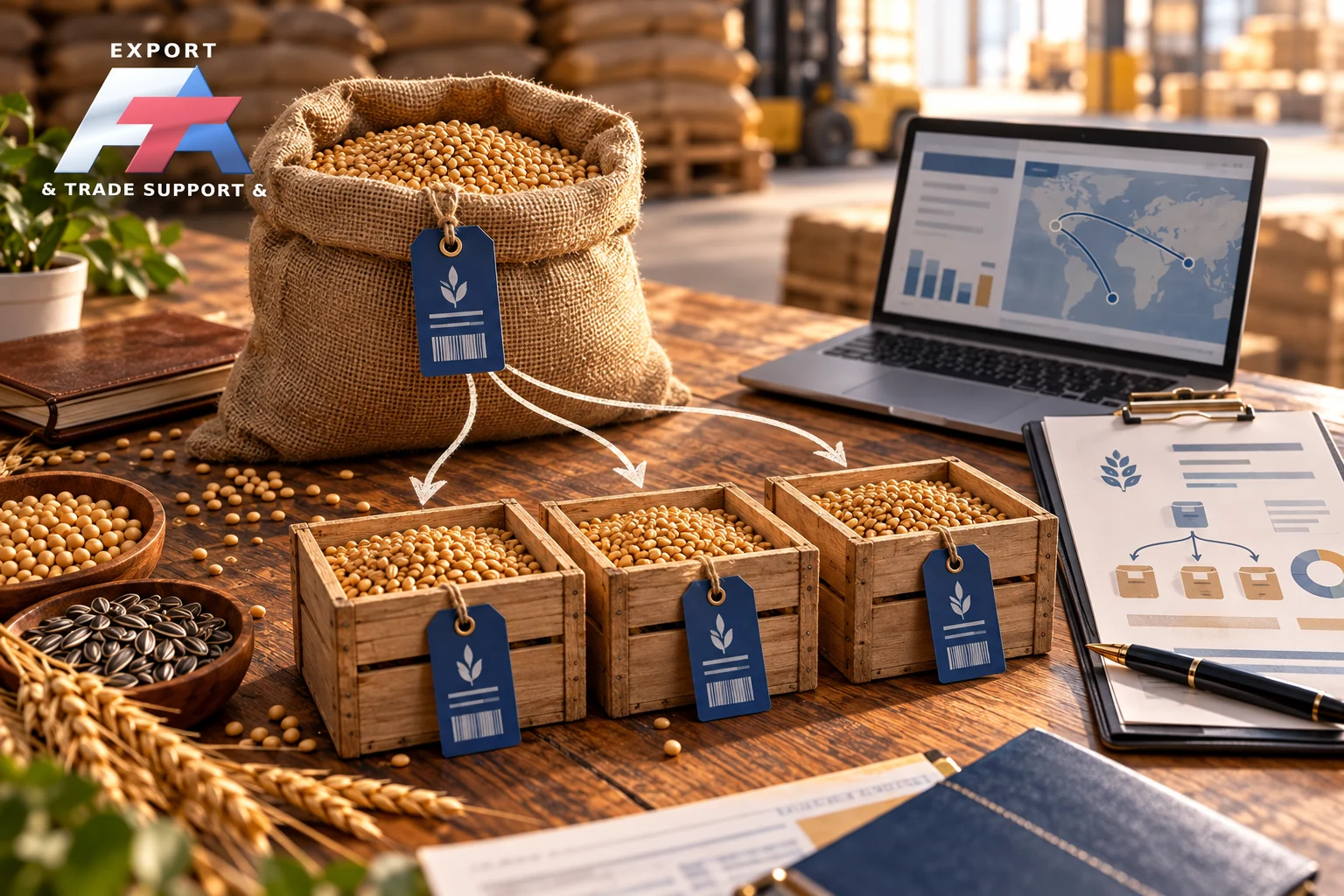
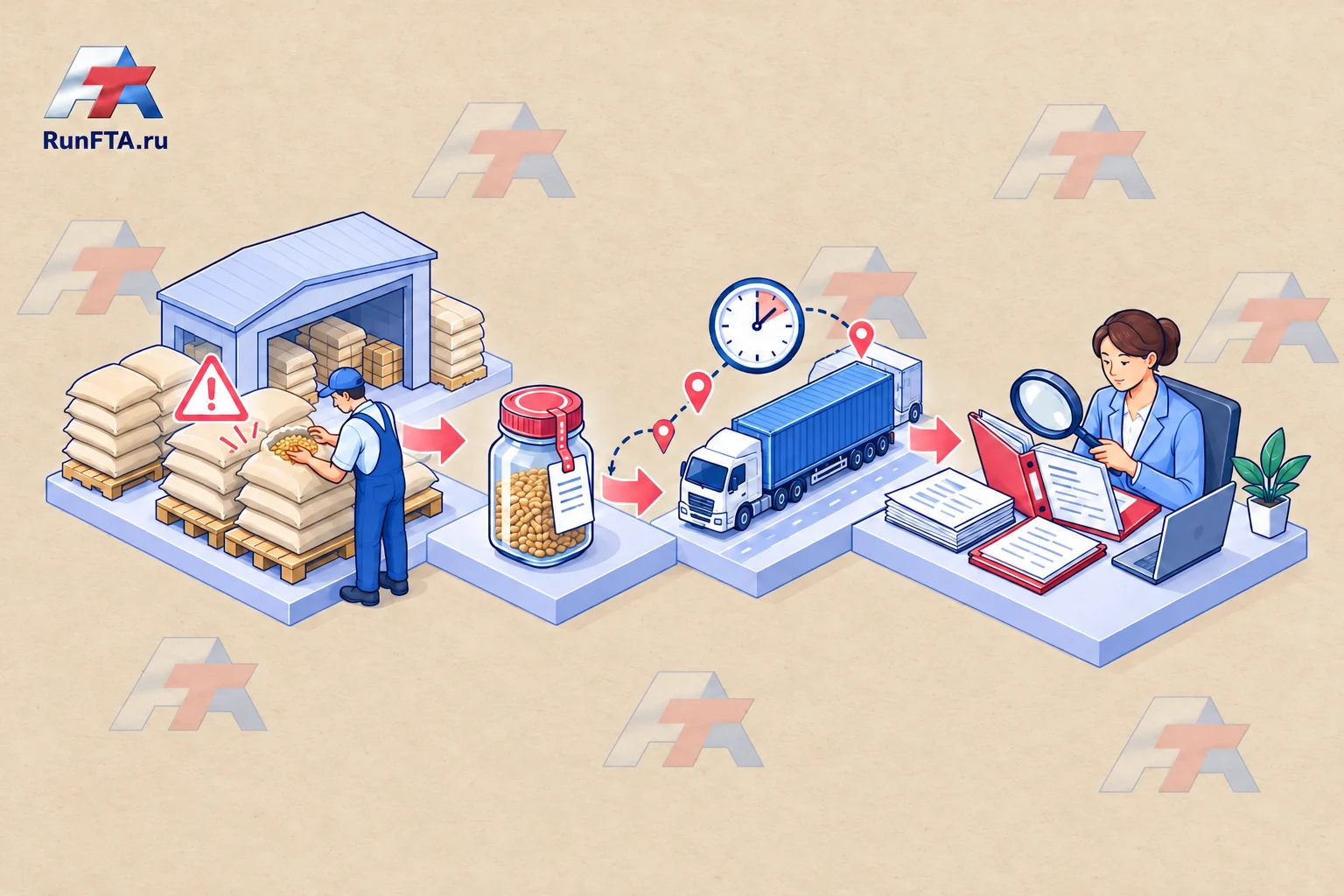
A can of grain on a shelf is useful only when its origin, storage conditions, and transfer history can be established.
The label ‘wheat, China’ does not link the sample to a specific export batch and does not explain who opened it.
The manager needs a retained sample log and someone responsible for it.
The sampling itself, suitable packaging, volume, storage conditions, and duration are determined with the laboratory or another competent specialist in relation to the product and the task.
This article does not offer a universal duration for any samples.
Discuss a retained-sample register for your business
I can help structure a retained-sample register, gather the required information and evidence, and agree responsibilities and next steps.
We can also discuss similar difficulties and related foreign trade tasks.
We agree the scope and any specialist involvement before work starts.
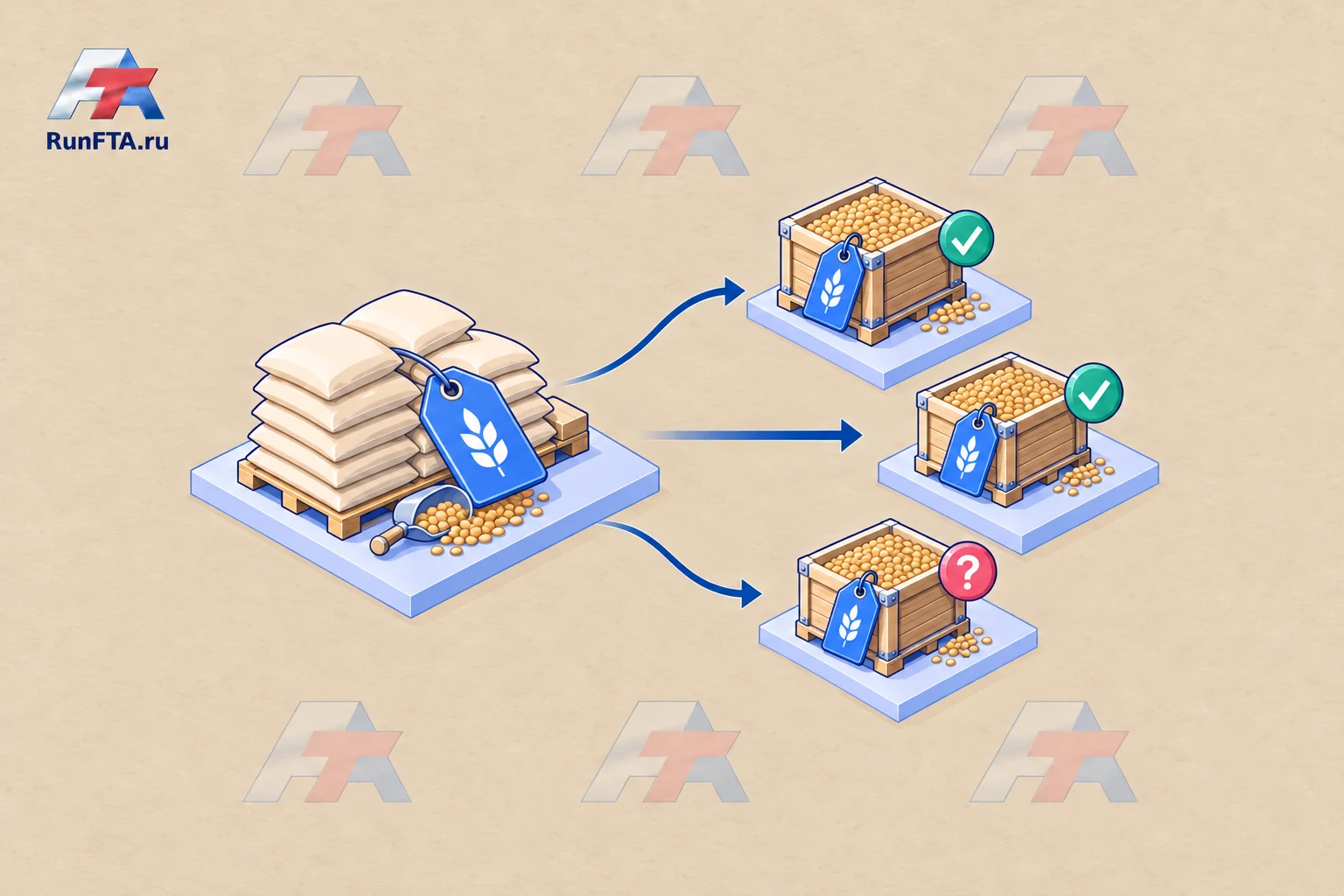
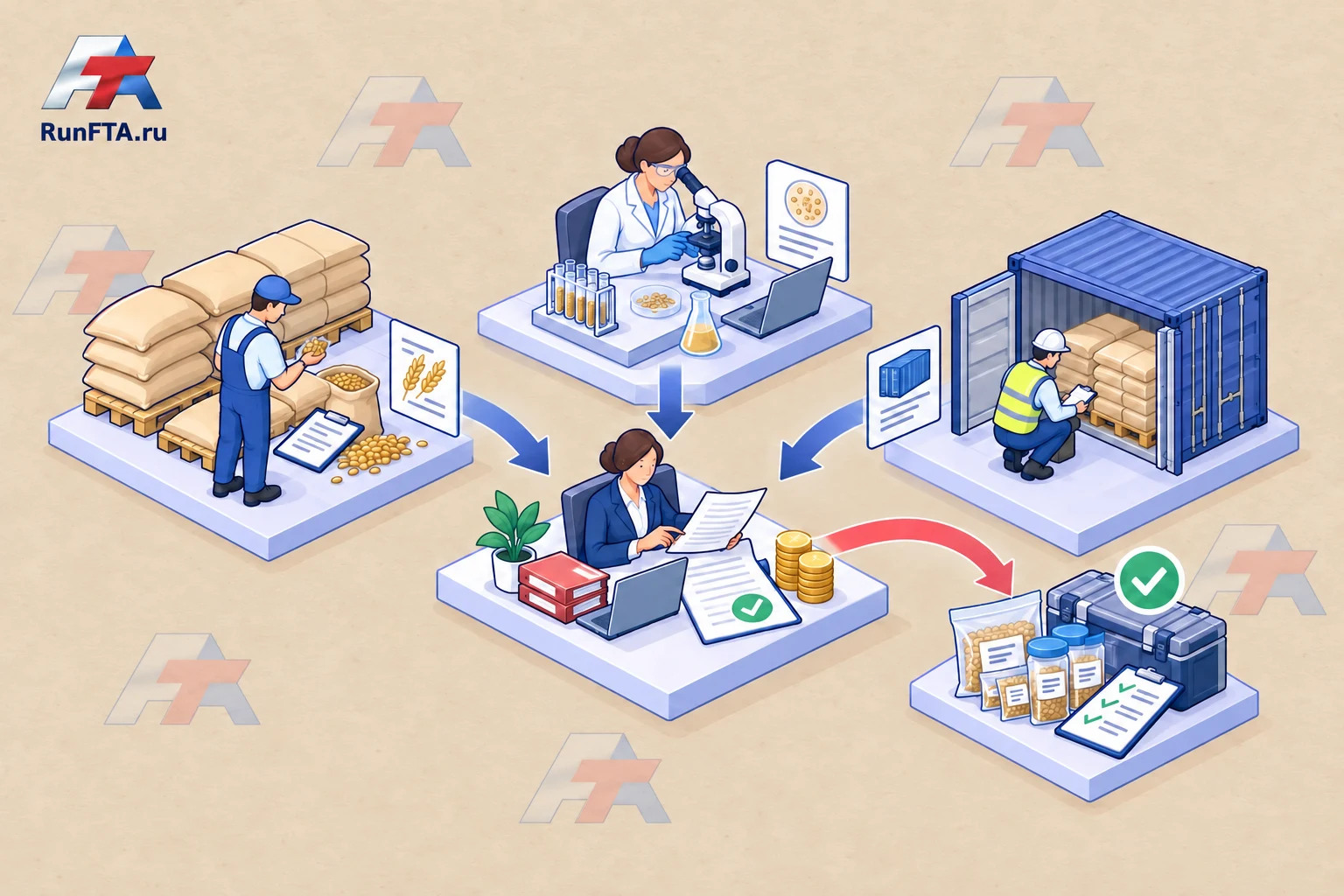
Link the sample to the sampling event
Assign an internal identifier and record the details from the sampling document.
The internal number helps to find the record but does not automatically make the sampling representative or legally sufficient.
| Log Field | What to Record |
|---|---|
| Sample | Identifier and packaging description |
| Batch | Connection to the batch, shipment, and documents |
| Sampling | Date, location, executor, and basis |
| Closure | Information about the seal or other access control method, if used |
| Storage | Location, responsible person, and agreed conditions |
| Issuance | Recipient, purpose, condition, and transfer date |
Do not add missing information from memory as if it were reliable.
Note the gap and the source from which confirmation can be requested.
Record each transfer
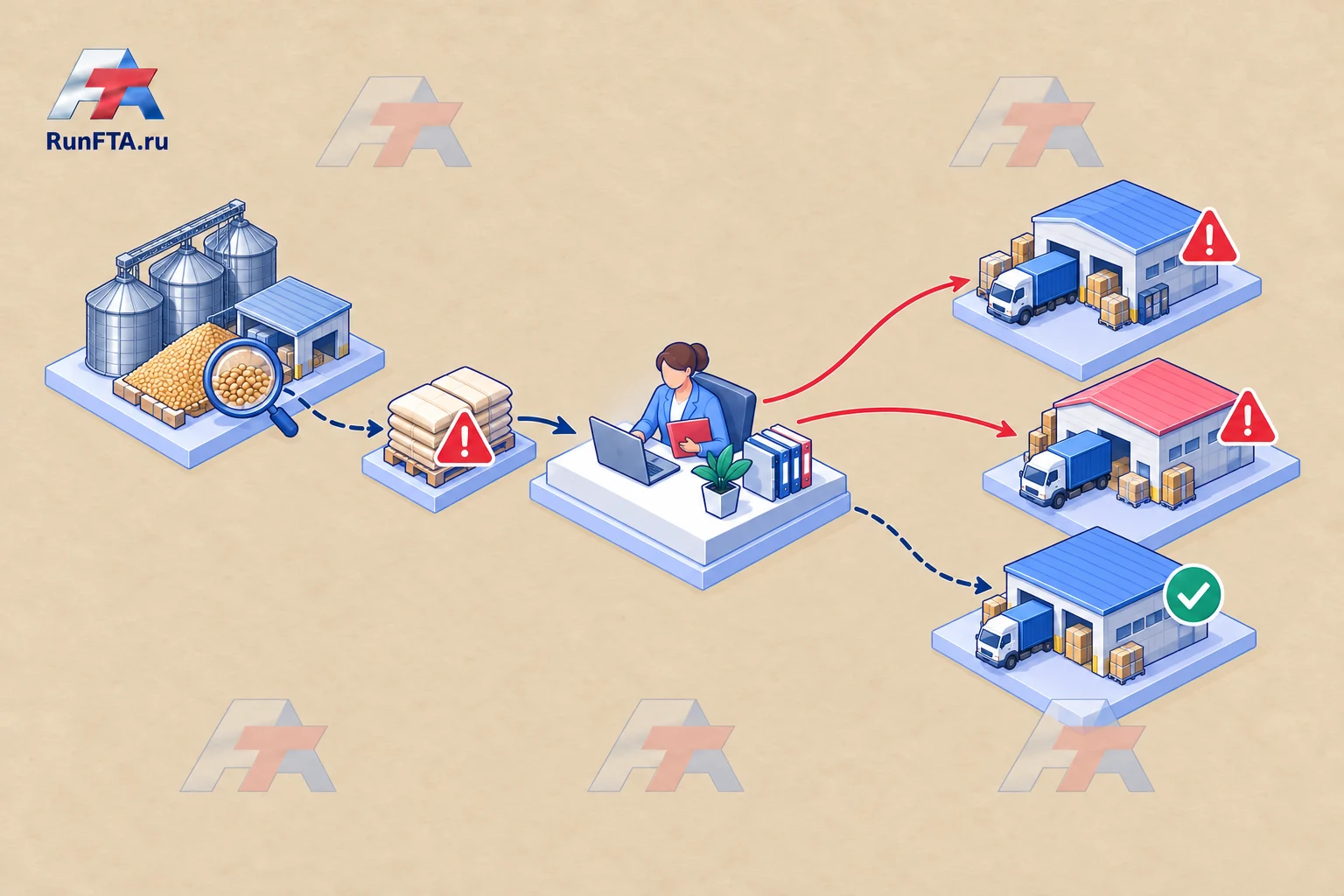
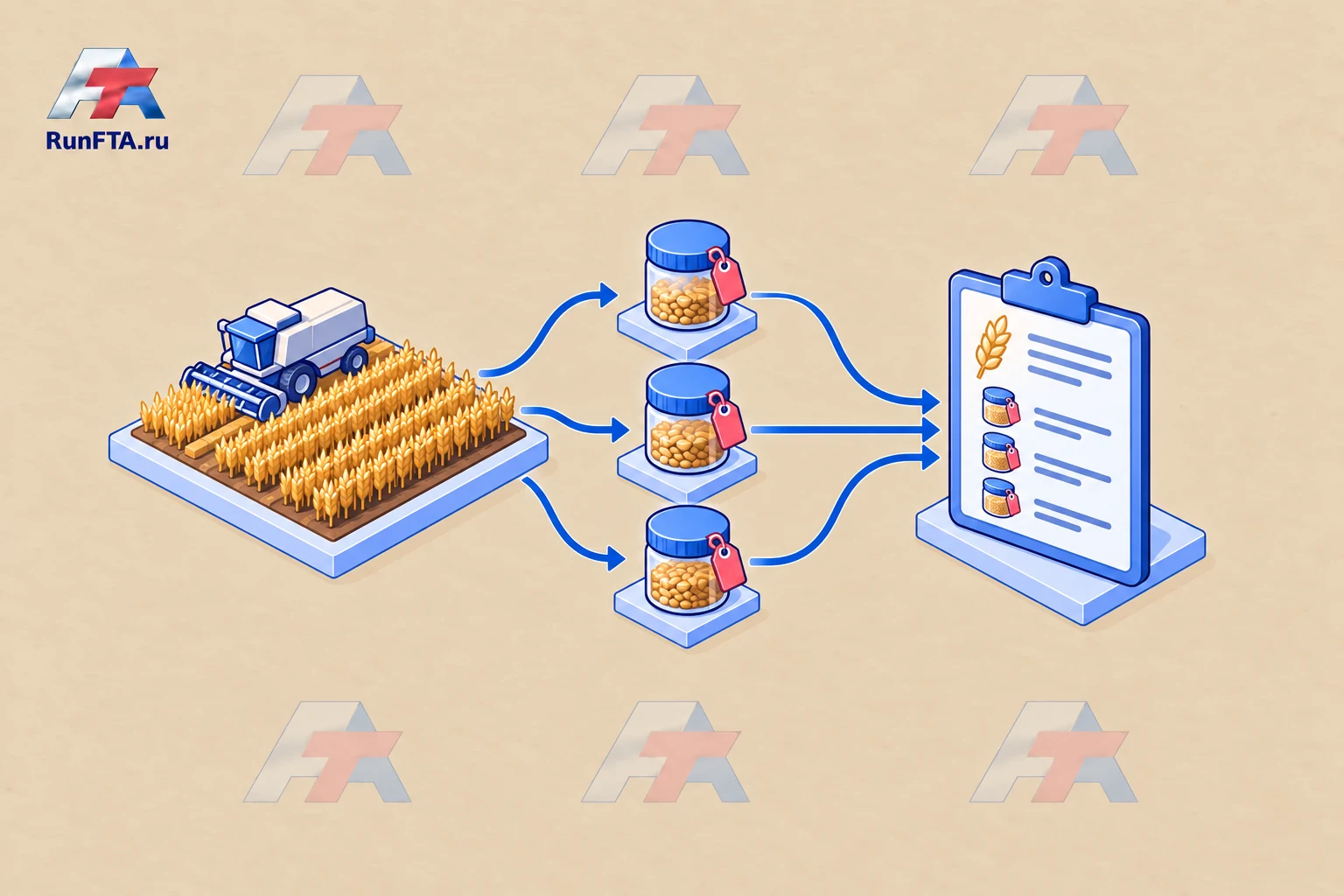
Hypothetical example: the sample was transferred from the warehouse to a representative, then to a courier and the laboratory.
The log needs separate transfer events, not just one final note ‘analysis ordered’.
The recipient confirms what they received and in what observable condition.
Gard considers the significance of retained samples in disputes over liquid cargo.
This is a maritime context: its procedures cannot be automatically transferred to bagged grain.
For our management log, the principle of linking the sample to the place, time, and participants in the transfer is important; the technical procedure for the selected product is agreed separately.
What to do with damaged labeling
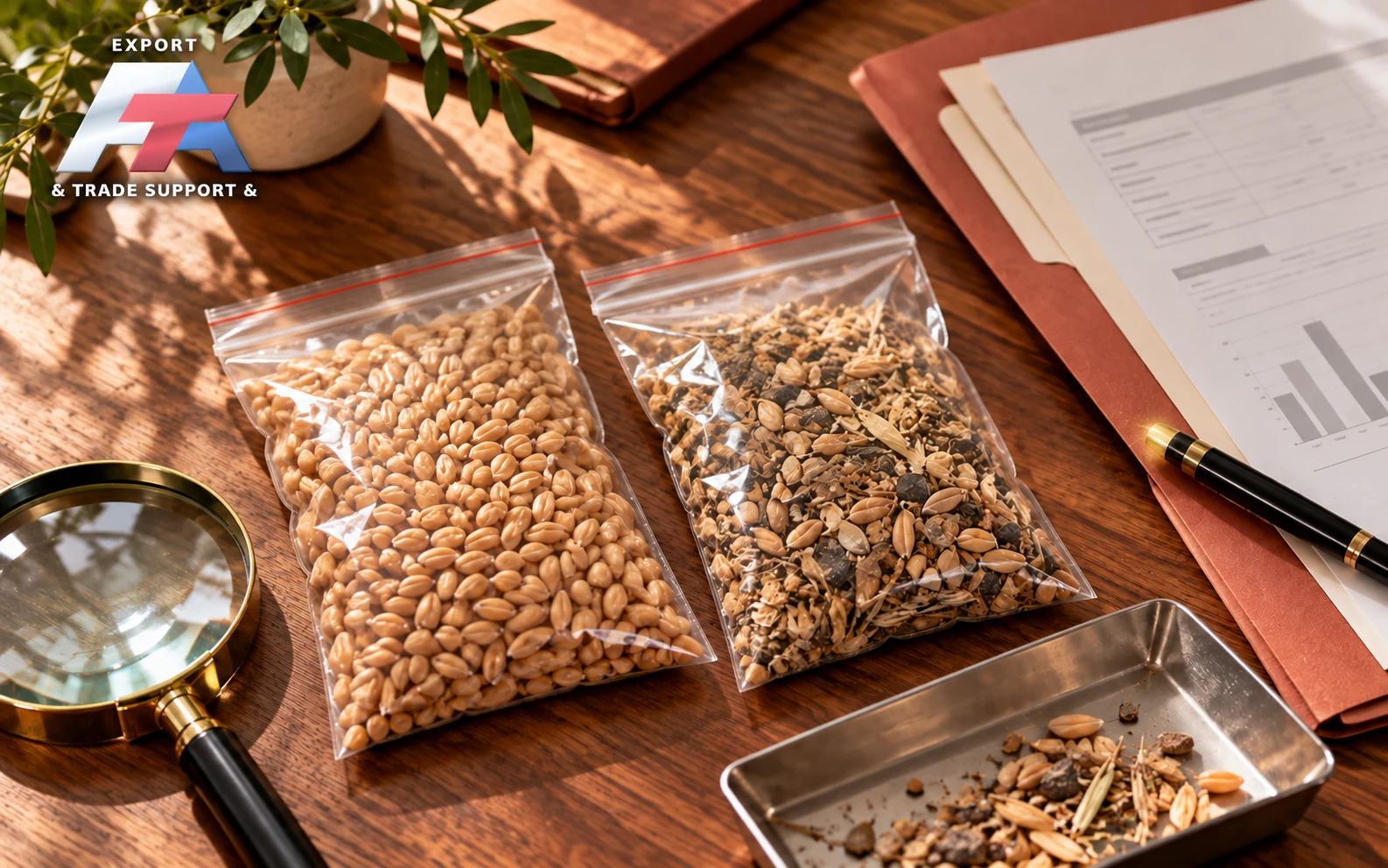
If the identifier is unreadable, the packaging is damaged, or the storage conditions are unknown, do not rename the sample to ‘suitable’.
Separate the record from the regular set and refer the question to a specialist: is the material suitable for the planned task, and what limitations will remain on the result?
Limit access to samples to designated participants.
Record issuance, opening, return, and disposal according to the agreed procedure.
Do not automatically destroy the material if a dispute is open on it: first, clarify the applicable obligations and the decision of the responsible person.
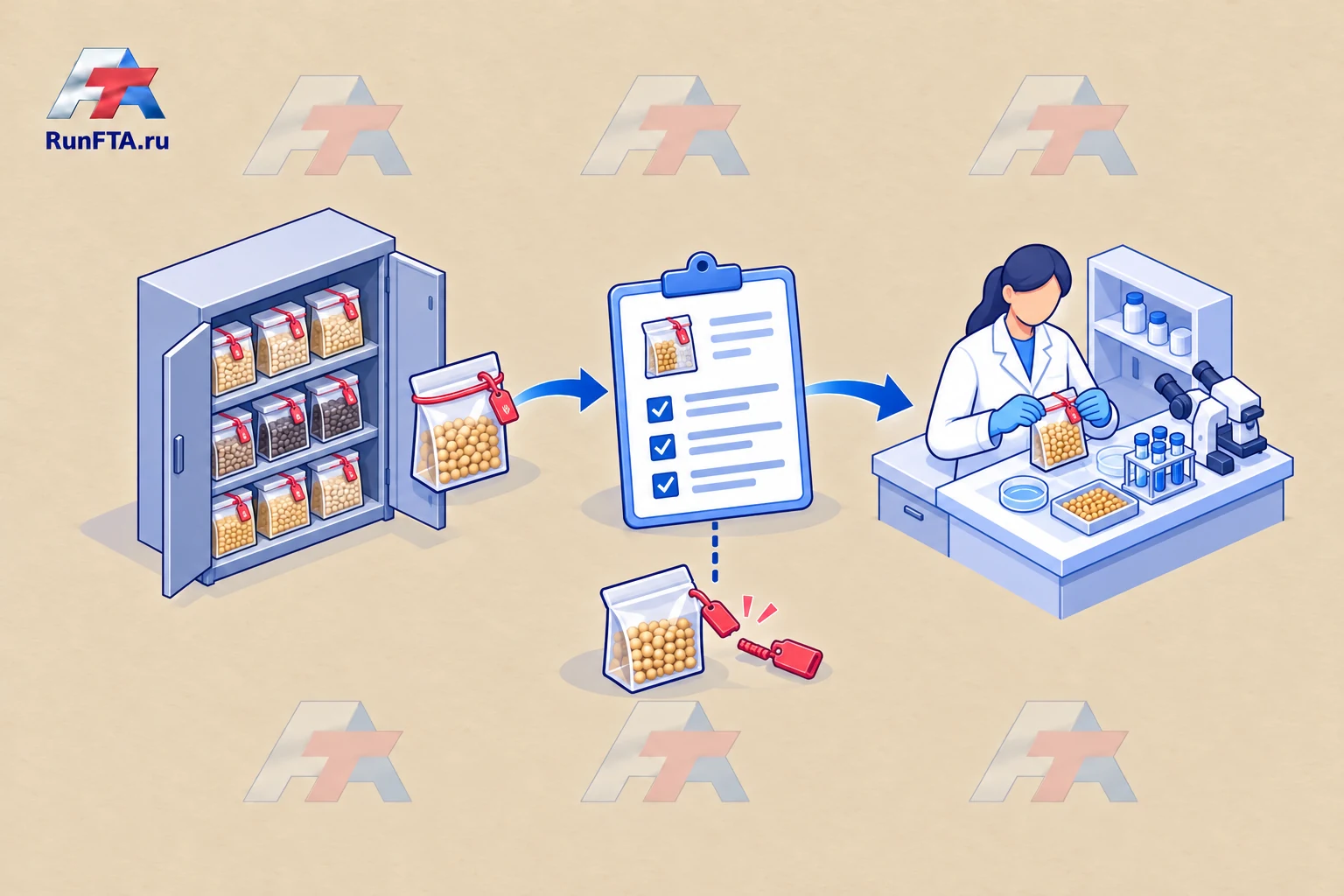
System check before a dispute
Ask an employee to find one sample by shipment number and restore its history without verbal prompts.
If this is not possible, improve the connection between the log, storage location, and documents.
This control complements agricultural batch traceability.
It does not prove the quality of the entire shipment but helps to maintain a verifiable history of the material that the parties intend to refer to.
Internal management guidance; examples are hypothetical.
Overseas sources do not establish Russian legal requirements.
Check authority, contract terms, restrictions and mandatory procedures for the specific transaction.
Reviewed 26 October 2026.