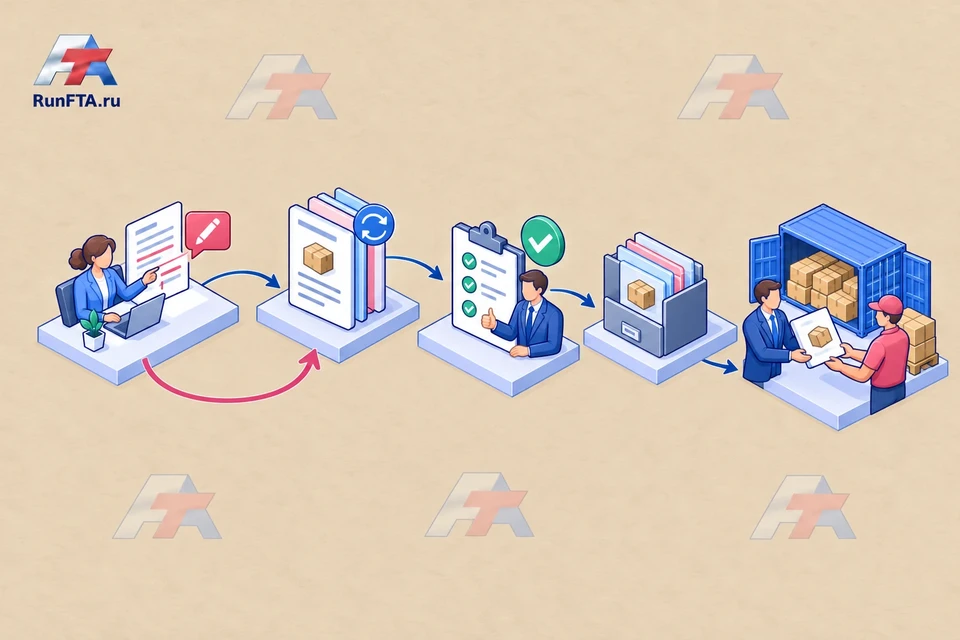

Keep the Request in Its Original Form
The customs representative is requesting additional information on the shipment.
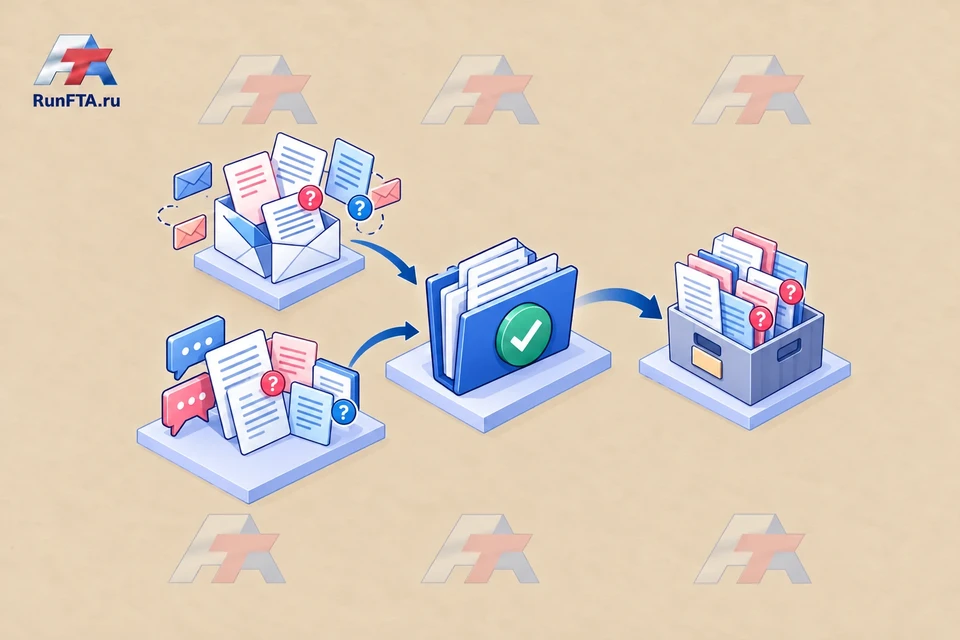
The manager forwards the question to the manufacturer, receives several files, and is unsure which one addresses the request.
Start with the original request: identify who sent it, which shipment it relates to, what exactly is required, and what deadline is specified.
Distinguish between the official request from the authority and the broker’s working clarification; leave the legal assessment of the content and deadlines to the declarant and engaged specialists.
This article describes the internal process of compiling a response.
It does not establish a customs procedure, a mandatory set of documents, or the powers of the coordinator.
Need to compile a response on supply documents?
I’ll help you organise a register of requests and the transfer of confirmations to your customs representative.
Legal assessments and procedural actions are carried out by authorised persons.
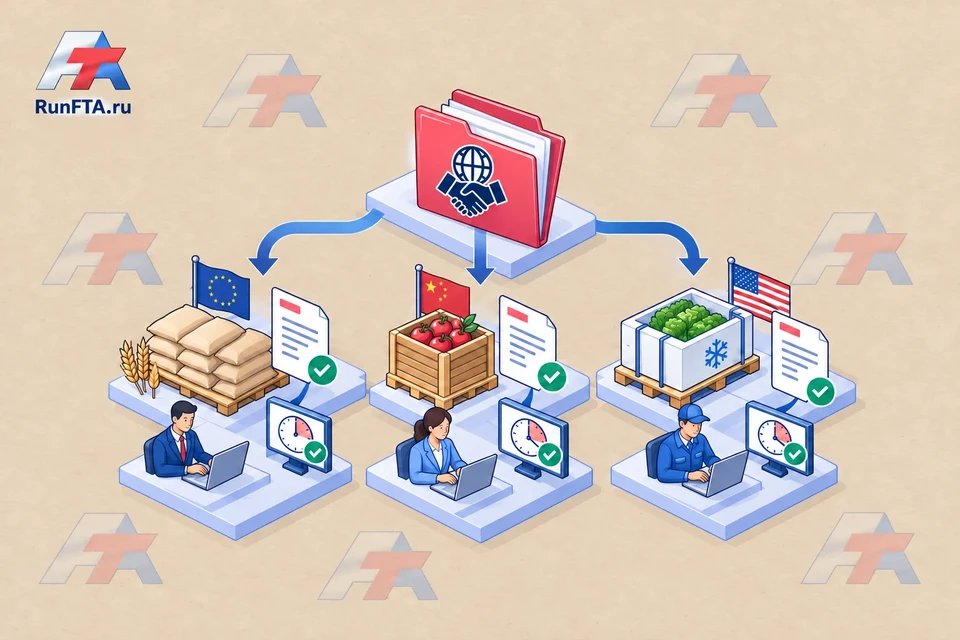
Break Down the Request into Verifiable Items
Each line in your working list should correspond to one question or document.
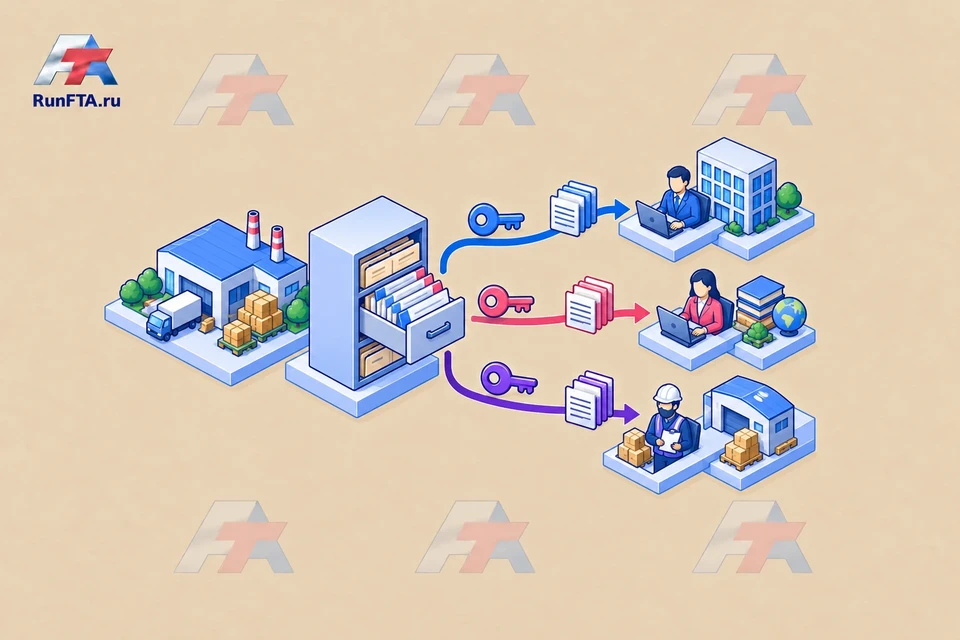
Next to it, record the data source, responsible party, expected file, deadline for receipt, and who will verify the response before sending it.
For example, information about the product composition may require confirmation from the manufacturer, while cost data may need verification of commercial and financial documents.
Avoid asking one employee to confirm everything on behalf of all parties.
If the wording is unclear, request clarification from the specialist who sent it.
Keep the response alongside the original question so the executor can see the context.
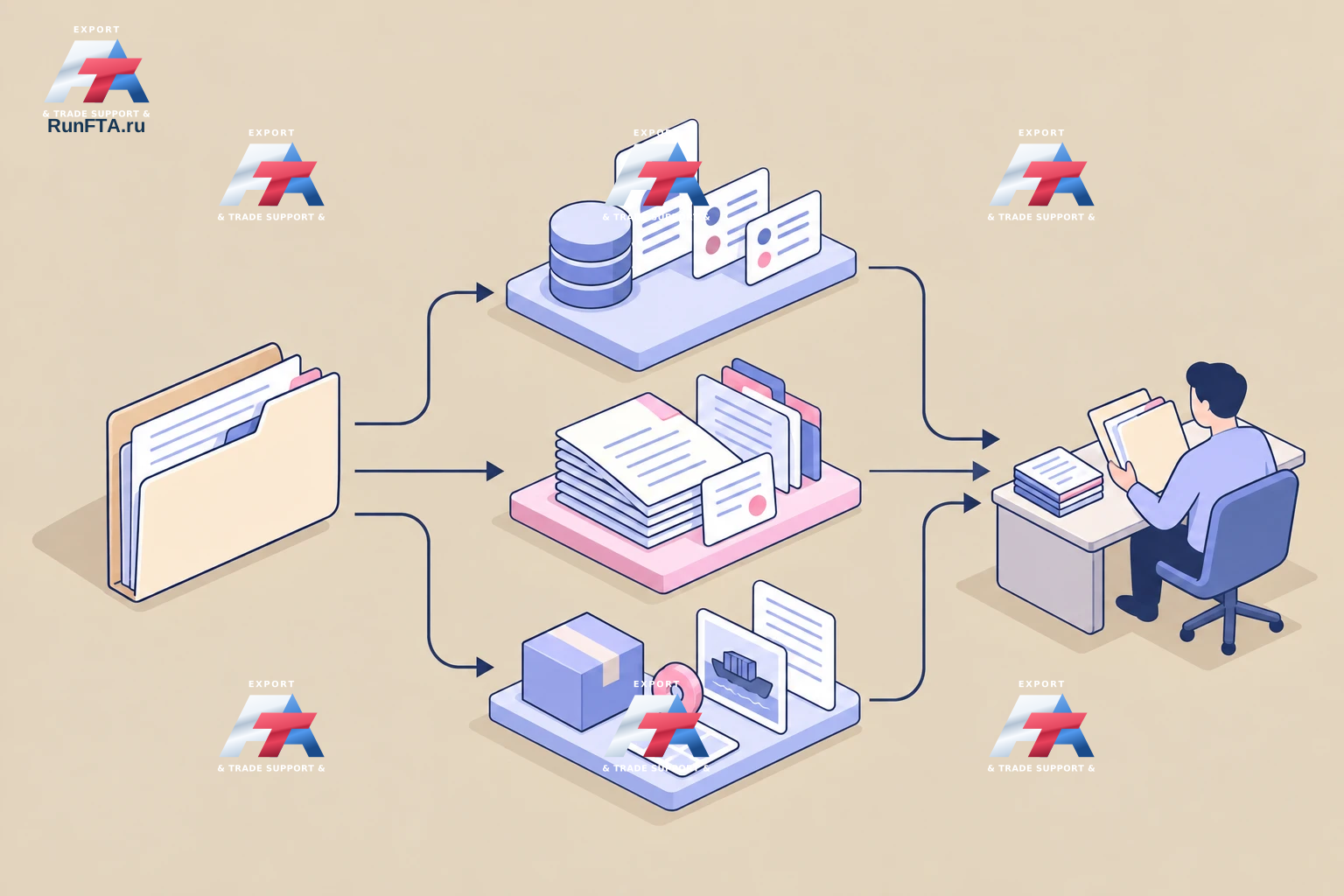
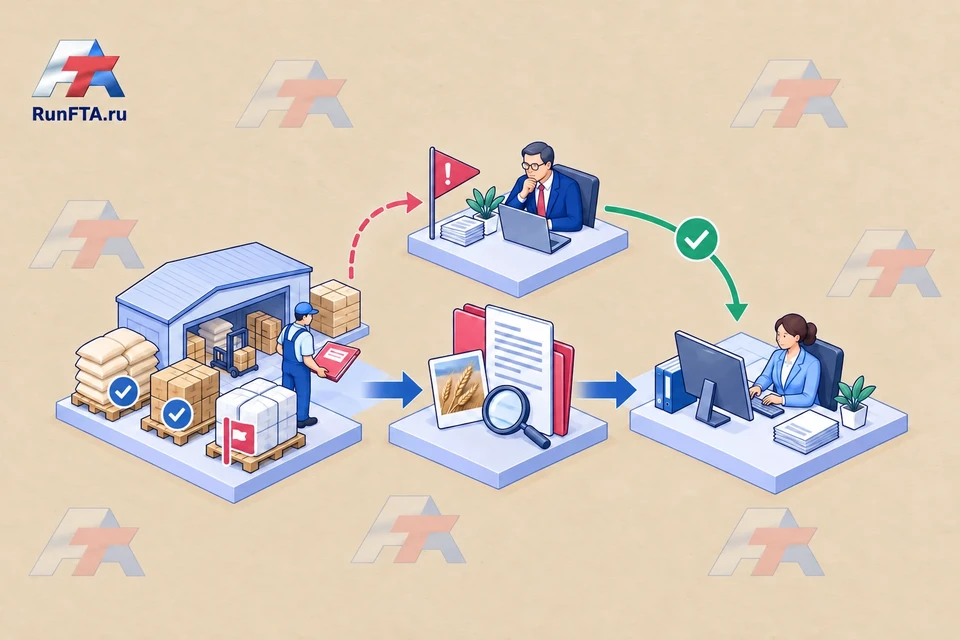
Verify Documents Against the Specific Shipment
Check the shipment identifier, product name, dates, units of measurement, and the document’s link to the manufacturer.
Matching the file name does not prove it relates to the correct cargo.
Hypothetical example: out of five items, responses were received for three; the manufacturer promised confirmation for one, and one remains unclear.
In the register, this means three received responses and two open items.
Do not report ‘the package is 100% ready’ after receiving five attachments: the number of files does not equal the number of resolved questions.
Do not correct third-party documents yourself.
Any discrepancies found should be communicated to the document owner and resolved in coordination with the specialist preparing the response.
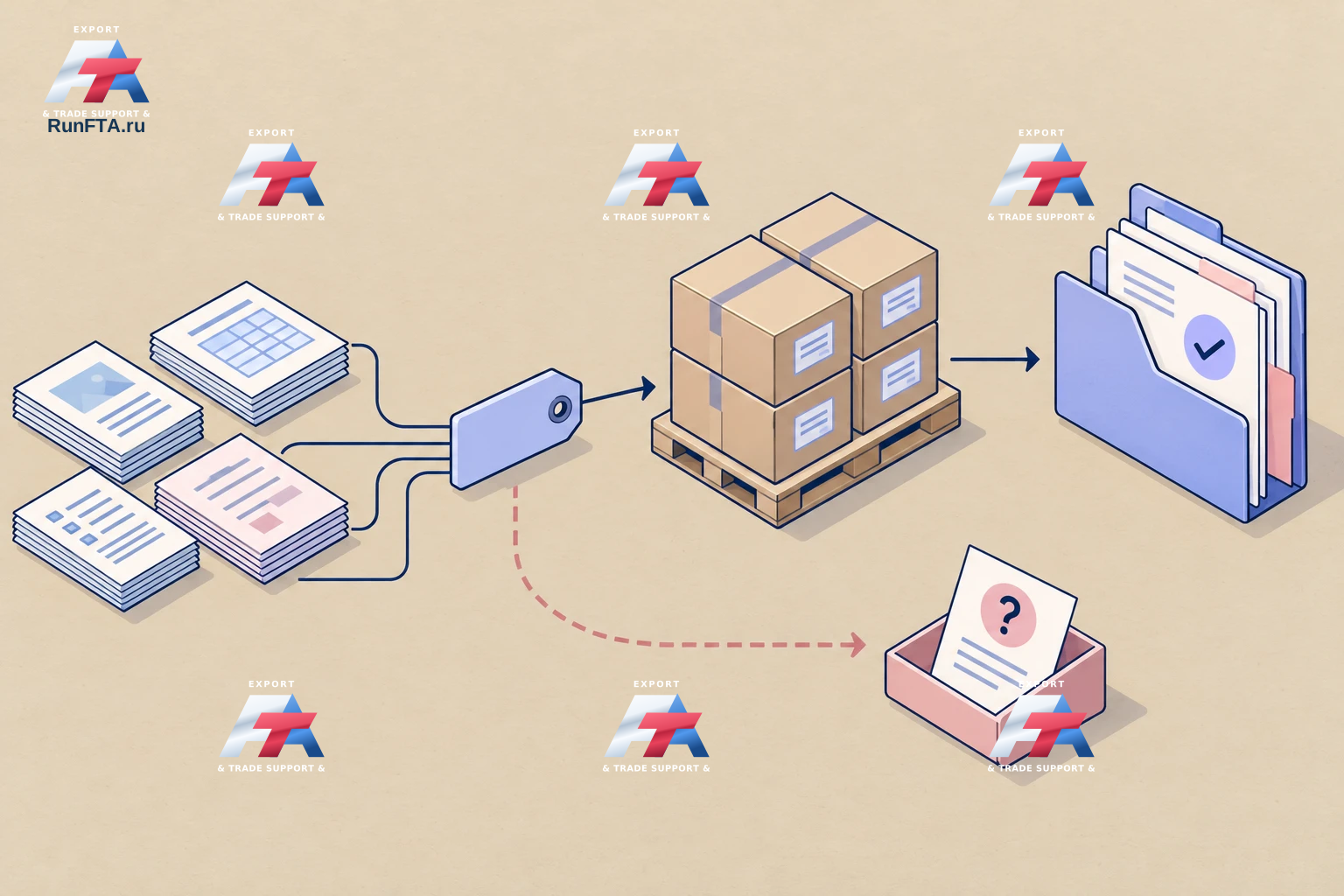
Submit the Agreed Package
Create a cover list: include the request item, file or explanation, version, and any remaining question.
Pass it to the authorised specialist for verification and submission via the approved channel.
Keep a record of the submission and separately note whether the recipient received it.
Sending a document to a general chat does not mean it has been accepted or the procedure is complete.
If the deadline for receiving initial data changes, inform the responsible party immediately.
Only the relevant specialist, not the team’s internal calendar, can determine acceptable actions regarding the official deadline.
Close the Request Based on Results
Ask the responsible party to confirm which items are closed and whether further action is needed.
Record the outcome separately from the shipment status: closing one request does not guarantee the release of the goods.
Use document version control to store accepted files.
It complements the response route but does not replace content verification.
Need to collect responses from the manufacturer, logistician, and finance team for a single shipment?
I’ll help you organise a register of requests and the transfer of confirmations to your customs representative.
Legal assessments and procedural actions are carried out by authorised persons.
Suggested management workflow.
Examples are hypothetical.
Authority, contractual terms and mandatory procedures must be checked for the specific transaction; overseas guidance does not establish Russian legal requirements.
Reviewed 27 October 2026.